Sweeteners Can Directly Interfere with Gut Bacteria Growth, Cambridge Study Reveals

Laboratory research conducted at the University of Cambridge has unveiled a potentially significant interaction between commonly consumed sweeteners and the bacteria vital for a healthy gut microbiome. The findings suggest that these seemingly inert additives may directly influence the growth and balance of microorganisms, with particular concern arising from combinations with common medications. While the study was performed in a controlled laboratory setting and further human trials are necessary, the implications for public health and the understanding of how sweeteners impact our bodies are substantial.
The Gut Microbiome: A Crucial Ecosystem
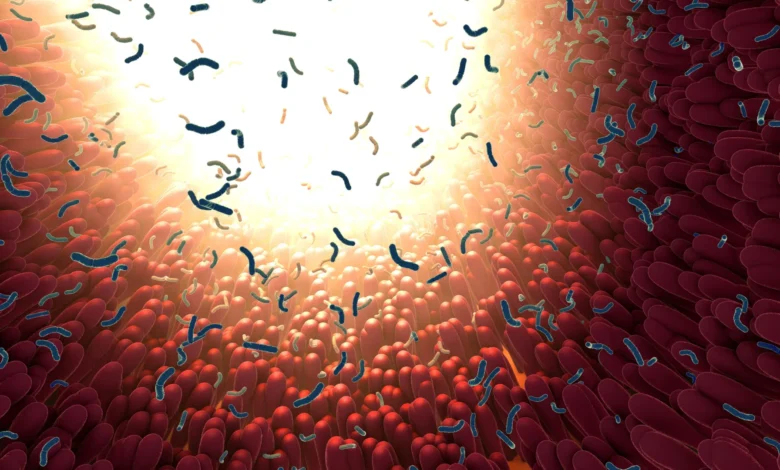
The human gut microbiome is a complex and dynamic ecosystem, comprising trillions of bacteria, viruses, fungi, and other microorganisms. This intricate community plays a pivotal role in a vast array of physiological processes, extending far beyond mere digestion. Beneficial gut bacteria are instrumental in breaking down complex carbohydrates that human enzymes cannot process, thereby unlocking essential nutrients. They are also key players in the synthesis of vital vitamins, such as vitamin K and several B vitamins.
Furthermore, the gut microbiome acts as a crucial regulator of the immune system. It helps to educate immune cells, distinguishing between harmless foreign substances and dangerous pathogens, thereby preventing autoimmune responses and allergic reactions. A balanced microbiome also contributes to metabolic health, influencing how the body stores fat, regulates blood sugar levels, and responds to insulin. Disruptions to this delicate balance, often termed dysbiosis, have been increasingly linked to a spectrum of health conditions, including inflammatory bowel diseases (IBD), obesity, type 2 diabetes, allergies, and even neurological disorders and mental health conditions.
Sweeteners Under Scrutiny
Sweeteners, both artificial and naturally derived low-calorie options, have become ubiquitous in the modern diet. They are incorporated into a vast array of food and beverage products, from diet sodas and sugar-free candies to yogurts, breakfast cereals, and even some pharmaceuticals. Their widespread adoption is largely driven by consumer demand for reduced sugar intake and calorie control, ostensibly to combat rising rates of obesity and related metabolic diseases.
However, the long-term health effects of regular sweetener consumption have been a subject of ongoing scientific debate and investigation. While regulatory bodies generally deem approved sweeteners safe for consumption within specified limits, a growing body of epidemiological and laboratory research has suggested potential associations between sweetener intake and adverse health outcomes. These include links to an increased risk of type 2 diabetes, weight gain (contrary to their intended purpose), and even certain types of cancer. It is important to note that these associations do not definitively establish causation, and the precise biological mechanisms underpinning these links remain an active area of research.
One of the primary hypotheses exploring these connections centers on the gut microbiome. Researchers have posited that sweeteners, rather than being biologically inert, might directly or indirectly alter the composition and function of gut bacteria, thereby influencing host health. Until now, direct evidence of such interactions, particularly under conditions mimicking real-world consumption patterns, has been limited.
Unveiling Direct Interactions: The Cambridge Study
The University of Cambridge study, published in the journal Molecular Systems Biology, sought to address this knowledge gap by directly investigating the impact of sweeteners on individual gut bacterial species. The research team, led by Professor Kiran Patil from the Medical Research Council (MRC) Toxicology Unit, and Dr. Sonja Blasche, a lead author also from the MRC Toxicology Unit, embarked on a comprehensive laboratory-based investigation.
Key Phases of the Research:
-
Bacterial Culture Selection: The scientists began by culturing 25 distinct bacterial species in the laboratory. This selection encompassed a range of microorganisms commonly found in the human gut, representing those considered beneficial, neutral, or potentially pathogenic. This diverse panel aimed to provide a broad overview of how different bacterial types might respond to sweetener exposure.
-
Sweetener Screening: A substantial array of 39 commercially available sweeteners was then tested against these bacterial cultures. This included both artificial sweeteners, such as aspartame and saccharin, and naturally derived low-calorie options like steviol glycosides (from which isosteviol is derived) and monk fruit extracts.
-
Growth Inhibition Assays: For each sweetener, researchers meticulously monitored the growth rate of each bacterial species. They measured how quickly the bacteria multiplied and whether the presence of the sweetener inhibited or completely halted their proliferation.
A Widespread Impact on Bacterial Growth
The results of the initial screening were striking. The study found that approximately three-quarters of the tested sweeteners demonstrated an impact on the growth of at least one bacterial species. More concerningly, several sweeteners were observed to significantly reduce or entirely suppress the growth of bacteria that are recognized as crucial for maintaining a healthy digestive system. This finding directly challenges the long-held assumption that sweeteners are metabolically inactive and pass through the digestive tract without interacting with the resident microbial populations.
Professor Patil elaborated on the significance of these findings: "Most of what we know about the potential impact of sweeteners on our health comes from animal research or from population studies. While these studies have indicated involvement of the microbiome in mediating the effect of sweeteners, it’s difficult to know how sweeteners act in the body — is it through direct interactions with our gut bacteria?" The Cambridge study provided a direct answer to this question, demonstrating that such interactions are indeed occurring at a fundamental biological level.
The Complexity of Co-Consumption: Beyond Sweeteners Alone
A critical aspect of the study recognized that sweeteners are rarely consumed in isolation. They are typically part of a complex dietary matrix, often consumed alongside other food ingredients, beverages, or even medications. This realization prompted the researchers to investigate how the presence of other common compounds might modify the effects of sweeteners on gut bacteria.
To simulate these real-world scenarios, the scientists created experimental conditions where sweeteners were paired with a variety of substances. These included common dietary components like caffeine and vanillin (a primary component of vanilla flavor), as well as other artificial sweeteners and a selection of eight commonly prescribed drugs.
This phase of the research uncovered an even more complex picture, revealing over 100 instances where the effect of a sweetener on bacterial growth was altered when another compound was present. In 34 of these cases, the combined effect was amplified, leading to a stronger impact on bacterial growth. Conversely, in 68 instances, the combined effect was weakened. This suggests that the impact of a particular sweetener on the gut microbiome is not a fixed phenomenon but can be significantly influenced by the context of its consumption.
A Potent Combination: Isosteviol and Duloxetine
Among the numerous interactions investigated, one combination stood out for its particularly dramatic effect: isosteviol, a derivative of steviol glycosides and a sweetener used in the food and beverage industry, when combined with duloxetine, a widely prescribed antidepressant and nerve pain medication.
When these two compounds were tested together against specific bacterial species, they exhibited a powerful synergistic effect, sharply reducing the growth of two bacterial species considered vital for digestive health, blood sugar regulation, and immune function: Roseburia intestinalis and Parabacteroides merdae. Both of these species are recognized as key contributors to a healthy gut ecosystem.
Duloxetine, marketed under brand names like Cymbalta, is a selective serotonin and norepinephrine reuptake inhibitor (SNRI) used to treat major depressive disorder, generalized anxiety disorder, fibromyalgia, and neuropathic pain. Its widespread use means that a significant portion of the population may be inadvertently consuming it alongside sweeteners. For instance, duloxetine is often formulated with excipients that can include sweeteners to mask its inherent bitterness. In 2023 alone, over 4.2 million patients in the United States received prescriptions for duloxetine, highlighting the potential scale of this interaction.
Simulating a Microbial Community: Beyond Single Species
Recognizing that the human gut is a complex environment where microbes constantly interact, the researchers moved beyond studying individual bacterial species. They constructed a simplified synthetic microbial community containing all 25 bacterial species used in the initial screening. This allowed them to observe how different combinations of sweeteners and drugs influenced the community’s overall dynamics, including species abundance and diversity.
Within this synthetic community, the combination of isosteviol and duloxetine led to a notable decline in microbial diversity. A diverse microbiome is generally considered a hallmark of a resilient and healthy gut ecosystem, capable of withstanding environmental pressures and maintaining stability. The reduction in diversity observed in this experiment suggests that such combinations could potentially destabilize the microbial community.
Furthermore, the isosteviol-duloxetine pairing altered the internal balance of the synthetic community. Certain bacterial species thrived while others declined, indicating a significant shift in the microbial landscape. Subsequent experiments suggested that these microbial changes could lead to increased toxicity towards certain host cells and disrupt the activity of cells involved in inflammation and immune responses.
Implications for Health and Future Research
The findings from the University of Cambridge study carry significant implications for how we understand the health effects of sweeteners and their interactions with other substances we consume. Dr. Blasche emphasized this point, stating, "Sweeteners are often marketed as metabolically neutral, but our study challenges this idea. We found that they can directly affect gut bacteria, particularly when mixed with other compounds such as medication and food additives. These common combinations could have unintended effects on our gut microbiome."
However, the researchers are keen to stress that these laboratory findings do not equate to direct proof of harm in humans. The experiments were conducted under controlled conditions using isolated bacteria and cell models. The human digestive system is a far more intricate environment where sweeteners undergo absorption, chemical modification, dilution, and degradation before reaching gut microbes. Individual factors such as diet, genetics, existing microbiome composition, and the specific medications being taken can all influence the ultimate outcome.
The Path Forward: Human Studies Are Essential
The next crucial step, as highlighted by Professor Patil, is to translate these laboratory insights into human studies. "Our study suggests that artificial sweeteners don’t just pass through the body passively — they can interact with gut microbes, and these effects can be amplified or altered by other substances like medications. These findings can help guide new studies towards understanding how sweeteners might influence health in unexpected ways," he commented.
Future research will need to focus on:
- Human Trials: Conducting carefully designed studies in human volunteers to determine if similar interactions occur in vivo.
- Dosage and Exposure: Investigating the specific doses of sweeteners and co-consumed substances that might trigger these effects in humans.
- Measurable Health Outcomes: Assessing whether any observed microbial changes translate into tangible and measurable health impacts, such as alterations in metabolic markers, immune responses, or susceptibility to disease.
The research was supported by funding from the European Union’s Horizon 2020 program and the UK Medical Research Council, underscoring the scientific community’s commitment to unraveling the complex interplay between diet, medication, and our internal microbial ecosystems. As the public continues to rely on sweeteners for calorie and sugar management, this research serves as a critical reminder that the perceived simplicity of these additives may mask a more profound biological impact.