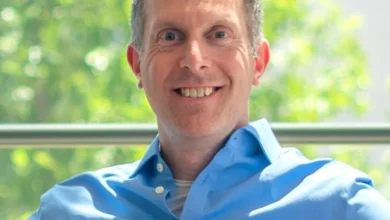
Faces of Discovery: Dr. Parminder Singh Unraveling the Interplay of Inter-Organ Communication, Menopause, and Aging


The Buck Institute for Research on Aging is at the forefront of scientific inquiry into the aging process, with its monthly "Faces of Discovery" series highlighting the dedicated researchers driving these advancements. This installment introduces Dr. Parminder Singh, a Postdoctoral Research Fellow in Dr. Pankaj Kapahi’s lab, whose work delves into the intricate communication networks between organs and how these interactions influence the biology of aging, particularly in the context of menopause and metabolic health. Dr. Singh’s research is supported by the prestigious Larry H. Hillblom Postdoctoral Fellowship, underscoring the significance of his investigation into how endogenous metabolites impact cellular senescence and insulin resistance.
The Genesis of a Scientific Journey: From Physics to the Mysteries of Life
Dr. Singh’s path to a career in aging research is a testament to the serendipitous nature of scientific discovery and the profound impact of timely guidance. Ironically, his initial academic inclinations lay firmly in the realm of physics and mathematics, with biology almost being an afterthought. "At that time, I was far more drawn to physics and mathematics and had seriously considered skipping biology altogether," Dr. Singh shared in a recent interview. It was his school principal who, recognizing a latent aptitude, persuaded his parents to allow him to pursue biology as an additional subject. This pivotal decision, he reflects, "quietly shaped everything that followed."
Once immersed in the biological sciences, Dr. Singh found himself captivated not only by the scientific principles but also by the compelling narratives of scientific progress. He was deeply fascinated by the history of biological discoveries, the persistent individuals behind them, and the unwavering curiosity that fueled their groundbreaking work. This fascination evolved into a personal revelation: he possessed a natural ability to grasp core biological concepts and, more importantly, to articulate them clearly to others. The act of teaching, discussing, and simplifying complex ideas became less of a chore and more akin to the art of storytelling. Today, Dr. Singh views his role not merely as an experimentalist but as a "storyteller of biology," dedicated to uncovering new narratives about how the human body ages, adapts, and sometimes falters. His current motivation stems from the "opportunity to make new discoveries, so I can tell more meaningful stories and share them in ways that help people connect to the science shaping their health and everyday lives."
Decoding the Silent Conversations: Inter-Organ Communication and Aging
The central problem Dr. Singh’s research endeavors to solve is the profound lack of understanding regarding how disruptions in inter-organ communication contribute to the aging process. While decades of scientific advancement have illuminated the functions of individual organs in isolation, the complex dialogue between these organs—mediated by hormones, metabolites, neural signals, and immune responses—remains largely enigmatic, especially as it pertains to aging. "We know the parts, but we still do not fully understand the conversation between them, especially how that conversation changes with age," Dr. Singh explained.
A critical aspect of his work focuses on identifying the internal and external factors that disrupt these vital communication signals and, crucially, why these disturbances manifest differently across individuals. A significant and often overlooked element of this research is the recognition that inter-organ communication exhibits distinct patterns between males and females, particularly during significant life transitions such as menopause. These sex-specific differences, Dr. Singh argues, are frequently underrepresented in biomedical research but may hold the key to understanding why diseases present with varying prevalence and severity in men and women. By unraveling the mechanisms behind the breakdown of these communication networks, his research aims to pave the way for the development of more precise, sex-specific therapeutic interventions that address the root causes of aging rather than merely managing its symptoms.
Unveiling the Complexities of Menopause and Metabolic Stress on Aging
Dr. Singh’s research is currently exploring two closely intertwined areas: the biological ramifications of menopause and the detrimental effects of excessive sugar consumption on the aging process.
The Impact of Ovarian Function Loss
One primary focus of his investigation is the multifaceted impact of the loss of ovarian function on the brain and the wider bodily systems. Menopause, a natural physiological transition, is characterized by the gradual cessation of ovarian egg release and a decline in the production of hormones and other signaling molecules. While commonly associated with reproductive health, the effects of menopause extend far beyond fertility. The ovaries engage in vital communication with numerous organs, including the brain, and play a crucial role in regulating various metabolic processes and overall health.
Beyond natural menopause, some women undergo surgical menopause following bilateral oophorectomy, the surgical removal of both ovaries. This procedure, historically performed on approximately 300,000 women globally each year, can lead to an abrupt loss of ovarian signaling, particularly when conducted before the natural onset of menopause. Unlike the gradual changes associated with natural menopause, surgical removal can trigger an immediate hormonal deficit.
To meticulously study the biological consequences of this sudden transition, Dr. Singh and his team utilize a laboratory model known as bilateral ovariectomy (OVX) in animal subjects, where ovaries are surgically removed. This model provides a controlled environment to investigate how the disruption of communication between the ovaries and other organs influences aging and health trajectories.

Their findings indicate a heightened sensitivity of the hypothalamus, a small yet indispensable region of the brain, to the loss of ovarian signals. The hypothalamus is instrumental in regulating fundamental bodily functions, including sleep, metabolism, appetite, body temperature, energy balance, and hormonal activity. When the communication pathways between the ovaries and the brain are compromised, specific neurons within the hypothalamus may exhibit diminished functionality, while adjacent support cells can become hyperactive. These cellular changes offer potential explanations for the increased incidence of symptoms and health risks such as sleep disturbances, metabolic dysfunction, fatigue, and cognitive alterations observed after menopause or surgical oophorectomy.
The Accelerating Effects of Excess Sugar
The second pillar of Dr. Singh’s research examines how excessive sugar intake contributes to the acceleration of aging. Over time, a diet high in sugar and compromised sugar metabolism can lead to the accumulation of deleterious molecules known as advanced glycation end products (AGEs). These molecules are formed through a complex chemical reaction where sugars interact with proteins, fats, or other cellular components, ultimately disrupting the normal functioning of cells and tissues.
Dr. Singh’s research suggests that the buildup of these harmful AGEs can promote cellular aging and damage across multiple organ systems, including the brain, cardiovascular system, and eyes. For instance, glycation can lead to arterial stiffening, increase cellular stress, and fuel inflammation. These physiological changes are significant risk factors for age-related conditions such as cardiovascular disease, metabolic disorders, and cognitive decline.
Crucially, these two research areas are not isolated but are likely interconnected. Menopause can alter metabolic pathways and diminish the body’s capacity to manage metabolic stress. Consequently, the adverse effects of excess sugar may become amplified post-menopause, potentially exacerbating certain aspects of the aging process. By investigating the intricate interplay between reproductive aging and metabolic health, Dr. Singh’s team aims to identify novel strategies for promoting healthier aging and mitigating the risk of disease later in life.
A Grandmother’s Guide to Aging Research
To convey the essence of his complex research to a lay audience, Dr. Singh employs a relatable analogy: "I often explain my research like this. The organs in your body are like members of a family that are constantly talking to each other." In this analogy, the brain serves as the patriarch or matriarch, orchestrating and maintaining equilibrium. The ovaries, in turn, act as key communicators, sending vital messages that inform the brain’s decisions.

"During menopause, those ovarian messages naturally fade, and the brain, suddenly, has less information to work with," Dr. Singh elaborates. This reduction in critical signaling can trigger a state of "panic mode" within the brain. Analogous to a stressed family leader, the brain may begin sending out confused or hasty signals, creating a ripple effect of anxiety that affects other organs, including the liver, fat tissues, and muscles.
Simultaneously, everyday lifestyle choices, such as excessive consumption of sugary foods, contribute to the formation of "sticky byproducts in the body that slowly interfere with how cells do their jobs, almost like dust clogging up machinery." When menopause and these metabolic stressors converge, specific brain regions become more vulnerable and exhibit accelerated aging. Dr. Singh’s work is dedicated to understanding the underlying mechanisms of this vulnerability and identifying ways to bolster the brain’s resilience and health as individuals age.
The Profound Implications of Dr. Singh’s Work
The research conducted by Dr. Singh holds the potential to fundamentally alter our understanding of aging, with a particular emphasis on women’s health. Many age-related diseases develop insidiously, influenced by biological changes that commence long before symptomatic manifestations. By pinpointing how menopause and metabolic stress exert their early influences on brain function, Dr. Singh’s research opens avenues for proactive prevention strategies, shifting the focus from late-stage disease management to early intervention.
Furthermore, his work underscores the critical imperative for sex-specific approaches to health and aging. A deeper comprehension of these biological differences could pave the way for more targeted interventions aimed at preserving brain and metabolic health, thereby enhancing the quality of life as individuals grow older.
A Glimpse into the Future of Aging Research
Dr. Singh expresses considerable optimism about the trajectory of aging research in the coming decade. He anticipates that the next ten years will be a pivotal period for the field, driven by advancements in artificial intelligence, high-throughput screening technologies, and the analysis of large-scale datasets. These powerful tools are poised to revolutionize the pace of scientific discovery, moving beyond single-insight findings to the rapid identification of novel therapeutic targets and the swift evaluation of existing medications against them. "We can identify new therapeutic targets and rapidly test thousands of existing drugs against them, turning ideas into action at an unprecedented speed," he noted.

What truly excites him is the dynamic and ever-evolving nature of aging research. "I am learning every day, watching new patterns emerge, and hoping to uncover my own discoveries along the way," Dr. Singh stated. At its core, he maintains, this work remains rooted in the pursuit of understanding the intricate stories of biology: how it functions, where it falters, and how it adapts. He eagerly anticipates uncovering and sharing these unfolding narratives with the scientific community and the broader public.
The Buck Institute, through initiatives like "Faces of Discovery," consistently champions the human element in scientific advancement, recognizing that breakthroughs in understanding aging are intrinsically linked to the dedication, curiosity, and ingenuity of its researchers. Dr. Parminder Singh exemplifies this commitment, contributing vital insights that promise to redefine our approach to healthy aging and well-being for generations to come.
Related posts: