
Jakarta, CNN Indonesia – Leafy green vegetables such as lettuce, spinach, mustard greens, broccoli, and kale are widely celebrated for their abundant nutritional profile, offering a rich source of essential vitamins, minerals, and dietary fiber. However, these nutrient powerhouses also represent one of the most common categories of food susceptible to contamination, posing a significant risk of foodborne illness if not handled correctly. The urgency of proper washing extends far beyond a superficial rinse, as highlighted by food safety experts globally, who continuously warn consumers about the inherent vulnerabilities of these popular dietary staples.
The fundamental challenge with leafy greens stems from their growth environment. Experts, including those cited by Everyday Health, point out that these vegetables typically grow close to the soil surface. This proximity renders them highly susceptible to contamination from various environmental sources, including the soil itself, irrigation water, and animal waste. The risk is further amplified by the common practice of consuming many of these vegetables raw, meaning they bypass any cooking process that would otherwise destroy harmful microorganisms post-harvest. Francisco Diez-Gonzalez, Director of the Center for Food Safety and a distinguished professor of food science at the University of Georgia, underscores this concern, stating, "Leafy vegetables are frequently implicated in foodborne disease outbreaks because they are consumed without undergoing a process that can kill microorganisms after they are harvested from the field."
While acknowledging that no method can entirely eliminate all microbes, experts unequivocally agree that diligent selection, meticulous washing, and appropriate storage are crucial steps in significantly mitigating the risk of food poisoning. This understanding forms the bedrock of modern food safety guidelines for fresh produce, aiming to empower both consumers and the agricultural industry to safeguard public health.
The Intricate Pathways of Contamination: From Farm to Fork
Understanding why leafy greens are so prone to contamination requires a closer look at their journey through the food supply chain. The vulnerability begins at the farm level, where environmental factors play a critical role. Soil, though essential for growth, can harbor various pathogens, particularly if it has been exposed to animal feces. Irrigation water is another significant vector; if water sources are contaminated with agricultural runoff, wastewater, or animal waste, these pathogens can easily transfer to the plants. Wild animals, such as deer, birds, and rodents, can also introduce bacteria onto fields, especially if they forage near crops.
Beyond the farm, contamination can occur during harvesting, processing, and transportation. Human handlers who do not adhere to strict hygiene protocols can transfer pathogens from their hands to the produce. Harvesting equipment, if not adequately sanitized, can also become a source of cross-contamination. In processing plants, large batches of produce are often washed in shared water, and if this water becomes contaminated, it can spread pathogens to an entire lot. Furthermore, inadequate temperature control during transport can allow any present bacteria to multiply rapidly, exacerbating the risk before the produce even reaches grocery store shelves. Given that many leafy greens are minimally processed and often consumed without further heat treatment, each stage of this journey represents a potential point of entry for harmful microorganisms.
A Historical Perspective: Major Outbreaks and Pathogenic Culprits
The history of food safety is punctuated by numerous significant outbreaks linked to contaminated leafy greens, which have profoundly shaped public health policies and consumer awareness. One of the most infamous incidents occurred in 2006, when an E. coli O157:H7 outbreak linked to fresh spinach sickened over 200 people across the United States, resulting in several deaths. This event brought the issue of leafy green contamination into sharp national focus, prompting widespread recalls and a significant decline in spinach consumption.
Other notable pathogens frequently associated with leafy greens include Salmonella and Listeria monocytogenes. E. coli O157:H7, often originating from the feces of cattle and other animals, can cause severe abdominal cramps, bloody diarrhea, and in severe cases, hemolytic uremic syndrome (HUS), a life-threatening kidney failure, particularly in young children and the elderly. Salmonella contamination can lead to fever, diarrhea, and abdominal cramps, while Listeria monocytogenes poses a particular threat to pregnant women, newborns, the elderly, and individuals with weakened immune systems, capable of causing serious infections, miscarriages, and even death. Unlike many other bacteria, Listeria can even grow at refrigeration temperatures, making it a persistent concern.
According to data from the U.S. Centers for Disease Control and Prevention (CDC), fresh produce, including leafy greens, is a leading cause of foodborne illnesses in the United States, accounting for a substantial percentage of illnesses, hospitalizations, and deaths each year. These statistics underscore the ongoing challenge and the critical need for effective preventive measures at every stage of the food supply chain, with consumer handling being the final, vital line of defense. The repeated outbreaks have led to heightened scrutiny from regulatory bodies and increased investment in research aimed at enhancing food safety from farm to table.
Essential Steps for Safe Consumption: Beyond the Rinse
Given the persistent risks, experts emphasize that consumers play an active and indispensable role in ensuring the safety of leafy greens. All leafy greens, whether purchased pre-packaged or loose, must be washed before consumption, even if they are labeled "pre-washed" or "triple-washed." While these labels indicate that the produce has undergone some cleaning, they do not guarantee sterility, and re-contamination can occur during transport or handling.
Detailed Washing Techniques for Leafy Greens:
- Preparation: Before handling any produce, always wash your hands thoroughly with soap and warm water for at least 20 seconds. This prevents the transfer of bacteria from your hands to the vegetables. Clean all surfaces, utensils, and cutting boards that will come into contact with the produce.
- Separate and Inspect: When purchasing, keep fresh produce separate from raw meat, poultry, and seafood in your shopping cart and grocery bags. Upon arriving home, inspect the leafy greens for any visible dirt, damage, or discoloration. Remove and discard any bruised or spoiled leaves, as these areas can harbor bacteria.
- Cold Running Water is Key: Place the leafy greens under cold, running tap water. The mechanical action of the water helps to dislodge dirt and microorganisms. For loose-leaf varieties like lettuce or spinach, separate the leaves and rinse each one individually, gently rubbing the surface to remove any clinging debris. For heads of lettuce, remove the outer leaves, which are most exposed, and then rinse the inner leaves thoroughly.
- Avoid Soaking (Generally): While some people advocate for soaking vegetables, experts generally advise against prolonged soaking, especially for cut or torn greens. Soaking can potentially allow pathogens to spread from one leaf to another if the water becomes contaminated. If soaking is deemed necessary for very dirty produce, do so briefly in a clean bowl with fresh, cold water, and change the water frequently.
- Thorough Drying: This step is as crucial as washing. After rinsing, thoroughly dry the leafy greens. Excess moisture creates an ideal environment for bacteria to grow and multiply. A salad spinner is highly effective for removing water from larger quantities of greens. Alternatively, pat the leaves dry with clean paper towels. Avoid using cloth towels that may harbor bacteria unless they have been freshly laundered. As Diez-Gonzalez notes, "The washing process can reduce about 90 percent of the microbes adhering to the leaf surface, and drying them with tissue helps perfect that process."
- Storage: Store washed and dried greens in a clean, airtight container lined with a paper towel in the refrigerator. The paper towel helps absorb any residual moisture, keeping the greens fresh and inhibiting bacterial growth.
Blanching: An Added Layer of Protection for Sturdier Varieties
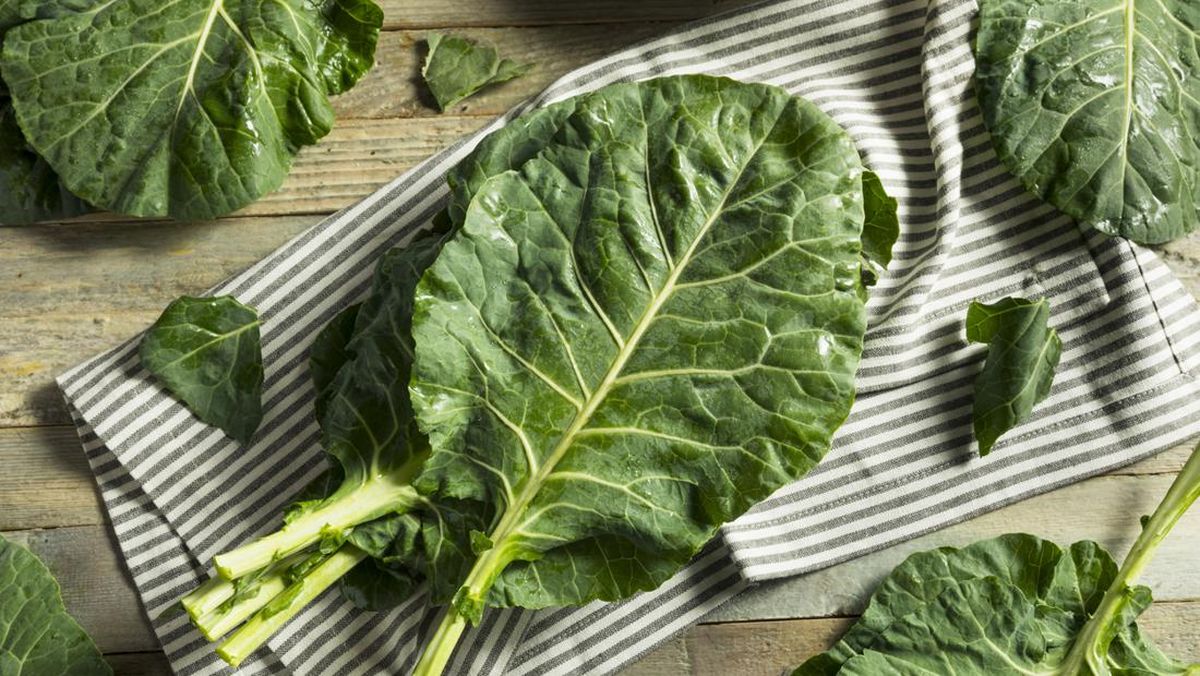
For leafy greens with a more robust texture, such as kale, collard greens, or spinach intended for cooking, as well as vegetables like broccoli, experts recommend a technique known as blanching. This method offers an additional layer of safety by briefly exposing the vegetables to high heat, effectively killing many surface microorganisms, while also helping to preserve their color and texture, particularly if they are to be frozen.
How to Blanch Leafy Greens:
- Prepare: Wash the greens thoroughly using the cold water method described above.
- Boil: Bring a large pot of water to a rolling boil.
- Submerge Briefly: Carefully immerse the greens into the boiling water for a short period, typically 1 to 2 minutes. The exact time depends on the type and thickness of the vegetable.
- Ice Bath: Immediately transfer the blanched greens into a bowl of ice water. This "shocking" process rapidly halts the cooking, preventing the vegetables from becoming mushy and helping them retain their vibrant color and crisp texture.
- Dry: Once cooled, drain the greens thoroughly and pat them dry. They are now ready for immediate consumption, further cooking, or freezing.
Martin Bucknavage, a food safety expert from Penn State University, highlights that blanching is a common procedure before freezing vegetables, specifically to maintain their quality and prevent them from becoming soft after thawing. He affirms, "Blanching also destroys germs, so it indeed has a sanitation function." However, it is crucial to note that this method is unsuitable for tender greens like delicate lettuces (e.g., butter lettuce, red leaf lettuce) or arugula, as the heat would compromise their crispness and delicate flavor, rendering them unpalatable.
The Peril of Chemical Cleaners:
A critical warning from food safety experts is the absolute prohibition of using soap, bleach, or any household cleaning agents to wash vegetables. These substances are not designed for human consumption and can be highly toxic. Their residues can easily absorb into the porous surfaces of leafy greens, posing severe health risks if ingested. While specialized "produce washes" are available, scientific evidence generally indicates that they are no more effective than plain cold water in removing bacteria and can sometimes leave an undesirable residue. Therefore, sticking to cold, running water remains the safest and most effective approach.
Broader Implications and Industry Responses
The persistent challenge of leafy green contamination has prompted a multi-faceted response from regulatory bodies, industry stakeholders, and public health organizations worldwide. Government agencies, such as the U.S. Food and Drug Administration (FDA), the European Food Safety Authority (EFSA), and Indonesia’s BPOM (Badan Pengawas Obat dan Makanan), continually update food safety guidelines and conduct surveillance to prevent and respond to outbreaks.
In the United States, the Food Safety Modernization Act (FSMA) represents a significant shift from reactive to proactive food safety measures, mandating stricter controls at farms and processing facilities. This includes regulations on agricultural water quality, worker hygiene, and traceability systems designed to quickly identify the source of contaminated produce during an outbreak, thereby minimizing its spread and impact.
The agricultural industry has also invested heavily in implementing Good Agricultural Practices (GAPs) and Good Manufacturing Practices (GMPs). These include rigorous water testing protocols, soil management strategies, and enhanced hygiene training for farm workers. Innovative farming methods, such as controlled environment agriculture (e.g., hydroponics and vertical farms), are also gaining traction as they can significantly reduce the risk of soil-borne and animal-borne contamination by growing produce in sterile, enclosed environments.
Economically, foodborne illness outbreaks linked to leafy greens carry a heavy toll. Beyond the human suffering and healthcare costs, producers face substantial financial losses from product recalls, damaged reputation, and potential lawsuits. These economic pressures provide a strong incentive for the industry to adopt the highest standards of food safety. Consumer education campaigns by public health bodies are also vital in empowering individuals with the knowledge and tools to protect themselves, reinforcing the message that safe food handling is a shared responsibility.
The Future of Leafy Green Safety: Innovation and Vigilance
The quest for safer leafy greens continues to drive innovation. Researchers are exploring advanced pathogen detection methods that can identify contaminants more rapidly and accurately. New sanitization technologies, such as ozone treatments, UV light, and electrolyzed water, are being developed and implemented in processing facilities to enhance microbial reduction without compromising produce quality. Blockchain technology is also emerging as a powerful tool for improving supply chain traceability, allowing for near real-time tracking of produce from farm to consumer.
Despite these advancements, the inherent biological characteristics of leafy greens—their large surface area, porous nature, and frequent raw consumption—mean that vigilance will always be paramount. Balancing sustainable agricultural practices with stringent food safety requirements remains a key challenge. Ultimately, while industry and regulatory efforts are crucial, the final line of defense rests with the consumer. Adopting the recommended washing techniques is not merely a suggestion; it is an indispensable practice that safeguards health, prevents illness, and ensures that the nutritional benefits of leafy green vegetables can be enjoyed without undue risk. The message is clear: thorough washing is not just a chore, but a critical component of a healthy and safe diet in the 21st century.