Rising Tides: Stroke Rates Nearly Double Among Younger Adults Over Three Decades, Comprehensive Study Reveals

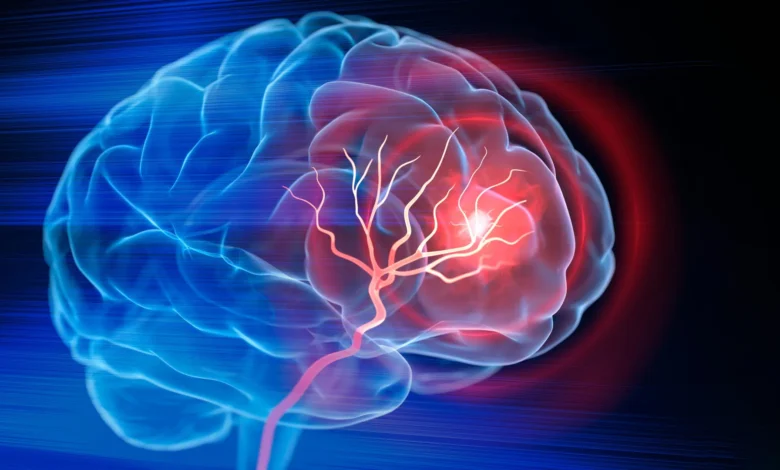
The long-held medical consensus that strokes are an affliction exclusively reserved for older populations is facing a stark and urgent challenge. A comprehensive, multi-decade epidemiological study has revealed that the incidence of strokes among adults aged 20 to 54 has nearly doubled over a span of 30 years. While modern medicine has successfully improved acute survival rates, the sheer volume of younger individuals experiencing cerebrovascular events signals an impending public health hurdle, forcing healthcare systems to reevaluate how they screen, treat, and support working-age populations.
The findings, published on September 23, 2026, in Neurology, the official medical journal of the American Academy of Neurology, shed light on a troubling upward trajectory within the Greater Cincinnati and Northern Kentucky region. Although the medical community has made significant strides in keeping patients alive immediately following a cerebrovascular event, the ballooning case numbers mean that a larger cohort of young adults is entering their prime earning and family-raising years burdened with permanent neurological impairments.
Dr. Emily R. Fisher of the University of Cincinnati, the lead author of the study, emphasized the dual nature of these findings. While stroke has traditionally been considered a disease of older adults, our findings show that stroke is becoming increasingly common in younger adults. At the same time, more people are surviving these strokes, which means more younger adults may be living with the long-term effects of stroke. This duality shifts the clinical focus from mere mortality reduction to long-term rehabilitation and chronic disease management.
A Three-Decade Retrospective: Tracking the Shift
To understand the evolving nature of stroke epidemiology, researchers embarked on an extensive review of medical records spanning nearly three decades. Focusing on the Greater Cincinnati and Northern Kentucky geographic areas, the investigative team analyzed data collected continuously between 1993 and 2020.
During this exhaustive tracking period, researchers identified 2,076 individuals aged 20 to 54 who experienced their first-ever stroke. To accurately gauge the risk over time, the study utilized person-years—a standard statistical metric that accounts for both the total number of individuals under observation and the precise duration of time they were monitored. This methodological approach allows for reliable comparisons of disease frequency across distinct temporal windows.
The resultant data revealed an unmistakable and striking surge. During the 1993-1994 observation window, the baseline stroke rate among adults in this younger age bracket stood at 33.9 cases per 100,000 person-years. By the year 2020, that figure had climbed dramatically to 62.2 cases per 100,000 person-years. This represents an alarming overall increase of approximately 83 percent over the course of the study.
Ischemic Strokes Drive the Epidemic
A closer examination of the data demonstrates that the sweeping rise was not distributed uniformly across all stroke classifications. Instead, the epidemiological spike was heavily concentrated within a single, highly prevalent category: ischemic strokes.
An ischemic stroke occurs when a cerebral blood vessel becomes occluded—typically by a blood clot—thereby cutting off the vital supply of oxygen and glucose-rich blood to surrounding brain tissue. Without this continuous perfusion, delicate neurons begin to suffer irreversible damage within minutes.
Among the cohort of younger adults studied, the incidence of ischemic strokes escalated sharply from 23.8 cases per 100,000 person-years in 1993-1994 to 47.3 cases per 100,000 person-years by 2020. This trajectory effectively mirrors the doubling trend observed in the aggregate data.
Conversely, hemorrhagic stroke subtypes did not follow this aggressive upward pattern. The study documented no statistically comparable increases in intracerebral hemorrhage—characterized by direct bleeding into the brain parenchyma—or in subarachnoid hemorrhage, which involves bleeding in the fluid-filled space between the brain and its surrounding membrane. The disproportionate surge in ischemic events points directly toward shifts in vascular health, lifestyle behaviors, and systemic metabolic factors unique to modern younger populations.
Shifting Risk Profiles and Emerging Exposures
In parallel with tracking clinical event rates, the research team analyzed the underlying health profiles, comorbidities, and behavioral histories of the study participants. Over the three decades covered by the analysis, several well-established cardiovascular risk factors became noticeably more prevalent among younger adults presenting with strokes. These included chronic hypertension, type 2 diabetes mellitus, and cardiac arrhythmias such as atrial fibrillation.
Atrial fibrillation, a condition characterized by an irregular and often rapid heartbeat, disrupts normal blood flow through the heart chambers, creating an environment where clots can easily form. If one of these cardiac clots dislodges and travels through the arterial system to the brain, it can instantly precipitate a severe ischemic stroke.
Perhaps one of the most pronounced epidemiological shifts observed in the study involved documented substance use. In the baseline 1993-1994 window, only 4.6 percent of younger stroke patients had clinical documentation of substance use. By 2020, that proportion had skyrocketed to 40.2 percent. Researchers noted that a substantial portion of this dramatic increase was associated with the use of cannabis and other recreational substances.
Despite these correlations, the study authors exercise caution when attributing causation. Because the investigation lacked a control group of healthy individuals who did not experience strokes, researchers could not definitively calculate the precise degree to which these emerging risk factors drove the overall surge in stroke rates. Nonetheless, the statistical alignment between rising substance use, metabolic disorders, and vascular events provides a clear roadmap for future targeted investigations.
Survival Rates Improve, but Long-Term Challenges Mount
Amidst the concerning epidemiological trends, the study delivered notable positive news regarding acute clinical care: younger adults who experience strokes today possess a significantly higher probability of survival than their counterparts did thirty years ago.
By adjusting for confounding variables such as age, sex, and racial demographics, the research team determined that the proportion of patients who succumbed to their strokes within 30 days of the event dropped from 11.7 percent in 1993-1994 down to 9.4 percent in 2020. This survival advantage was particularly pronounced among patients who suffered hemorrhagic events—specifically intracerebral and subarachnoid hemorrhages—which historically carried exceptionally high short-term mortality rates.
Medical historians and neurologists attribute these improvements to rapid advancements in acute stroke care. The intervening decades have witnessed the widespread establishment of specialized stroke centers, faster emergency medical service (EMS) triage protocols, the broader utilization of clot-busting thrombolytic therapies (such as tissue plasminogen activator), and the evolution of minimally invasive endovascular mechanical thrombectomy, which allows physicians to physically retrieve clots from blocked cerebral arteries.
However, healthcare professionals emphasize that surviving a stroke is merely the first hurdle in a complex recovery journey. Depending on the anatomical location, size, and severity of the ischemic or hemorrhagic injury, stroke survivors frequently grapple with long-lasting or permanent deficits. These can manifest as motor impairment, hemiparesis, aphasia or other speech disturbances, cognitive processing delays, and memory loss.
Because these events are now striking individuals in their twenties, thirties, and forties, the societal and economic ramifications are profound. Survivors face decades of navigating rehabilitation, coping with disability, and managing diminished earning potential, placing an extended burden on family caregivers and healthcare infrastructures alike.
Broader Implications and the Call for Early Intervention
The publication of these findings serves as an urgent wake-up call for primary care providers, public health agencies, and policy makers. Historically, routine cardiovascular screenings—such as blood pressure monitoring, cholesterol panels, and diabetes testing—have been heavily concentrated on middle-aged and older demographics. The steady influx of stroke victims under the age of 55 argues compellingly for a paradigm shift toward earlier preventative health interventions.
Our findings highlight the importance of identifying and managing stroke risk factors early in adulthood, Dr. Fisher reiterated. Additional research is needed to better understand what is driving these trends and how they can be reversed.
While the data provides robust insights into a specific geographic corridor through the Greater Cincinnati/Northern Kentucky Stroke Study, researchers acknowledge certain limitations inherent in regional analyses. They emphasize that further, nationwide investigations are urgently required to determine whether these exact trajectories are mirrored across diverse populations and broader geographic boundaries. Furthermore, isolating the exact biochemical and behavioral catalysts behind the rise in ischemic strokes among youth remains a top priority for vascular neurologists.
Ultimately, the steady climb in young adult stroke rates reframes a condition once viewed exclusively as a byproduct of advanced age. As medical science continues to excel at saving lives in the immediate aftermath of a cerebral vascular event, society must concurrently confront the underlying lifestyle, metabolic, and environmental pressures fueling this modern health challenge, ensuring that younger generations are equipped with the knowledge and preventative care necessary to protect their long-term neurological health.