Unlocking the Hidden Triggers of Heart Disease: Chalmers University Researchers Reveal Why Lowering Cholesterol Is Not Always Enough

Cardiovascular disease remains the leading cause of mortality worldwide, responsible for claiming an estimated 17.9 million lives each year according to the World Health Organization, with heart attacks and strokes accounting for more than 80 percent of these fatalities. For decades, modern medicine has heavily relied on reducing low-density lipoprotein (LDL) cholesterol—widely referred to as "bad cholesterol"—as the primary defense against coronary heart disease. However, a significant medical mystery has continued to baffle cardiologists and researchers: a substantial number of patients still experience cardiovascular events and develop progressive heart disease even after successfully lowering their LDL cholesterol levels to targeted, recommended ranges.
To confront this persistent medical puzzle, an international team of researchers led by scientists at Chalmers University of Technology in Sweden has uncovered groundbreaking clues regarding the biological mechanisms that drive cardiovascular damage beyond simple cholesterol accumulation. Their recent study, published in the prestigious European Heart Journal under the title "Apolipoprotein B-containing lipoproteins: distinct roles in atherosclerosis revealed by plasma proteomic profiling," sheds light on how other specialized fat-carrying particles in the bloodstream contribute to arterial damage. By utilizing advanced proteomics analysis to map blood proteins associated with different lipoproteins, the research team has opened new avenues for targeted cardiovascular prevention that could eventually reshape how physicians assess and treat residual heart disease risk.
The Evolution of Cholesterol Understanding and Modern Treatment Gaps
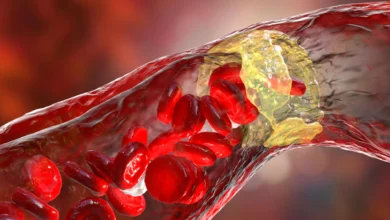
To fully grasp the significance of the Chalmers University study, it is essential to examine the historical and biological framework of cardiovascular research. For over half a century, medical science has recognized atherosclerosis—the hardening and narrowing of arteries due to the buildup of fatty plaques—as the central driver of coronary heart disease. These plaques are primarily formed when cholesterol-laden particles circulate through the bloodstream, penetrate the endothelial lining of blood vessels, and become trapped in the arterial walls.
Because lipids such as cholesterol and triglycerides are insoluble in blood, they must be transported by specialized proteins and fat complexes known as lipoproteins. Among these, particles containing the structural surface protein apolipoprotein B (apoB) have been identified as the chief culprits in atherogenesis. Traditionally, clinical diagnostics have focused heavily on LDL cholesterol measurements, reflecting the sheer volume of cholesterol carried by low-density lipoproteins. Pharmaceutical interventions, most notably statins, were subsequently developed to inhibit cholesterol synthesis in the liver, drastically lowering circulating LDL levels and saving countless lives.
Despite these monumental pharmacological triumphs, clinical trials consistently demonstrated a persistent "residual risk." Even when patients achieve optimal LDL cholesterol levels through intensive statin therapy or lifestyle modifications, a subset of these individuals continues to suffer from cardiovascular events. Cardiologists and lipidologists long suspected that other apoB-containing lipoproteins—specifically triglyceride-rich lipoproteins (TRL) and lipoprotein(a) or Lp(a)—played an underappreciated role in this remaining danger. However, the exact molecular pathways through which these alternative particles inflicted vascular damage remained poorly understood until the advent of high-throughput proteomics.
Chronology and Methodology: Unpacking the Proteomic Approach
The journey toward these recent findings began several years ago as part of an ongoing effort by the Chalmers research group to refine cardiovascular risk prediction. In an earlier foundational study, the team demonstrated that counting total harmful lipoprotein particles was significantly more effective at predicting future heart disease risk than measuring cholesterol concentration alone. Building upon this realization, the researchers sought to understand the distinct biological activities of different lipoprotein classes rather than merely tracking the cargo they carried.
To achieve this, the investigators designed a comprehensive proteomic investigation. Proteomics involves the large-scale, systematic measurement and analysis of proteins within cells, tissues, or biofluids at a given moment. Unlike genomics, which evaluates an individual’s relatively static genetic code, proteomics captures the dynamic state of proteins, which constantly fluctuate in response to environmental factors, diet, stress, aging, and disease progression.
In the newly published study, researchers analyzed blood plasma samples from large cohorts, cross-referencing measurements of nearly 3,000 distinct proteins with participants’ genetic profiles and long-term health records. The analytical pipeline focused on three primary apoB-containing lipoprotein classes: low-density lipoproteins (LDL), triglyceride-rich lipoproteins (TRL)—which primarily reflect liver-produced VLDL particles and their metabolic remnants—and lipoprotein(a), an LDL-like particle characterized by an additional attached protein known as apolipoprotein(a). By mapping the protein signatures tied to each of these three particle types, the scientific team was able to untangle how each particle interacts with the human vascular system at a molecular level.
Key Findings: Shared Inflammatory Pathways and Distinct Mechanisms
The proteomic profiling revealed striking and previously unrecognized distinctions in how LDL, TRL, and Lp(a) interact with the body’s vascular and immune systems. While all three particle types are fully capable of contributing to the physical accumulation of cholesterol inside arterial walls, their associated blood protein patterns told a much more complex story.
One of the most significant discoveries centers on the profound molecular similarities between TRL and Lp(a). Although these are structurally distinct particles—with TRL managing energy-delivering triglycerides alongside cholesterol, and Lp(a) possessing its unique surface protein—their associated blood protein profiles exhibited substantial overlap. Furthermore, these overlapping protein patterns correlated strongly with the subsequent development of heart disease in the study populations.
Further analysis indicated that the proteins carried by TRL and Lp(a) possessed functional capabilities capable of actively recruiting immune cells, thereby driving inflammatory responses and inducing structural remodeling within blood vessel walls. This revelation suggests that TRL and Lp(a) do not merely act as passive cholesterol delivery vehicles; rather, they actively participate in the inflammatory and vascular processes that accelerate atherosclerosis.
In sharp contrast, the protein patterns associated with LDL particles displayed a different functional profile. LDL-related proteins were primarily and predominantly connected to straightforward cholesterol deposition within artery walls. This fundamental divergence highlights why lowering LDL alone fails to completely neutralize cardiovascular risk; it addresses the physical buildup of plaque but leaves the inflammatory and vascular pathways driven by TRL and Lp(a) unchecked.
Expert Perspectives and Official Insights
Reflecting on the motivations behind the study, lead author and Chalmers postdoctoral fellow Jakub Morze emphasized the necessity of looking beyond traditional lipid metrics. "For this study, we wanted to understand what happens beyond the accumulation of cholesterol in artery walls, whether different fat-carrying particles can damage the blood vessels differently, and why the remaining risk of heart disease still occurs," Morze stated.
Highlighting the specific breakthrough regarding TRL and Lp(a), Morze added, "The overlap for TRL and Lp(a) is one of the most interesting findings. It suggests that these particles may affect some of the same inflammatory and vascular processes. This could help identify targets for more precisely directed prevention in the future."
Dr. Clemens Wittenbecher, Assistant Professor of Precision Medicine and Diagnostics at Chalmers University of Technology and senior leader of the research project, contextualized the findings within the broader landscape of modern cardiology. While validating current medical standards, Wittenbecher pointed toward the horizon of precision medicine. "Lowering LDL cholesterol remains a cornerstone of prevention," Wittenbecher affirmed. "Our findings point to biological processes that may help explain some of the risk that remains beyond LDL. The next step is to establish whether measuring or targeting these processes can improve prevention alongside existing treatments."
Global Implications and Future Directions for Cardiovascular Medicine
The implications of this research extend far into the future of clinical practice, pharmaceutical development, and personalized healthcare. Cardiovascular disease continues to impose an immense human and economic toll globally, making any advancement in risk stratification and prevention of paramount importance.
It is important to note that the Chalmers study did not immediately introduce a new blood test ready for routine clinical deployment, nor did it evaluate a finished therapeutic drug. Proteomic profiling on this scale serves as a foundational discovery phase. Before these insights translate into doctor’s offices, subsequent clinical trials and validation studies must confirm whether targeted interventions against TRL and Lp(a)-associated inflammatory pathways can successfully reduce clinical heart attack and stroke rates.
Nevertheless, the path forward is becoming increasingly clear. As precision medicine evolves, future cardiovascular care will likely move beyond a universal focus on LDL cholesterol. By integrating comprehensive proteomic panels that account for the complex inflammatory and vascular behaviors of TRL, Lp(a), and other blood proteins, healthcare providers may soon be equipped to offer highly personalized preventive strategies. Ultimately, bridging the gap between cholesterol management and inflammatory vascular protection could unlock the next great leap in preserving human cardiovascular health and saving millions of lives worldwide.