New KFF Survey Reveals Deep-Seated Financial and Access Barriers for Millions of Americans Managing Serious and Chronic Health Conditions

The landscape of American healthcare is defined by a persistent paradox: while medical advancements continue to extend and improve lives, the financial and administrative mechanisms required to access this care are increasingly pushing patients to the brink. According to comprehensive new findings from the KFF Survey of Health Access and Caregiving, millions of U.S. adults grappling with serious, complex, or multiple chronic conditions are facing severe hurdles. These barriers manifest not only as insurmountable medical debt and compromised treatment adherence, but also as direct threats to their long-term health outcomes and financial security.
The nationwide study, conducted between May 4 and May 26, 2026, illuminates a pervasive economic anxiety that cuts across demographic lines, insurance statuses, and age groups. While national political discourse has frequently fixated on macroeconomic indicators, public opinion polling consistently reveals that the everyday cost of healthcare remains the single largest economic worry for American households. The new KFF data bridges a critical historical gap in public health research by moving beyond generalized polling to examine the granular, day-to-day realities of individuals navigating specific, high-burden illnesses such as cancer, cardiovascular disease, diabetes, chronic lung diseases, and mental health conditions.
Methodological Rigor and Scope of the Study
To capture an accurate and statistically robust picture of the American patient experience, the KFF Survey of Health Access and Caregiving utilized the SSRS Opinion Panel Mega-Omnibus, gathering responses from a nationally representative sample of 25,873 U.S. adults. Out of this total pool, 16,677 respondents reported receiving active medical treatment or taking prescription medications for at least one serious health condition within the past year.
The dataset provides unprecedented visibility into specific disease cohorts, including 3,781 adults treated for mental health conditions, 2,951 managing diabetes, 2,309 receiving care for asthma, emphysema, or other lung diseases, 1,575 being treated for cardiovascular disease, and 831 cancer patients. Furthermore, the survey distinguishes between those managing isolated conditions and the approximately 24 percent of the total adult population—roughly one in four Americans—who are juggling three or more concurrent health conditions. By cross-referencing these cohorts with variables such as age, race, gender, and insurance type, the research constructs a detailed matrix of vulnerability within the modern American healthcare ecosystem.
The Working-Age Crisis: Access and Affordability for Adults Ages 18 to 64
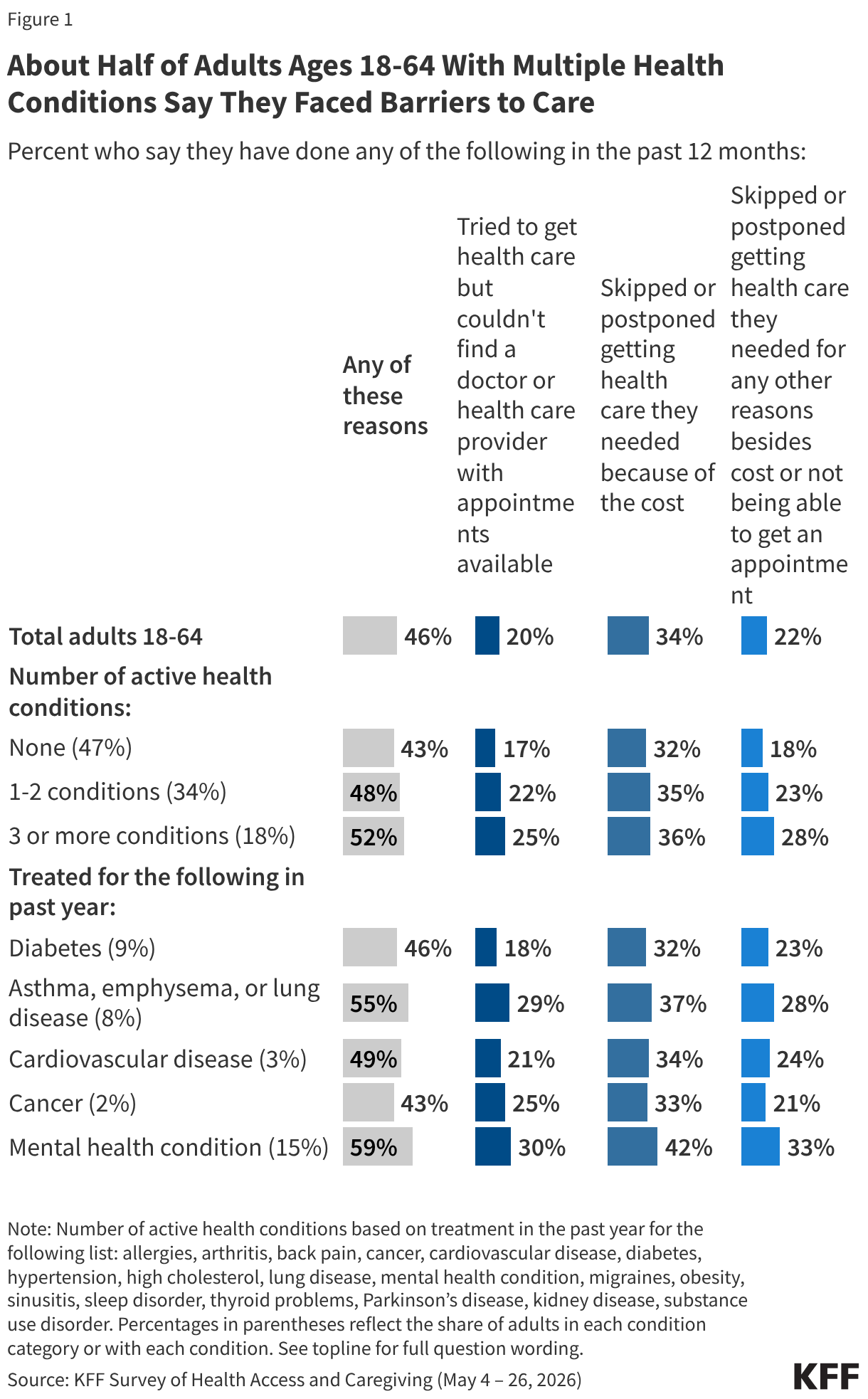
For working-age adults between the ages of 18 and 64, the burden of managing complex healthcare needs is particularly acute. Approximately 18 percent of adults in this age bracket are managing three or more active health conditions, while 15 percent have sought treatment for mental health conditions, 9 percent for diabetes, and 8 percent for chronic respiratory illnesses.
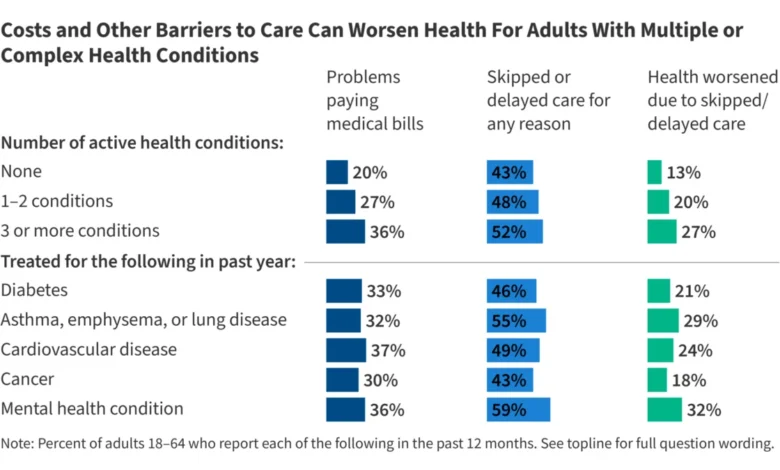
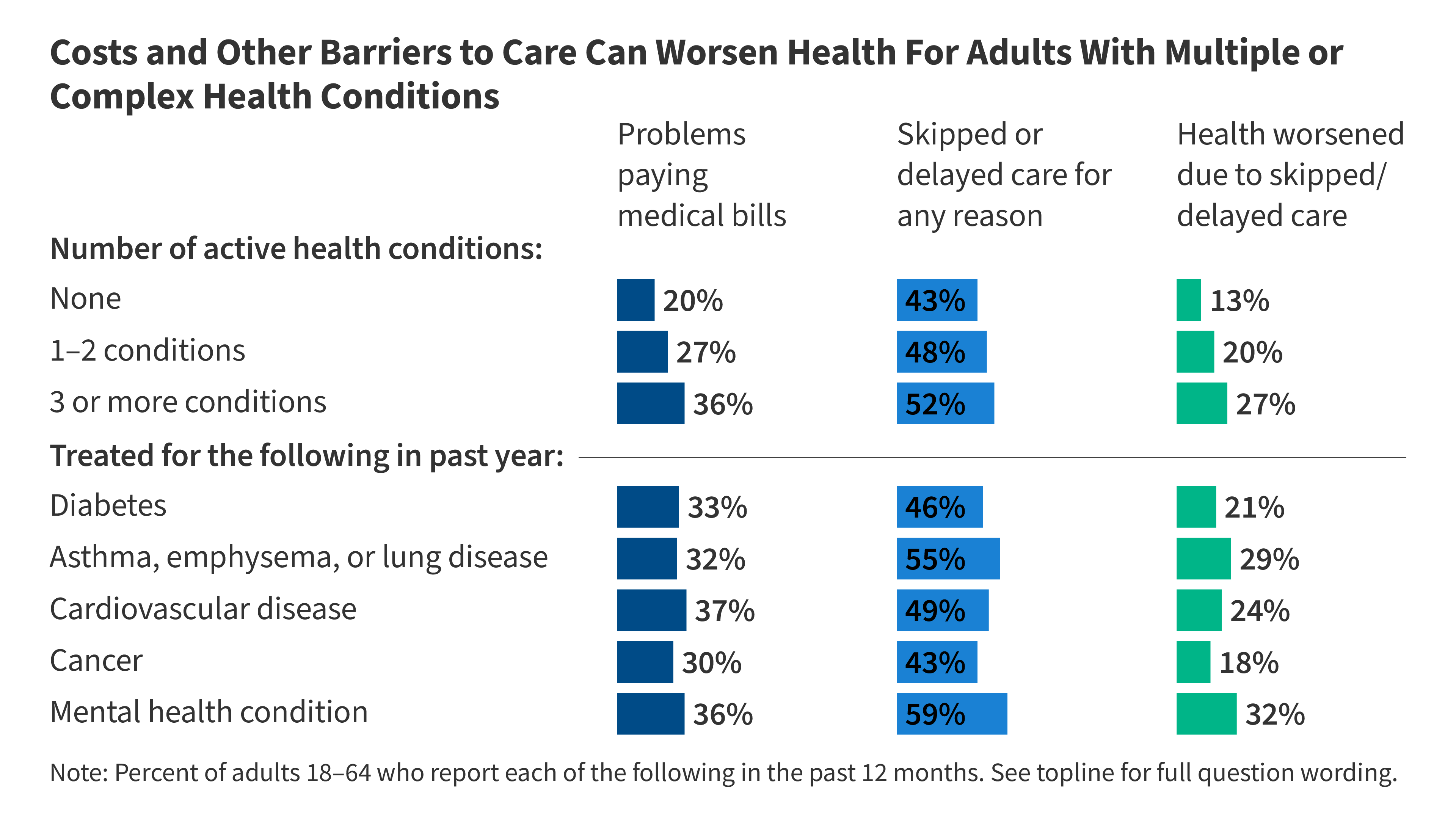
Despite having higher rates of insurance coverage compared to historical baselines, these working-age individuals report staggering rates of forgone care. Approximately half (52 percent) of adults aged 18 to 64 with three or more health conditions—and similar shares of those treated for lung disease and cardiovascular disease—report failing to receive necessary medical care in the past year. For those receiving treatment for mental health conditions, that figure climbs to an alarming 59 percent.
When queried about the specific drivers behind these missed interventions, cost emerges as the primary deterrent. Among working-age adults with multiple conditions, more than a third (36 percent) skipped or delayed care due to financial constraints. Administrative bottlenecks also play a major role, with 25 percent reporting they were unable to find a provider with available appointments, and 28 percent citing other logistical hurdles.
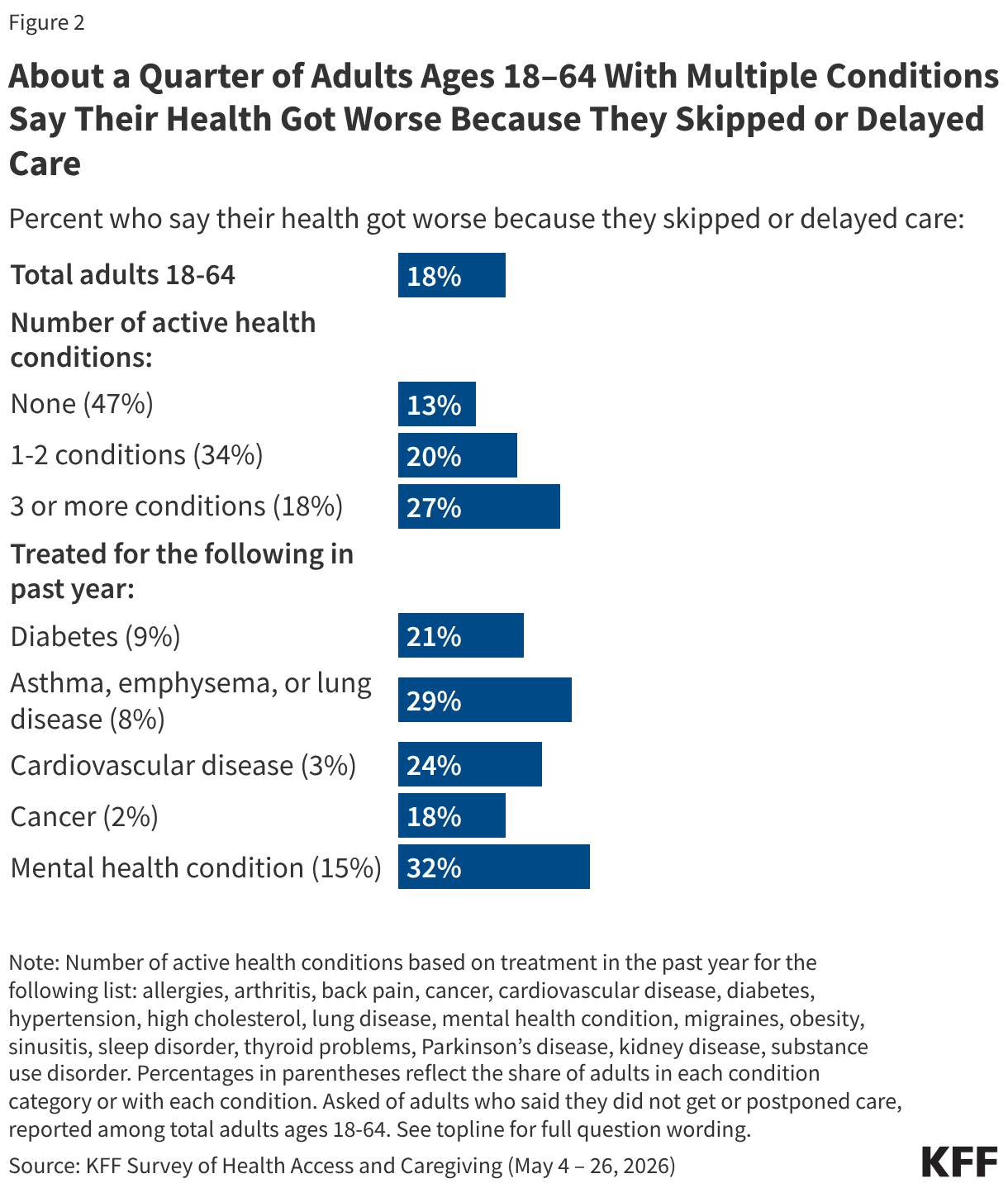
The clinical consequences of these cost- and access-driven delays are profound. Roughly 27 percent of working-age adults managing three or more health conditions report that their physical or mental health actively deteriorated as a result of postponing care—a rate twice as high as that observed among relatively healthy adults with no active conditions. Among those treated for mental health conditions or respiratory illnesses, approximately 30 percent suffered a measurable worsening of their health due to delayed interventions. Public health experts emphasize that such delays frequently convert manageable, chronic conditions into acute medical emergencies that require far more extensive, resource-intensive interventions down the line.
Prescription Non-Adherence and Household Financial Strain
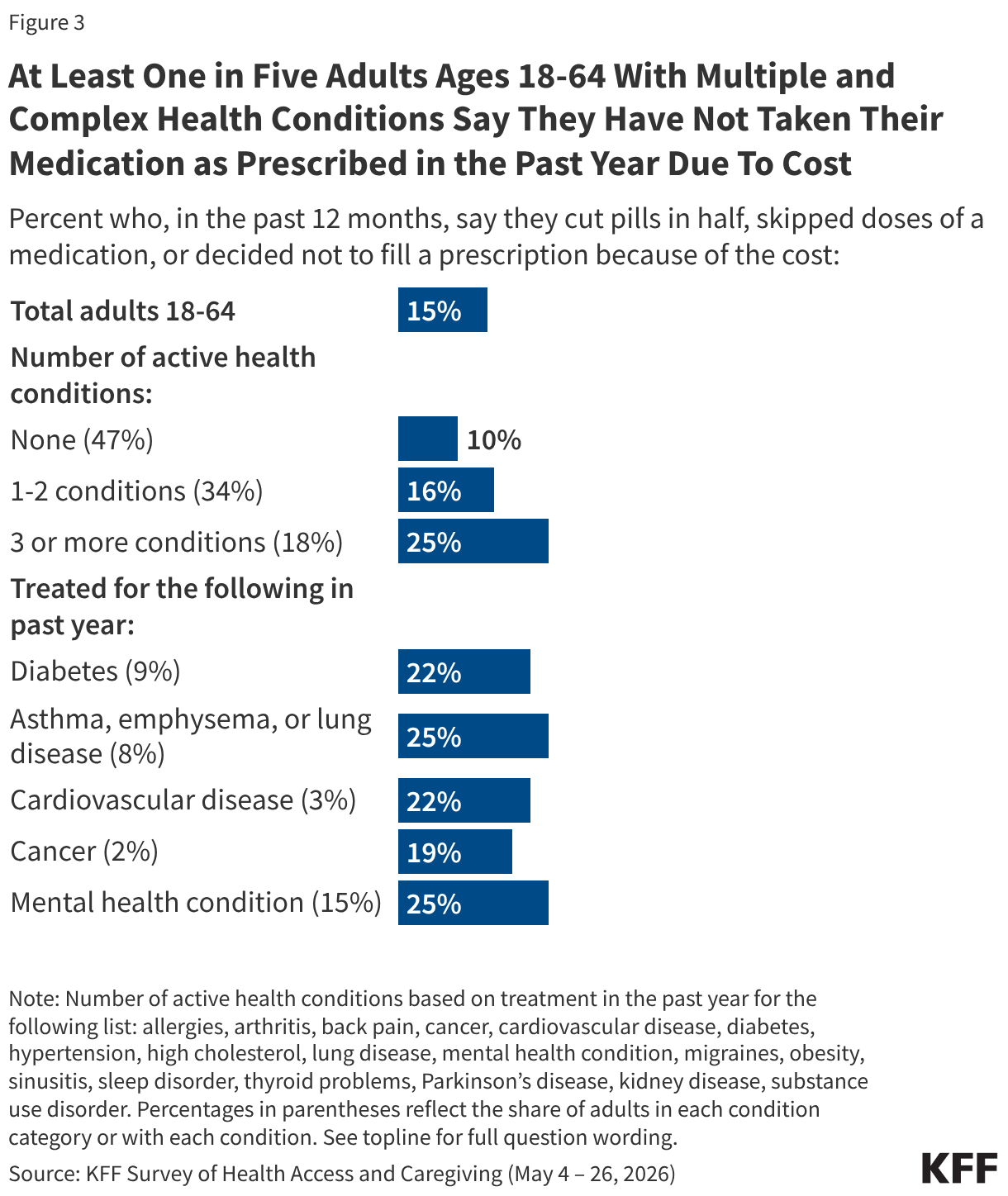
The financial toxicity of chronic disease management extends directly into the nation’s pharmacies. One-quarter of working-age adults with multiple health conditions, lung disease, or mental health conditions admit to intentionally non-adherent behavior, such as cutting pills in half, skipping doses, or failing to fill prescriptions altogether because they simply could not afford them. Even among patients battling life-threatening diagnoses such as cancer or cardiovascular disease, approximately one in five report rationing their prescribed medications due to cost.
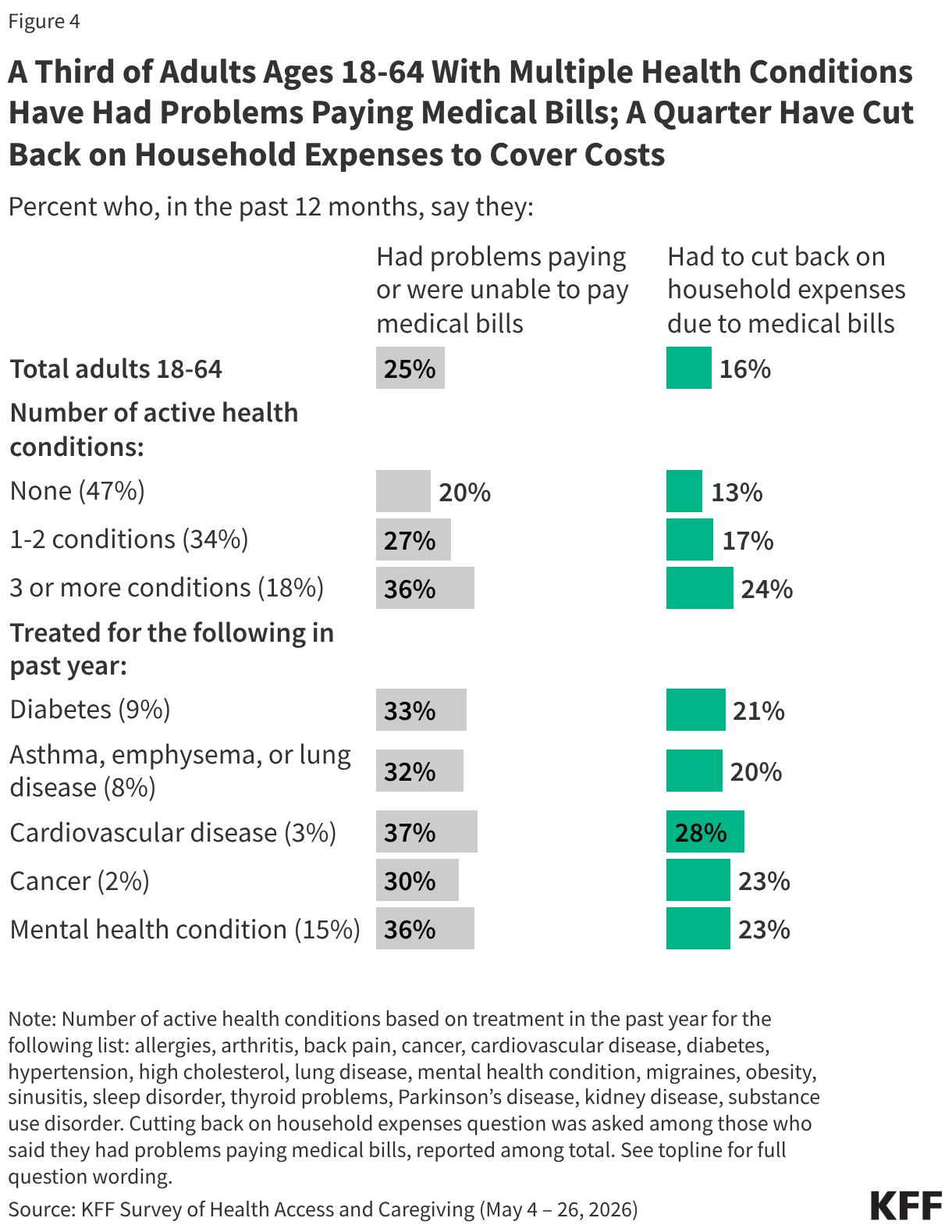
This constant financial pressure cascades into broader household instability. Roughly 36 percent of adults aged 18 to 64 with three or more health conditions report struggling to pay medical bills over the past year, while 24 percent have been forced to cut back on fundamental household necessities—including food, clothing, and basic utilities—just to service their healthcare debts. These rates are nearly double those reported by individuals without complex health profiles.
Administrative Obstacles: The Reality of Insurance Delays and Denials
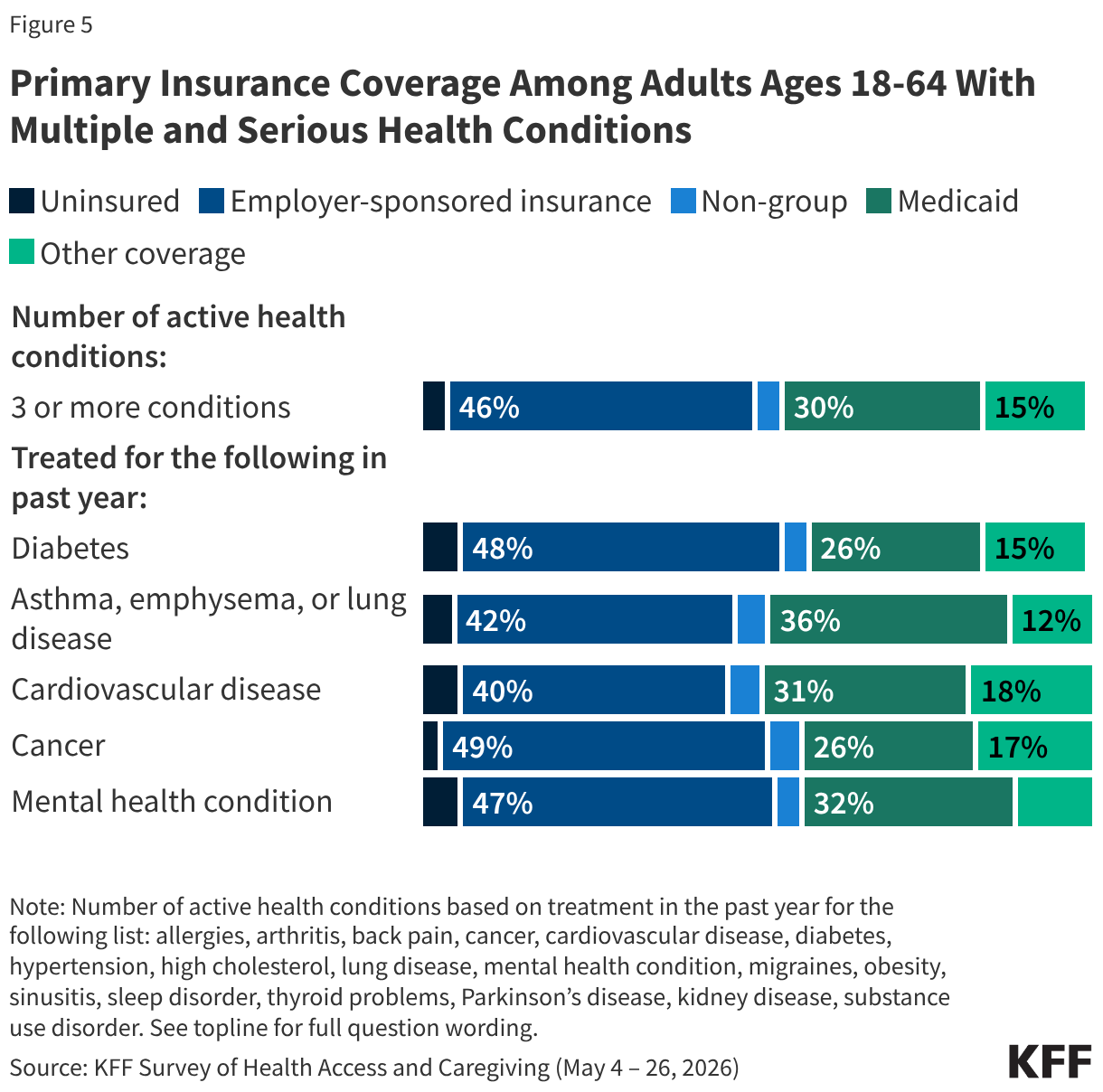
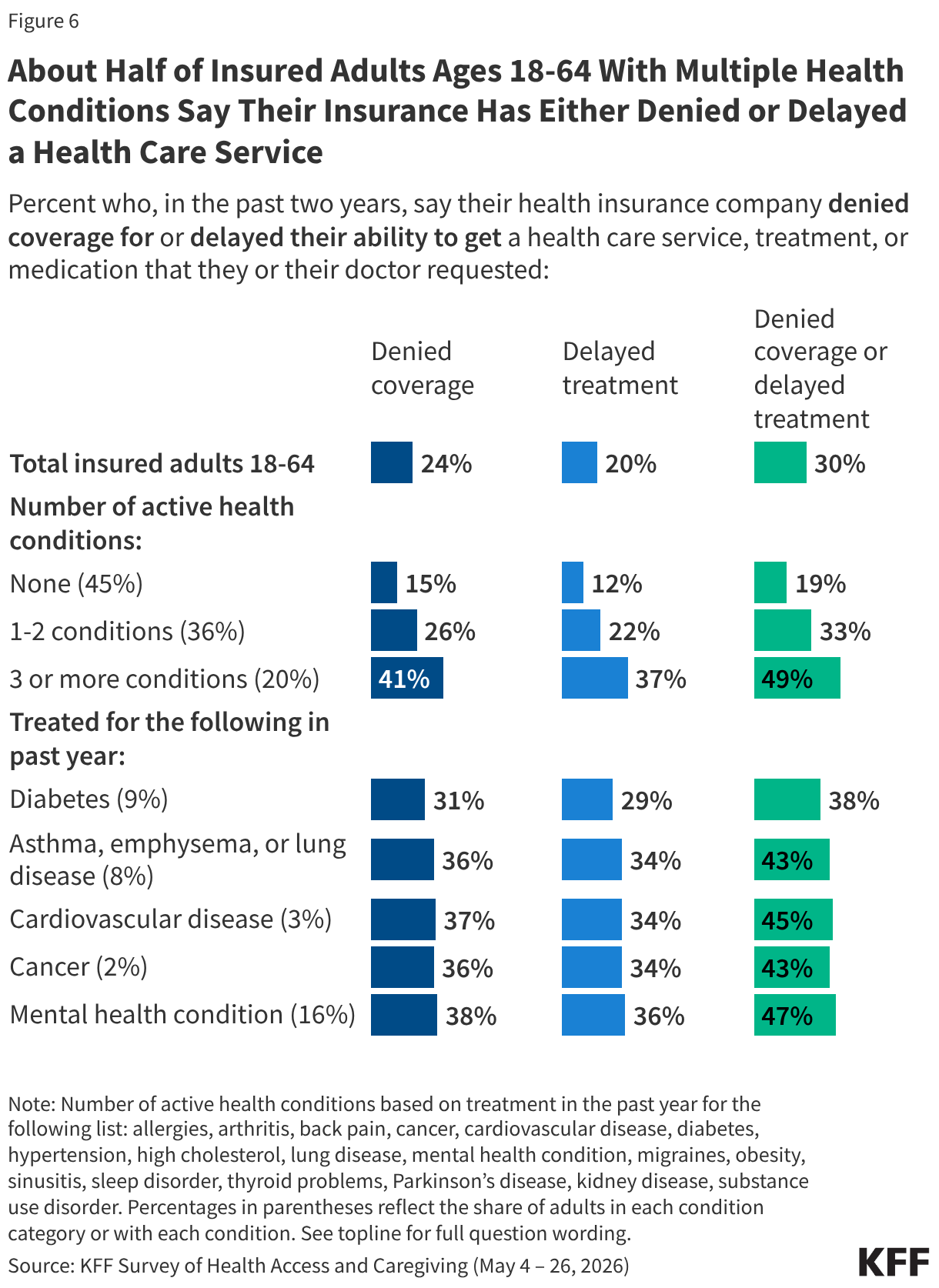
Navigating health insurance coverage provides little immunity against these systemic frustrations. Among insured working-age adults with multiple health conditions, nearly half (49 percent) report that their health insurance provider either denied coverage or delayed their ability to access a medical service, treatment, or prescription drug prescribed by their physician over the past two years. Specifically, 41 percent experienced outright coverage denials for necessary treatments, while 37 percent faced bureaucratic delays.
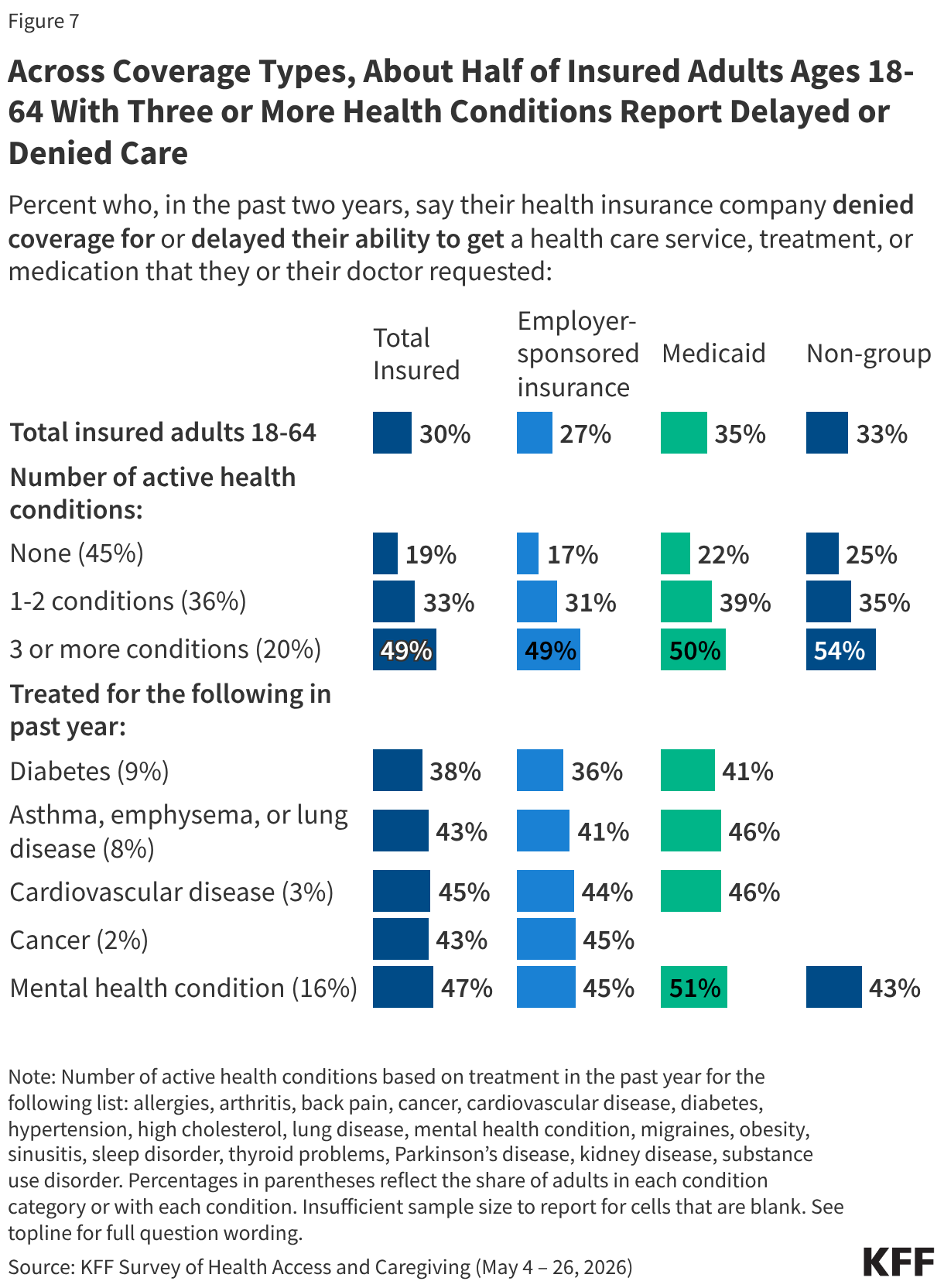
Crucially, these administrative roadblocks are not isolated to a single sector of the insurance market. Approximately 49 percent of adults with employer-sponsored health plans and 50 percent of those enrolled in Medicaid report experiencing coverage delays or denials. For those purchasing non-group plans on individual marketplaces, the figure rises to 54 percent. Whether navigating private managed care or public safety-net programs, insured patients with complex needs routinely find themselves fighting administrative friction to secure approved therapies.
The Multiplied Vulnerabilities of the Uninsured Population
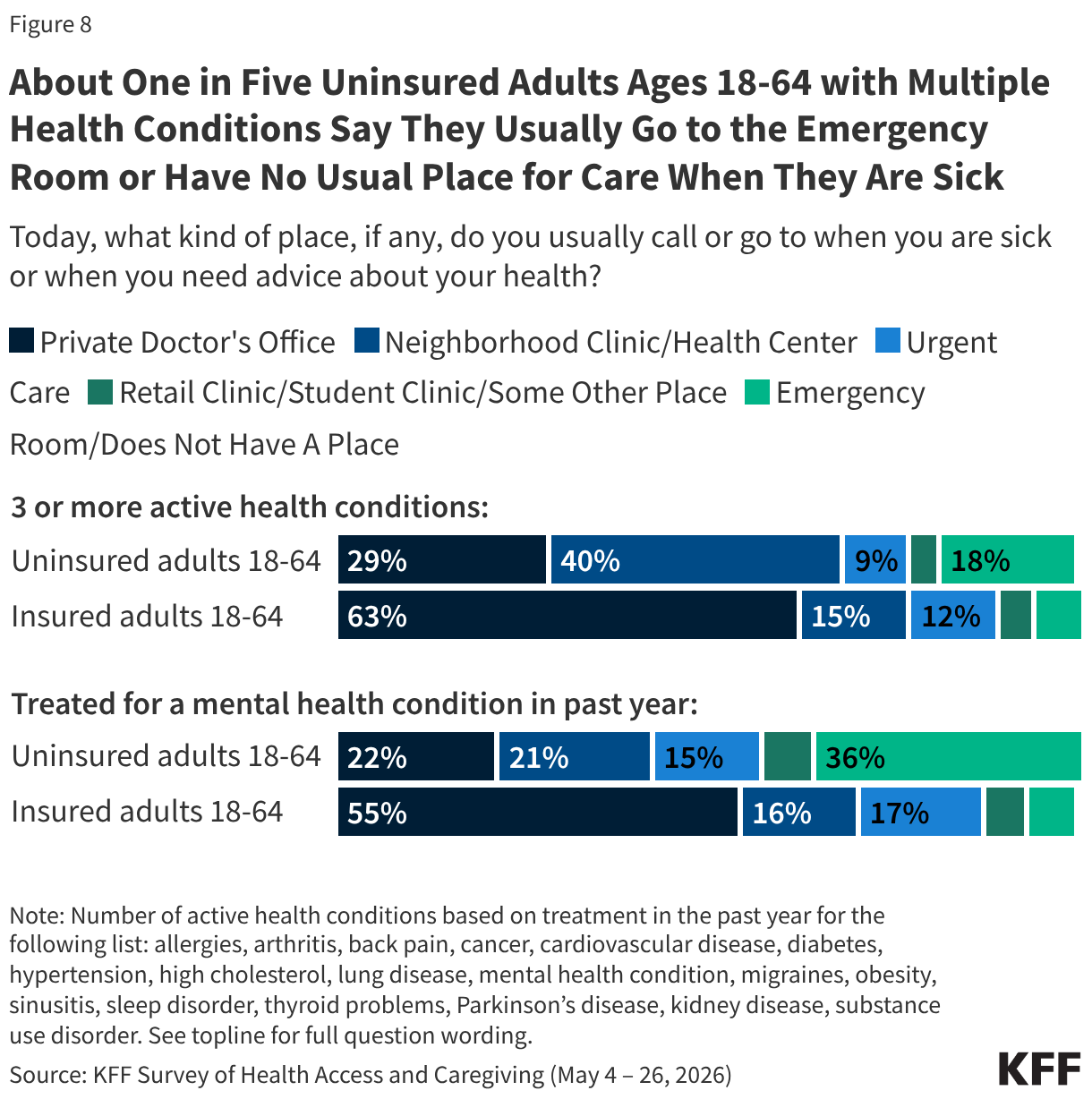
While insured patients face significant hurdles, the approximately 10 percent of working-age adults who remain uninsured confront a far more precarious reality. Within this uninsured demographic, those managing multiple health conditions experience amplified vulnerabilities across every measured metric.
Uninsured adults with three or more health conditions are three times as likely as their insured peers to lack a primary, consistent source of care outside of an emergency room (18 percent versus 6 percent). When they do seek guidance, they are far more likely to rely on neighborhood health clinics or emergency departments rather than private physician practices.
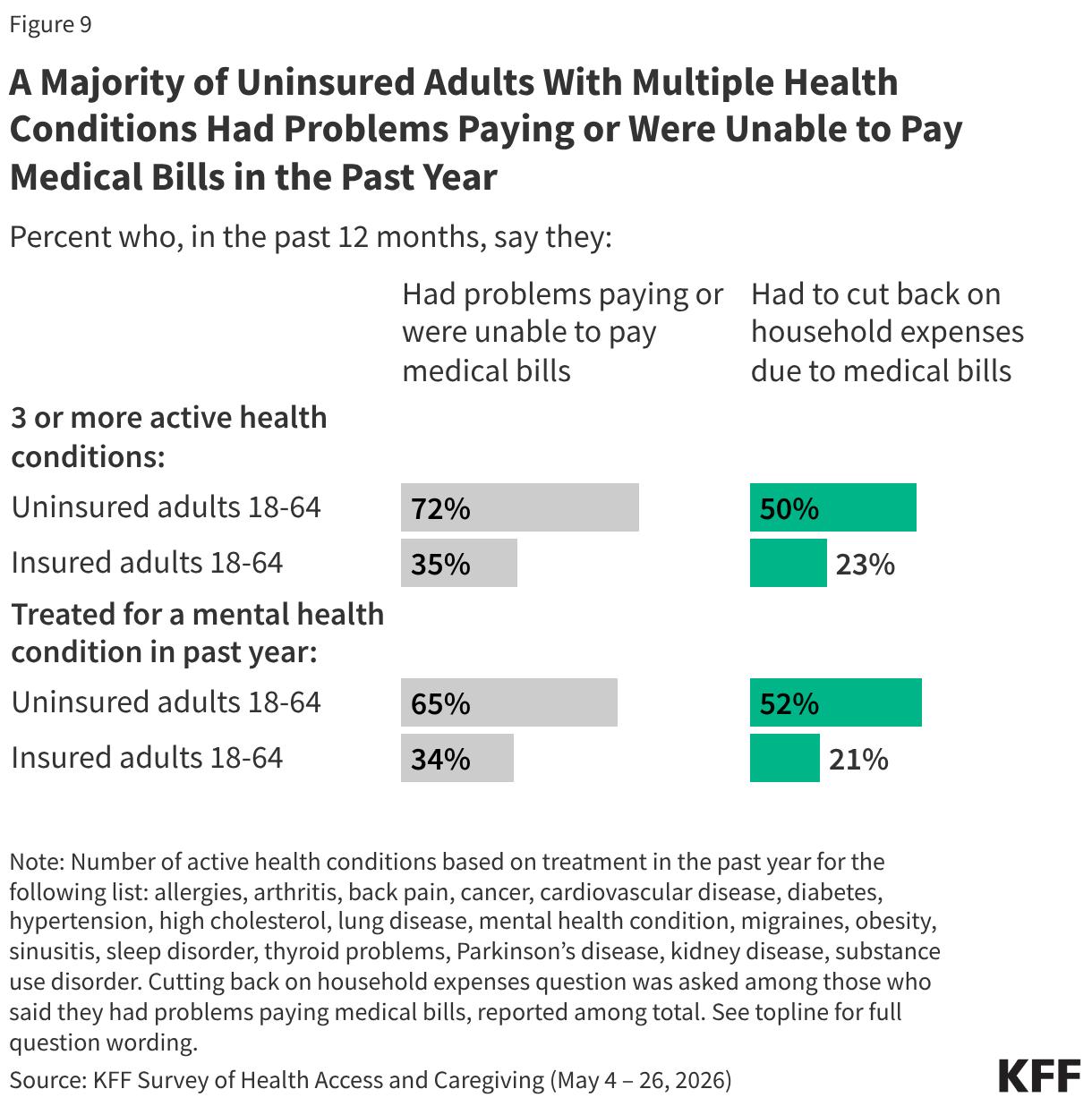
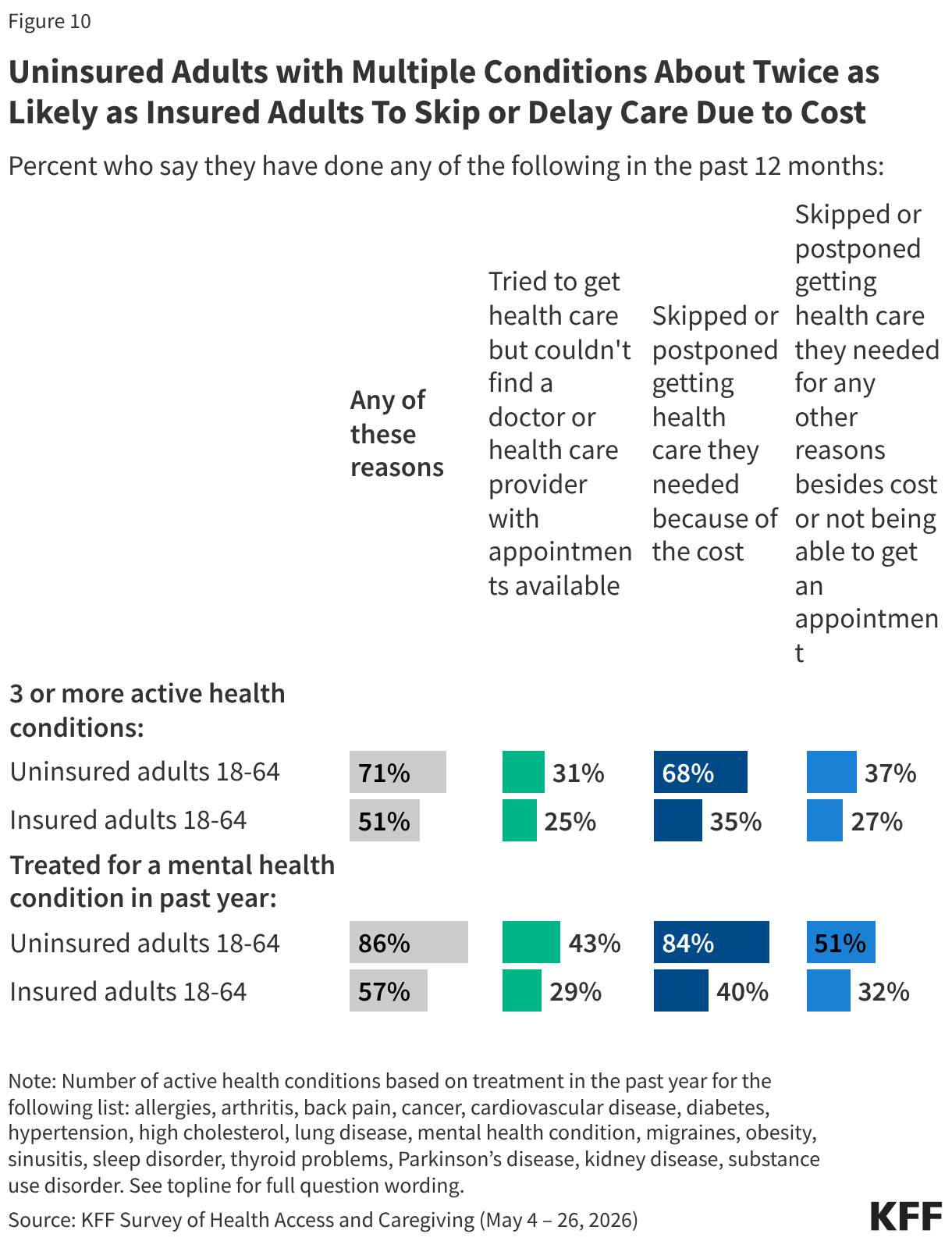
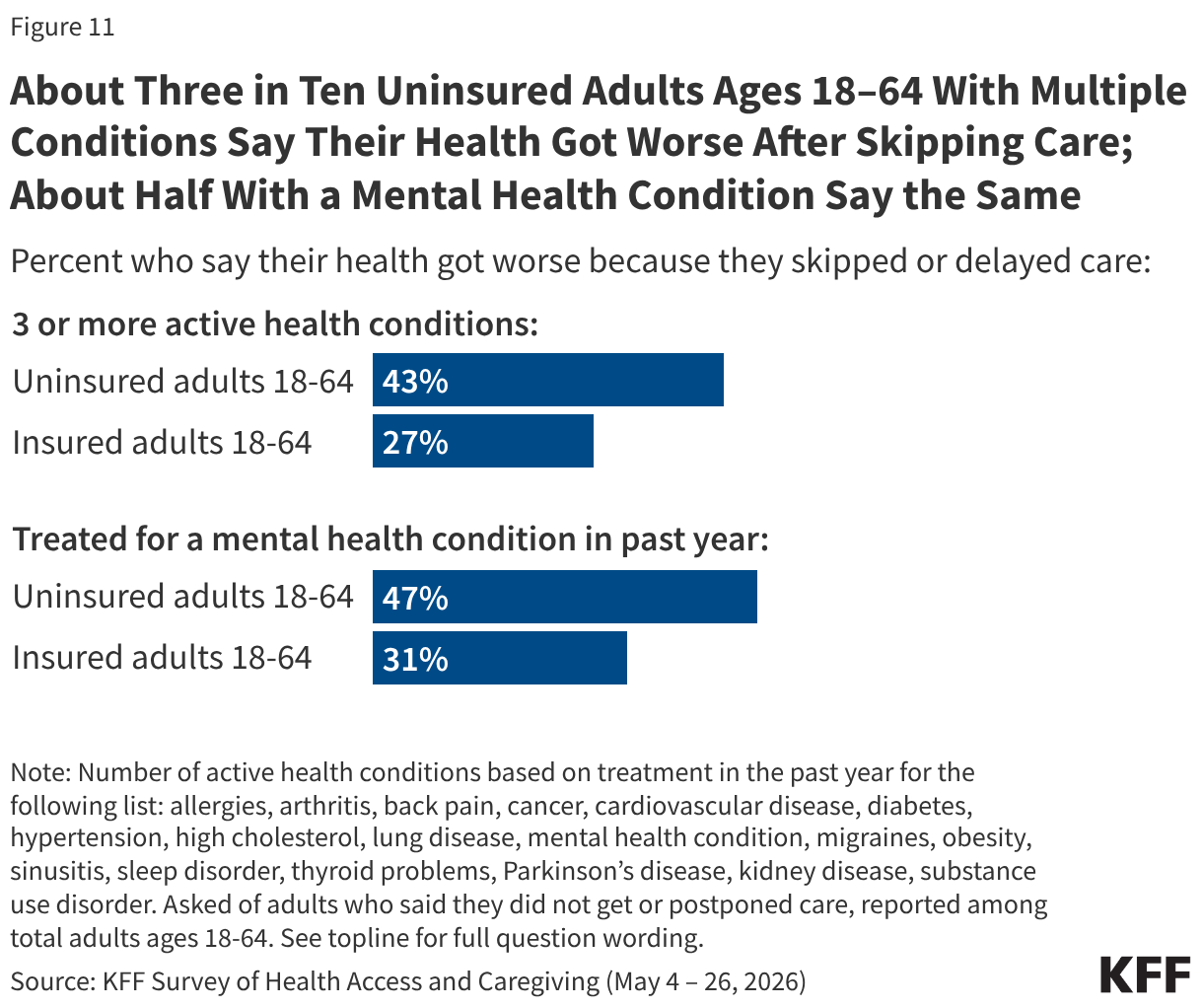
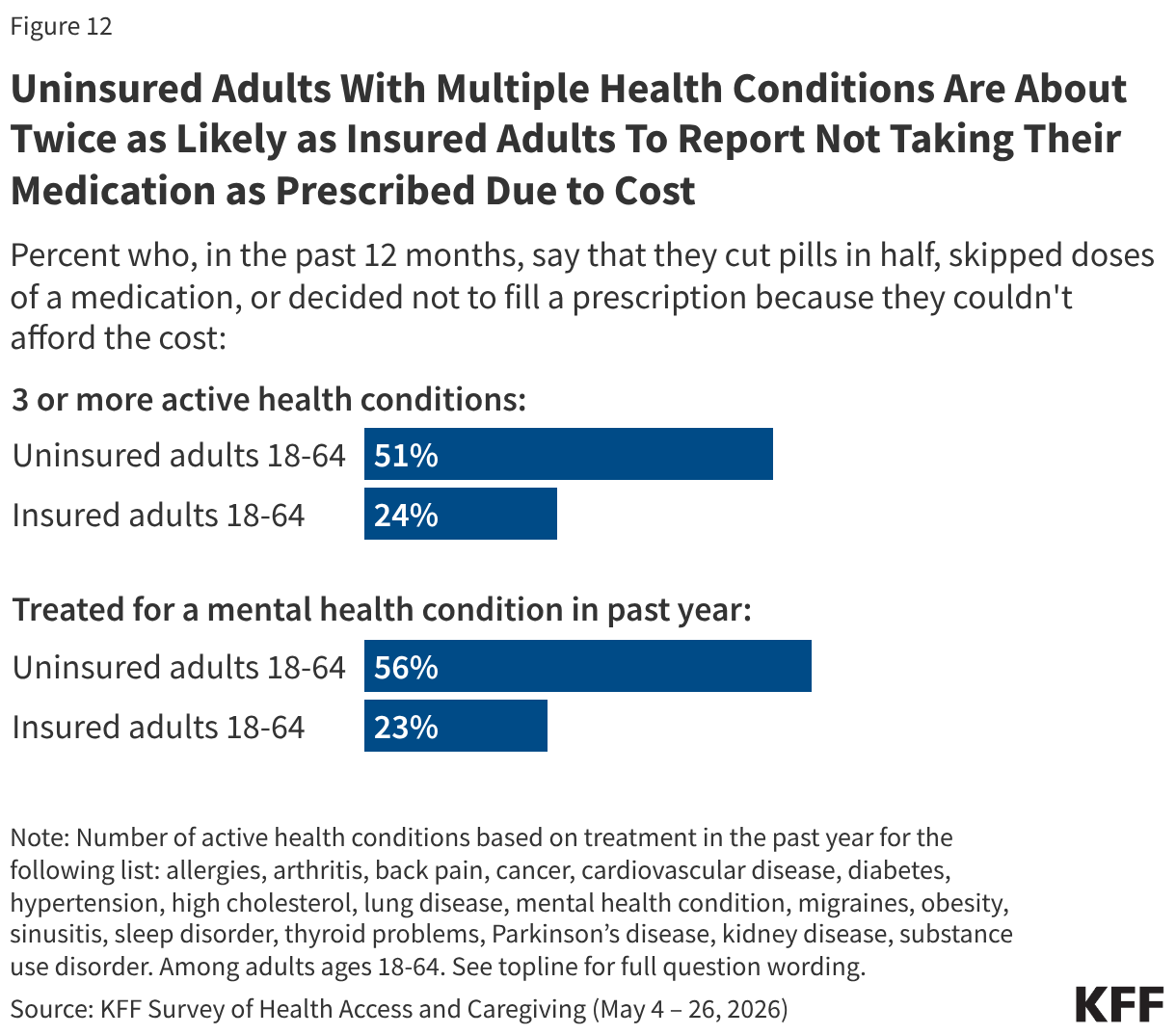
The financial fallout for this group is catastrophic. Approximately 72 percent of uninsured adults with multiple health conditions report struggling with unpaid medical bills, and half have had to scale back basic household expenses to cope. Consequently, their rates of forgoing care are exceptionally high: 68 percent of uninsured adults with multiple conditions—and 84 percent of those with mental health conditions—report skipping or delaying care due to cost. This directly translates to deteriorating health outcomes, with over 40 percent noting that their medical conditions worsened as a result. Furthermore, 51 percent of uninsured adults with multiple conditions admit to rationing prescription medications due to cost, double the rate of insured patients.
Older Adults and Medicare: Protections and Persistent Gaps
For Americans aged 65 and older, the healthcare landscape is shaped heavily by Medicare, which provides near-universal coverage and shields older demographics from the highest tiers of uninsurance. Nevertheless, advanced age correlates with a higher prevalence of chronic disease: 42 percent of seniors report being treated for three or more health conditions in the past year, alongside 19 percent for diabetes, 15 percent for cardiovascular disease, and 9 percent for lung disease.
Even within this heavily insured population, structural and financial vulnerabilities persist. One-quarter of older adults with multiple health conditions report that their insurance provider denied or delayed a prescribed service, treatment, or medication within the past two years. This dynamic is particularly evident within Medicare Advantage and Medicare Part D prescription drug plans, where utilization management tools such as prior authorization are frequently deployed.
Furthermore, despite Medicare’s broad protections, 25 percent of older adults with multiple conditions report failing to obtain necessary medical care, with 10 percent citing cost as the primary barrier. One in ten older adults with multiple conditions report rationing their medications due to cost, and 14 percent report struggling with medical debt—double the rate of seniors without active health conditions.
Implications for Policy and Practice
The comprehensive data captured by the KFF Survey of Health Access and Caregiving underscores a systemic failure to protect vulnerable patients from the compounding costs of chronic illness. As healthcare costs continue to outpace general inflation, the burden is increasingly absorbed by patients through rationed medications, compromised care, mounting debt, and deteriorating health.
Public health analysts and healthcare advocates point to these findings as an urgent call to action for policymakers, insurers, and healthcare providers. Addressing these systemic failures will require multifaceted interventions, including tighter regulatory oversight of insurance prior authorization practices, enhanced price transparency and affordability measures for prescription drugs, and strengthened safety-net funding for both insured and uninsured populations. Without meaningful structural reform, millions of Americans will continue to navigate a cruel compromise between their physical well-being and their financial survival.
Related posts: