
The traditional medical checkup has long relied on a fundamental flaw in human biology: the unreliability of memory. When a physician asks a patient about their digestive habits, hydration levels, or frequency of symptoms, the answers are frequently filtered through a phenomenon known as recall bias. Patients tend to remember the outliers—the most recent or the most painful experiences—while the subtle, gradual shifts in daily health patterns go unnoticed. This "data gap" has historically left a void in preventative medicine, particularly regarding gastrointestinal health, which remains one of the most significant yet under-tracked aspects of American wellness.
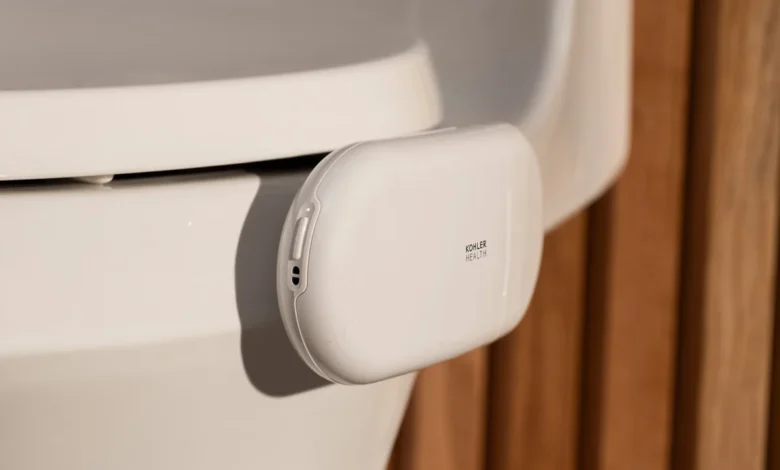
Kohler Health, a division of the historic plumbing manufacturer Kohler Co., is aiming to bridge this gap with the introduction of Dekoda, a first-of-its-kind passive health-tracking tool. By integrating sophisticated sensors into the toilet—the most utilized yet least analyzed health touchpoint in the home—Kohler is attempting to transform the bathroom from a place of utility into a sophisticated diagnostic hub. This shift represents a broader movement in the medical technology sector toward "ambient sensing," where health data is collected without requiring active participation or behavioral changes from the user.
The Magnitude of the Digestive Health Crisis
The necessity for such technology is underscored by the sheer volume of Americans suffering from chronic gastrointestinal issues. According to research published in the journal Gastroenterology and data from the American Gastroenterological Association (AGA), approximately 61% of U.S. adults experience at least one gastrointestinal symptom every week. These symptoms range from bloating and gas to more severe issues like chronic constipation or diarrhea.
Furthermore, nearly 40% of Americans report that bowel symptoms have actively disrupted their daily lives, including work productivity and social engagements, within the past year. Despite the prevalence of these issues, public engagement with health tracking remains lopsided. While the 2024 YouGov survey on health-tracking habits revealed that a majority of Americans now monitor at least one metric—typically steps, heart rate, or sleep—only 6% of the population tracks their bowel habits.

This discrepancy creates a significant hurdle for healthcare providers. Digestive health is not a static condition but a longitudinal narrative. Shifts in frequency, consistency, and the presence of biomarkers can be early indicators of conditions ranging from irritable bowel syndrome (IBS) and Crohn’s disease to colorectal cancer. When these changes occur gradually over months or years, they are often dismissed by the patient as a "new normal," only coming to light once the condition has progressed to a more symptomatic or dangerous stage.
The Mechanics of Passive Monitoring: How Dekoda Functions
The Dekoda device is designed to fit discreetly within the toilet bowl, where it utilizes optical and spectroscopic sensors to analyze waste in real-time. Unlike wearable devices that require charging and consistent placement on the body, Dekoda operates entirely in the background. The device captures information on hydration status and bowel movement patterns, specifically focusing on frequency and consistency—metrics often categorized by clinicians using the Bristol Stool Scale.
One of the most critical features of the Dekoda system is its ability to detect occult or visible blood in the stool. Hematochezia (the passage of fresh blood) or melena (dark, tarry stools) are primary red flags for clinical intervention. By providing an objective, time-stamped record of such occurrences, the device allows users to bypass the ambiguity of "I think I saw something" and instead present their physician with a documented history of events.
The data collected by the hardware is transmitted via a secure connection to the Kohler Health App. Here, the raw data is synthesized into personalized insights. Rather than bombarding the user with daily notifications that might lead to "alarm fatigue," the system focuses on identifying trends over weeks and months. This longitudinal approach mirrors the way physicians track other vital signs, such as blood pressure or cholesterol levels, where the trendline is far more important than any single data point.
The Evolution of the Smart Bathroom: A Chronology
The journey toward the "smart bathroom" has been several decades in the making, evolving from simple automation to complex bio-sensing.
- The Early 2000s: Touchless Technology. The initial wave of bathroom innovation focused on hygiene and water conservation. Motion-sensor faucets and automatic flush valves became standard in commercial settings and began migrating to luxury residential markets.
- 2010–2018: Comfort and Personalization. Features such as heated seats, integrated bidets, and ambient lighting became the hallmark of the high-end bathroom. Kohler and competitors like Toto began integrating IoT (Internet of Things) capabilities, allowing users to control settings via voice commands or smartphones.
- 2019–2023: The Pivot to Wellness. The global pandemic accelerated interest in home-based health monitoring. In 2023, Withings introduced the "U-Scan," a disc-shaped device for urine analysis, signaling a shift toward chemical sensing in the bathroom.
- 2024–2026: The Integration of Digestive Health. Kohler Health’s development of Dekoda marks the transition from simple chemical analysis to complex waste analysis. By focusing on digestive patterns and blood detection, the technology moves from "wellness" into the realm of "preventative diagnostics."
Overcoming Recall Bias and the Psychology of Health Tracking
Medical professionals have long contended with the limitations of patient self-reporting. In clinical studies, recall bias is cited as a primary reason for the failure of symptom diaries. Patients often overestimate their healthy behaviors and underestimate their symptoms. When it comes to the bathroom, there is an added layer of social stigma and psychological discomfort that prevents people from closely observing or accurately reporting their habits.
"Health is measured in patterns, not isolated moments," note medical analysts observing the trend toward home-based diagnostics. By removing the "human element" from the data collection process, passive tools like Dekoda provide an objective baseline. This is particularly vital for patients with chronic conditions like IBS, where triggers are often difficult to identify. When bathroom data is overlaid with dietary or stress logs, the resulting correlations can lead to highly effective, personalized lifestyle interventions.
Privacy, Security, and the Ethics of Bio-Data
As the bathroom becomes a source of valuable health data, questions regarding privacy and data security have naturally emerged. The bathroom is arguably the most private space in a home, and the collection of biological data is sensitive.
Industry experts suggest that for these technologies to achieve mainstream adoption, manufacturers must adhere to stringent data protection standards. Kohler Health has indicated that the data captured by Dekoda is encrypted and that users have full control over who sees the information. Unlike many consumer gadgets, the intention behind Dekoda is to facilitate a "doctor-patient" bridge rather than a "consumer-advertiser" link.
However, as bio-sensing becomes more common, the insurance industry’s relationship with this data will likely become a point of contention. There are concerns that insurance providers could eventually use longitudinal health data to adjust premiums or deny coverage, a prospect that underscores the need for updated legislative protections regarding home-collected biometric data.

Broader Implications for Preventative Medicine and Public Health
The implications of widespread passive health monitoring are profound. On an individual level, it empowers patients with the same caliber of data that was once only available through clinical trials or hospital stays. On a public health level, the aggregated, anonymized data from such devices could provide unprecedented insights into the dietary health and hydration levels of the population.
For example, a sudden uptick in dehydration signals across a specific geographic region could alert public health officials to issues with local water supplies or the early stages of a heat-related health crisis. Similarly, tracking the efficacy of high-fiber diets or new probiotic supplements across a broad demographic could revolutionize nutritional science.
Furthermore, the "smart toilet" could play a pivotal role in the early detection of colorectal cancer, which has seen a concerning rise among younger adults—a demographic that is less likely to undergo routine colonoscopies. Passive monitoring for blood in the stool could serve as an early warning system, prompting clinical screenings years before symptoms become life-threatening.
The Future of the Bathroom as a Health Hub
The launch of Kohler Health’s Dekoda is likely the first of many such integrations. Future iterations of bathroom technology could include scales built into floor tiles that measure body composition through bioelectrical impedance, or mirrors that use computer vision to analyze skin health and detect early signs of jaundice or vitamin deficiencies.
By closing the "bathroom data gap," Kohler is not merely selling a new gadget; it is redefining the role of the home in the healthcare ecosystem. As wearable technology transformed how the world understands sleep and activity, ambient sensors are poised to do the same for the internal functions of the human body. The bathroom, once a room designed for the removal of waste, is being reimagined as the front line of a more informed, proactive approach to human longevity.