Trump denies sanctions relief offer as Tehran awaits formal U.S. response to ceasefire proposal

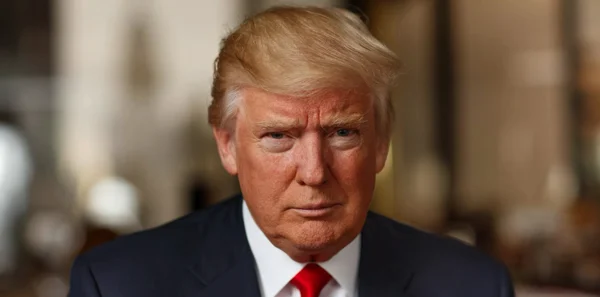
The geopolitical landscape of the Middle East remains perilously fragile as the conflict designated as "Operation Epic Fury" enters its eighth month. A tense diplomatic impasse has emerged between Washington and Tehran, centered on the strategic chokehold of the Strait of Hormuz. Despite reports suggesting back-channel negotiations involving Qatari mediators, President Donald Trump has publicly dismissed the notion of providing sanctions relief to Iran, labeling the current overtures from the Islamic Republic as a manifestation of desperation rather than a genuine diplomatic breakthrough.
The standoff, which has fundamentally altered the global energy market and destabilized regional security, shows few signs of resolution. While Iranian officials assert that they are awaiting a formal, written response from the United States regarding a proposed ceasefire, the White House continues to prioritize a strategy of maximum pressure. As the global community monitors the situation, the convergence of oil market volatility, nuclear non-proliferation concerns, and the expanding scope of the war presents an increasingly complex challenge for international diplomacy.
A Chronology of Escalation: From February to the Present
The roots of the current crisis can be traced back to February, when the United States and Israel launched Operation Epic Fury. The initial objective was framed by the White House as a preventive measure against the perceived expansion of Iran’s nuclear program and its influence in the region. Within weeks of the onset of hostilities, the Iranian military took the drastic step of closing the Strait of Hormuz. This action effectively halted the transit of approximately 20% of the world’s total oil consumption, triggering an immediate and severe supply shock.
Throughout the spring, the conflict expanded beyond the initial theater of operations. In April, the emergence of drone and missile strikes targeting critical infrastructure in Saudi Arabia and the United Arab Emirates underscored the reach of Iranian-aligned proxies. By June, the humanitarian toll began to rise sharply, with thousands of casualties reported in Lebanon and Iran, and the displacement of civilian populations reaching record highs for the region.
In late September, following months of attrition, Iranian leadership signaled a shift in strategy. The seven-day proposal circulated by Tehran’s diplomats offered a roadmap for a phased reopening of the Strait of Hormuz. The proposal, which remains the subject of intense debate, outlines several core demands: the cessation of the U.S. naval blockade, an end to military engagements in Iranian and Lebanese territories, the lifting of broad-based oil sanctions, and the unfreezing of Iranian financial assets held in international banks.
The Divergent Narratives: Washington and Tehran
The disparity between the rhetoric emanating from the Oval Office and the foreign ministry in Tehran has become a focal point of the current impasse. President Trump, speaking to the press over the weekend, maintained a firm stance. He characterized the Iranian proposal as a tactical maneuver forced by the crushing weight of the U.S.-led blockade. "They want to make a deal to open the Hormuz Strait immediately because they’re losing so badly," Trump stated, signaling that his administration sees no reason to alter its current course of economic and military pressure.
This hardline approach was further reinforced on Monday via the president’s social media activity. In response to reports from media outlets such as Axios and CNN—which suggested that the administration was quietly exploring a "sanctions for nuclear progress" deal—Trump issued a categorical denial. "This is untrue. I offered them NOTHING," the president wrote, effectively closing the door on speculation that a compromise was imminent.
Conversely, Iranian Foreign Minister Abbas Araghchi maintains that the formal diplomatic process is still active. Araghchi noted that Qatar, acting as an intermediary, is tasked with conveying the official stance of the United States. According to Tehran’s account, they have yet to receive a definitive rejection through these official channels, suggesting that the public statements from the White House may serve as a negotiating tactic rather than the final word on the matter.
Economic Implications: The Cost of Energy and Inflation
The economic consequences of the seven-day-old impasse are felt globally. Crude oil prices, which spiked following the closure of the Strait of Hormuz, remain stubbornly high. On Tuesday, Brent crude futures reached $106.77 per barrel, while U.S. West Texas Intermediate (WTI) hovered near $93.94. These price points represent a significant inflationary pressure on the global economy, impacting logistics, manufacturing, and consumer costs in both developed and emerging markets.
Analysts note that the risk premium attached to oil is unlikely to dissipate until there is a tangible reduction in regional hostilities. The involvement of Houthi forces in the Red Sea has added a secondary layer of risk, threatening to choke off not only the Persian Gulf supply lines but also the maritime corridors leading to the Suez Canal. For global importers, the current situation represents the most significant energy security crisis since the 1970s.
The Nuclear Question and Strategic Posturing
Central to the conflict is the status of Iran’s nuclear program. President Masoud Pezeshkian, in his recent interview with CBS’s "Face the Nation," attempted to pivot the conversation toward a potential diplomatic solution, provided that the terms respect Iranian sovereignty. Pezeshkian emphasized that Iran is prepared to engage in substantive talks regarding its nuclear capacity, reiterating the long-standing claim that the country has no intention of developing nuclear weaponry.
This position is complicated by the historical context of the U.S. intelligence community’s assessments. Since 2007, the consensus within the U.S. intelligence apparatus has been that Iran halted its active nuclear weapons development program in 2003. Despite this, the current administration maintains that the potential for a "breakout" capability remains an existential threat that justifies the ongoing war. By framing the conflict as a necessary step to prevent nuclear proliferation, the U.S. has successfully garnered support from key regional partners, even as the humanitarian and economic costs of the war continue to mount.
Analysis: The Narrow Path to De-escalation
As the conflict reaches its eighth month, the possibility of a total military victory for either side appears increasingly remote. The United States and its allies possess significant technological and naval superiority, yet they have been unable to force a regime collapse or a complete capitulation from Tehran. Conversely, while Iran has successfully demonstrated its ability to disrupt global markets and project power through regional proxies, it faces severe internal economic strain and military attrition.
The current deadlock suggests that both sides are testing the limits of the other’s resolve. The U.S. objective of "regime change" or complete neutralization of Iranian influence requires a level of sustained commitment that may become increasingly difficult to justify to a domestic electorate concerned about inflation and gas prices. Simultaneously, Iran’s reliance on the closure of the Strait of Hormuz as a primary bargaining chip is a high-stakes gamble that risks further alienating the international community and accelerating the permanent loss of energy market share.
For the international community, the path forward appears increasingly narrow. If mediators are unable to bridge the gap between Washington’s demand for unilateral concessions and Tehran’s insistence on reciprocal sanctions relief, the region may be poised for a period of protracted instability. The reliance on indirect communication via Qatar underscores the lack of direct diplomatic infrastructure, leaving both nations vulnerable to miscalculation.
Ultimately, the resolution of this conflict will likely require a shift from the current focus on coercion toward a framework that acknowledges the security concerns of all regional actors. Until such a shift occurs, the global economy will continue to function under the shadow of the Strait of Hormuz, and the human cost of the war will continue to accumulate in the cities and towns across the Middle East. Whether the next chapter of this conflict is defined by the heavy hand of military pressure or the delicate process of negotiation remains the defining question of the current geopolitical era.