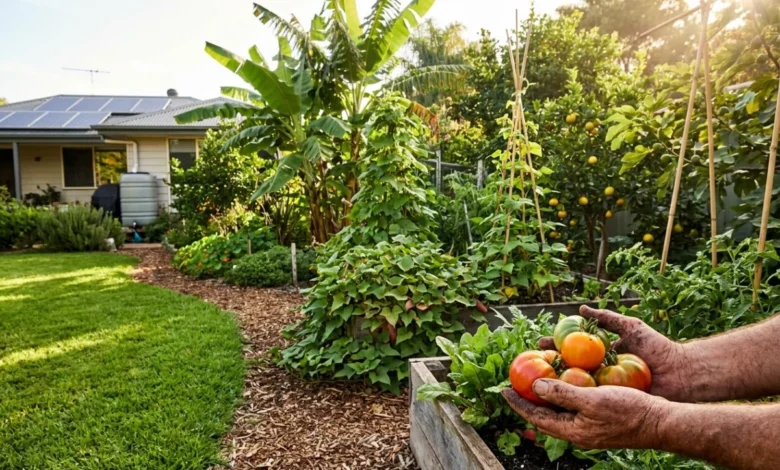
The contemporary global food supply chain is increasingly defined by its vulnerability to centralized control, geopolitical instability, and logistics-heavy infrastructure. As urban populations expand and agricultural production becomes more concentrated in fewer hands, the concept of "food sovereignty"—the right of individuals and communities to define their own food and agriculture systems—has shifted from a niche agrarian movement to a significant focus of public policy and personal risk management. Recent analyses indicate that the modern grocery store operates on a "just-in-time" delivery model, which, while efficient during periods of stability, lacks the redundancy necessary to survive systemic shocks.
The Structural Vulnerability of Global Food Chains
Modern industrial agriculture relies on a complex web of logistics that encompasses global shipping, fuel-dependent transport, and centralized processing hubs. According to logistics industry data, the average meal in the United States travels approximately 1,500 miles from farm to plate. This distance represents a critical chokepoint. When maritime chokepoints—such as the Suez Canal or the Panama Canal—face congestion or labor disputes, the ripple effects are felt in domestic retail environments within days.
Historically, societies that maintained localized food production buffers were better insulated against regional economic downturns. In contrast, current systems prioritize hyper-specialization, where single-commodity farms focus on export-oriented crops, leaving local populations dependent on imports for basic nutritional staples. This dependency creates a strategic weakness: when food flows are interrupted, the population lacks the immediate, localized means of sustenance.
A Chronology of Modern Food Insecurity
The fragility of the current model has been highlighted by a series of global events over the past five years:
- 2020-2021: The COVID-19 pandemic exposed the brittleness of global supply chains, leading to widespread disruptions in processing plants and supermarket stockouts, forcing a national conversation on the necessity of local food reserves.
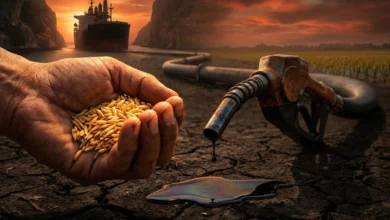
- 2022-2023: Geopolitical tensions and conflict in major grain-producing regions led to significant spikes in fertilizer and fuel costs, demonstrating how centralized energy policies directly dictate the affordability of food.
- 2024-Present: Increasing frequency of extreme weather events, including droughts in key agricultural zones, has prompted a shift in discourse toward regenerative agriculture and bio-intensive gardening as methods of climate adaptation.
Permaculture as an Infrastructure Solution
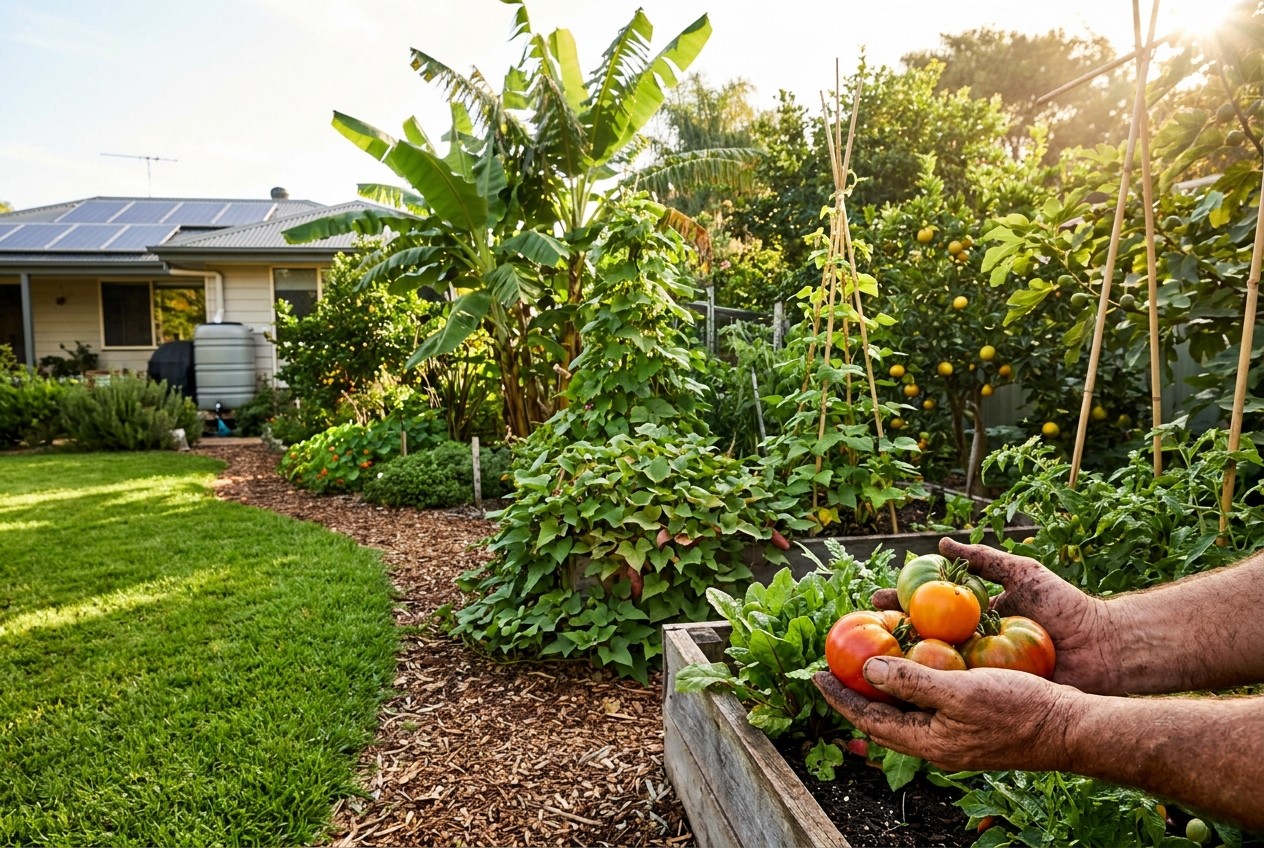
The application of permaculture design—a systems-thinking approach to agricultural design that mimics natural ecosystems—is gaining traction as a viable alternative to industrial monocropping. Proponents argue that by integrating perennial crops, water catchment systems, and soil-building techniques, households can transform marginal land into high-yield, self-sustaining biological infrastructure.
Recent legal precedents have begun to shift in favor of these practices. In several jurisdictions, homeowners have successfully challenged restrictive covenants and Homeowners Association (HOA) regulations that historically prohibited the cultivation of edible gardens. These cases have established that food production is a protected, fundamental utility rather than a landscaping choice. Experts note that when land is managed through bio-intensive methods—such as raised, double-dug beds—a modest backyard can produce enough caloric value to supplement a household’s needs, effectively acting as a hedge against market volatility.
The Intersection of Knowledge and Economic Sovereignty
The movement toward food sovereignty is intrinsically linked to the democratization of information. The centralization of agricultural knowledge—often proprietary and protected by patent law—has traditionally limited the ability of the average citizen to participate in food production. The emergence of decentralized, open-source AI models and digital repositories is intended to bridge this gap, providing localized access to horticultural techniques, pest management strategies, and soil science without the intervention of corporate gatekeepers.
Furthermore, economic analysts point out that food sovereignty must be supported by financial autonomy. The rise of decentralized finance (DeFi) and the integration of alternative assets are increasingly viewed by advocates as tools to protect capital from the devaluation associated with inflationary monetary policy. The logic is that land-based assets, combined with honest, decentralized money, provide a more robust defense against economic instability than reliance on volatile fiat-based systems.
Broader Implications for Public Health and Policy
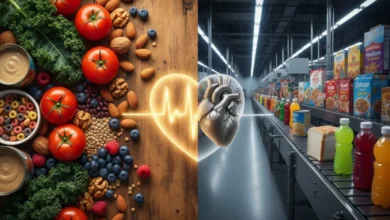
The industrialization of the food supply has correlated with a significant rise in chronic, non-communicable diseases. The preference for shelf-stable, highly processed foods over fresh, nutrient-dense produce has led to a reliance on the pharmaceutical industry to manage the resultant health conditions. Proponents of local food sovereignty argue that by shortening the distance between soil and table, the nutritional density of food is significantly increased, potentially reducing the long-term public health burden.
From a policy perspective, the transition toward decentralized food systems represents a shift toward increased resilience. Rather than relying on a singular, massive distribution network, a network of thousands of independent, self-sufficient homesteads and community gardens creates a redundant system that is inherently more difficult to disrupt. In this framework, the household is viewed as the smallest unit of national security.
Expert Analysis: The Path Forward
Agricultural economists suggest that while full self-sufficiency is a challenging goal for the modern urbanite, the shift toward "partial sovereignty" is both realistic and impactful. This involves:
- Redundancy: Maintaining a 30-day supply of shelf-stable food and water filtration capabilities to bypass initial logistical disruptions.
- Skill Acquisition: Learning essential trades such as composting, seed saving, and food preservation, which maintain their utility regardless of the technological state of the broader economy.
- Community Integration: Moving away from isolationism by fostering neighborhood seed exchanges and shared resource networks, which build social capital and collective security.
The consensus among advocates for decentralized systems is that food sovereignty is a proactive, rather than reactive, strategy. It is not merely about surviving a crisis but about establishing a baseline of independence that minimizes vulnerability to external systems. As centralized authorities continue to grapple with debt, resource allocation, and logistical hurdles, the decentralization of food, money, and knowledge is likely to remain a central theme in the evolution of personal and civil liberty.
The transition toward these systems requires a fundamental psychological shift: moving from a model of consumerism, where resources are granted by institutions, to a model of production, where resources are cultivated by the individual. While the initial phases of implementing permaculture or decentralized financial habits may be resource-intensive, the long-term outcome is a structural resilience that is currently absent in the standard consumer model. By reclaiming the ability to produce food, manage local knowledge, and store value outside of centralized systems, individuals are increasingly positioning themselves as stakeholders in their own survival rather than passive participants in an increasingly unstable global economy.