Hidden Inflammation From Daily Stress Rewires and Damages the Heart, Landmark Study Reveals


The pressures of modern life do more than weigh heavily on the mind—they can physically reshape the human heart. According to a landmark study examining nearly half a million adults in the United Kingdom, chronic, low-level inflammation driven by everyday stressors, socioeconomic hardship, and lifestyle factors leaves a lasting, damaging mark on cardiovascular health. Conducted by researchers at the Medical Research Council (MRC) Laboratory of Medical Sciences (LMS) and Imperial College London, this massive population-based investigation stands as the largest of its kind, offering unprecedented insight into the biological pathways that connect the social determinants of health to fatal cardiac events.
The findings, published following an exhaustive review of genetic, imaging, and biochemical data, reveal that sustained inflammation increases the risk of heart attack and stroke by up to 43 percent. More concerningly, this process often begins years before any physical symptoms manifest, quietly degrading cardiovascular resilience while patients remain entirely unaware. By bridging the gap between sociological pressures and molecular pathology, the research opens new avenues for preventative medicine, pointing toward targeted anti-inflammatory therapies and precision screening methods that could alter the future of cardiology.
The Anatomy of Silent Inflammation and Cardiac Remodeling
To understand how daily stress translates into physical heart damage, researchers must examine the delicate balance of the human immune system. Inflammation is a vital evolutionary mechanism designed to protect the body against acute threats such as infections or physical injuries. When a pathogen enters the system or a tissue is damaged, white blood cells rush to the site, triggering localized swelling, heat, and redness. Once the threat is neutralized, chemical signals typically instruct the immune system to stand down, allowing tissue repair to take place.
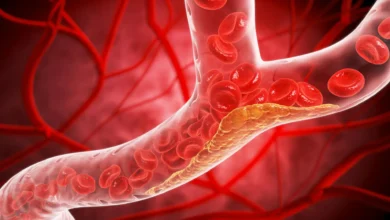
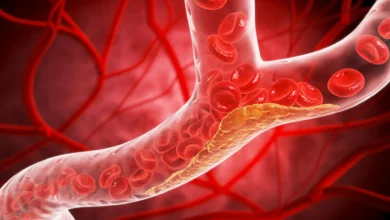
However, when individuals are subjected to prolonged psychological distress, financial precarity, poor nutrition, or environmental toxins, this acute response fails to switch off. Instead, the immune system remains locked in a persistent, low-grade state of activation. Over months and years, this continuous trickle of inflammatory signals circulates throughout the bloodstream, interacting with vascular walls and myocardial tissue.
In the context of the LMS and Imperial College London study, this biological phenomenon was tracked using a sophisticated blood marker known as glycoprotein acetyls (GlycA). By analyzing GlycA concentrations alongside deep cardiac imaging data from the UK Biobank, the research team discovered a direct correlation between elevated systemic inflammation and structural alterations in the heart—a process known clinically as cardiac remodeling.
Participants displaying the highest tiers of GlycA showed distinct physical changes: their heart walls grew abnormally thick, their ventricular chambers became smaller, and their hearts exhibited reduced efficiency during the filling phase. These structural anomalies directly impair the heart’s ability to pump blood effectively, laying a dangerous foundation for progressive heart failure, myocardial infarctions, and ischemic strokes long before a clinical diagnosis is ever rendered.
Methodology and Scale: Unpacking the UK Biobank Data
The sheer scale of the research sets a new benchmark in cardiovascular epidemiology. By leveraging the expansive resources of the UK Biobank—a comprehensive biomedical database containing deep genetic and health information from half a million volunteer participants—the Imperial College team was able to draw statistically robust conclusions across a remarkably diverse demographic.
The investigation centered on a cohort of nearly 480,000 UK adults. Researchers cross-referenced circulating levels of glycoprotein acetyls with high-resolution cardiac magnetic resonance (CMR) imaging, detailed clinical health outcomes, and comprehensive genomic profiles. This multidimensional approach allowed scientists to isolate the effects of chronic inflammation from other confounding variables.
When stratifying the data by inflammation levels, the stark disparities in health outcomes became immediately clear. Individuals falling into the top 20 percent of inflammation markers faced a 43 percent higher risk of experiencing a major adverse cardiovascular event, such as a heart attack or stroke, compared to the 20 percent of participants with the lowest inflammation levels. Crucially, this elevated risk persisted even after researchers controlled for pre-existing cardiovascular conditions, highlighting inflammation as an independent and insidious catalyst for disease.
Furthermore, the study mapped the origins of this immune activation, tracing it back to a complex convergence of genetic predispositions, environmental stressors, and lifestyle choices. While traditional risk factors such as cigarette smoking, physical inactivity, and excess visceral adiposity remained powerful drivers of inflammation, the data revealed an equally potent connection to socioeconomic deprivation and chronic mental health struggles.
The Socioeconomic and Psychological Axis of Heart Disease
One of the most profound takeaways from the Imperial College London study is its illumination of the "social gradient of health"—the well-documented observation that individuals from lower socioeconomic backgrounds experience significantly worse health outcomes than their wealthier counterparts. For decades, public health officials have debated the exact mechanisms driving this disparity, often pointing toward lifestyle behaviors like diet and smoking.
This new research suggests that chronic stress acts as a primary biological transducer, converting the lived realities of poverty, job insecurity, and psychological strain into physical wear and tear on the cardiovascular system. Financial hardship and chronic anxiety trigger hormonal cascades involving cortisol and adrenaline, which in turn modulate immune function and promote systemic inflammation.
Professor Declan O’Regan, British Heart Foundation (BHF) Chair of Cardiovascular AI at Imperial College London and Head of the Computational Cardiac Imaging Group at the LMS, underscored the unexpected weight of these non-traditional risk factors. "The surprising thing was how much social factors and mental health are linked to inflammation and damage to the heart—as well as more well-known risk factors like smoking and inactivity," Professor O’Regan noted.
He further emphasized that vulnerability is not distributed equally. The genomic analysis revealed a strong genetic component, indicating that certain individuals possess inherited traits that make them naturally more resilient—or conversely, more susceptible—to the inflammatory damage triggered by environmental and lifestyle stressors. Nonetheless, the researchers are quick to clarify that neither a disadvantaged background nor a high genetic risk score condemns an individual to inevitable heart disease. The pathways of inflammation, while persistent, remain malleable.
Chronology of Discovery: From Cellular Hypothesis to Population Proof
The journey toward understanding the link between inflammation and cardiology has unfolded over several decades, transitioning from a speculative clinical hypothesis to an empirically verified reality.
In the late 20th century, pathologists began noticing immune cells present within atherosclerotic plaques, sparking the hypothesis that cardiovascular disease was not merely a passive accumulation of cholesterol, but an active inflammatory condition. Throughout the 2000s and 2010s, biomarkers such as C-reactive protein (CRP) gained prominence as tools to predict cardiovascular events, culminating in landmark clinical trials like CANTOS in 2017, which proved that targeting specific inflammatory pathways could reduce heart attack rates independently of cholesterol lowering.
However, the missing link has historically been the visualization of how systemic inflammation physically alters the structure of the myocardium at a population level. The current study by the LMS and Imperial College London represents the culmination of this evolution. By combining high-throughput biomarker screening with advanced cardiac imaging in nearly half a million people, researchers have provided the definitive large-scale proof that systemic inflammation directly remodels the heart chambers and drives vascular catastrophes across entire populations.
Official Responses and Medical Implications
The medical community has received the findings with a mixture of urgency and optimism, viewing the research not only as a stark warning about the toll of modern stress, but also as a roadmap for future intervention.
Professor Bryan Williams, Chief Scientific and Medical Officer at the British Heart Foundation, elaborated on the dual nature of the body’s immune response. "Inflammation is part of the body’s healing process, but there is also a darker side to it," Professor Williams stated. "This large-scale study found people with higher levels of inflammation experienced silent changes to the structure of their hearts and had a higher risk of major cardiac events including heart attacks and strokes."
Highlighting the forward-looking nature of the research, Professor Williams pointed to the identification of specific inflammatory proteins—specifically those belonging to the interleukin-1 and tumor necrosis factor (TNF) families—as key drivers of the observed cardiac damage. Because several pharmaceutical agents targeting these exact protein families are already undergoing advanced clinical trials for other inflammatory conditions, the timeline for translating these findings into cardiovascular therapies could be remarkably short.
"It is to be hoped that anti-inflammatory medicines could become an important tool in preventing cardiovascular disease," Williams added. "These findings reinforce the importance of tackling the causes of inflammation and poor cardiovascular health, while also supporting people to make lifestyle changes that can help protect their hearts."
Broader Economic and Public Health Analysis
The implications of this research extend far beyond the walls of the clinic, carrying profound consequences for public health policy, workplace wellness initiatives, and economic planning. Cardiovascular disease remains the leading cause of mortality globally, placing an immense financial burden on healthcare systems and workforce productivity.
If chronic stress and socioeconomic deprivation are established as primary drivers of structural heart damage via inflammation, traditional healthcare models that focus solely on downstream treatments—such as statins, bypass surgeries, and emergency interventions—will remain fundamentally reactive and incomplete. Public health analysts suggest that mitigating the cardiovascular crisis will require a holistic, upstream approach that addresses the structural determinants of health.
Policy interventions aimed at reducing poverty, improving mental health service accessibility, and regulating environmental toxins could yield measurable dividends in population-level cardiovascular health. On a clinical level, the integration of routine inflammatory blood tests, such as GlycA or high-sensitivity CRP assays, alongside polygenic risk scoring, could soon allow primary care physicians to identify high-risk patients years before symptoms appear. By pinpointing individuals whose immune systems are quietly reshaping their hearts, doctors could deploy targeted lifestyle counseling, psychological support, or emerging anti-inflammatory pharmacotherapies proactively.
As research funding from bodies like the Medical Research Council, the British Heart Foundation, and the NIHR Imperial Biomedical Research Centre continues to drive innovation in computational cardiac imaging and molecular medicine, the boundary between social science and cardiology is rapidly dissolving. The heart, it turns out, keeps an accurate, physical tally of the world we live in—making the fight for health equity and stress reduction not merely a matter of comfort, but a matter of life and death.