Daily Consumption of Avocados and Mangoes Linked to Improved Cardiovascular Health and Vascular Function in Adults with Prediabetes

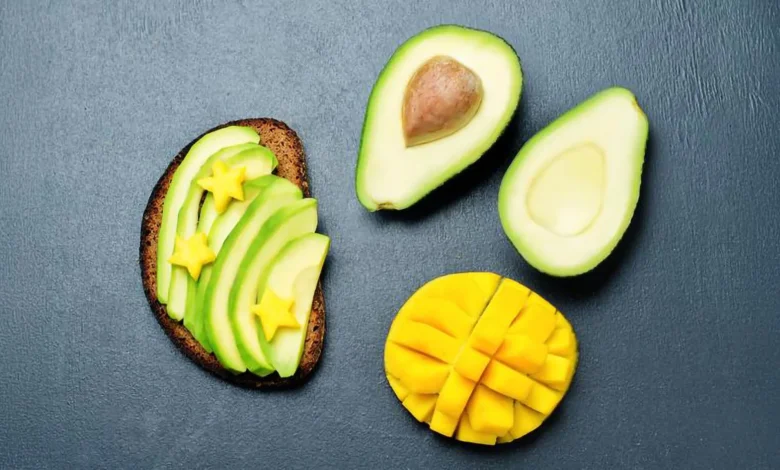
Recent scientific inquiry into functional foods and preventative medicine has uncovered a compelling intersection between everyday dietary habits and long-term cardiovascular wellness. According to a landmark study conducted by researchers at the Illinois Institute of Technology (Illinois Tech), the daily incorporation of both fresh mangoes and Hass avocados into standard dietary patterns yields significant, measurable improvements in vascular function and blood pressure regulation. These physiological enhancements occur independently of weight loss or overall caloric restriction, offering a promising, food-first intervention for millions of individuals navigating metabolic challenges.
The findings carry profound implications for public health, particularly in the United States, where approximately one in three adults—totaling roughly 98 million people—lives with prediabetes. Characterized by elevated blood glucose levels that remain below the diagnostic threshold for type 2 diabetes, prediabetes significantly amplifies an individual’s lifetime risk of developing cardiovascular disease, stroke, and systemic inflammation. Published in the Journal of the American Heart Association, this research demonstrates that targeted, nutrient-dense dietary modifications can actively counteract vascular degradation without requiring aggressive, restrictive dieting protocols or complex lifestyle overhauls.
Methodology and Clinical Trial Structure
To evaluate the physiological impact of these tropical and subtropical fruits, researchers designed a rigorous, controlled nutritional intervention spanning an eight-week duration. The clinical trial enrolled 82 adult participants between the ages of 25 and 60. To qualify for the study, all participants were required to have a confirmed diagnosis of prediabetes alongside a body mass index (BMI) falling within the overweight or obese classification range of 25 to 35 kg/m². Furthermore, the cohort consisted of generally healthy non-smokers who were not adhering to specialized dietary regimens and lacked major chronic medical comorbidities.
The study utilized a parallel-group comparative design. Participants were randomly assigned to one of two distinct nutritional protocols that mirrored typical American dietary frameworks. The intervention group—frequently referred to in the study parameters as the Avocado-Mango (AM) diet—consumed a daily allotment consisting of one medium Hass avocado and one cup of fresh, raw mango. Conversely, the control group followed an equivalent calorie-matched diet wherein the fruit components were systematically replaced by carbohydrate-based alternative foods designed to mimic the macronutrient distribution without delivering the specific micronutrient profile of the whole fruits.
To maximize compliance and minimize confounding variables, the research team directly prepared and supplied approximately 75 percent of each participant’s estimated daily caloric requirements throughout the eight-week intervention period. Participants independently managed the remaining 25 percent of their food intake following specific guidelines provided by the clinical team. This hybrid feeding model allowed researchers to tightly control the primary dietary variables while maintaining a practical framework that reflected real-world eating behaviors.
Vascular Flexibility and Endothelial Function
The primary endpoint of the Illinois Tech study centered on flow-mediated dilation (FMD), a non-invasive, highly validated clinical measurement used to assess endothelial function. The endothelium is a delicate, single-cell layer lining the interior surface of blood vessels. It plays a critical regulatory role in maintaining vascular tone, modulating blood pressure, and preventing the adhesion of platelets and inflammatory cells to arterial walls. When endothelial function is compromised—a common early manifestation of prediabetes and insulin resistance—blood vessels lose their innate ability to dilate appropriately in response to increased blood flow, precipitating arterial stiffness and elevating the risk of cardiovascular events.
At the conclusion of the eight-week trial, objective vascular assessments revealed striking divergences between the cohorts. Participants in the avocado and mango intervention group demonstrated a statistically significant improvement in endothelial function, with average FMD measurements rising to 6.7 percent. In stark contrast, the control group experienced a decline in vascular flexibility, dropping to an average of 4.6 percent.
This preservation and enhancement of vascular responsiveness among fruit consumers highlight the potential of whole-food matrices to protect arterial health against the systemic oxidative stress and metabolic dysfunction characteristic of prediabetes. The ability of blood vessels to expand smoothly under fluctuating hemodynamic demands remains a foundational pillar of long-term cardiovascular resilience.
Blood Pressure Dynamics and Hemodynamic Shifts
Beyond the structural improvements observed in endothelial tissue, the clinical trial documented encouraging alterations in blood pressure parameters, particularly among male participants. Central blood pressure—a measure of the pressure pulsing toward the heart and brain—exhibited divergent trajectories between the study arms. While male participants in the control group experienced an average increase of approximately 5 millimeters of mercury (mmHg) in central blood pressure over the eight-week period, male participants consuming the daily avocado and mango diet registered an average reduction of roughly 1.9 mmHg.
Diastolic blood pressure, which records the arterial pressure while the cardiac muscle relaxes between contractions, also reflected favorable trends. Chronic elevation of diastolic pressure places sustained, mechanical stress on the entire cardiovascular tree, accelerating the stiffening of large and medium-sized arteries. Researchers noted that the hemodynamic variances observed in the trial, though modest in the short term, could translate into clinically meaningful reductions in cardiovascular morbidity and mortality if sustained over extended periods.
Significantly, these cardiovascular and hemodynamic benefits materialized in the absence of intentional weight loss or statistically significant shifts in total body mass and daily caloric intake. This finding challenges the conventional medical dogma that improvements in metabolic and vascular health are exclusively contingent upon shedding pounds. Instead, it underscores the independent biological value of nutrient density, suggesting that the qualitative biochemical composition of ingested foods exerts a powerful, direct influence on cardiovascular physiology independent of systemic energy balance.
Nutrient Synergy: Decoding the Biochemical Profile
While mangoes and avocados possess entirely distinct culinary profiles, textures, and primary macronutrient distributions, their combined nutritional matrix offers a remarkably comprehensive array of bioactive compounds that support metabolic and cardiovascular homeostasis.
Mangoes are an exceptional source of dietary fiber, providing approximately 2 grams per three-quarter-cup serving, which accounts for roughly 7 percent of the daily value (DV). Furthermore, mangoes serve as a powerhouse of vitamin C, delivering 50 percent of the recommended daily value per serving. As a potent, water-soluble antioxidant, vitamin C neutralizes reactive oxygen species and protects cellular membranes from oxidative damage. The dietary fiber present in mangoes additionally supports gastrointestinal motility, blunts postprandial glycemic excursions, and facilitates lipid metabolism.
Avocados contribute an entirely complementary suite of micronutrients and macronutrients. A standard serving of one-third of a medium avocado (approximately 50 grams) supplies 3 grams of dietary fiber (11 percent DV), which plays an instrumental role in cholesterol regulation and satiety signaling. Avocados are globally celebrated for their high concentration of monounsaturated fatty acids (roughly 6 grams per serving). When substituted for saturated fats within a balanced diet, these healthy fats actively lower low-density lipoprotein (LDL) cholesterol—often colloquially termed "bad cholesterol"—while preserving or elevating cardioprotective high-density lipoprotein (HDL) particles. Additionally, avocados provide essential minerals, including roughly 250 milligrams of potassium (6 percent DV), a vital electrolyte that facilitates vascular relaxation and sodium excretion by the kidneys.
Beyond direct cardiovascular endpoints, researchers noted incidental improvements in secondary metabolic indicators, specifically concerning renal health. Measurements of the estimated glomerular filtration rate (eGFR)—a standard clinical metric used to evaluate how efficiently the kidneys filter metabolic waste products from the bloodstream—showed favorable modulation among participants adhering to the fruit-inclusive diet. However, investigators emphasized that the intervention did not uniformly alter every clinical biomarker; parameters such as baseline lipid profiles, fasting blood glucose levels, and circulating inflammatory cytokines remained largely stable and comparable between the study arms during the brief eight-week window.
Expert Perspectives and Public Health Implications
The implications of the Illinois Tech study extend far beyond the academic literature, offering actionable guidance for clinical practitioners and public health advocates striving to curb the escalating burden of cardiometabolic disease.
“This research reinforces the power of food-first strategies to help reduce cardiovascular disease risk, particularly in vulnerable populations like those with prediabetes,” stated Dr. Britt Burton-Freeman, Principal Investigator and Professor at Illinois Tech. “It’s an encouraging message: small, nutrient-dense additions—like incorporating avocado and mango into meals and snacks—may support heart health without the need for strict rules or major dietary overhauls.”
Public health dietitians and preventative cardiologists have long advocated for dietary patterns rich in whole plant foods, yet adherence to rigid, restrictive nutritional guidelines remains a primary barrier for patients attempting lifestyle modifications. By demonstrating that the inclusion of pleasurable, accessible whole fruits can yield measurable vascular benefits without inducing caloric excess or weight gain, the study provides a pragmatic paradigm for clinical dietary counseling. Patients are not instructed to eliminate favorite foods, but rather to strategically layer nutrient-dense, functional foods into their existing culinary routines.
Practical Applications for Everyday Nutrition
Integrating fresh mangoes and Hass avocados into a daily diet requires minimal culinary complexity, owing to the fruits’ contrasting textures and versatile flavor profiles. The creamy, rich mouthfeel of avocado pairs seamlessly with the vibrant sweetness and acidity of fresh mango across a wide array of culinary applications.
Nutritional experts suggest incorporating both fruits into standard meal structures through simple preparations. For breakfast, diced mango and sliced avocado can elevate standard grain bowls, oatmeal, or whole-grain toast topped with poached eggs. For lunch and dinner, the fruits serve as exceptional complementary elements in leafy green salads, whole-grain wraps, or seafood-based dishes. Culinary resources provided by organizations such as the National Mango Board and the Hass Avocado Board offer specialized recipes, including mango-avocado tuna ceviche and savory fruit toppers, designed to maximize dietary variety without sacrificing nutritional integrity.
Limitations and Directions for Future Research
While the findings of the Illinois Institute of Technology study offer substantial encouragement for preventative medicine, the research team acknowledged several methodological limitations that warrant careful consideration.
Foremost among these is the relatively short duration of the clinical trial. Spanning exactly eight weeks, the intervention successfully captured short-term physiological shifts in endothelial function and central blood pressure, but it remains undetermined whether these vascular adaptations persist over months, years, or decades. Longitudinal studies of extended duration are essential to confirm whether short-term improvements in flow-mediated dilation translate into definitive, long-term reductions in hard clinical endpoints, such as myocardial infarctions, strokes, and cardiovascular mortality.
Additionally, the demographic composition of the study cohort—restricted to adults aged 25 to 60 with prediabetes and a BMI classified as overweight or obese—represents a specific clinical subpopulation. Consequently, the observed physiological benefits cannot be automatically generalized to normoglycemic individuals, pediatric populations, or patients managing advanced type 2 diabetes and severe renal or hepatic disease. Furthermore, because the study protocol evaluated the fruits in combination, future comparative research will be required to determine whether the synergistic pairing of mangoes and avocados yields superior vascular outcomes compared to the isolated, independent consumption of either fruit.
Funding Disclosure and Independence
Transparency regarding financial sponsorship remains a foundational standard in contemporary clinical research. The investigators confirmed that the eight-week dietary trial was supported through an unrestricted research grant provided collectively by the National Mango Board (NMB) and the Hass Avocado Board (HAB). In accordance with rigorous academic standards and institutional review protocols, neither funding organization played any role in formulating the study design, executing the clinical protocols, analyzing the data, or drafting the final manuscript published in the Journal of the American Heart Association.
Conclusion
As healthcare systems globally grapple with the soaring economic and human tolls of metabolic syndrome and cardiovascular disease, preventative strategies rooted in nutritional science offer a beacon of hope. The Illinois Tech investigation provides robust, clinical evidence that simple, enjoyable dietary enhancements—such as the daily inclusion of fresh mangoes and Hass avocados—can meaningfully bolster vascular flexibility and support healthy blood pressure regulation in individuals with prediabetes. By prioritizing food-first interventions that enrich the body with essential dietary fiber, antioxidants, monounsaturated fats, and potassium, modern medicine continues to validate the profound truth that food is indeed foundational medicine.