Heart Health Under Pressure: New Research Links Caffeinated Energy Drinks and Stimulant Supplements to Serious Cardiovascular Emergencies

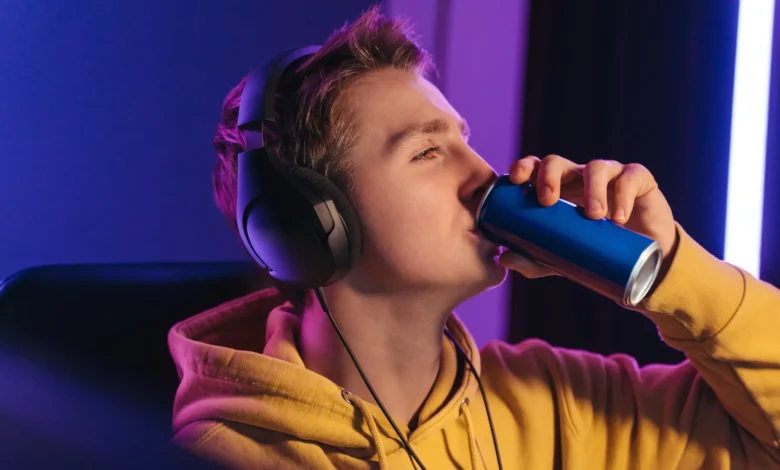
The rapid expansion of the multi-billion-dollar energy drink and dietary supplement market has brought a new wave of public health scrutiny, driven by fresh data highlighting alarming patterns in cardiac emergencies. Independent preliminary research presented at the American Heart Association’s Scientific Sessions has revealed that products containing high concentrations of caffeine and other legal stimulants appear with striking frequency in federal safety reports involving cardiac arrests, heart attacks, and acute arrhythmias. While the findings do not definitively prove causality, the sheer volume of severe cardiovascular events associated with these accessible beverages has prompted cardiologists, public health advocates, and regulatory analysts to call for tighter oversight, systematic monitoring, and a re-evaluation of how casual consumers perceive the risks of everyday stimulants.
The implications of this research are particularly pronounced for younger populations. Data from the American Heart Association presentation indicate that individuals between the ages of 18 and 34 account for a disproportionate share of the reported heart problems tied to caffeinated energy drinks and pre-workout formulas. Often marketed as harmless pick-me-ups and displayed alongside bottled water and soft drinks in neighborhood convenience stores, these products have ingrained themselves into the daily routines of students, athletes, and young professionals. However, as medical professionals continue to document cases of sudden cardiac death and rhythm disturbances in otherwise healthy young adults with no prior history of heart disease, the medical community is confronting a pressing need to understand the true physiological toll of concentrated stimulant consumption.
A Chronology of Market Growth and Emerging Safety Signals
To fully understand the current public health discourse, it is necessary to examine the trajectory of the energy drink industry over the past two decades. What began as niche imported concoctions marketed primarily to extreme sports enthusiasts has transformed into a dominant global beverage sector. Over the past ten years alone, industry sales have more than doubled, crossing the twenty-billion-dollar threshold by 2024. This commercial boom was fueled by aggressive marketing campaigns, strategic sponsorships, and the mainstreaming of functional beverages designed to boost cognitive performance, combat fatigue, and enhance physical endurance.
However, scientific research into the long-term and acute cardiovascular effects of these beverages has consistently lagged behind their commercial success. Throughout the 2010s, emergency departments occasionally reported isolated cases of acute toxicity, tachycardia, and hypertensive crises linked to excessive energy drink intake, often exacerbated by the practice of mixing these beverages with alcohol. Despite these red flags, regulatory frameworks remained largely static.
The turning point for systematic investigation arrived as safety databases accumulated larger volumes of consumer and clinician reports. The recent analysis presented at the 2026 Scientific Sessions represents a significant methodological step forward, synthesizing nearly a decade of post-market surveillance data spanning from 2017 through 2025. By analyzing over 28,000 adverse event reports submitted to federal safety monitoring databases, researchers were able to isolate patterns that distinguish stimulant-heavy formulations from standard dietary items and everyday caffeinated staples.
Methodology and Comparative Data Analysis
The research team, led by investigators including Sai Samayamanthula, a fourth-year medical student at the University of Virginia School of Medicine, set out to quantify the frequency of serious adverse cardiovascular events associated with stimulant products compared to non-stimulant foods and dietary supplements. The study meticulously parsed 28,345 total adverse event reports filed with the U.S. Food and Drug Administration safety reporting database between 2017 and 2025.
Within this dataset, 854 reports specifically involved energy drinks or dietary supplements containing caffeine or related stimulants. The remaining 27,491 reports comprised a diverse control and comparison group consisting of non-stimulant products, including conventional soft drinks, fruit smoothies, standard multivitamins, protein bars, and meal replacement shakes. The researchers categorized products based on their chemical composition rather than individual commercial brands, ensuring a broad evaluation of ingredient classes. The stimulant category encompassed caffeine, methylxanthines such as theobromine, guarana, yerba mate, green tea extracts, and various sympathomimetics like synephrine, yohimbine, ephedra, DMAA, and higenamine.
The comparative analysis revealed stark numerical discrepancies in how frequently serious cardiac emergencies appeared in association with stimulant products versus non-stimulant goods. Investigators emphasized that these figures represent reporting frequencies within federal safety databases rather than absolute epidemiological risk rates. In short, the data indicate how often these medical emergencies were logged alongside the consumption of stimulant products, rather than establishing a direct multiplier for the general population’s baseline risk of suffering a heart attack or cardiac arrest. Nevertheless, the statistical signal was robust enough to draw immediate attention from cardiovascular specialists attending the American Heart Association conference.
Regulatory Classification and the Dosage Dilemma
A central pillar of the ongoing debate centers on how energy drinks and stimulant supplements are classified and regulated. Under current United States federal law, the FDA categorizes these items as foods or dietary supplements rather than pharmaceutical drugs. Consequently, they are exempt from the rigorous, multi-phase pre-market safety testing, efficacy trials, and continuous post-market surveillance requirements that pharmaceutical medications must undergo before receiving commercial approval.
This regulatory loophole allows manufacturers to bring products to market with minimal pre-market friction, placing the burden of post-market safety monitoring largely on voluntary reporting systems like the FDA’s adverse event database. Compounding this regulatory challenge is the vast disparity in caffeine concentrations across the consumer marketplace.
According to the 2026 American Heart Association Scientific Statement on caffeine and cardiovascular disease, most healthy adults can safely consume up to 400 milligrams of caffeine daily—roughly equivalent to five eight-ounce cups of brewed black coffee—without experiencing adverse health effects. However, commercial energy drinks and pre-workout supplements frequently shatter these benchmarks within a single serving. Certain specialized energy beverages pack up to three times the caffeine concentration per fluid ounce found in standard brewed coffee. More concerningly, concentrated pre-workout powders and specialized stimulant stacks can deliver caffeine concentrations up to twelve times greater than regular coffee, often consumed rapidly before high-intensity physical exertion.
"These products are marketed as everyday pick-me-ups and sold next to soda and bottled water, so most people assume they carry no real risk," Samayamanthula noted, highlighting the disconnect between public perception and pharmacological reality. "For many healthy people, if these products are consumed occasionally, the risk is probably small. However, individuals who consume energy drinks or other stimulant-containing supplements regularly can quickly exceed the recommended daily limit for caffeine, so it’s important for people to know that there may be a risk of cardiovascular harm with these products."
Clinical Perspectives and Expert Caution
While the safety signal derived from the FDA database is compelling, prominent cardiologists urge careful interpretation of the findings to prevent unnecessary alarm while reinforcing the need for scientific rigor.
Dr. Gregory M. Marcus, professor of medicine at the University of California, San Francisco School of Medicine and associate chief of Cardiology for Research at UCSF Health, served as chair of the 2026 AHA scientific statement on caffeine and cardiovascular disease. Though not directly involved in Samayamanthula’s study, Dr. Marcus offered vital context regarding the physiological plausibility and inherent limitations of observational safety data.
"This study raises concerns that products with very high amounts of caffeine may be harmful to the cardiovascular system," Dr. Marcus stated. "Although there are biological reasons why that connection could be possible, the study does not prove that caffeine products cause these events, because other factors may have influenced the results found in this analysis. More research is needed to understand whether these stimulant products are truly responsible for the reported heart-related events."
Dr. Marcus pointed out that voluntary reporting databases are inherently limited. Because reports are submitted voluntarily by consumers, healthcare providers, and manufacturers, the database does not capture a complete denominator of everyone who safely consumes these products without incident, nor does it account for individuals who experience adverse events but never file a report. Furthermore, confounding variables such as underlying, undiagnosed congenital heart defects, concurrent consumption of prescription medications, illicit drug use, or extreme physical exertion during consumption can heavily influence individual outcomes.
Vulnerability Among Younger Demographics
The high concentration of reports involving individuals aged 18 to 34 remains one of the most pressing and enigmatic aspects of the research. Medical experts have put forward several hypotheses to explain why younger adults appear disproportionately in cardiovascular emergency reports associated with stimulants.
Lifestyle factors play a primary role in this demographic distribution. Younger demographics are statistically the most active consumers of energy drinks, pre-workout supplements, and specialized cognitive enhancers. They are also more likely to engage in behaviors that amplify cardiovascular risk, such as consuming high-caffeine beverages during strenuous athletic training, mixing stimulants with alcohol in social settings, or combining products to achieve heightened alertness during periods of sleep deprivation or academic stress.
Additionally, younger individuals may harbor undiagnosed or asymptomatic cardiac conditions—such as long QT syndrome, hypertrophic cardiomyopathy, or subtle electrical pathway abnormalities—that remain entirely silent until triggered by a sudden surge of adrenaline, high-dose caffeine, or sympathomimetic agents. When these underlying vulnerabilities interact with concentrated stimulants, the electrical or mechanical stability of the heart can be compromised, precipitating acute arrhythmias or cardiac arrest.
Broader Implications and Future Directions for Public Health
The presentation of these findings at the American Heart Association’s Scientific Sessions underscores an urgent need for broader public health initiatives, enhanced clinical communication, and policy reform.
First, healthcare providers are being urged to adopt more proactive screening habits during routine and emergency examinations. Clinicians evaluating younger patients who present with unexplained palpitations, chest pain, dizziness, or syncope should explicitly inquire about their consumption habits regarding energy drinks, dietary supplements, and pre-workout formulas. Early identification of excessive stimulant intake can prevent recurrent, catastrophic cardiac events.
Second, the findings add momentum to advocacy efforts calling for stricter labeling requirements and standardized sales protocols for high-caffeine and stimulant-based products. Public health advocates argue that clear, prominent warning labels detailing caffeine content, recommended daily limits, and potential cardiovascular risks should be mandatory on all packaging, similar to regulations governing tobacco and alcoholic beverages. Some jurisdictions have previously explored restricting the sale of high-caffeine energy drinks to minors, and these new data may reinvigorate those legislative debates.
Finally, the scientific community recognizes that observational safety data must be followed by rigorous, prospective clinical trials. To establish definitive causality, researchers require controlled studies evaluating the acute hemodynamic, autonomic, and electrophysiological effects of high-dose energy drinks on diverse populations, including healthy controls and individuals with subclinical cardiovascular risks.
As the market for functional beverages and performance-enhancing supplements continues to evolve, bridging the gap between commercial availability and rigorous safety science remains an imperative for safeguarding public health. Until more definitive data emerge, cardiologists and researchers advise moderation, heightened awareness of ingredient dosages, and a healthy respect for the profound physiological power packed into everyday cans and powders.