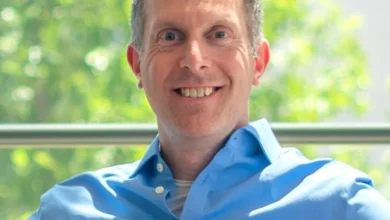
Faces of Discovery: Dr. Parminder Singh Illuminates the Interplay of Aging, Hormonal Shifts, and Metabolic Health


The Buck Institute for Research on Aging, a beacon of scientific inquiry into the fundamental processes of aging, is powered by the relentless curiosity and dedication of its researchers. Through its monthly "Faces of Discovery" series, the Buck Blog introduces the brilliant minds at the forefront of unraveling the complexities of aging and pioneering strategies for healthier, longer lives. This installment shines a spotlight on Dr. Parminder Singh, a Postdoctoral Research Fellow whose work is delving into the intricate connections between inter-organ communication, hormonal changes, and metabolic health, particularly as they pertain to the aging process in women.
Dr. Singh’s journey into the realm of aging research is a testament to unexpected paths and the power of mentorship. Initially drawn to the precise logic of physics and mathematics during his high school years, a pivotal recommendation from his school principal steered him towards biology. This seemingly minor redirection proved to be foundational, igniting a profound interest that would shape his academic and professional trajectory. His doctoral studies at the National Institute of Immunology in India provided him with a robust training in endocrinology and metabolism, laying the groundwork for his subsequent research at the Buck Institute under the guidance of Dr. Pankaj Kapahi. His dedication to this field is further recognized by the prestigious Larry H. Hillblom Postdoctoral Fellowship, which supports his investigations into how endogenous metabolites influence cellular senescence and insulin resistance.
The Shifting Landscape of Inter-Organ Communication in Aging
At its core, Dr. Singh’s research addresses a fundamental question in aging biology: how the intricate communication networks between different organs in the body are disrupted with age, and what are the consequences of these disruptions for health and longevity. While significant progress has been made in understanding the isolated functions of individual organs, the complex dialogue they maintain through hormones, metabolites, nerve signals, and immune responses remains a critical frontier.
"We understand the individual instruments in the orchestra, but we’re still deciphering the symphony of how they play together, especially as the conductor—the aging process—changes the tempo and the score," Dr. Singh explains, drawing an analogy to illustrate the complexity of inter-organ communication. This communication is not static; it evolves throughout life, and its alterations with age can manifest as a decline in overall physiological resilience and an increased susceptibility to age-related diseases.
A significant aspect of Dr. Singh’s work highlights the often-overlooked sex-specific differences in these communication pathways. He emphasizes that inter-organ communication differs between males and females, particularly during significant life transitions like menopause. These differences, he notes, may hold the key to understanding why certain diseases manifest differently in men and women. By dissecting these age-related communication breakdowns, researchers aim to develop more targeted and personalized therapeutic strategies that address the root causes of aging rather than merely treating its symptoms.
Decoding the Biological Impact of Menopause and Metabolic Stress
Dr. Singh’s research is currently focused on two interconnected areas: the biological effects of menopause and the impact of excess sugar on the body’s aging trajectory.
The Ovarian Signal and Its Far-Reaching Influence
Menopause, a natural biological transition marking the end of a woman’s reproductive years, is characterized by a gradual decline in ovarian function, leading to reduced production of hormones and other crucial signaling molecules. While often discussed in the context of reproductive health, the ovaries play a far more extensive role, communicating with numerous organs throughout the body, including the brain, and significantly influencing metabolism and overall health.
The study of surgical menopause, often resulting from bilateral oophorectomy (the surgical removal of both ovaries), provides a unique window into the immediate biological consequences of this abrupt loss of ovarian signals. Historically, hundreds of thousands of women worldwide have undergone this procedure annually. Unlike natural menopause, which typically occurs gradually, surgical menopause can lead to a sudden cessation of ovarian signaling, particularly when performed before the natural age of menopause.
To meticulously investigate these effects, Dr. Singh’s lab employs a laboratory model of bilateral ovariectomy (OVX) in animal studies. This model allows for a detailed examination of how the loss of communication between the ovaries and other organs impacts aging and health. Preliminary findings from this research indicate that the hypothalamus, a small yet vital region of the brain, is particularly sensitive to the loss of ovarian signals. The hypothalamus is instrumental in regulating a host of critical bodily functions, including sleep, metabolism, appetite, body temperature, energy balance, and hormonal activity.

When the communication between the ovaries and the brain is disrupted, specific neurons within the hypothalamus may experience a decline in function, while neighboring support cells can become more reactive. This neural dysregulation may offer insights into why symptoms such as sleep disturbances, metabolic dysfunction, fatigue, and cognitive changes become more prevalent after menopause or surgical oophorectomy.
The Accelerating Role of Excess Sugar in Aging
The second pillar of Dr. Singh’s research delves into how excessive sugar intake and impaired sugar metabolism can accelerate the aging process. Over time, a diet high in sugar can lead to the formation of harmful molecules known as advanced glycation end products (AGEs). AGEs are generated when sugars react with proteins, fats, or other cellular components, a process that can impede the normal functioning of cells and tissues.
Dr. Singh’s work suggests that the accumulation of AGEs can promote cellular aging and damage across multiple organ systems, including the brain, blood vessels, and eyes. For instance, glycation can lead to increased stiffness in blood vessels, elevate cellular stress, and contribute to chronic inflammation. These physiological changes are implicated in an increased risk of age-related conditions such as cardiovascular disease, metabolic disorders, and cognitive decline.
The convergence of these two research areas is particularly significant. Menopause can alter an individual’s metabolism and diminish the body’s capacity to manage metabolic stress. Consequently, the detrimental effects of excess sugar may be exacerbated after menopause, potentially accelerating certain aspects of aging. By examining the interplay between reproductive aging and metabolic health, Dr. Singh and his team aim to identify novel strategies that promote healthier aging and reduce the incidence of age-related diseases.
A Grandmother’s Guide to Understanding Aging Research
To make his complex research accessible, Dr. Singh often employs an analogy involving a family to explain his work to those without a deep scientific background, such as a curious grandmother.

"Imagine your body’s organs as members of a family constantly communicating with each other," Dr. Singh elucidates. "The brain is like the head of the family, responsible for organizing and maintaining calm. The ovaries, on the other hand, send out crucial messages that help guide the family’s decisions. During menopause, these ovarian messages naturally diminish, leaving the brain with less information to work with. This can lead the brain to enter a state of heightened stress, akin to a family leader under pressure, sending out confused or hurried signals. This anxiety then spreads to other family members, impacting organs like the liver, as well as fat tissues and muscles."
He continues, "Simultaneously, our daily habits, such as consuming large amounts of sugary foods, create sticky byproducts within the body. These byproducts gradually interfere with how cells function, much like dust accumulating and clogging up machinery. When menopause and these metabolic stresses occur together, certain parts of the brain become more sensitive and begin to age more rapidly than others. My research is focused on understanding precisely why this happens and discovering ways to support the brain, enabling it to remain healthier and more resilient as we grow older."
The Profound Implications of This Research
The implications of Dr. Singh’s work are far-reaching, particularly in its aim to enhance the understanding of aging, with a specific focus on women’s health. Many age-associated diseases are not sudden but develop gradually, influenced by biological changes that commence long before any symptoms become apparent. By identifying how menopause and metabolic stress impact brain function in the early stages, this research opens avenues for preventative interventions, moving beyond late-stage treatment of established conditions.
Furthermore, this research underscores the critical need for sex-specific approaches to health and aging. Recognizing and understanding these biological differences could pave the way for more precise strategies to preserve brain and metabolic health, ultimately contributing to a higher quality of life as individuals age.
The Future of Aging Research: A Rapidly Unfolding Frontier
Dr. Singh expresses immense optimism about the trajectory of aging research in the coming years. He envisions the next decade as a pivotal era for the field, driven by advancements in artificial intelligence, high-throughput screening technologies, and large-scale data analysis. These innovations are transforming the pace of discovery, moving beyond single insights to enable the identification of new therapeutic targets and the rapid testing of existing drugs against them. This accelerated process allows for the swift translation of ideas into tangible actions.

"The feeling is that the field is constantly unfolding before us," Dr. Singh remarks. "I am learning every day, observing new patterns emerge, and I’m hopeful of making my own discoveries along the way. At its heart, this work is still about uncovering stories—understanding how biology functions, where it falters, and how it adapts. I eagerly anticipate discovering these narratives and sharing them as they continue to unfold."
The work of Dr. Parminder Singh and his colleagues at the Buck Institute represents a vital contribution to our understanding of aging, offering hope for developing interventions that promote not just longer lives, but healthier and more vibrant ones for all.
Related posts: