Decoding the Biological Clock: Dr. Parminder Singh and the Quest to Unravel the Mysteries of Aging and Inter-Organ Communication


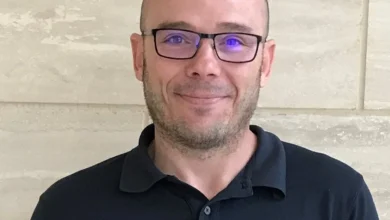
The modern scientific community has made unprecedented strides in understanding human longevity, shifting the medical paradigm from merely treating age-related diseases to targeting the fundamental biology of aging itself. At the forefront of this revolution is the Buck Institute for Research on Aging, a premier independent research institution located in Novato, California. Through its ongoing "Faces of Discovery" initiative, the institute highlights the pioneering researchers who are decoding the complex mechanisms that dictate how and why we age. Among these scientists is Dr. Parminder Singh, a Larry H. Hillblom Postdoctoral Fellow in Dr. Pankaj Kapahi’s laboratory, whose innovative work examines how cross-talk between different organ systems shapes the aging trajectory, with a specialized focus on metabolic health and the biological impacts of menopause.
From Physics to Molecular Biology: A Scientific Journey
Dr. Singh’s path to the forefront of geroscience was unconventional. Initially captivated by the structured certainties of physics and mathematics during his secondary education in India, he nearly omitted biology from his curriculum entirely. However, the intervention of his high school principal, who recognized a natural analytical aptitude, altered his trajectory. Enrolling in biology sparked a deep intellectual curiosity not just for empirical data, but for the historical narratives and human perseverance behind major scientific breakthroughs.
Dr. Singh pursued his formal education at the National Institute of Immunology in India, where he earned his Ph.D., building a robust foundation in endocrinology and metabolism. Seeking to apply these foundational principles to the broader biology of aging, he joined the Buck Institute. His academic excellence and innovative research proposals were subsequently recognized with the prestigious Larry H. Hillblom Postdoctoral Fellowship, enabling him to investigate how endogenous metabolites influence cellular senescence and systemic insulin resistance. Beyond his benchwork, Dr. Singh approaches science as a narrative discipline, dedicated to translating complex molecular pathways into accessible insights for the public.
Mapping the Conversation Between Organs
For decades, biomedical research predominantly operated under a reductionist model, examining individual organs in isolation. While this approach successfully cataloged the cellular functions of the brain, liver, pancreas, and heart, it left a critical gap in understanding how these systems coordinate over an organism’s lifespan. Organ systems do not operate in a vacuum; they constantly communicate via a complex biochemical network comprising hormones, circulating metabolites, neural pathways, and immune signals.
Dr. Singh’s current research addresses a fundamental question in biogerontology: How do disruptions in inter-organ communication accelerate the aging process, and why do these systemic breakdowns manifest differently across sexes? Traditional biomedical studies have frequently overlooked sex-specific physiological differences, leaving a critical void in understanding conditions that disproportionately affect women or manifest along distinct timelines in males and females. By examining how hormonal shifts and metabolic stressors alter inter-organ signaling, Dr. Singh aims to lay the groundwork for targeted, sex-specific therapeutic interventions that address the root drivers of age-related pathology rather than merely managing downstream symptoms.
Reproductive Aging and Metabolic Stress: Dual Pillars of Investigation
Dr. Singh’s laboratory investigations concentrate on two deeply interconnected drivers of aging: the systemic consequences of ovarian senescence (menopause and surgical menopause) and the cellular toll of chronic metabolic stress, particularly driven by excess dietary sugar.

The first major research stream focuses on the systemic repercussions of the loss of ovarian function. Menopause is a natural physiological transition characterized by the cessation of follicular activity and a consequent reduction in the production of sex hormones and systemic signaling molecules. Beyond reproductive health, ovarian signaling plays an integral role in regulating metabolic homeostasis across multiple peripheral organs, including the central nervous system.
To model and analyze the abrupt loss of these signals—a scenario also experienced by women undergoing bilateral oophorectomy (surgical removal of the ovaries)—Dr. Singh utilizes preclinical laboratory models involving bilateral ovariectomy (OVX). Approximately 300,000 women globally undergo bilateral oophorectomy annually, often facing an abrupt cessation of ovarian hormones compared to the more gradual onset of natural menopause. Findings from these models indicate that the hypothalamus, a vital neuroendocrine center regulating metabolism, energy balance, sleep, and core body temperature, is exceptionally sensitive to the loss of ovarian communication. When this signaling axis is disrupted, specific hypothalamic neurons exhibit diminished functionality, while surrounding glial support cells display heightened reactivity. These cellular shifts provide critical mechanistic clues regarding why post-menopausal individuals frequently report sleep disturbances, cognitive fluctuations, fatigue, and metabolic dysregulation.
The second core area of Dr. Singh’s research investigates the biochemical fallout of impaired sugar metabolism and chronic high sugar intake. Over time, excess circulating glucose interacts non-enzymatically with proteins, lipids, and nucleic acids, culminating in the formation of advanced glycation end products (AGEs). The accumulation of AGEs wreaks havoc on cellular machinery, inducing vascular stiffening, chronic low-grade inflammation, and heightened cellular stress across diverse tissues, including the microvasculature, ocular structures, and neural tissue. These molecular alterations significantly elevate the risk profile for cardiovascular disease, metabolic syndrome, and cognitive decline.
Crucially, these two pathways do not operate independently. Menopause inherently alters metabolic flexibility and the body’s capacity to process metabolic stress. Consequently, the cellular damage inflicted by AGEs and high-sugar diets is often amplified following the loss of ovarian function, creating a synergistic acceleration of biological aging.
Translating Complex Biology for Public Understanding

To bridge the gap between rigorous laboratory data and public health awareness, Dr. Singh frequently employs relatable analogies. He compares the human body’s organ network to a household family: the brain acts as the central coordinator, while the ovaries provide essential regulatory instructions that help maintain systemic stability. When natural transitions like menopause occur, the flow of ovarian messaging wanes, leaving the brain without critical regulatory inputs. Under this metabolic stress, the brain enters a state of heightened reactivity, broadcasting erratic signals that destabilize peripheral organs such as the liver, adipose tissue, and skeletal muscle.
When compounded by modern dietary habits rich in refined sugars—which Dr. Singh likens to dust gradually clogging delicate machinery—these combined pressures accelerate neuroinflammation and cellular senescence. By elucidating these pathways, his research seeks to identify protective interventions that preserve neurological resilience and metabolic health well into advanced age.
Broader Impacts and Implications for Preventive Medicine
The implications of Dr. Singh’s research extend far beyond academic journals, pointing toward a paradigm shift in preventive medicine. Many debilitating age-related conditions—such as neurodegenerative disorders, cardiovascular disease, and metabolic dysfunction—develop insidiously over decades, driven by molecular changes that initiate long before clinical symptoms appear.
By mapping the early longitudinal impacts of reproductive aging and metabolic stress on brain function, Dr. Singh’s work champions a preventive framework. Rather than developing interventions to treat end-stage pathology, understanding the precise breakdown of inter-organ communication allows researchers to conceptualize early, precision-based therapeutics. Furthermore, by centering sex-specific biological differences in aging studies, this research addresses a historically underserved dimension of pharmacology and medicine, paving the way for tailored interventions that optimize healthspan—the period of life spent in good health—for both women and men.

The Future of Geroscience: Artificial Intelligence and High-Throughput Discovery
Looking toward the horizon, Dr. Singh remains profoundly optimistic about the trajectory of aging research over the next decade. The convergence of geroscience with cutting-edge technological advancements—including artificial intelligence, high-throughput drug screening platforms, and multi-omic data analytics—has fundamentally transformed the pace of discovery. Researchers are no longer constrained to evaluating isolated biological targets sequentially; instead, they can model complex systemic interactions, screen thousands of candidate molecules simultaneously, and translate basic scientific insights into actionable clinical strategies at an unprecedented velocity.
As the scientific community continues to map the intricate networks connecting metabolism, endocrinology, and longevity, researchers like Dr. Parminder Singh remain dedicated to uncovering the fundamental narratives of human biology. By deciphering how the body adapts, falters, and communicates across a lifespan, this research continues to illuminate new pathways toward a healthier, more resilient future.