Combating the COVID-19 Infodemic: A Global Call to Action Against Misinformation and Disinformation in the Digital Age

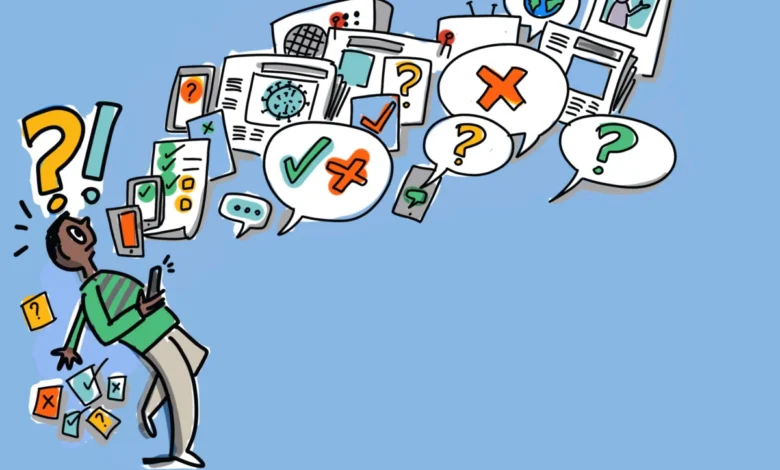
The advent of the COVID-19 pandemic marked a historic turning point in human history, characterized not only by the rapid global spread of a novel coronavirus but also by the unprecedented scale at which digital technology and social media were leveraged to keep populations connected, informed, and functional under lockdown conditions. For the first time during a global health emergency, billions of people retreated into digital spaces for remote work, education, and social interaction, relying on smartphones, laptops, and internet platforms to navigate an uncertain reality. However, this profound reliance on digital connectivity inadvertently birthed a parallel crisis: a relentless, pervasive infodemic that continues to undermine public health interventions, fracture societal cohesion, and jeopardize global efforts to bring the pandemic under control.
An infodemic is defined as an overabundance of information—both online and offline—that includes deliberate, coordinated attempts to disseminate false or misleading narratives. These campaigns are frequently deployed to undermine public trust in scientific institutions, sabotage public health measures, and advance the hidden political, ideological, or financial agendas of specific groups and individuals. The consequences of this digital pollution extend far beyond mere confusion. Misinformation and disinformation directly threaten physical and mental health, accelerate social stigmatization against vulnerable populations, erode hard-won global health gains, and foster widespread non-compliance with critical public health protocols. By diminishing the effectiveness of containment strategies, the infodemic has actively prolonged the pandemic and exacerbated mortality rates worldwide.
The Anatomy of an Infodemic: How Falsehoods Cost Lives
The mechanism by which misinformation sabotages public health is both direct and systemic. In the absence of robust public trust and accurate, accessible information, life-saving medical interventions fail to reach their intended impact. Diagnostic tests go unused or are met with widespread suspicion; immunization campaigns and vaccine rollout initiatives face fierce resistance fueled by fabricated safety concerns; and fundamental prevention measures, such as masking and physical distancing, are rejected. When communities are saturated with conflicting, sensationalized, and scientifically baseless claims, the virus continues to thrive, mutating and spreading unchecked through unprotected populations.
Furthermore, the damage inflicted by disinformation extends deep into the sociopolitical fabric of nations. Rather than fostering constructive dialogue, online falsehoods intensely polarize public discourse surrounding COVID-19 and its management. They amplify hate speech directed at minority groups, immigrants, and healthcare workers, thereby heightening the risk of civil conflict, localized violence, and severe human rights violations. Over the long term, this erosion of shared factual reality poses a fundamental threat to the foundations of democracy, institutional accountability, and social cohesion.
Chronology of a Crisis: Key Milestones in the Global Response
Recognizing that the battle against the virus could not be won without simultaneously addressing the tidal wave of false information, international bodies and public health authorities mobilized rapidly during the opening phases of the pandemic.
April 2020: The United Nations Response
In April 2020, as infection curves climbed steeply across the globe and digital platforms overflowed with unverified cures and conspiracy theories, United Nations Secretary-General António Guterres launched the United Nations Communications Response initiative. This strategic campaign was designed to flood the digital ecosystem with verified, science-based information while actively pushing back against dangerous myths and malicious falsehoods.
May 2020: Policy Guidance and Legislative Recognition
The international community took formal legislative and regulatory steps in May 2020 to confront the dual crises of hate speech and misinformation. On May 11, 2020, the United Nations issued a comprehensive Guidance Note on Addressing and Countering COVID-19 Related Hate Speech, providing operational tools for governments, civil society organizations, and digital platforms to identify and mitigate xenophobic and inflammatory rhetoric linked to the pandemic.
Later that month, during the virtual Seventy-Third World Health Assembly, Member States of the World Health Organization (WHO) achieved a historic consensus by passing Resolution WHA73.1 on the COVID-19 response. This landmark resolution formally acknowledged that managing the infodemic is not merely an ancillary communication task, but a critical, non-negotiable component of controlling the global pandemic.
Resolution WHA73.1 explicitly called upon all WHO Member States to proactively provide reliable, transparent COVID-19 content to their citizens, implement targeted measures to counter mis- and disinformation, and leverage emerging digital technologies to support public health messaging. Furthermore, the resolution mandated international organizations to address digital-sphere falsehoods, work aggressively to prevent malicious cyber activities that disrupt health infrastructure and response mechanisms, and ensure the uninterrupted supply of transparent, science-based data to the global public.
Data and Fact-Based Analysis of Implications
Statistical analyses and academic research conducted during the height of the pandemic underscore the devastating empirical impact of the infodemic. Studies tracking social media engagement revealed that sensationalized falsehoods and conspiracy theories consistently generated significantly higher algorithmic amplification, shares, and user engagement than sober, nuanced updates from authoritative public health agencies such as the WHO or national ministries of health.
This structural bias within modern social media architectures—which prioritize user engagement and emotional arousal over factual accuracy—created an uneven playing field for public health communicators. Survey data compiled across multiple nations throughout 2020 and 2021 demonstrated a direct correlation between exposure to COVID-19 misinformation and vaccine hesitancy. Populations heavily exposed to unverified digital narratives exhibited markedly lower rates of vaccine uptake, leading to preventable hospitalizations and overwhelming healthcare systems that were already stretched to their absolute limits.
Moreover, the economic implications of prolonged pandemic waves driven by behavioral non-compliance and vaccine resistance ran into the hundreds of billions of dollars globally. Supply chain disruptions, delayed economic reopenings, and recurring lockdowns were repeatedly exacerbated by waves of public panic and skepticism catalyzed by infodemic phenomena. The analysis clearly indicates that information integrity is an essential public utility, directly tied to economic stability, national security, and public health resilience.
Collaborative Action: The Imperative for a Multi-Stakeholder Approach
Despite the concerted efforts of the United Nations system, specialized agencies, and dedicated civil society organizations, the sheer volume of misinformation continues to outpace current containment strategies. As the pandemic has evolved through successive waves and new variants, creating sustained uncertainty and widespread psychological fatigue, the demand for more aggressive, synchronized interventions has become acutely urgent.
Effectively managing the infodemic requires abandoning fragmented approaches in favor of a cohesive, multi-lateral strategy. Governments, international bodies, technology conglomerates, academic researchers, community leaders, and individual content creators all bear distinct responsibilities in the restoration of information integrity.
A Call to Action for Member States
The international community, led by multilateral institutions, has issued explicit directives for national governments to operationalize comprehensive defense mechanisms against digital falsehoods:
- Development of National Action Plans: Member States are urged to formulate and execute robust, cross-sectoral action plans specifically designed to manage the infodemic. These frameworks must prioritize the timely dissemination of accurate, evidence-based scientific information to all segments of society, with a particular focus on high-risk, marginalized, or hard-to-reach communities who are often disproportionately targeted by predatory misinformation campaigns.
- Combating Falsehoods While Protecting Fundamental Rights: Governments must take proactive measures to prevent the spread of and actively combat mis- and disinformation. Crucially, however, these regulatory and communicative efforts must be executed in strict adherence to international human rights standards, ensuring that freedom of expression, press freedom, and civic space are fiercely protected rather than suppressed under the guise of crisis management.
- Engaging and Empowering Communities: Top-down governmental messaging alone is insufficient to build lasting resilience against false narratives. Member States must actively engage with, listen to, and empower local communities. By involving grassroots leaders, trusted local voices, and civil society networks in the co-design of public health communications, nations can foster organic resilience and equip citizens with the critical media literacy skills required to independently identify and reject misinformation.
Mobilizing the Broader Stakeholder Ecosystem
Beyond the actions required of national governments, the global mandate to curb the infodemic extends to every corner of the modern digital ecosystem. A broad coalition of non-state actors possesses the technical capability, communicative reach, and moral authority to transform the information landscape:
- Media and Technology Platforms: Social media companies and digital intermediaries—the primary conduits through which mis- and disinformation are generated, scaled, and monetized—must dramatically strengthen their content moderation protocols, algorithmic transparency, and partnerships with independent fact-checkers. Rather than treating misinformation as a secondary compliance issue, platforms must view information integrity as a core corporate and social responsibility.
- Researchers and Technologists: The academic and tech communities are called upon to design, test, and deploy innovative tools, diagnostic frameworks, and intervention strategies to detect and neutralize infodemic trends before they achieve viral velocity. Data scientists and behavioral researchers must collaborate closely with public health officials to understand the psychological drivers of misinformation adoption.
- Civil Society Leaders and Influencers: Community organizers, religious leaders, cultural icons, and digital influencers wield profound influence over public perception. By lending their platforms and credibility to science-based messaging, these stakeholders can bridge the trust gap between institutional authorities and skeptical populations.
Conclusion: Securing the Future of Public Health and Democracy
The COVID-19 pandemic has served as an unforgiving stress test for global systems, revealing both the miraculous potential of modern medical science and digital connectivity, and the terrifying vulnerability of human societies to manufactured falsehoods. Managing the infodemic is no longer a peripheral concern for communications specialists; it is an absolute prerequisite for global health security, democratic preservation, and social stability.
Only through an unprecedented, unyielding spirit of international cooperation, transparency, and shared responsibility can governments, organizations, and citizens reclaim the digital public square. By championing accurate, evidence-based information and empowering communities to stand resilient against deception, the global community can turn the tide not only against the coronavirus itself, but against the insidious shadow pandemic of misinformation that threatens to tear societies apart.
Related posts: