Belgium and the World Health Organization Forge Deeper Strategic Partnership to Advance Global Health Security and Universal Coverage

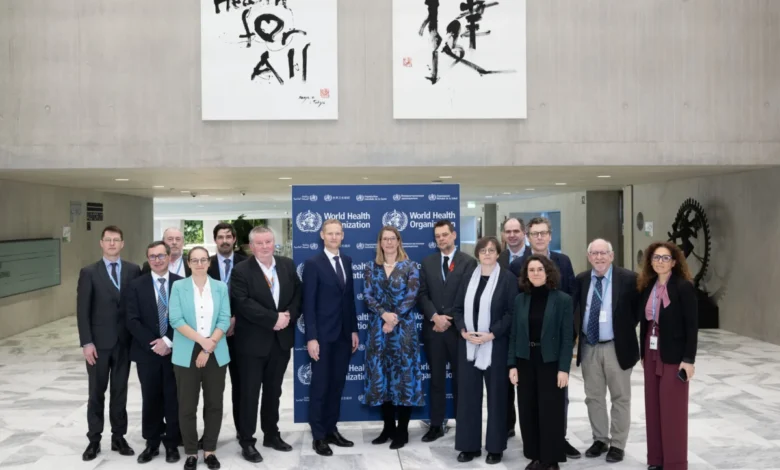
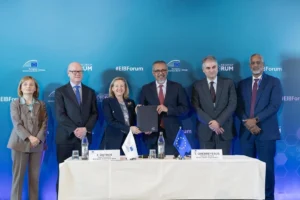
The intricate architecture of international public health underwent a rigorous examination in Geneva as representatives from the Kingdom of Belgium and the World Health Organization concluded a comprehensive three-day strategic dialogue. The high-level consultations, which took place from March 2 to March 5, 2025, served as a crucial platform to review decades of collaborative milestones and outline a forward-looking agenda. Against the backdrop of an increasingly complex global health landscape—marked by post-pandemic recovery, shifting geopolitical dynamics, and escalating climate-related health threats—both delegations reaffirmed their unwavering commitment to multilateralism, universal health coverage (UHC), and equitable access to life-saving medical countermeasures.
The Belgian delegation arrived in Geneva with robust representation, reflecting a unified national approach that encompassed federal authorities as well as the regional governments of Flanders and Wallonia. Headed by His Excellency Christophe Payot, Ambassador and Permanent Representative of Belgium to the United Nations and other international organizations in Geneva, the delegation engaged in intensive deliberations with WHO leadership, technical experts from headquarters, and representatives from the Regional Offices for Africa and Europe. This multi-layered engagement underscored Belgium’s status not merely as a traditional donor state, but as an active, hands-on strategic partner deeply invested in the operational realities of global health delivery.
Chronology of the Strategic Dialogue and Institutional Alignment
The genesis of this year’s dialogue builds upon a progressive trajectory of institutional cooperation that has matured significantly over the past decade. The 2025 consultations were particularly timely, following closely on the heels of Belgium’s presidency of the Council of the European Union in 2024. During its EU presidency, Belgium successfully championed several core global health priorities, including health security, workforce resilience, and sustainable financing for international institutions. The Geneva dialogue provided an institutional mechanism to take stock of how these European-level priorities are translating into tangible, field-level interventions supported by Belgian development cooperation.
The structured agenda of the three-day meeting was systematically divided into thematic pillars that mirror the core challenges of contemporary global health governance. Day one concentrated on high-level strategic alignment, examining how WHO’s overarching frameworks—specifically the transition toward the 14th General Programme of Work (GPW14)—intersect with Belgium’s bilateral and multilateral development strategies. Day two pivoted toward operational reviews, diving deep into the mechanics of the Belgium-funded Access to Medicines programme, pandemic preparedness architectures, and regional emergency responses in conflict and crisis zones. The final day consolidated these findings, paving the way for the conceptualization of a renewed WHO-Belgium Country Cooperation Strategy designed to guide joint efforts through the remainder of the decade.
Expanding Equitable Access to Medical Countermeasures
At the heart of the bilateral partnership lies a shared conviction that medical innovation remains incomplete without equitable distribution. During the dedicated session on pharmaceutical access, participants scrutinized the performance and measurable outcomes of the Access to Medicines initiative, a flagship program receiving substantial financial backing from Brussels.
To ground the theoretical discussions in empirical reality, WHO technical teams presented detailed case studies from field implementations, notably highlighting ongoing efforts in Senegal. The presentation illuminated both the profound structural achievements—such as enhanced supply chain reliability and regulatory strengthening—and the persistent bottlenecks inherent in local health systems. Discussions extended beyond immediate procurement to address the complex ecosystem of market shaping, local manufacturing capacity in low- and middle-income countries, and intellectual property frameworks. Both delegations concurred that long-term sustainability requires moving away from emergency dependency toward robust regional manufacturing hubs that can autonomously supply essential vaccines, medicines, and diagnostic tools during systemic shocks.
Fortifying Health Emergencies, Pandemic Preparedness, and the One Health Paradigm
The shadow of recent global health emergencies loomed large over the discussions surrounding health security and pandemic prevention, preparedness, and response (PPPR). As international negotiations regarding a global pandemic agreement continue to navigate geopolitical sensitivities, Belgium and the WHO used the dialogue to reaffirm the necessity of a binding, equitable global architecture.
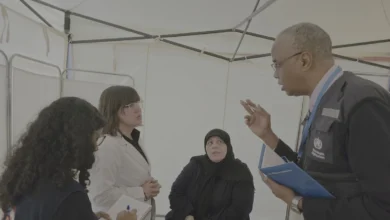
The dialogue addressed the intricate nexus between human health, animal health, and environmental degradation, formally embracing the One Health approach as an operational necessity rather than a theoretical ideal. To demonstrate the real-world application of emergency readiness, WHO officials detailed their operational constraints and achievements in active crisis zones, providing stark operational overviews of their emergency response in Gaza. Furthermore, the agenda addressed the accelerating threats posed by biological risks, zoonotic spillover events, and antimicrobial resistance (AMR). Experts evaluated existing risk-mitigation strategies, emphasizing that early detection and rapid containment at the animal-human interface are the most cost-effective defenses against catastrophic global outbreaks.
Universal Health Coverage and Decentralized Country-Level Impact
While high-level emergency response captures global headlines, the bedrock of sustainable health security remains Universal Health Coverage. Reviewing the programmatic milestones achieved under the UHC-Partnership framework between 2021 and 2024, participants evaluated the transformative impact of Belgian funding in fragile and transition settings.

Particular attention was devoted to the Democratic Republic of Congo (DRC), where Belgian bilateral cooperation and WHO field presence frequently intersect. Country-level representatives outlined the triumphs and operational hurdles of integrating primary health care with targeted disease control programs. These discussions highlighted the integration of mental health services into primary care structures—an area that has historically suffered from underinvestment in resource-constrained environments. Additionally, the partners reviewed progress across specialized portfolios funded by Belgium, including the eradication and control of Neglected Tropical Diseases (NTDs) and the protection of Sexual and Reproductive Health and Rights (SRHR). Evidence-based interventions in these domains remain critical touchstones for human rights and socioeconomic development.
Official Statements and Institutional Reflections
The collaborative tone of the dialogue was underscored by mutual expressions of institutional respect and shared purpose. Dr. Catharina Boehme, WHO Assistant Director-General for External Relations and Governing Bodies, commended the Belgian state for its holistic national engagement.
"We thank you for your support, honesty, and strong engagement for global health," Dr. Boehme stated during the plenary sessions. "Your efforts in supporting our work in Mozambique and Senegal are clear examples of the crucial work we accomplish together."
This sentiment was echoed by members of the Belgian delegation, who emphasized the tangible value of witnessing international contributions translate into local impact.
"After listening to the leaders and experts of WHO, we now better understand how they are navigating these challenging times," remarked Koen Van Acoleyen, Minister Counselor at the Permanent Representation of Belgium to the UN. "We are honoured that we can walk this road together."
Dirk Brems, Director of Thematic and Multilateral Cooperation within the Directorate-General for Development Cooperation and Humanitarian Aid, underscored the strategic reassurance the dialogue provided to donor nations operating in an unpredictable financial climate.
"We recognize WHO as a trustworthy partner in global health. We felt proud hearing how crucial our support is to the Organization and how it is having a positive impact at country, regional, and global levels," Mr. Brems noted. "It’s important we continue these discussions as we tread uncharted territories, and we look forward to working together for strong and sustained multilateralism."
Broader Implications and Strategic Outlook for the Global Health Agenda
The successful conclusion of the 2025 strategic dialogue carries significant implications for the broader multilateral health architecture. As the international community grapples with donor fatigue, competing foreign policy priorities, and the lingering socioeconomic scars of past crises, the enduring partnership between Belgium and the WHO offers a resilient model of principled, predictable international cooperation.
By tying financial contributions directly to the strategic priorities of the WHO’s 14th General Programme of Work—which places UHC and health systems strengthening at its core—Belgium is helping to steer multilateral resources toward structural resilience rather than fragmented, vertical disease interventions. The alignment of bilateral development priorities with normative global guidance minimizes duplication and maximizes fiscal efficiency.
Looking forward, the roadmap established during the Geneva meetings will culminate in the finalization of the renewed WHO-Belgium Country Cooperation Strategy. As both entities prepare to navigate the complex health challenges of the late 2020s—ranging from climate-induced epidemiological shifts to the persistent financing gaps in primary health care—the reinforced alliance stands as a testament to the enduring efficacy of collaborative global governance. Through sustained political will, technical rigor, and mutual accountability, Belgium and the WHO have fortified their shared mission to ensure that health remains a fundamental, universally accessible human right.
Related posts: