WHO Releases Updated Guidelines Emphasizing Modifiable Risk Factors for Dementia Prevention and Cognitive Decline Reduction

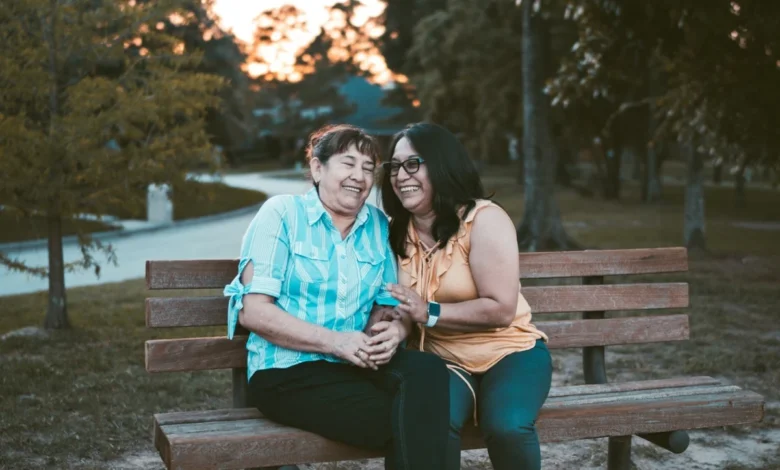
The World Health Organization (WHO) has today unveiled comprehensive updated guidelines on reducing the risk of cognitive decline and dementia, providing a critical global framework with evidence-based recommendations designed to empower countries in their efforts to prevent or delay the onset of dementia across the entire life course. This release marks a significant stride in the global health community’s understanding and proactive approach to a condition that affects tens of millions worldwide, underscoring the growing consensus that a substantial portion of dementia risk is indeed modifiable through targeted interventions.
Dementia, a complex and debilitating condition stemming from various brain diseases, profoundly impairs memory, thinking abilities, and the capacity to perform daily functions. The scale of this global health crisis is staggering: currently, more than 57 million people are living with dementia across the globe, with an alarming nearly 10 million new diagnoses recorded annually. Projections from organizations like Alzheimer’s Disease International (ADI) suggest these numbers are set to skyrocket, potentially reaching 78 million by 2030 and a staggering 139 million by 2050, driven primarily by an aging global population. Alzheimer’s disease stands as the most prevalent form of dementia, estimated to account for a significant 60% to 70% of all cases, followed by vascular dementia, Lewy body dementia, and frontotemporal dementia, each presenting unique challenges in diagnosis and management.
While a definitive cure for dementia remains elusive, groundbreaking research highlighted in these updated guidelines reveals that up to 45% of dementia risks can be attributed to modifiable factors. This crucial insight transforms the narrative from one of inevitable decline to one of proactive prevention and risk reduction. Key modifiable risk factors identified include tobacco use, excessive alcohol consumption, social isolation, physical inactivity, and exposure to air pollution. Furthermore, noncommunicable diseases (NCDs) such as high blood pressure (hypertension) and diabetes are strongly implicated, emphasizing the interconnectedness of overall health with brain health. Beyond the direct health implications, dementia profoundly impacts an individual’s independence, dignity, and safety, creating immense personal suffering and placing substantial burdens on families, caregivers, and healthcare systems.
A Call to Action from Global Leadership
Dr. Tedros Adhanom Ghebreyesus, WHO Director-General, articulated the urgency and significance of these new guidelines, stating, "We know more today than ever before about what drives dementia risk, and these guidelines translate that knowledge into action. Countries now have clear, evidence-based recommendations they can put into practice immediately to protect people’s cognitive health." His statement underscores the WHO’s commitment to translating scientific advancements into actionable public health strategies, providing a vital roadmap for member states.
The WHO’s updated guidelines reflect the latest evidence and innovations in dementia risk reduction, consolidating a robust body of research into proven interventions that can effectively lower dementia risk through early awareness and timely action. This comprehensive approach represents an important opportunity to significantly reduce the global burden of dementia in the coming decades, particularly through stronger integration of services related to noncommunicable diseases, mental health, and broader brain health initiatives. The emphasis on a life-course approach signifies that interventions at any stage of life, from early adulthood to old age, can contribute to preserving cognitive function and delaying or preventing the onset of dementia.
Reducing Risk, Preventing Illness: The Evolution of Guidelines
The release of these updated guidelines marks a significant milestone, building upon the foundational recommendations first issued by the WHO in 2019. The intervening years have witnessed a substantial growth in the evidence base, with numerous large-scale longitudinal studies and meta-analyses refining our understanding of the complex interplay between lifestyle, environmental factors, and genetic predispositions in dementia development. These new guidelines provide consolidated, actionable recommendations on addressing unhealthy behaviors, managing medical conditions more effectively, and reducing exposure to environmental factors that are increasingly understood to contribute to cognitive decline and dementia.
The guidelines advocate for several healthy behaviors and lifestyle interventions as cornerstones of dementia risk reduction. These include promoting cognitive training and cognitive stimulation, which involve engaging in mentally challenging activities, learning new skills, or participating in educational programs. Such activities are recommended for adults who maintain normal cognition or are experiencing mild cognitive impairment, with evidence suggesting they can enhance cognitive reserve and potentially delay the progression of cognitive decline. Furthermore, active engagement in social activities is strongly encouraged to combat social isolation, a recognized risk factor for dementia. Social interaction not only provides mental stimulation but also fosters emotional well-being, both crucial for brain health.
Beyond these specific cognitive and social engagements, the updated advice also encompasses interventions that broadly reduce the risk of noncommunicable diseases, which are intricately linked to brain health. These include increasing physical activity, with recommendations often aligning with general health guidelines of at least 150 minutes of moderate-intensity aerobic activity per week, coupled with muscle-strengthening exercises. The benefits of physical activity extend beyond cardiovascular health to improved blood flow to the brain, neurogenesis, and reduced inflammation. Stopping tobacco use is another critical recommendation; smoking is a significant risk factor for cardiovascular disease, stroke, and directly contributes to oxidative stress and inflammation in the brain. Similarly, reducing alcohol consumption is vital, as excessive intake is known to be neurotoxic and can lead to brain atrophy and impaired cognitive function. Adopting a healthy diet, often exemplified by patterns like the Mediterranean or DASH (Dietary Approaches to Stop Hypertension) diets, rich in fruits, vegetables, whole grains, lean proteins, and healthy fats, is recommended for its anti-inflammatory and antioxidant properties that support brain health.
A notable new recommendation in these guidelines is the call to reduce exposure to air pollution. Emerging research has increasingly linked fine particulate matter (PM2.5) and other air pollutants to neuroinflammation, oxidative stress, and structural changes in the brain, suggesting a direct pathway through which environmental factors can contribute to cognitive decline and an increased risk of dementia. This inclusion reflects a broader understanding of public health interventions extending beyond individual lifestyle choices to encompass environmental policy.
Managing Medical Conditions and Unmasking Hidden Risks
Effective management of cardiometabolic conditions is highlighted as another pivotal strategy in dementia risk reduction. Conditions such as hypertension (high blood pressure), diabetes, and high cholesterol are well-established risk factors for cardiovascular disease, which in turn significantly increases the likelihood of vascular dementia and can exacerbate Alzheimer’s pathology. The guidelines emphasize the importance of early detection, consistent monitoring, and adherence to medical treatments to keep these conditions under control. For instance, maintaining blood pressure within healthy ranges helps preserve the integrity of cerebral blood vessels, ensuring adequate blood supply to the brain. Similarly, managing blood glucose levels in individuals with diabetes can prevent damage to small blood vessels in the brain and reduce inflammatory processes implicated in neurodegeneration.
In a particularly insightful addition, the guidelines now recommend that hearing aids may be offered as part of comprehensive risk-reduction strategies. Recent epidemiological studies have identified untreated hearing loss as a significant and potentially modifiable risk factor for cognitive decline and dementia. The proposed mechanisms include increased cognitive load on the brain, leading to reduced resources for other cognitive functions, and social isolation resulting from communication difficulties. Addressing hearing loss through aids can mitigate these factors, improving social engagement and potentially alleviating cognitive strain.
Conversely, the guidelines also provide crucial advice on interventions that are not recommended. As an intervention specifically to reduce the risk of cognitive decline and/or dementia, the guidelines explicitly do not recommend supplementation with vitamins B and E, omega-3 polyunsaturated fatty acids (PUFA), and multivitamins/minerals in the absence of a diagnosed deficiency. This cautionary stance is based on a thorough review of the current scientific evidence, which has largely failed to demonstrate any significant benefits of these supplements in preventing dementia in healthy individuals, and in some cases, has indicated potential for unexpected harmful effects or interactions. This clarification is vital for guiding both public and clinical practices, preventing the unnecessary expenditure on unproven therapies, and focusing resources on evidence-based interventions.
The Prohibitive Human and Economic Cost
The profound impact of dementia extends far beyond the individual, creating immense human and economic costs globally. Dementia fundamentally compromises an individual’s ability to live independently, participate in the workforce, and function in society, gradually eroding their sense of self and autonomy. This progressive loss places substantial and often overwhelming burdens on families and informal carers, who frequently provide round-the-clock care without adequate support or compensation. This care often leads to significant emotional stress, physical exhaustion, and financial strain for families, with caregivers often sacrificing their own careers and well-being.
Economically, the global cost of dementia is staggering, estimated at approximately US$1.3 trillion annually. This figure encompasses direct medical costs (hospitalizations, medications, doctor visits), direct social care costs (nursing homes, home care services), and critically, the immense value of unpaid care provided by families and friends. Alarmingly, about half of this total economic burden is driven by this unpaid care, highlighting a hidden cost that is rarely fully accounted for in national budgets but represents an invaluable contribution to patient well-being. Without effective preventive strategies, these costs are projected to escalate dramatically as global populations age, threatening the sustainability of healthcare systems worldwide.
The WHO’s updated guidelines offer a beacon of hope and a clear call to action. By understanding the modifiable risk factors and implementing timely, evidence-based interventions, there is a tangible opportunity to improve not only the health but also the quality of life for millions. These strategies can help people live longer, healthier, and more independent lives, preserving cognitive function for as long as possible.
Broader Implications and a Global Health Imperative
The release of these guidelines is a testament to the evolving understanding of brain health as an integral component of overall public health. It positions dementia prevention not merely as a medical challenge but as a societal one, requiring coordinated efforts across multiple sectors. Public health campaigns will be crucial to raise awareness among the general population about the modifiable risk factors and the benefits of a healthy lifestyle from an early age. Educational initiatives can empower individuals to make informed choices regarding diet, exercise, smoking cessation, and alcohol consumption.
For healthcare systems, the guidelines imply a stronger integration of services. Primary care providers will play an increasingly vital role in screening for and managing cardiometabolic conditions, advising on lifestyle modifications, and identifying early signs of cognitive impairment. There will be a need for enhanced training for healthcare professionals to effectively implement these recommendations and to understand the nuanced links between physical and cognitive health. Furthermore, environmental policy will need to consider brain health, particularly in efforts to reduce air pollution in urban and industrial areas.
Advocacy groups, such as national Alzheimer’s associations and organizations dedicated to healthy aging, are expected to welcome these guidelines as a powerful tool for their work. They can leverage the WHO’s recommendations to advocate for stronger governmental policies, increased research funding, and better support services for individuals living with dementia and their caregivers. These guidelines provide a unified, global message that can amplify local advocacy efforts.
In essence, the updated WHO guidelines represent a pivotal moment in the global fight against dementia. They shift the paradigm from reactive management to proactive prevention, offering a clear, evidence-based path forward. By emphasizing the modifiable nature of many risk factors, they instill hope and empower individuals, communities, and governments to collectively work towards a future where the burden of dementia is significantly reduced, allowing more people to experience a lifetime of cognitive vitality and independence. The challenge now lies in the effective dissemination and implementation of these crucial recommendations across diverse cultural and socio-economic contexts, ensuring that the promise of prevention becomes a global reality.
Related posts: