Poet Yrsa Daley-Ward Illuminates the Transformative Power of Stillness and Uncertainty in National Poetry Month Feature


In a profound reflection shared as part of a "Happiness Break" episode, acclaimed poet and author Yrsa Daley-Ward has offered a compelling perspective on the often-overlooked value of "in-between moments," stillness, and uncertainty. Her poetic insights, released in celebration of National Poetry Month, underscore a critical message: the unknown is not merely a void to be filled but fertile ground where genuine personal and societal change can germinate. This feature on the "Happiness Break" podcast, an initiative dedicated to sharing short, science-backed practices for enhanced well-being, positions Daley-Ward’s contemplative work at the intersection of art, psychology, and practical guidance for navigating modern life.
Yrsa Daley-Ward: A Voice for the Deeper Self
Yrsa Daley-Ward is a distinguished literary figure, recognized for her powerful and evocative poetry and prose. Her work often delves into themes of identity, vulnerability, healing, and the human experience, resonating deeply with a broad audience. An award-winning poet, her published works include collections that have garnered critical acclaim for their raw honesty and lyrical beauty. Beyond poetry, Daley-Ward is also the author of the novel The Catch, further demonstrating her versatile literary talent. Her contribution to the "Happiness Break" series aligns seamlessly with her established artistic philosophy, which frequently explores the intricate landscapes of the nervous system and the questions that stir the deeper self.
Daley-Ward’s unique ability to articulate universal human feelings of doubt, confusion, and the search for meaning makes her an ideal guide for exploring these challenging psychological territories. She frames her reflections not as prescriptive advice but as shared meditations, acknowledging the commonality of human experience. "I really like to write about matters of the heart and speak to what might be going on in the nervous system and write questions or meditations on our deeper selves and the spaces that we find ourselves in," Daley-Ward explained during the podcast. This approach fosters a sense of connection and validation for listeners, reinforcing the idea that individual struggles are often collective experiences.
The Genesis of the "Happiness Break" Episode
The "Happiness Break" podcast, hosted by Shuka Kalantari, is part of a larger ecosystem of well-being content, often associated with the Greater Good Science Center at the University of California, Berkeley. Its mission is to disseminate research-backed practices in an accessible format, helping individuals connect more deeply with themselves, others, and the wider world. The decision to feature Yrsa Daley-Ward during National Poetry Month in April was a deliberate choice, highlighting the profound role of the arts, particularly poetry, in fostering mental and emotional resilience.
National Poetry Month, established in 1996 by the Academy of American Poets, serves as the largest literary celebration in the world, dedicated to increasing the visibility and appreciation of poetry. Each April, poets, publishers, booksellers, librarians, and schools across the nation come together to celebrate poetry’s vital role in culture. Featuring a contemporary poet like Daley-Ward on a platform focused on psychological well-being underscores a growing recognition of poetry not just as an artistic endeavor but as a powerful tool for personal introspection and growth, aligning perfectly with the scientific mission of the "Happiness Break" series. The synergy between Daley-Ward’s poetic philosophy and the podcast’s scientific foundation creates a robust framework for understanding the therapeutic potential of her message.
Poetic Meditations: Embracing the Dark and the Stillness
Daley-Ward’s contribution to the podcast consists of two unnamed meditations, designed to guide listeners through a reflective journey. Her words challenge conventional notions of success and progress, inviting a re-evaluation of perceived failures and periods of inactivity.
The first meditation offers a powerful reframing of adversity: "This moment is not the whole story; to break is not to fail, to fall is not to lose. There are worlds that only open in the dark. To love yourself through the darkness is to plant gardens at night. No witnesses, only stars." This poetic invocation encourages resilience, suggesting that moments of difficulty are not endpoints but rather transitional phases. The imagery of "planting gardens at night" speaks to the quiet, unseen work of self-compassion and growth that occurs away from external validation, emphasizing an internal locus of strength and hope. This sentiment is particularly resonant in a world often focused on visible achievements and immediate gratification, offering a counter-narrative of intrinsic value.
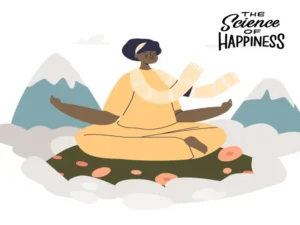
The second meditation extends this theme, focusing on the transformative potential of stillness and uncertainty: "Not everything worth finding is wrapped in clarity and sunshine. Some things arrive through the fog, through tension, through that strange in-between." Daley-Ward challenges the ingrained societal pressure to be constantly productive and in motion, proposing that clarity is not always a prerequisite for discovery. She emphasizes that profound insights often emerge from moments when "everything else falls away," revealing truths that are obscured by the noise of constant activity.
Crucially, she addresses the prevalent anxiety surrounding inactivity: "We’ve been taught to panic when we’re not busy. But what if the silence is not a failure? What if the silence is the doorway?" This questioning serves as a profound psychological intervention, encouraging listeners to reframe stillness not as a deficit but as a "portal" to deeper understanding. She explicitly rejects the need for rigid "five-step plans" during periods of confusion, asserting that "this unknown, this confusion, this pause, these doubts are not wasted time. This is the terrain of real change." This statement is a direct challenge to the modern productivity paradigm, advocating for a more compassionate and realistic approach to personal development, one that recognizes the inherent value of introspection and patience.
The Scientific Basis of Poetry and Well-being
The "Happiness Break" podcast frequently draws upon scientific research, and the inclusion of poetry aligns with a growing body of evidence supporting the psychological and neurological benefits of engaging with poetic expression. As Shuka Kalantari noted in the episode’s introduction, research indicates that poetry can significantly aid in processing emotions, enhance memory and self-awareness, and even alleviate stress.
Neuroscientific studies have shown that reading or listening to poetry activates distinct regions of the brain. For instance, research published in journals like Frontiers in Psychology and Journal of Consciousness Studies suggests that poetry engages areas associated with introspection, memory, and emotional processing more intensely than prose. The rich imagery, rhythm, and metaphorical language in poetry can stimulate a broader range of cognitive functions, including abstract thought and imaginative faculties. This heightened neural activity can lead to a deeper engagement with content, fostering empathy and providing a unique pathway for emotional catharsis.
Furthermore, the structured yet flexible nature of poetic language can help individuals articulate complex feelings that might be difficult to express otherwise. This process of externalizing emotions through poetry can be therapeutic, helping to reduce rumination and promote emotional regulation. The act of engaging with poetry, whether reading, writing, or listening, has been linked to improved mental well-being outcomes, including reduced symptoms of anxiety and depression. The podcast has previously explored these connections in related episodes such as "Our Brains on Poetry" and "How Art Heals Us," providing a scientific bedrock for Daley-Ward’s artistic contribution.
Challenging the Cult of Constant Busyness
Daley-Ward’s meditations resonate profoundly in a contemporary society that often valorizes constant activity, productivity, and the appearance of being perpetually busy. There is a pervasive cultural narrative that equates stillness with idleness, and uncertainty with failure. This narrative can lead to significant psychological distress, as individuals feel pressured to constantly optimize their time and output, often at the expense of their mental health.
The emphasis on external validation and quantifiable achievements can create an environment where introspection and non-doing are viewed as unproductive or even shameful. This societal pressure contributes to burnout, chronic stress, and a diminished capacity for creative thought. Daley-Ward’s message offers a vital counterpoint, asserting that these moments of pause are not simply gaps between productive periods but are, in fact, integral to genuine growth and transformation.
By challenging the notion that "we’ve been taught to panic when we’re not busy," Daley-Ward encourages a paradigm shift. She invites listeners to consider that "the silence is not a failure" but rather "the doorway." This reframing is crucial for mental resilience, enabling individuals to cultivate a healthier relationship with their internal states and external demands. It suggests that profound insights and true innovation often emerge from periods of quiet contemplation, when the mind is allowed to wander and connect disparate ideas without the pressure of immediate action.
Implications for Mental Health and Personal Growth
The implications of Yrsa Daley-Ward’s message for mental health and personal growth are substantial. In an era marked by rapid change and unprecedented global challenges, the ability to tolerate ambiguity and embrace uncertainty is a critical psychological skill. Her words provide a framework for developing this resilience, encouraging individuals to view periods of confusion or stagnation not as setbacks, but as essential components of their developmental journey.
For many, the concept of "real change" is often associated with grand gestures or immediate solutions. Daley-Ward’s meditations suggest that the most profound transformations often occur in the subtle, unseen moments of introspection and quiet processing. This perspective can empower individuals to find meaning and purpose even when external circumstances are unclear or difficult. It fosters a sense of agency, reminding people that their internal landscape—their thoughts, feelings, and doubts—is a valid and important "terrain."
Furthermore, Daley-Ward’s emphasis on shared human experience provides a powerful antidote to feelings of isolation. Her statement, "I talk about things like this a lot because I think it’s really easy to believe that you’re the only person going through what you’re going through. And writing for me is very much a, bridge, a space where I can reach out to other people and see that we are more alike than not," highlights the communal aspect of emotional struggle. This fosters empathy and reduces the stigma often associated with mental health challenges, encouraging open dialogue and mutual support. By articulating universal feelings, she creates a bridge of understanding, reminding listeners that their private struggles are often reflections of shared human dilemmas.
The Broader Impact of Art and Science Collaboration
The collaboration between Yrsa Daley-Ward, a prominent artist, and the "Happiness Break" podcast, rooted in scientific inquiry, exemplifies a growing trend towards integrating the arts and sciences for holistic well-being. This interdisciplinary approach recognizes that human experience is multifaceted and that both empirical data and creative expression offer invaluable pathways to understanding and improving the human condition.
Initiatives like "Happiness Break" play a crucial role in democratizing access to practices and perspectives that promote mental wellness. By presenting complex psychological concepts through accessible formats like short podcasts and poetic meditations, they reach a wider audience, including those who might not typically engage with academic research or traditional self-help resources. The podcast’s accompanying resources, including links to Daley-Ward’s work and related episodes, further enhance this educational mission, providing avenues for deeper exploration.
Yrsa Daley-Ward’s poetic reflections offer a timely and potent message, particularly in a world that increasingly demands constant engagement and quantifiable progress. Her work serves as a powerful reminder that true growth often requires a willingness to sit with discomfort, to embrace the unknown, and to recognize the profound strength that can emerge from stillness. By championing the "in-between moments" as the "terrain of real change," Daley-Ward, through the "Happiness Break" podcast, provides a vital framework for cultivating resilience, self-compassion, and a more nuanced understanding of what it means to thrive. This collaboration underscores the enduring power of poetry to illuminate the human spirit and guide us toward a more mindful and fulfilling existence.