The Long Shadow of Medicine: How Past Prescriptions Permanently Reshape the Human Gut Microbiome

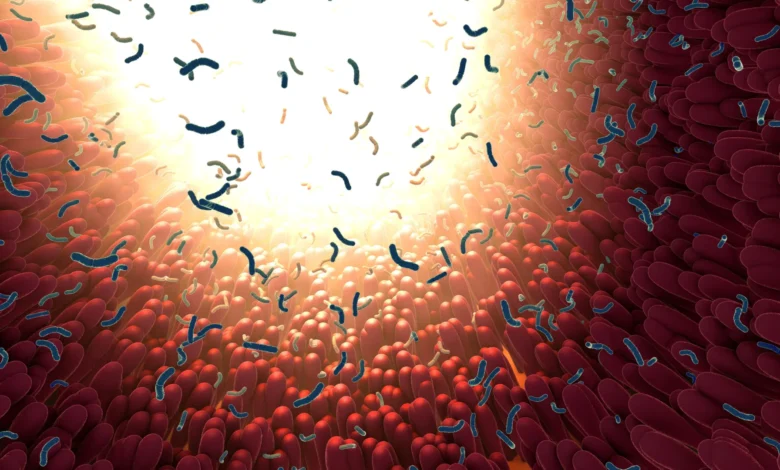
The human digestive tract is home to an intricate, bustling metropolis of trillions of microorganisms known as the gut microbiome. While modern science has long understood that diet, lifestyle, and acute illness influence this internal ecosystem, a groundbreaking study from the University of Tartu Institute of Genomics has revealed a more persistent architect of our microbial landscape: our own medication history. According to a comprehensive analysis published by researchers at the Estonian Biobank, the medications we ingest do not merely interact with our biology in the present; they leave behind enduring "fingerprints" that can alter the composition of our gut bacteria for years, or perhaps even decades, after the treatment has concluded.
This research, which utilized data from over 2,500 participants in the Estonian Microbiome cohort, challenges the prevailing paradigm in clinical medicine, which typically treats the microbiome as a static state dictated by immediate environmental factors. Instead, the study posits that our current microbial profile is a historical record—a cumulative biography of every pill, tablet, and capsule we have ever taken.
The Scope of the Microbiome and the Disruption of Homeostasis
The gut microbiome functions as a secondary organ, essential for extracting nutrients, training the immune system, and acting as a barrier against pathogens. When this community falls into dysbiosis—an imbalance in the microbial population—the consequences can range from localized digestive discomfort to systemic inflammatory issues. Historically, the medical community has focused on antibiotics as the primary "scorched-earth" agents that disrupt these delicate communities. However, the Estonian study suggests that the disruptive potential of pharmaceuticals is far more widespread than previously acknowledged.
The researchers scrutinized prescription histories alongside stool samples to map correlations between specific drug classes and microbial variance. The findings were startling: even medications that do not target bacteria directly, such as proton pump inhibitors (PPIs) for acid reflux or beta-blockers for hypertension, were found to be statistically significant drivers of long-term microbial composition.
Chronology of Discovery: From Current Usage to Persistent Imprints
The investigation followed a rigorous multi-stage methodology. Initially, the team conducted a cross-sectional analysis of 2,500 participants to identify associations between current drug use and microbial diversity. The data revealed that individuals currently taking antidepressants, benzodiazepines, or PPIs exhibited distinct microbial clusters that deviated significantly from the control group.
The second, and perhaps most critical, phase involved a longitudinal follow-up with a subset of participants. By collecting serial stool samples from individuals as they began or ceased specific treatments, the researchers were able to witness the "predictable shifts" in real-time. This provided the necessary evidence to confirm causality: the drugs were not merely associated with existing differences but were actively steering the microbial landscape.
The most provocative finding—that these changes persist long after a drug has left the patient’s system—was validated by analyzing individuals who had ceased medication usage months or years prior. In these subjects, the "fingerprints" of their previous treatment remained, suggesting that certain ecological niches in the gut are permanently occupied or altered by the legacy of past chemical exposure.
Comparative Analysis: The "Antibiotic-Like" Effect of Anxiety Medication
Perhaps the most significant revelation involves benzodiazepines, a class of medication widely prescribed for anxiety and insomnia. The study found that the impact of these drugs on gut bacterial diversity is comparable to that of broad-spectrum antibiotics. For decades, the medical consensus held that antibiotics were unique in their ability to decimate microbial communities due to their specific mechanism of action. By demonstrating that non-antibiotic drugs like benzodiazepines can induce similar levels of ecological disruption, the researchers have opened a new frontier in pharmacology.
Furthermore, the study highlighted the nuance within drug classes. The researchers observed that even within the same pharmaceutical family—such as the benzodiazepines diazepam and alprazolam—the effects on the microbiome were not uniform. This indicates that the chemical structure and metabolic pathways of individual drugs play a distinct role in how they interact with the microbiome, moving the conversation away from general drug-class effects toward a more granular, drug-specific understanding of microbial impact.
Supporting Data and Statistical Significance
The Estonian Biobank cohort provided a unique advantage for this study due to the extensive, centralized nature of the country’s electronic health records. By cross-referencing pharmacy claims with genetic and microbiological data, the researchers were able to control for confounding variables such as age, BMI, and fiber intake, which often obfuscate the results of smaller, less controlled studies.
Statistically, the study showed that the explanatory power of past medication use was a "surprisingly strong factor" in accounting for individual differences in the microbiome. When compared to factors such as diet or exercise, the "pharmacological footprint" emerged as a dominant variable. This suggests that if a clinician is looking at a patient’s microbiome data, a history of antidepressant use might be as predictive of the microbial makeup as the patient’s current daily caloric intake.
Official Perspectives and Scientific Implications
Dr. Oliver Aasmets, the lead author of the study, emphasized the necessity of a paradigm shift in how clinicians interpret patient health. "Most microbiome studies only consider current medications," Aasmets noted. "But our results show that past drug use can be just as important. It is a surprisingly strong factor in explaining individual microbiome differences."
Professor Elin Org, the corresponding author of the study, echoed this sentiment, framing the findings as a call to action for the scientific community. "This is a comprehensive systematic evaluation of long-term medication effects on the microbiome using real-world medical health records," Org stated. "We hope this encourages researchers and clinicians to factor in medication history when interpreting microbiome data."
The implications for clinical trials are profound. If a significant portion of a study population has taken medications that fundamentally alter their gut bacteria years prior, those historical factors could introduce "noise" into the data, leading researchers to misattribute certain health outcomes to a new treatment rather than to the lasting legacy of a past one.
Broader Impact: Toward a New Understanding of Personalized Medicine
While the study establishes the presence of these long-term microbial imprints, the researchers are careful to note that they have not yet characterized these changes as inherently "harmful." The microbiome is highly plastic, and what appears to be a "disruption" might, in some contexts, be an adaptive response. However, the sheer scale of the change suggests that we must approach the microbiome as a cumulative, life-long record rather than a temporary state.
The findings also provide a potential explanation for the "missing heritability" of various conditions. Many diseases, ranging from metabolic disorders to mental health issues, have been linked to the microbiome, yet the correlation is often inconsistent. If those inconsistencies can be explained by a patient’s specific history of PPIs, beta-blockers, or SSRIs, it could lead to more personalized treatment plans.
As the scientific community moves toward an era of personalized medicine, the "pharmacological history" of the gut will likely become a critical diagnostic tool. Clinicians may one day be able to map a patient’s "microbial biography" to better understand their current physiological state and predict their response to future treatments.
In summary, the Estonian study serves as a stark reminder that medicine is rarely a "one-off" interaction. Every prescription leaves a lingering echo in the gut, a biological souvenir that shapes the terrain of our internal health long after the original condition has been treated. As research continues, the goal will be to determine not just which drugs change the microbiome, but how we can use this knowledge to restore, protect, and optimize the gut environment for long-term health. The age of viewing the gut as a blank slate is over; we must now learn to read the history written within it.