Exercise after ACL surgery may protect knees from early osteoarthritis

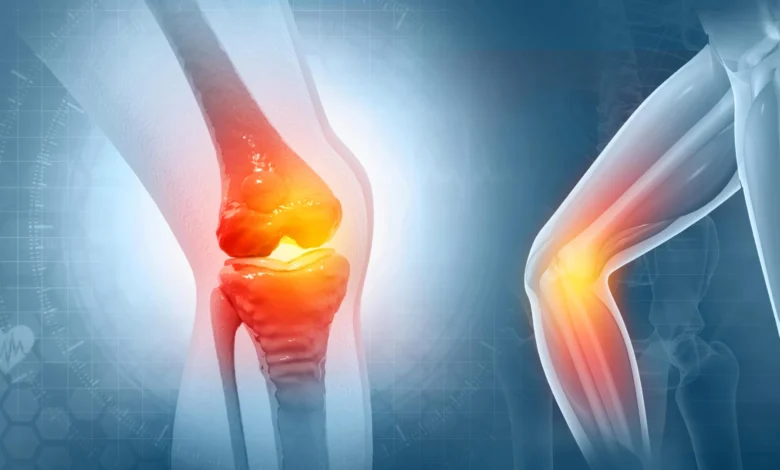
The journey following anterior cruciate ligament, or ACL, reconstruction is frequently fraught with unanticipated physical and psychological hurdles, often leaving patients grappling with chronic joint instability and pain long after the initial surgical sutures have dissolved. For decades, the conventional medical consensus dictated that post-surgical rehabilitation should taper off within the first six to nine months, leaving individuals to navigate their lingering symptoms independently. However, groundbreaking clinical research emerging from La Trobe University’s Sport and Exercise Medicine Research Centre in Melbourne, Australia, has challenged this paradigm. A newly published clinical trial demonstrates that targeted, physiotherapist-supervised exercise therapy and structured education can drastically improve knee health, diminish pain, and elevate the overall quality of life for young adults struggling years after their surgeries. Furthermore, these findings offer a vital beacon of hope in mitigating the ominous shadow of early-onset knee osteoarthritis, a degenerative condition that historically threatens roughly half of all ACL-injured patients before they reach their 40th birthday.
The Anatomy of an Epidemic: Understanding the Post-ACL Crisis
To fully grasp the magnitude of the La Trobe University findings, one must examine the staggering statistics that define modern sports medicine and orthopedic recovery. Annually, hundreds of thousands of individuals worldwide—ranging from elite professional athletes to recreational weekend participants—tear their ACLs, typically through non-contact deceleration, pivoting, or landing maneuvers. While reconstructive surgery successfully restores mechanical knee stability for many, patient satisfaction remains remarkably low. Current epidemiological data indicates that approximately 50 percent of patients remain dissatisfied with the functional health and stability of their knee two years post-surgery.
More alarming still is the long-term prognosis regarding joint degeneration. Within a decade of undergoing an ACL reconstruction, approximately half of all patients exhibit definitive radiographic and clinical signs of early-onset knee osteoarthritis. This means that otherwise healthy adults in their twenties and thirties are forced to navigate chronic joint stiffness, inflammation, and degenerative cartilage breakdown at an age when their joints should be at peak performance. This elevated risk stems from a combination of the initial traumatic impact, structural alterations within the joint, and subsequent changes in biomechanics and neuromuscular control. Despite medical guidelines universally endorsing a blend of exercise rehabilitation and patient education, systemic barriers often prevent optimal care delivery. Many patients—and, surprisingly, some healthcare practitioners—harbor lingering fears that rigorous physical activity or mechanical loading will exacerbate joint damage, inadvertently fostering a culture of under-movement that accelerates muscle atrophy and cartilage degradation.
The Genesis of the SUPER-Knee Clinical Trial
Recognizing the critical deficit in long-term management strategies for post-ACL patients, a dedicated team of researchers at La Trobe University spearheaded the SUPER-Knee clinical trial. Designed as a rigorous randomized controlled trial, SUPER-Knee represents a pioneering effort in orthopedic rehabilitation. It stands as the first major global study to comprehensively evaluate the efficacy of combined exercise therapy and targeted patient education administered more than nine months after ACL reconstruction—a critical juncture where conventional healthcare systems typically discharge patients from structured oversight.
The trial successfully enrolled 184 participants aged between 18 and 40 years. Crucially, every participant met a specific inclusion criterion: they were actively struggling with persistent knee symptoms, functional limitations, or pain anywhere from one to three years following their surgical reconstruction. The cohort was systematically divided into two distinct groups. The intervention group partook in a progressive, four-month exercise therapy program explicitly tailored to rebuild muscular strength, dynamic stability, and confidence in the joint. This was delivered under the direct supervision of qualified physical therapists. Conversely, the control group received a single educational session designed to mimic standard, non-intensive informational advisement.
The results, published in the prestigious Annals of Internal Medicine, provided undeniable proof of the intervention’s efficacy. Participants who completed the four-month supervised exercise program reported profound clinical improvements. Not only did they experience measurable enhancements in quadriceps and hamstring muscle strength, but they also noted substantial reductions in daily knee pain and a marked increase in their health-related quality of life.
Crucially, the trial successfully dismantled the pervasive myth that physical loading accelerates post-traumatic arthritis. Advanced imaging and clinical assessments confirmed that the physical therapy regimen achieved these remarkable benefits without causing any structural damage to the knee cartilage or exacerbating early osteoarthritic changes. By proving that progressive resistance and functional loading are safe for vulnerable joints, the trial challenges outdated medical dogmas that advise caution to the point of immobility.
A Personal Chronicle: Ruby Cumming’s Battle and Recovery
Statistics and clinical data provide the structural framework of medical research, but the true human cost of inadequate post-operative care is best understood through individual narratives. For Ruby Cumming, the complications of an ACL tear extended far beyond the operating theater, profoundly altering the trajectory of her young adulthood.
In 2019, at just 24 years of age, Ms. Cumming was playing Australian rules football—a fast-paced, high-contact sport—when she sustained a traumatic tear to her anterior cruciate ligament. Driven by a fierce desire to return to the sport she loved as quickly as possible, she opted for immediate surgical reconstruction, undergoing the operation within six weeks of the initial injury. Like many patients entering surgery, she operated under the assumption that the procedure, paired with standard recovery protocols, would serve as a definitive reset button, returning her body to its pre-injury baseline.
Instead, her reality diverged sharply from her expectations. The post-operative recovery process was grueling, protracted, and ultimately unfulfilled. After months of painstaking effort, Ms. Cumming made the difficult psychological and physical decision to abandon her football career entirely. The injury had cast a long shadow over her daily existence, forcing a complete reassessment of her physical autonomy.
"I thought if I had the surgery and did the rehab I’d be able to get back to normal," Ms. Cumming reflected. "After surgery impacted my entire life—not just footy—I changed my outlook and decided I wanted to avoid re-injuring my knee ever again, so I haven’t played contact sport since."
The secondary impacts of her prolonged recovery proved multifaceted. Simple mechanics of daily living, which most young adults take for granted, became monumental hurdles. Experiencing persistent, regular pain, struggling with unassisted walking, relying on public transportation to commute to work, and maintaining independent living arrangements all presented daily challenges.
Demonstrating extraordinary personal resolve, Ms. Cumming remained deeply committed to her physical health. She maintained regular physical therapy appointments and diligently executed prescribed exercise routines at home. Initially performing these movements daily before transitioning to a disciplined weekly regimen, she poured immense effort into her physical recovery. Yet, despite her unwavering dedication, she continued to suffer from varying degrees of daily knee pain for three to four years post-surgery.
The turning point in her protracted recovery arrived when she enrolled as a participant in the La Trobe University SUPER-Knee trial. By transitioning from isolated home exercises to a structured, weekly rehabilitation program directly supervised by a physical therapist, her physical trajectory shifted dramatically.
"When I joined the SUPER-Knee program and did weekly physio-supervised rehab, this improved my pain significantly," Ms. Cumming noted. Her experience serves as a powerful testament to the trial’s core finding: that structured, professional guidance can unlock healing processes that stall when patients are left to manage complex recovery protocols on their own.
Expert Perspectives and Global Implications
Associate Professor Adam Culvenor, who led the groundbreaking research team at La Trobe University, emphasized the profound clinical implications of the trial’s outcomes. In academic and medical circles, the management of young adults at high risk of post-traumatic osteoarthritis has long represented a frustrating vacuum of empirical data.
"Currently, we don’t have any high-quality evidence for what treatments should be offered to young people at risk of early-onset knee osteoarthritis," Associate Professor Culvenor stated. "Our SUPER-Knee study changes this and addresses a globally recognized research priority."
The timing of this research could not be more critical. As healthcare systems globally grapple with rising rates of joint arthroplasty in increasingly younger populations, finding non-surgical, regenerative, and protective interventions is paramount. The trial provides the empirical foundation necessary to overhaul global clinical standards.
"Our study showed physiotherapist-supervised exercise therapy and education is safe and should be recommended to improve the knee health of young people at high risk of early-onset osteoarthritis following ACL reconstruction," Associate Professor Culvenor continued. "The evidence generated by the SUPER-Knee trial can be used to update international clinical practice guidelines for rehabilitation following ACL reconstruction and could be a lifeline for young people struggling after serious knee injuries."
Beyond clinical efficacy and safety, the La Trobe research team designed the SUPER-Knee intervention with scalability and real-world implementation in mind. In many healthcare sectors, specialized rehabilitation programs are hindered by prohibitive costs, requirements for exotic machinery, or the need for extensive, time-consuming staff training. The SUPER-Knee protocol intentionally bypasses these barriers. According to the researchers, the intervention is immediately ready for deployment across community healthcare settings, private clinics, and public health systems, requiring minimal specialized equipment or additional administrative training for local health professionals.
Economic and Healthcare Analysis
Evaluating the broader economic and systemic impact of the SUPER-Knee trial reveals potential paradigm shifts in orthopedic healthcare economics. Chronic musculoskeletal conditions, particularly premature osteoarthritis, represent a massive financial burden on global healthcare systems. These costs manifest through direct expenditures—such as specialist consultations, diagnostic imaging, pain management therapeutics, and eventual joint replacement surgeries—as well as indirect losses, including workplace absenteeism, reduced productivity, and early retirement due to disability.
When a 25-year-old individual develops severe osteoarthritis following a sports injury, they frequently face a lifetime of escalating medical interventions, culminating in total knee arthroplasty (TKA) by the time they reach middle age. Because artificial joints have a finite lifespan, these young patients often require complex revision surgeries later in life, compounding medical risks and healthcare expenditures. By intervening one to three years post-surgery—a window where structural degeneration is incipient rather than fully established—supervised exercise therapy may alter this degenerative trajectory. While the current clinical trial did not formally track long-term osteoarthritis prevention over multiple decades, the immediate reduction of pain, restoration of muscle mass, and improvement in joint mechanics provide a strong physiological basis for protective, disease-modifying outcomes.
Furthermore, integrating structured physical therapy into the late-stage recovery phase represents a highly cost-effective strategy. Preventing or delaying the need for surgical revisions and chronic pharmacological pain management far outweighs the modest cost of a four-month, physiotherapist-led exercise and education program. Payers, insurers, and public health agencies are likely to take notice as clinical guidelines evolve to incorporate these findings.
The Path Forward: Reimagining Post-Surgical Protocols
The release of the SUPER-Knee findings in the Annals of Internal Medicine—backed by project grant funding from Australia’s National Health and Medical Research Council (NHMRC)—marks a critical inflection point in sports medicine. It underscores a fundamental shift in philosophy: recovery from major orthopedic trauma does not conclude when the surgical incisions heal or when the patient is cleared to jog in a straight line. True recovery requires ongoing neuromuscular adaptation, progressive loading, and psychological re-engagement with physical activity.
As sports medicine practitioners, orthopedic surgeons, physical therapists, and healthcare policymakers digest the data, the mandate for clinical reform is clear. Clinics around the world are now positioned to review their long-term care pathways for post-ACL reconstruction patients. For individuals like Ruby Cumming, who spent years navigating the isolating landscape of chronic post-operative pain, the trial offers validation and a proven roadmap forward.
Ultimately, the La Trobe University study delivers a message of profound resilience and biological adaptability. It proves that even when recovery stalls, and even when years have passed since the initial trauma, the human knee possesses a remarkable capacity to respond to intelligent, guided physical rehabilitation. By replacing fear of movement with structured, evidence-based exercise, modern medicine can finally offer a sustainable lifeline to the thousands of young adults caught in the wake of severe sports injuries.