Decoding the Cellular Conversation: How Inter-Organ Communication and Metabolic Stress Shape Human Aging


The modern scientific consensus on aging is undergoing a radical paradigm shift. For decades, biomedical research examined cellular deterioration through a hyper-specialized lens, studying individual organs in physiological isolation to isolate specific pathways of decline. However, a growing cohort of biogerontologists is shifting focus toward the complex dialogue occurring between different organ systems. At the forefront of this integrative movement is Dr. Parminder Singh, a postdoctoral research fellow in the laboratory of Dr. Pankaj Kapahi at the Buck Institute for Research on Aging. Supported by the prestigious Larry H. Hillblom Postdoctoral Fellowship, Dr. Singh’s research examines how inter-organ communication, metabolic stress, and sex-specific life transitions such as menopause accelerate cellular senescence and dictate human longevity.
From Physics and Mathematics to the Biology of Aging
Dr. Singh’s path to the forefront of geroscience was unconventional. Raised with a foundational fascination for physics and mathematics, he initially intended to bypass the biological sciences entirely during his high school education in India. The trajectory of his academic career shifted when his school principal intervened, convincing his parents to enroll him in biology based on an observed aptitude for analytical reasoning.
This background in exact sciences ultimately informed his approach to endocrinology and metabolism. After earning his PhD from the National Institute of Immunology in India—where he received rigorous training in endocrine systems—Dr. Singh sought out the Buck Institute, the world’s first independent research institution devoted entirely to aging research. Transitioning from macroscopic physical laws to the microscopic
mechanics of human longevity, he found that his strengths lay not merely in running laboratory assays, but in translating complex biochemical pathways into accessible narratives. Today, his work bridges the gap between molecular biology and public health literacy, emphasizing that understanding the biological "story" of aging is essential to developing actionable therapeutic interventions.
Mapping the Conversation Between Organs
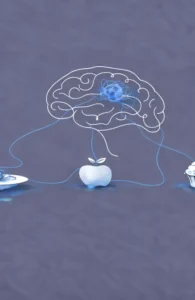
The core hypothesis driving Dr. Singh’s current research is that the aging process cannot be understood by observing individual organs alone; rather, it is governed by the breakdown of communication networks across the entire organism. Organs continuously broadcast physiological status updates to one another via complex signaling networks comprising hormones, circulating metabolites, neural impulses, and immune factors.
When these signaling networks become dysregulated, the resulting systemic confusion can drive multi-organ functional decline. Dr. Singh’s investigations focus on identifying the internal and external triggers that disrupt these biological conversations. Crucially, his work highlights a major historical oversight in biomedical research: the profound sex-specific differences in inter-organ communication, particularly those activated or altered during major endocrine milestones such as menopause. By identifying how these communication pathways diverge between males and females, the research aims to establish a foundation for precision therapies designed to target the root mechanisms of age-related disease rather than merely treating downstream symptoms.
The Dual Fronts of Investigation: Ovarian Signaling and Metabolic Glycation

Inside the laboratory, Dr. Singh’s research agenda operates on two closely intertwined fronts: the systemic impact of lost ovarian signaling and the cellular damage wrought by excess dietary sugars.
The first major research axis investigates the biological fallout of ovarian senescence, encompassing both natural menopause and surgical menopause induced by bilateral oophorectomy—a procedure performed on approximately 300,000 women globally each year. While clinical discussions surrounding menopause traditionally center on reproductive cessation and localized vasomotor symptoms, Dr. Singh’s work demonstrates that the ovaries maintain active, systemic signaling axes with disparate organ systems, including the central nervous system.
Using laboratory murine models of bilateral ovariectomy (OVX) to simulate the abrupt cessation of ovarian signaling, Dr. Singh’s team has mapped significant neuroinflammatory and metabolic shifts within the hypothalamus. As a critical neuroendocrine control center responsible for regulating circadian rhythms, core body temperature, energy balance, and hormonal output, the hypothalamus exhibits profound vulnerability to the loss of ovarian cues. When these signals vanish, specific neuronal populations in the hypothalamus experience functional attenuation, while surrounding glial support cells adopt a reactive phenotype. This cellular distress offers a compelling mechanistic explanation for the elevated clinical incidence of sleep fragmentation, metabolic syndrome, fatigue, and cognitive fog frequently observed following the transition into menopause.
Running parallel to this endocrinological focus is Dr. Singh’s investigation into the cellular consequences of impaired carbohydrate metabolism. High systemic glucose levels and chronic metabolic stress accelerate the non-enzymatic glycation of proteins, lipids, and nucleic acids, yielding a class of pathogenic macromolecules known as advanced glycation end products (AGEs). As AGEs accumulate throughout the body, they cross-link structural proteins in the extracellular matrix, compromising the elasticity of blood vessels, increasing oxidative stress, and chronically activating innate immune pathways.
These two distinct biological phenomena—reproductive aging and metabolic glycation—do not occur in a vacuum. Dr. Singh’s findings suggest a dangerous synergistic feedback loop: the endocrine shifts of menopause impair the body’s metabolic resilience, rendering tissues significantly more vulnerable to the cumulative cellular damage driven by AGEs. This intersection accelerates biological aging across multiple organ systems, positioning metabolic health and reproductive history as co-dependent pillars of human longevity.

Translating Molecular Complexity for Clinical Translation
To articulate these intricate physiological mechanisms to broader audiences, Dr. Singh frequently employs a domestic analogy. He describes the body’s organ systems as members of an interconnected family household. Within this framework, the brain functions as the household administrator, maintaining order and stability, while the endocrine glands—specifically the ovaries—act as primary advisors providing crucial contextual signals.
When menopause occurs, the cessation of ovarian signals deprives the brain of vital regulatory information. Placed under unexpected physiological stress, the central nervous system adopts a reactive, erratic signaling pattern, broadcasting distress signals to peripheral metabolic tissues such as the liver, skeletal muscle, and adipose tissue. Simultaneously, dietary habits rich in refined sugars introduce cellular "dust" into the machinery, progressively gumming up delicate molecular processes. When the systemic shock of endocrine transition coincides with metabolic stress, vulnerable neural centers age at an accelerated rate. By decoding this multi-organ distress signal, Dr. Singh’s research seeks to identify strategic points of therapeutic intervention to preserve metabolic resilience and neurological health across the lifespan.
Broader Implications for Preventive Medicine and Healthcare
The clinical and public health implications of Dr. Singh’s research point toward a significant reorientation of modern medicine: moving away from reactive, late-stage disease management and toward proactive, preventative longevity science. Age-associated morbidities—ranging from cardiovascular disease and neurodegenerative disorders to metabolic dysfunction—rarely emerge overnight. Instead, they are the culmination of decades of silent, compounding cellular miscommunication.

By illuminating how reproductive aging and metabolic insults synergistically alter brain and systemic health early in the lifespan, Dr. Singh’s work lays the groundwork for personalized, sex-specific prophylactic strategies. Recognizing that male and female physiologies age via divergent systemic networks invalidates the historical "one-size-fits-all" approach to pharmacology and gerontology. Tailoring preventative interventions to account for endocrine transitions and metabolic health profiles promises to meaningfully compress morbidity and enhance healthspan for aging populations worldwide.
The Next Decade: High-Throughput Innovation and the Future of Geroscience
As the field of geroscience looks toward the next five to ten years, Dr. Singh remains exceptionally optimistic about the trajectory of aging research. The convergence of high-throughput screening technologies, artificial intelligence, and multi-omic data analytics has permanently transformed the cadence of biological discovery. Researchers are no longer restricted to evaluating single therapeutic targets in linear sequence; instead, computational platforms enable the rapid screening of thousands of bioactive compounds against complex markers of cellular senescence simultaneously.
For Dr. Singh, this technological acceleration supercharges the fundamental human drive that drew him to biology in his youth: the art of storytelling through discovery. As new patterns emerge from the noise of big data, the central narrative remains constant—deciphering how biological systems function, identifying the exact junctures where they falter, and engineering rational methods to restore their adaptive capacity. Through ongoing investigations at the Buck Institute, Dr. Singh and his colleagues are writing the next chapters of human healthspan, transforming abstract molecular puzzles into tangible clinical realities that will redefine what it means to grow older.