Non-Invasive Ear Nerve Stimulation Offers New Hope for Managing Treatment-Resistant Hypertension

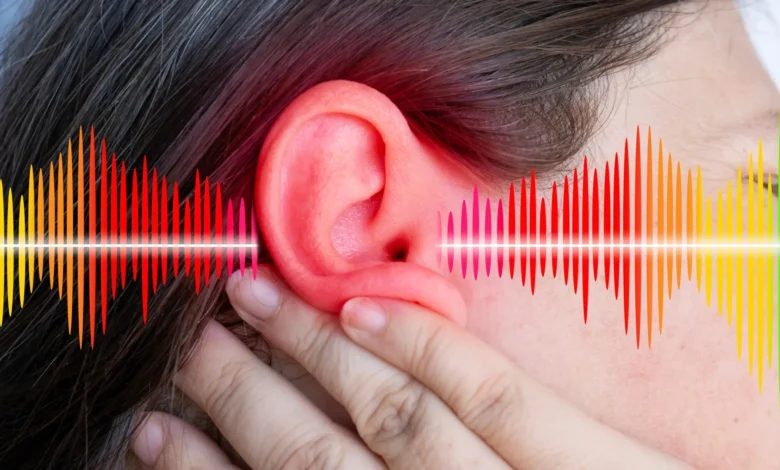
A portable, non-invasive medical device capable of delivering targeted electrical pulses to the ear has emerged as a potential breakthrough in the clinical management of persistent high blood pressure. While the SCRATCH-HTN clinical trial, conducted by researchers at Queen Mary University of London and recently published in the American Heart Association’s journal Hypertension, did not show a universal reduction in blood pressure across all participants, the study identified significant therapeutic potential for patients suffering from severe, medication-resistant hypertension. This development represents a shift toward bioelectronic medicine, where wearable technology is leveraged to modulate the autonomic nervous system to address chronic cardiovascular conditions.
The Mechanism of Transcutaneous Autonomic Neuromodulation
At the core of this experimental treatment is a technique known as transcutaneous autonomic neuromodulation (tAN). The autonomic nervous system acts as the body’s involuntary control center, regulating critical physiological processes including heart rate, vascular resistance, and blood pressure. In patients with hypertension, this system often becomes dysregulated, contributing to the "stiffening" of vessels and the chronic elevation of blood pressure readings.
The handheld device, developed by Afferent Medical Solutions, is designed to interface with this system via the auricular branch of the vagus nerve. By utilizing two small, unobtrusive clips that attach to the tragus—the cartilaginous flap situated in front of the ear canal—the device delivers low-level electrical stimulation. This process aims to recalibrate the autonomic signals, theoretically lowering blood pressure by reducing sympathetic nervous system overactivity. Unlike surgical interventions, such as renal denervation, which require invasive procedures and carry higher risks, this device offers a patient-led, at-home application that avoids the physical trauma associated with traditional clinical interventions.
Chronology of the SCRATCH-HTN Trial
The SCRATCH-HTN study was designed as a rigorous, randomized, sham-controlled investigation to determine both the safety and efficacy of tAN in a real-world setting. The trial enrolled 63 participants, all of whom were diagnosed with uncontrolled hypertension. Notably, every participant was already adherent to one or more blood-pressure-lowering medications, yet their condition remained refractory to standard pharmaceutical management.
The clinical timeline was structured into two primary phases:
- The Intensive Phase (Weeks 1-2): Participants were instructed to use their assigned devices for 30 minutes daily. This period was designed to test the immediate physiological response and patient adherence to a daily regimen.
- The Maintenance Phase (Weeks 3-12): To assess the feasibility of long-term use, the frequency of stimulation was reduced to once per week.
The study employed a "sham" device—a placebo unit that appeared identical to the active model but provided no therapeutic electrical stimulation. This double-blind design was crucial for mitigating the placebo effect, ensuring that any recorded reduction in blood pressure could be attributed directly to the neuromodulation process rather than the psychological impact of using a medical device.
Analyzing the Data: Success in Subgroups
The primary findings of the study were nuanced. Across the entire cohort of 63 patients, there was no statistically significant difference in blood pressure reduction between the active group and the sham group. However, the researchers conducted a pre-specified subgroup analysis—a statistical method that looks at specific segments of the trial population to see if certain individuals responded differently.
In the subgroup of patients who entered the trial with more severe hypertension, the results were markedly different. These individuals experienced a measurable and clinically significant decline in their blood pressure readings when using the active device. This suggests that while tAN may not be a "one-size-fits-all" solution, it could be a targeted intervention for those whose blood pressure remains stubbornly high despite the use of multiple pharmacological agents. The data indicates that the device is not only safe but also highly acceptable to patients, with high adherence rates reported throughout the 12-week study duration.
Expert Perspectives and Official Responses
Dr. Ajay Gupta, the Chief Investigator of the study, a Clinical Reader at Queen Mary University of London, and a Consultant Physician at Barts Health NHS Trust, underscored the significance of these findings. "This is an exciting, highly patient-acceptable technology that could ultimately provide a cheap, scalable solution for millions," Dr. Gupta stated. He emphasized that although the broad unselected group did not reach statistical significance, the clear reduction in the severe hypertension cohort provides a compelling roadmap for future research.
The study, funded by the National Institute for Health and Care Research (NIHR), serves as a foundational effort in the field. Industry analysts and medical experts observe that the "positive failure" of this trial—failing to reach the primary endpoint for the whole group while succeeding in the severe subgroup—is common in the early stages of medical device innovation. It allows researchers to refine the profile of the "ideal patient" for future, larger-scale trials.
Implications for Cardiovascular Health
Hypertension remains one of the leading drivers of global cardiovascular mortality. It is a silent contributor to heart failure, myocardial infarction (heart attack), and stroke. When blood pressure remains elevated for extended periods, the heart must work significantly harder to circulate blood, and the arterial walls endure increased stress, leading to long-term vascular damage.
Current standard-of-care, which relies heavily on daily oral medications, often struggles with issues of non-adherence due to side effects, complex dosing schedules, and the financial burden of chronic prescription usage. If future, larger trials confirm that auricular nerve stimulation can provide a consistent reduction in blood pressure, the implications for the public health landscape would be profound.
A non-invasive, home-based tool would empower patients to take an active role in their own care, potentially reducing the reliance on high-dose pharmaceuticals or preventing the need for complex, invasive surgical procedures. Furthermore, because the device is scalable and relatively inexpensive to manufacture, it could provide a viable option for healthcare systems facing the dual pressure of aging populations and limited resources.
Future Directions in Neuromodulation
The SCRATCH-HTN trial serves as a clarion call for further, more extensive research. The scientific community is now looking toward trials with larger sample sizes and longer follow-up periods to determine the long-term durability of the blood pressure reduction observed in the severe hypertension subgroup.
Researchers are also interested in identifying the biological biomarkers that differentiate responders from non-responders. If scientists can determine why certain patients respond to ear nerve stimulation while others do not, clinicians may eventually be able to prescribe the treatment with a high degree of precision, tailoring the intervention to the individual’s specific autonomic profile.
As the study concludes, the medical community views these results as an "early step." While it is not yet a replacement for current therapies, the potential for a non-pharmacological, patient-controlled device represents a significant leap forward. The ability to modulate the nervous system through the ear—a location that is easily accessible and relatively insensitive to painful stimuli—positions tAN as a frontrunner in the next generation of cardiovascular medical technology. For millions of people struggling with uncontrolled blood pressure, this small, ear-mounted device may eventually provide the missing link in their treatment plan.