Unlocking the Metabolic Potential of Mulberry: How Gut Microbiota Interactions Could Redefine Nutritional Science

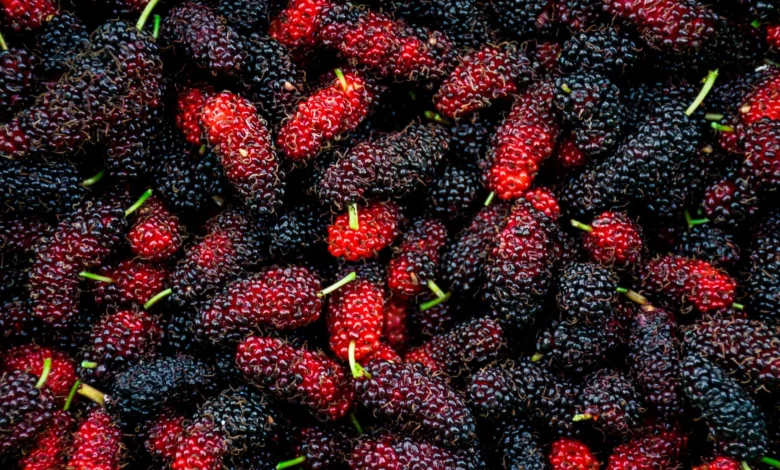
Mulberry has been eaten as food and used in traditional medicine for centuries, but modern science is now uncovering a complex biological mechanism that links this ancient botanical to the inner workings of human metabolism. A comprehensive review led by researchers at Wroclaw Medical University suggests that the therapeutic potential of the mulberry plant is not merely a matter of consumption, but a sophisticated interaction between its unique bioactive compounds and the diverse ecosystem of the human gut. As scientists move beyond traditional anecdotal evidence, the focus has shifted toward how specific mulberry species, plant parts, and processing methodologies can fundamentally alter the gut microbiota to improve metabolic health.
The Gut-Metabolism Axis
The human gut is home to trillions of microorganisms that play a critical role in systemic health. Beyond assisting in the breakdown of food, these microbial communities produce metabolites that influence everything from immune function to energy regulation. For researchers in the field of dietetics and bromatology, the mulberry plant—specifically its leaves and fruit—presents a compelling candidate for dietary intervention.
"The gut microbiota not only contributes to the functioning of the gastrointestinal tract but may also influence metabolism throughout the body," explains Anna Prescha, PhD, DSc, Professor at Wroclaw Medical University. "Mulberry is particularly interesting in this respect because it contains numerous bioactive compounds, including polyphenols and polysaccharides, which may interact with gut microorganisms."
The shift in scientific focus toward these interactions is significant. By modulating the composition of gut bacteria, researchers believe it may be possible to influence how the body processes glucose and lipids, potentially offering a natural strategy to combat metabolic syndrome, a cluster of conditions that includes increased blood pressure, high blood sugar, and abnormal cholesterol levels.
A Chronology of Discovery: From Student Insight to Systematic Review
The current investigation into mulberry began as an interdisciplinary initiative within the Nutri-Sfera Student Research Group at Wroclaw Medical University. Two students, Marta Miszczak of the Dietetics program and Karolina Kłosowska-Buryło of the Pharmacy program, proposed a study that bridged the gap between botanical composition and clinical impact. Their proposal sought to synthesize pharmacological knowledge regarding bioactive compounds with nutritional data on plant-based diets.
The project evolved into a systematic review, consolidating years of scattered experimental data. By examining the existing literature, the team identified that the variability in past studies—often viewed as a hurdle—was actually a critical variable. They discovered that the "mulberry effect" is highly dependent on the source material. White mulberry (Morus alba) has historically dominated the research landscape, particularly concerning its leaves. However, the review highlights that black mulberry (Morus nigra), especially its fruit, provides a different spectrum of bioactive benefits, including high concentrations of anthocyanins and other phenolic compounds.
The Nuance of Processing
One of the most critical takeaways from the Wroclaw review is that the biological efficacy of mulberry is not inherent to the raw plant alone; it is heavily dictated by processing. Techniques such as drying, fermentation, and extraction methods—specifically water extraction and the use of enzymes like pectate lyase—can dramatically alter the molecular weight and structure of polysaccharides.
These structural differences determine which microbial species can "feed" on these compounds. For example, specific fractions of black mulberry fruit polysaccharides have shown higher prebiotic potential depending on the extraction method. When these compounds are consumed, the gut microbiota ferments them into short-chain fatty acids (SCFAs) such as acetate, propionate, and butyrate. These SCFAs are essential for intestinal health, serving as the primary energy source for colonocytes and acting as signaling molecules that regulate glucose metabolism.
Supporting Data and the Synergistic Effect
Experimental data, largely derived from animal models, suggests that individual compounds are less effective than the "whole" profile of the plant. In a notable study involving mice fed a high-fat diet, researchers observed that a combined fraction of polyphenols and polysaccharides from white mulberry fruit outperformed individual components.
The mice receiving the combined extract exhibited a more diverse and resilient gut microbiome. This microbial shift was not merely observational; it was linked to measurable improvements in metabolic markers. In a subsequent "microbiota transplantation" experiment—a gold standard in microbiome research—the gut bacteria from the treated mice were transferred to a control group. These recipients subsequently displayed improved metabolic profiles, providing strong evidence that the mulberry-induced changes in the gut environment were the primary drivers of the metabolic benefits.
The Implications for Clinical Practice
Despite the encouraging results in murine models, the research team emphasizes a cautious, objective stance. The transition from animal models to human clinical trials is the "missing link" in the current body of literature. The primary challenge lies in the standardization of preparations. Because the chemical composition of mulberry can vary so significantly based on geography, harvest time, and processing, clinical researchers must develop rigorous protocols to ensure that the mulberry "dose" is consistent across study participants.
"The available findings are promising, but at this stage they do not allow us to determine whether the relationships observed in experimental models between mulberry preparations, the microbiota, and metabolism also occur in humans," says Prof. Prescha.
The lack of human-centric data means that, for now, the use of mulberry as a therapeutic agent remains in the realm of experimental science rather than clinical recommendation. However, the potential is vast. If human trials can confirm that specific mulberry formulations can predictably modulate the gut microbiome, it could lead to the development of "next-generation" functional foods or supplements designed to manage metabolic diseases through the gut-brain-metabolism axis.
Scientific Challenges and Future Directions
The path forward requires a shift in how nutrition science approaches plant-based interventions. The field must move away from seeking a "universal mulberry product" and toward a precision-medicine approach. This involves:
- Standardization: Establishing uniform extraction and processing standards for mulberry leaves and fruits to ensure reproducibility in clinical trials.
- Characterization: Moving beyond total polyphenol counts to analyze the specific molecular structures of polysaccharides and their unique interactions with human microbial strains.
- Human Trials: Conducting randomized, double-blind, placebo-controlled trials to observe the impact of mulberry on the human gut-microbiome-metabolome axis.
The interdisciplinary nature of the Wroclaw study serves as a blueprint for future investigations. By combining the pharmaceutical expertise required for chemical characterization with the nutritional expertise required to understand dietary impact, researchers are better equipped to decipher the complex, non-linear relationship between plant secondary metabolites and the human body.
Broader Impact: The Future of Botanical Research
The broader implications of this research extend beyond mulberry. It highlights a growing trend in pharmacology and nutrition: the acknowledgment that "bioactive" does not mean "monotherapeutic." The synergistic effects observed in mice—where polysaccharides and polyphenols acted in tandem to produce superior outcomes—suggest that the future of preventive medicine may lie in complex, plant-derived matrices rather than isolated compounds.
As the scientific community continues to explore the gut microbiome, the role of traditional foods like mulberry is being re-evaluated not as primitive remedies, but as sophisticated tools for biological regulation. If the findings from the Wroclaw Medical University review can be replicated in human subjects, mulberry could eventually find its place in the evidence-based management of metabolic health, bridging the gap between traditional wisdom and modern biochemical validation.
In conclusion, while the promise of mulberry in altering gut microbiota is supported by compelling experimental data, the journey toward clinical application is ongoing. The work of the Nutri-Sfera research group serves as a vital foundation, providing the necessary roadmap for future studies to navigate the complexities of plant chemistry and its potential to restore metabolic balance in a world where metabolic disorders remain a leading public health challenge. The next decade of research will likely determine whether this ancient plant will become a staple of modern, microbiome-focused metabolic care.