Seven Gentle Stretching Exercises to Relieve Bloating and Improve Digestive Health

Bloating is a pervasive physiological condition characterized by a sensation of fullness, abdominal distension, and general discomfort, often accompanied by excessive flatulence or belching. While the condition is frequently transient, it remains one of the most common complaints presented in gastroenterology clinics and primary care settings globally. Recent medical observations suggest that while dietary interventions and pharmacological aids remain standard protocols, simple physical maneuvers, such as targeted stretching, can offer significant relief by facilitating gastrointestinal motility and alleviating trapped gas.
The physiology of bloating is complex, often involving the accumulation of gas within the intestines or the slow movement of stool through the digestive tract. According to Lindsey Benoit O’Connell, a certified meditation teacher and breathwork facilitator, the application of gentle physical movement acts as a catalyst for intestinal transit. By stimulating the parasympathetic nervous system, these movements help transition the body from a "fight-or-flight" state—which can inhibit digestion—to a "rest-and-digest" state, thereby optimizing the body’s natural ability to process food and eliminate waste.
The Clinical Context of Abdominal Distension
To understand the efficacy of stretching for bloating, one must first recognize the underlying causes of abdominal discomfort. Clinical research indicates that bloating is rarely a standalone disease but rather a symptom of various conditions, ranging from dietary indiscretion and lactose intolerance to more chronic issues like Irritable Bowel Syndrome (IBS) or Small Intestinal Bacterial Overgrowth (SIBO).
Data from the International Foundation for Gastrointestinal Disorders suggest that nearly 15 to 30 percent of the general population experiences bloating on a regular basis. In many instances, the issue is exacerbated by lifestyle factors, including sedentary behavior, high-stress environments, and the rapid consumption of meals. When the body remains static for prolonged periods, gas can become trapped in the folds of the colon, leading to the sharp, distended sensation associated with bloating. Physical movement serves as a form of "internal massage" for the digestive organs, physically encouraging the release of air and the rhythmic contractions of the intestines known as peristalsis.
Chronology of Digestive Relief Techniques
For centuries, ancient movement practices such as Yoga have incorporated poses designed specifically to target the abdominal region. While modern medicine emphasizes pharmacological interventions like simethicone or enzyme supplements, the historical integration of these poses highlights a long-standing understanding of the gut-body connection.
The timeline of incorporating physical movement into digestive care has evolved significantly over the last two decades. In the early 2000s, clinical interest in the "gut-brain axis" surged, leading researchers to examine how external stimuli, such as massage and stretching, influence gut health. Today, it is widely accepted that the vagus nerve—which connects the brain to the digestive system—can be positively modulated through deep breathing and gentle stretching, both of which are core components of the routines discussed here.
Detailed Guide: Recommended Stretching Movements
When an individual experiences the onset of bloating, the following seven movements can be performed sequentially to facilitate relief.
1. Knee-to-Chest Pose (Apanasana)
This movement involves lying supine and gently pulling the knees toward the chest. By compressing the abdomen, the pose helps to stimulate the ascending and descending colon, effectively pushing trapped gas toward the rectum. It is considered one of the most effective entry-level movements for immediate relief.
2. Supine Spinal Twist
Lying on the back and dropping the knees to one side while keeping the shoulders grounded creates a twisting motion in the torso. This rotation is thought to "wring out" the abdominal organs, encouraging blood flow and helping to move contents through the digestive tract more efficiently.
3. Cat-Cow Pose (Marjaryasana-Bitilasana)
Transitioning to an all-fours position, the individual alternates between arching the back (Cow) and rounding the spine (Cat). This movement is particularly effective for releasing tension in the abdominal wall and massaging the internal organs, which can help dissipate gas pockets that are otherwise difficult to shift.
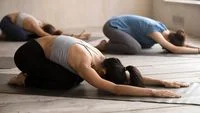
4. Child’s Pose (Balasana)
This resting posture provides a gentle compression of the abdomen against the thighs. Beyond its physical benefits, the deep, rhythmic breathing required in this pose activates the parasympathetic nervous system, which is crucial for digestive efficiency.
5. Happy Baby Pose (Ananda Balasana)
By lying on the back and holding the feet while the knees are drawn toward the armpits, the pelvic floor is relaxed and the abdomen is opened. This pose is frequently recommended for those who suffer from lower abdominal bloating, as it allows for the release of tension in the hip flexors and lower back, areas often tight in stressed individuals.
6. Deep Squat (Malasana)
In many cultures, the squatting position is the natural posture for elimination. A controlled, supported squat can mechanically align the rectum to allow for easier passage of gas and waste. It helps alleviate the pressure that often accompanies a feeling of fullness.
7. Seated Forward Fold
Sitting with legs extended and gently folding forward helps to stimulate the internal organs through gentle pressure. This movement also serves to calm the nervous system, further reducing the stress-induced symptoms of bloating.
Official Perspectives and Expert Reactions
Medical professionals generally support the inclusion of low-impact movement for digestive health, provided there are no underlying surgical complications or acute medical emergencies. Dr. Elena Rodriguez, a gastroenterologist specializing in functional disorders, notes that while stretching is not a cure-all for chronic gastrointestinal disease, it is a low-risk, high-reward strategy.
"The primary benefit of these stretches is the reduction of visceral hypersensitivity," Dr. Rodriguez explains. "When patients are bloated, they often become hyper-aware of the pressure in their gut, which creates a stress response that further slows down digestion. Stretching interrupts this feedback loop."
However, experts caution that if bloating is accompanied by "red flag" symptoms—such as unexplained weight loss, blood in the stool, persistent vomiting, or severe, sharp abdominal pain—individuals should bypass home remedies and consult a medical practitioner immediately. These could be indicators of more serious underlying pathologies, such as intestinal obstruction or inflammatory bowel disease (IBD).
Broader Implications for Lifestyle and Wellness
The integration of these movements into a daily routine has broader implications for long-term health. By addressing bloating through non-pharmacological means, individuals are encouraged to take a more proactive role in their wellness. This aligns with a growing shift in the medical community toward "lifestyle medicine," which prioritizes preventative measures and holistic approaches to manage common ailments.
Furthermore, the connection between stress and digestion cannot be overstated. High cortisol levels, often resulting from chronic work or life stress, have been shown to alter the gut microbiome and decrease the efficiency of the digestive system. By utilizing the aforementioned stretches, which often incorporate mindfulness and breathwork, patients are not only addressing the physical manifestation of gas but also the psychological stressors that frequently exacerbate digestive distress.
In conclusion, while bloating is a frustrating and uncomfortable experience, it is often manageable through conservative physical interventions. The seven stretches outlined above offer a practical, evidence-supported approach to restoring digestive comfort. By encouraging movement, regulating the breath, and calming the nervous system, these simple techniques provide a viable alternative to the reflexive reliance on medications, fostering a more sustainable and empowered approach to digestive health. As with any new health regimen, consistency is key, and observing the body’s specific responses to these movements will allow individuals to tailor their practice for optimal relief.