Luxembourg Deepens Global Health Commitment with Record-Breaking €47.5 Million Funding Package for the World Health Organization

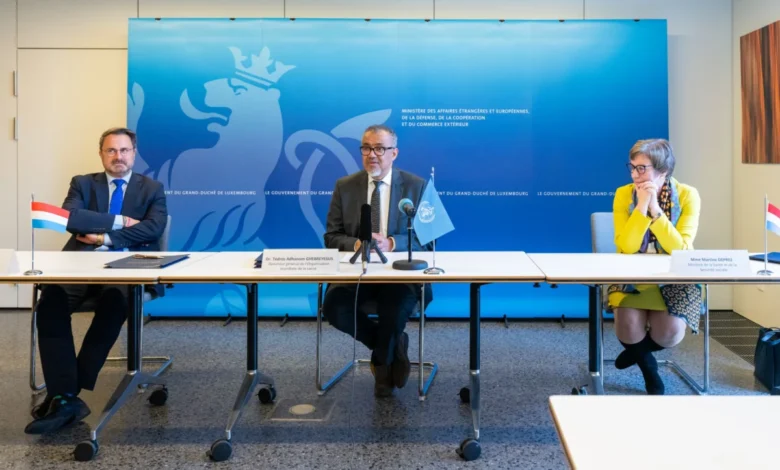
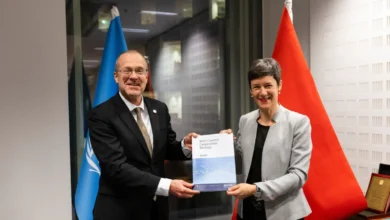
In a landmark milestone for international public health diplomacy, the Government of Luxembourg formalized its most ambitious financial commitment to date in support of the World Health Organization (WHO). On 20 December 2024—fittingly coinciding with International Human Solidarity Day—senior officials from the Grand Duchy gathered with the leadership of the United Nations health agency to sign a pair of transformative funding agreements. The total package amounts to €47.5 million, combining a historic multi-year framework with the Ministry of Development Cooperation and Humanitarian Affairs and a pioneering inaugural contribution from the Ministry of Health and Social Safety.
This substantial influx of capital is designed to bolster global health security, accelerate progress toward the United Nations Sustainable Development Goals (SDGs) throughout the 2025–2028 strategic window, and reinforce multilateral cooperation at a time of mounting geopolitical and epidemiological challenges. By blending fully flexible core contributions with targeted thematic funding, Luxembourg has positioned itself as a vanguard of predictable, sustainable financing for international health architecture.
Main Facts of the Agreement
The centerpiece of the 20 December announcement is a €46.5 million Strategic Partnership Framework (SPF) agreed upon with the Ministry of Development Cooperation and Humanitarian Affairs. This represents the largest single agreement ever executed between the WHO and the Government of Luxembourg. Supplementing this monumental partnership is a separate €1 million multi-year agreement launched by the Ministry of Health and Social Safety. This latter pact marks Luxembourg’s very first official voluntary contribution originating directly from its domestic health portfolio to the global body.
The financial breakdown of the €46.5 million SPF is strategically engineered to address both immediate crisis management and long-term systemic health strengthening. A significant portion of the funds consists of fully flexible and thematic funding. Fully flexible contributions are considered the gold standard in international philanthropy and development assistance, as they empower the WHO Director-General and technical experts to allocate capital dynamically to areas facing the most acute, underfunded, or overlooked emergencies.
Furthermore, specific allocations within the package have been earmarked for critical global health initiatives, including the Universal Health Coverage Partnership (UHC-P)—which assists countries in scaling up primary health care—as well as specialized research into neglected tropical diseases and ongoing international efforts to achieve global polio eradication. Meanwhile, the €1 million contribution from the Ministry of Health and Social Safety will directly underwrite domestic and international priorities intersecting Luxembourg’s specialized expertise with global health security needs.
Chronology and Diplomatic Context
The path to the 20 December 2024 signing ceremony reflects a deepening, multi-decade relationship between Luxembourg and the WHO. Over the years, the small European nation has consistently punched above its weight in per capita official development assistance (ODA), frequently exceeding the United Nations benchmark of allocating 0.7% of Gross National Income (GNI) to development aid.

Preparations for the new framework intensified throughout the second half of 2024, aligning with the finalization of the WHO’s broader strategic objectives for the 2025–2028 quadrennium. During bilateral discussions in December, delegations from Luxembourg and the WHO mapped out the precise operational priorities that the new funds would support. The timing of the signing on International Human Solidarity Day was not accidental; it served as a deliberate diplomatic signal emphasizing that global health is a shared global public good requiring collective, cross-border solidarity rather than isolated national responses.
The high-level delegations present at the formal proceedings underscored the gravity of the occasion. The agreements were signed in the presence of Dr. Tedros Adhanom Ghebreyesus, Director-General of the WHO; Xavier Bettel, Luxembourg’s Deputy Prime Minister and Minister of Foreign and European Affairs, Cooperation and Foreign Trade; and Martine Deprez, Minister of Health and Social Safety.
Official Responses and Perspectives
The announcements were met with widespread diplomatic and public health acclaim, reflecting the mutual trust cultivated between Luxembourg and the UN health agency over many years of close collaboration.
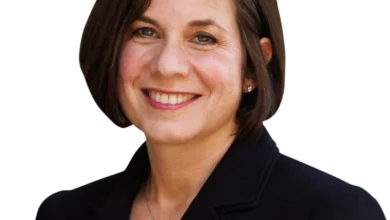
Martine Deprez emphasized the practical, domestic, and international policy dimensions of the funding during the bilateral meeting. "From now till 2028, this contribution will help finance priority areas in Luxembourg’s collaboration with WHO," Minister Deprez stated. She explicitly highlighted two critical pillars of the partnership: "notably for sanitary crisis preparedness and response and the fight against health inequalities, with a special focus on gender." By centering gender equity and pandemic preparedness, Luxembourg’s funding directly addresses systemic vulnerabilities exposed by recent global health crises.
Xavier Bettel framed the dual agreements through the lens of long-term strategic foresight and unwavering dedication to multilateralism. "By signing two new partnership agreements, we have reaffirmed Luxembourg’s continued support for the WHO and its mission," Deputy Prime Minister Bettel remarked. He added, "This reflects our strong commitment to promoting global health and multilateralism. We launch these agreements with WHO because we believe the best way to avoid is to prevent." This philosophical emphasis on prevention over cure mirrors the WHO’s broader strategic shift toward primary health care and robust, community-level surveillance systems.
Dr. Tedros Adhanom Ghebreyesus expressed deep gratitude on behalf of the global health community, pointing to the symbolic resonance of the signing date. Observing that the agreements were finalized on International Human Solidarity Day, Dr. Tedros described the package as "a strong statement of solidarity by Luxembourg, not just with WHO, but with the people of the world." He took to social media and official channels to reiterate that predictable financing remains the single greatest prerequisite for protecting vulnerable populations from preventable diseases and emerging biological threats.
Supporting Data and Technical Scope
Beyond crisis response and political declarations, the Strategic Partnership Framework provides essential backing for the WHO’s core normative mandate. In the complex ecosystem of global health, the WHO serves as the ultimate global authority for developing, validating, and disseminating high-quality technical products. These encompass the evidence-based guidelines, clinical norms, and international standards upon which national healthcare systems, regulatory bodies, and medical researchers rely daily.

Without sustainable core funding, the production of these foundational guidelines—ranging from antimicrobial resistance thresholds to maternal health protocols—can experience severe bottlenecks. The inclusion of flexible funding within Luxembourg’s €46.5 million package ensures that the WHO can maintain the rigorous scientific independence and technical agility required to update standards rapidly in light of emerging data, new pharmaceutical breakthroughs, or shifting environmental hazards.
Additionally, the targeted support for the Universal Health Coverage Partnership directly addresses the persistent fragmentation of health services in low- and middle-income countries. By helping governments integrate disease-specific programs into cohesive, primary health care-oriented systems, the funding aids in building structural resilience that pays dividends long before a localized outbreak escalates into a transnational pandemic.
Broader Impact and Implications for Global Health 2025–2028
The timing of Luxembourg’s financial injection is particularly consequential as the international community navigates the mid-to-late 2020s landscape. Following the profound disruptions of the COVID-19 pandemic and subsequent geopolitical realignments, traditional donor frameworks have faced mounting domestic fiscal pressures. In this environment, voluntary, predictable, and multi-year funding models—such as those pioneered by Luxembourg in this latest agreement—are critical to safeguarding the operational independence and technical capacity of the UN system.
By dedicating substantial resources to tropical disease research and polio eradication, the partnership also reinforces efforts to close equity gaps that leave marginalized populations behind. Tropical diseases, while largely preventable or treatable, continue to inflict immense socioeconomic burdens on impoverished communities across the globe, perpetuating cycles of poverty and ill health.
Furthermore, Luxembourg’s explicit focus on gender equality within the framework acknowledges that public health emergencies do not impact all populations equally. Biological, social, and structural inequalities frequently leave women and girls disproportionately vulnerable during health crises, restricting their access to care and elevating their risk of exposure. By embedding gender-responsive metrics into the utilization of these funds, Luxembourg and the WHO are setting a progressive benchmark for future bilateral development agreements.
Ultimately, the record-breaking €47.5 million partnership between Luxembourg and the World Health Organization stands as a testament to the enduring value of international solidarity. As the global health community looks ahead to the challenges and opportunities of the 2025–2028 strategic cycle, this historic alliance demonstrates how small and mid-sized nations can exercise disproportionate, positive influence in shaping a safer, healthier, and more equitable world for all.
Related posts: