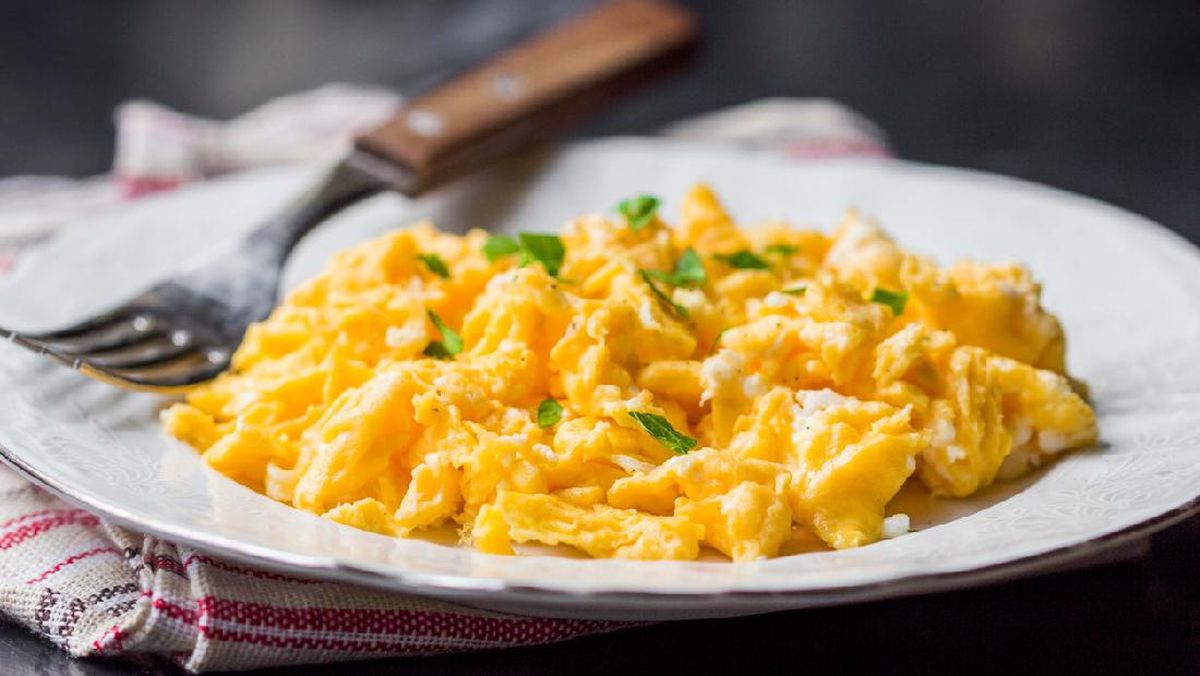
Eggs have long served as a cornerstone of the global culinary landscape, prized for their versatility, affordability, and high-quality protein content. Whether served as a simple breakfast staple or incorporated into complex pâtisserie, the humble egg remains a dietary fixture for millions. Among the myriad ways to prepare eggs, scrambled eggs are perhaps the most deceptive; while the dish requires only a few seconds of heat and a handful of ingredients, achieving a texture that is simultaneously light, fluffy, and decadent—reminiscent of high-end hotel breakfasts—is a technical challenge that many home cooks fail to master. Often, the result is an overly dry, rubbery, or granular scramble that lacks the signature "creamy" finish found in professional kitchens.
Culinary experts and food scientists have long analyzed the structural changes that occur during the cooking of eggs, revealing that the difference between a mediocre breakfast and a gourmet experience lies in the precise application of heat and chemistry. By understanding how egg proteins denature and coagulate, home cooks can replicate the standards of professional establishments.
The Science of Coagulation and Protein Structure
To understand why scrambled eggs often turn out poorly, one must look at the protein composition of the egg. An egg consists of approximately 75% water, 12% protein, and 10% fat. The proteins—specifically ovalbumin and conalbumin—are tightly folded chains. When heat is applied, these chains "unfold" (denature) and then link together (coagulate) to form a solid matrix.
According to data from the American Egg Board, the temperature at which these proteins begin to solidify is critical. If the heat is too high, the proteins bond too tightly, squeezing out the water trapped within the matrix. This "syneresis," or the expulsion of liquid from a gel, is precisely why poorly cooked scrambled eggs appear watery or dry. Achieving the perfect texture requires controlling this coagulation process so that the proteins form a soft, delicate network rather than a firm, rubbery one.
Essential Techniques for Superior Scrambled Eggs
Professional chefs, including those in the fine-dining sector, rely on a specific set of protocols to ensure consistency. These methods are not mere stylistic choices but are grounded in food science.
1. The Importance of Thorough Emulsification
The process begins with the whisking of the eggs. It is a common misconception that eggs only need a cursory stir. In reality, the whites and yolks must be fully homogenized. Because the yolk and white have different coagulation temperatures—yolks begin to thicken at approximately 65°C, while whites begin at 62°C—improper mixing leads to uneven cooking. Thorough whisking ensures that the mixture behaves as a single unit, leading to a uniform, velvety texture.
2. Salt: The Pre-Cooking Catalyst
A persistent culinary debate concerns when to add salt. While some believe salting early draws out moisture, empirical evidence suggests the opposite. Adding salt before cooking actually prevents the protein strands from bonding too tightly. By interfering with the cross-linking of proteins, salt allows for a more tender final product. When added just before the eggs hit the pan, salt acts as a stabilizer, ensuring the eggs remain moist throughout the cooking process.
3. Enrichment with Dairy
To achieve a truly "creamy" consistency, many chefs incorporate high-fat dairy such as heavy cream or full-fat milk. The addition of fat serves two purposes: it dilutes the protein concentration, which raises the temperature required for the eggs to set, and it provides a luxurious mouthfeel. This technique is standard practice in many European culinary schools, where scrambled eggs are often treated as a delicate custard rather than a standard protein dish.
4. The Role of Butter
Butter is more than just a lubricant for the pan; it is a vital component of flavor and texture. High-end kitchens often utilize a "double-butter" technique. The first portion is used to grease the pan, while a second knob is stirred into the eggs during the final seconds of cooking. This final addition of cold butter emulsifies with the residual heat of the eggs, creating a glossy, rich sheen that is a hallmark of restaurant-quality cooking.
Thermal Management and Controlled Cooking
The most significant factor in the failure of scrambled eggs is the use of high heat. Many home cooks utilize high settings to expedite the process, but this is counterproductive. Using low heat is essential for maintaining control over the coagulation rate.
When the pan is kept at a lower temperature, the transition from liquid to solid is gradual. This allows the cook to manage the formation of curds, moving them slowly to ensure even heat distribution. If the temperature is too high, the eggs on the bottom of the pan set instantly, while the top remains raw, leading to a disparate texture that lacks the desired consistency.
Timing and the "Carry-over" Effect
A common error made in domestic kitchens is leaving the eggs on the heat until they look "done." Because eggs continue to cook due to residual heat—a phenomenon known as "carry-over cooking"—the eggs will be overcooked by the time they reach the plate.
The industry standard is to remove the eggs from the heat source when they appear slightly underdone, wet, and glistening. The residual heat trapped within the curds will complete the cooking process within seconds, ensuring the final product is light and airy rather than rubbery.
Economic and Nutritional Context
From a broader perspective, eggs represent an essential global protein source. According to the International Egg Commission, global egg production has steadily risen over the past decade, driven by increased demand for affordable, high-quality animal protein. The versatility of the egg makes it a staple in food security initiatives worldwide.
However, the nutritional value of the egg can be influenced by the preparation method. Overcooking eggs, particularly at high temperatures, can lead to the oxidation of fats and a potential reduction in the bioavailability of certain nutrients. By adopting the low-heat, slow-cooking methods described, home cooks not only achieve a superior culinary result but also preserve the integrity of the nutrients within the egg.
Implications for Home Cooking Standards
The evolution of cooking techniques available to the general public has been greatly accelerated by digital media and the accessibility of professional culinary education. Where once these "secrets" were guarded within the walls of commercial kitchens, the democratization of information has allowed home cooks to elevate their daily routines.
The shift toward precision in the kitchen reflects a growing consumer interest in food quality. As households become more conscious of ingredients and techniques, the demand for "restaurant-quality" results at home has led to a surge in interest regarding the science of cooking. This trend not only improves the quality of meals consumed at home but also fosters a deeper appreciation for the culinary arts.
Conclusion
Creating the perfect bowl of scrambled eggs is less about innate talent and more about adherence to a set of scientific principles. By prioritizing thorough whisking, the strategic use of salt, the addition of fats for texture, and the strict management of heat, anyone can elevate a simple meal into a sophisticated dish. The move away from high-heat, high-speed cooking toward a more deliberate, technique-driven approach is the ultimate key to unlocking the potential of the egg. As culinary knowledge continues to disseminate, the standard for home-cooked meals continues to rise, closing the gap between the professional chef and the everyday cook.