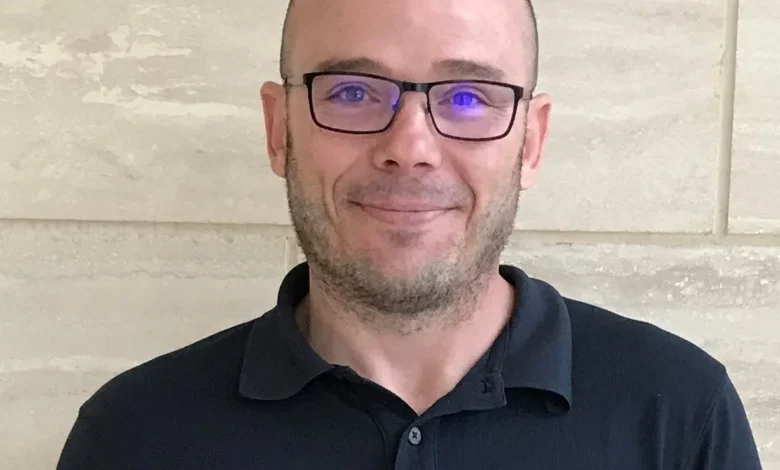
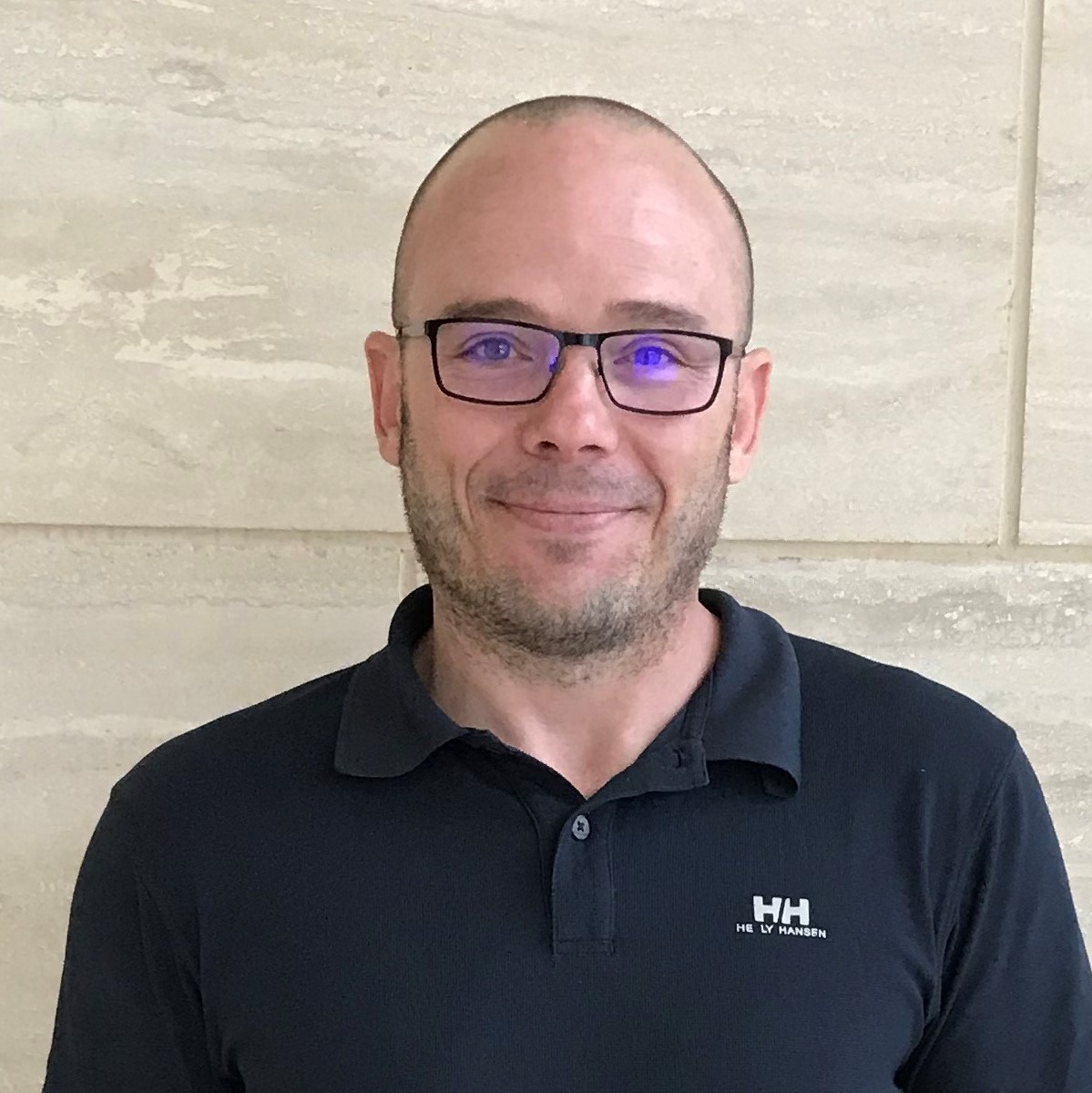
At the Buck Institute, groundbreaking discoveries are not solely the product of advanced technology, but rather the vibrant intellectual output of its dedicated scientists. The "Faces of Discovery" series, a monthly feature on the Buck Blog, shines a spotlight on these researchers who are diligently working to unravel the complexities of aging and pioneer novel strategies to enhance human longevity and well-being. This installment introduces Chaska Walton, a pivotal member of the Julie Andersen lab, whose innovative research into smart delivery systems for treating Alzheimer’s disease has garnered significant national recognition.
A Landmark Achievement: NIH Transformative Research Award
Chaska Walton has been honored with a prestigious $2.4 million NIH Transformative Research Award, a testament to the groundbreaking nature of their work. This highly competitive award, bestowed upon only nine researchers nationwide by the National Institutes of Health (NIH), recognizes projects that have the potential to create new avenues of research or practice and to lead to transformative advances in health and medicine. Walton’s proposal centers on the development of sophisticated, cell-based delivery systems designed to combat the multifaceted pathologies characteristic of Alzheimer’s disease. This award underscores the significant promise and potential impact of Walton’s research in addressing one of the most pressing public health challenges of our time.
Walton’s academic journey has been marked by a consistent pursuit of knowledge in the intricate field of neuroscience. Their educational path began with studies in psychology and neuroscience at the Autonomous University of Barcelona, laying a foundational understanding of the brain’s complexities. This was followed by doctoral work at the esteemed Cajal Institute in Madrid, a renowned center for neuroscience research. It was during this period that Walton challenged established scientific paradigms. Collaborating within the Cajal Institute, a place steeped in the legacy of Santiago Ramón y Cajal, a pioneer of modern neuroscience, Walton’s research demonstrated that mature neurons, previously considered terminally differentiated, could re-enter the cell cycle. This discovery, inspired in part by Ramón y Cajal’s own forward-thinking vision that future science might overturn even his most firmly held beliefs, opened new avenues for understanding neuronal plasticity and repair.
From Fundamental Neuroscience to Engineered Therapies
Walton’s scientific trajectory then led them to the Buck Institute in California, a leading institution dedicated to understanding the fundamental biology of aging and its impact on human health. At the Buck, their focus evolved from exploring the intrinsic vulnerabilities and aging processes within neurons to the engineering of living therapies. This shift represents a significant transition from basic scientific inquiry to translational medicine, aiming to translate fundamental discoveries into tangible clinical applications. Walton’s current work centers on developing synthetic immune-cell therapies, including programmable CAR-Treg (Chimeric Antigen Receptor T regulatory) cells and advanced smart cell delivery platforms, specifically targeting Alzheimer’s disease.
This research is driven by a profound belief: that neurodegenerative diseases like Alzheimer’s are not an inevitable fate dictated by aging, but rather biological processes that can be deeply understood, engineered, and ultimately altered. Walton’s research program thus operates at the critical intersection of neuroscience, synthetic biology, and translational medicine, embodying a spirit of bold inquiry where conventional boundaries are transcended. As Walton puts it, the guiding principle is that "the only rule is that there are no rules." This philosophy fuels a relentless pursuit of innovative solutions, unburdened by preconceived limitations.

Chaska Walton on the Philosophy of "Editable Code" and Future Possibilities
In a two-part interview, Chaska Walton elaborates on the driving forces behind their groundbreaking research. The first part delves into the fundamental principles that shape their scientific worldview and the core problem their research aims to solve.
When asked about what initially drew them to the field of science and what continues to fuel their motivation, Walton offered a philosophical perspective that redefines our understanding of biological potential. "We are, in essence, editable code," they stated, challenging the notion of inherent biological limitations. Walton argues that perceived impossibilities are often merely reflections of current technological constraints, not fundamental biological prohibitions. Drawing a parallel to the historical pursuit of flight, where early humans lacked the means but not the underlying physical principles, Walton asserts that biology, much like physics, does not inherently forbid self-modification.
"The limitation was technological, not fundamental," Walton explained. "Likewise, biology does not forbid rewriting ourselves. We are editable code. It did not have to be that way, but it is. Whether we possess the tools today is irrelevant to what is possible in principle. One day we will have the tools. I can guarantee that." This conviction fuels a vision of future medicine where genetic engineering and cellular manipulation allow for the design of novel proteins, the creation of new cell types with enhanced functions, and even the regeneration of organs. The absence of strict biological rules, according to Walton, liberates scientific inquiry and makes each day an opportunity for exciting discovery. "There are no rules. We are just code. THERE. ARE. NO. LIMITS. That is what makes every day exciting."
Engineering Cellular Physicians: A New Paradigm for Alzheimer’s Treatment
The central question that animates Walton’s current research is how to effectively treat complex, multi-faceted diseases like Alzheimer’s, which have thus far eluded conventional therapeutic approaches. Walton draws an analogy to science fiction, where microscopic robots, or "nanobots," traverse the body to repair damaged tissues. Their research aims to achieve a similar outcome, not with mechanical devices, but with living cells – specifically, engineered immune cells.
"In sci-fi movies there is this concept of nanobots that can travel through the body and fix damaged tissue," Walton explained. "We are working on this concept, but instead of using mechanical nanorobots we are using cells, specifically immune cells. We are engineering these immune cells to give them the ability to detect specific forms of pathology found in Alzheimer’s disease and, in response, synthesize and deliver therapeutic drugs."
The profound significance of this research lies in the inherent limitations of current medical approaches to complex diseases. Walton argues that modern medicine often adopts a piecemeal strategy, addressing individual symptoms or pathological components rather than the disease as a whole. Using the metaphor of a damaged car, Walton illustrated this point: "Say the disease starts with a flat tire. We keep driving the car with the flat tire and this affects the wheel itself, which is grinding against the asphalt. Now the wheel is damaged and the shaft holding the wheel is strained. The shaft breaks and the car grinds against the road, leaking oil and ultimately damaging the engine. The approach of modern medicine is to fix one of those things only."
Alzheimer’s disease exemplifies this challenge, presenting a complex constellation of pathological hallmarks including amyloid beta and tau protein aggregates, neuroinflammation, dysfunctional microglia, and synapse loss. Current clinical trials, Walton points out, predominantly focus on interventions targeting only one of these aspects. "We have zero clinical trials trying to fix all of these pathological hallmarks of Alzheimer’s at the same time. Still, we expect Alzheimer’s to be cured very much like we expect the broken engine in the car to work by fixing the flat tire. This is not rhetoric. This is a fact. This is how modern medicine thinks."
A Systemic Approach to a Systemic Disease
Walton’s research proposes a radical departure from this fragmented approach. By engineering cells to act in concert, much like the body’s own sophisticated immune system, they aim to create a therapeutic platform capable of simultaneously addressing multiple pathological components of Alzheimer’s disease. These engineered cells are designed to detect specific disease markers, synthesize and deliver therapeutic agents with precise, micrometer-level accuracy, and importantly, to self-regulate, ceasing drug delivery once the therapeutic need is met.
"We are trying to change this by building a system capable of fixing all of the car parts at the same time," Walton stated. "That is why we are using engineered cells. We are designing them to act in concert, much like our own immune system, to deliver multiple drugs with micrometer accuracy and to stop when the drugs are no longer needed." This integrated, systemic approach holds the potential to not only treat Alzheimer’s disease but also a wide spectrum of other complex and currently intractable conditions. The implication is profound: diseases long considered incurable may become manageable, and potentially even reversible, through the power of engineered living therapies.
The implications of Walton’s work extend far beyond Alzheimer’s disease. The ability to engineer cells to precisely detect, respond to, and correct biological dysfunctions could revolutionize the treatment of a vast array of chronic and degenerative conditions. This NIH Transformative Research Award signifies a critical endorsement of this paradigm-shifting vision, providing the resources to accelerate the development and translation of these innovative cellular therapies. As research progresses, the focus will be on rigorous preclinical testing and eventual clinical trials to validate the efficacy and safety of these engineered cell systems, paving the way for a new era in the fight against complex diseases.
Read Part 2 where Walton takes us into his work in the lab, and where he sees the field headed in the next 5-10 years.
Related posts: