U.S. Global Health Tracker Reveals $26.7 Billion Investment Across 36 Bilateral Agreements Under America First Strategy

The landscape of United States international public health assistance is undergoing a profound structural evolution, defined by a strategic pivot toward domestic ownership, bilateral cooperation, and shared financial responsibility. According to updated tracking data, the U.S. government has successfully negotiated and signed 36 bilateral health cooperation agreements with partner nations across Africa, Latin America and the Caribbean, and Asia. These binding arrangements, primarily structured as memoranda of understanding (MOUs), form the operational backbone of the "America First Global Health Strategy."
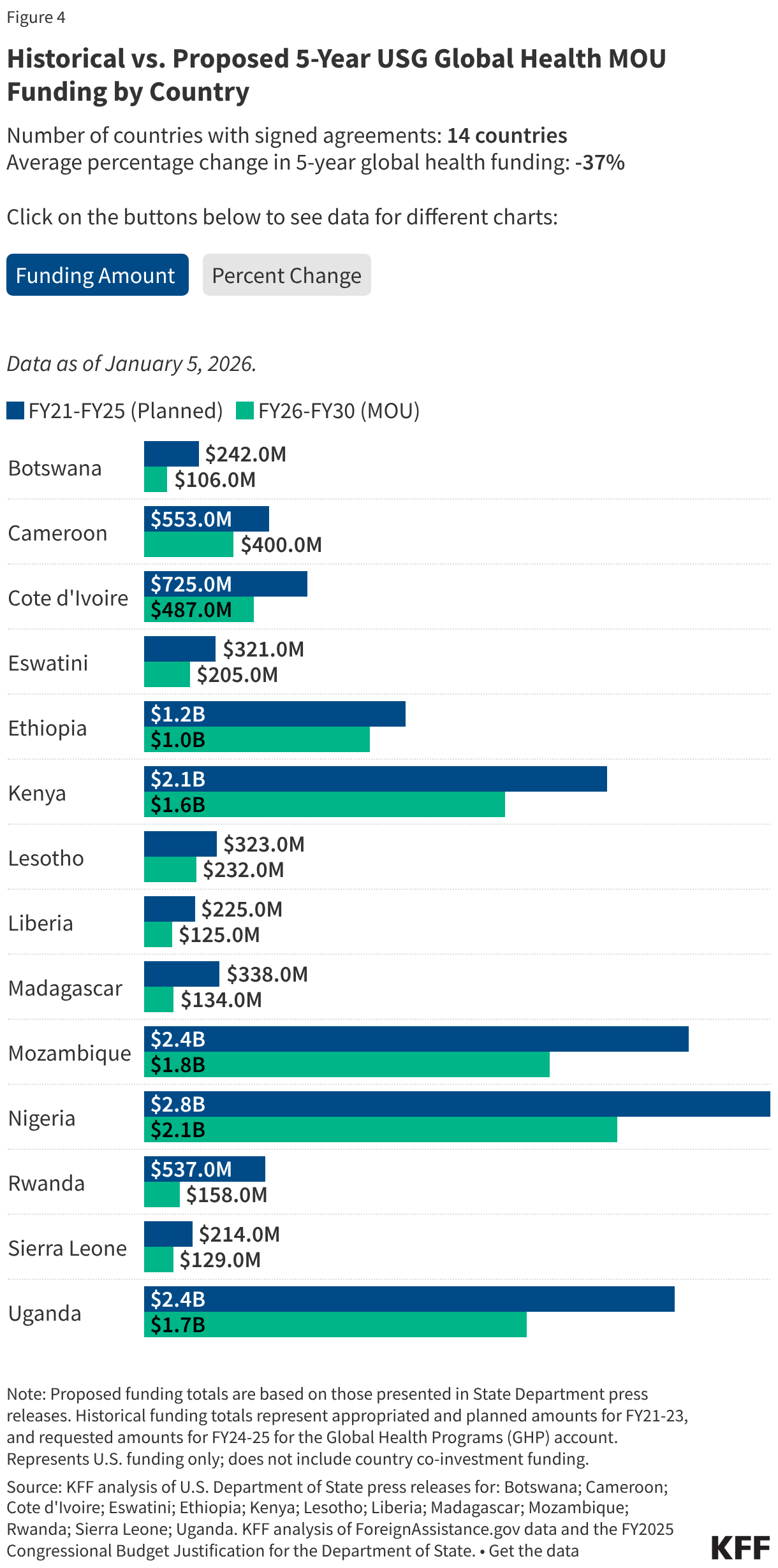
Unveiled officially by the U.S. government on September 18, 2025, the strategy outlines a decisive departure from traditional, open-ended global health funding models. Instead, it establishes five-year frameworks spanning from 2026 through 2030. The central architecture of these agreements relies on a co-investment model designed to transition countries away from reliance on U.S. assistance toward long-term domestic self-reliance. While the total combined funding pooled through these bilateral pacts reaches an estimated $26.7 billion in U.S. and partner country co-investments, the agreements simultaneously codify a significant contraction in direct U.S. financial commitments. Across the 36 signed nations, U.S. funding is slated to decline by roughly $8.1 billion—representing a 34% drop compared to historical baselines—shifting a heavier financial burden onto the Ministries of Health of the partner governments.
The Evolution and Chronology of the America First Global Health Strategy

The roots of this strategic overhaul stretch back to evolving debates surrounding foreign assistance, sustainability, and national sovereignty in foreign policy. For decades, U.S. global health diplomacy relied heavily on centralized initiatives such as the President’s Emergency Plan for AIDS Relief (PEPFAR) and broad-based programs managed through the U.S. Agency for International Development (USAID) and the Department of State. While these initiatives successfully saved millions of lives and stabilized health systems globally, critics and policymakers increasingly argued that they fostered long-term dependency, discouraging developing nations from allocating adequate domestic revenues toward their own public health infrastructure.
The formal introduction of the America First Global Health Strategy on September 18, 2025, codified these criticisms into official policy. The strategy mandated that future bilateral health engagements must be governed by explicit, mutual performance metrics and structured transition timelines.
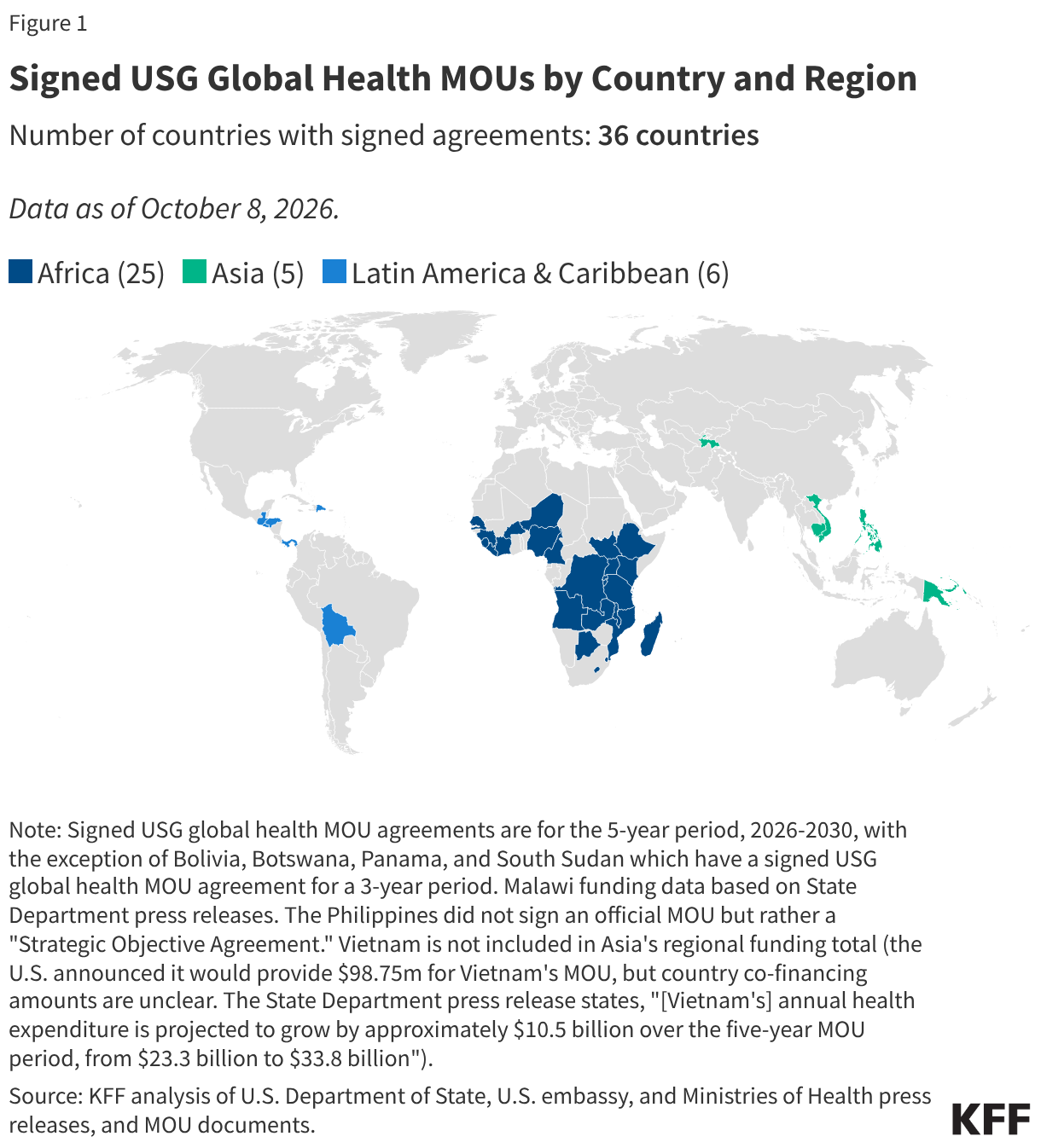
In the final months of 2025, the U.S. Department of State, alongside regional U.S. embassies, initiated high-level diplomatic outreach to partner nations to negotiate the terms of the new five-year MOUs. By late 2025 and moving aggressively into 2026, the first wave of agreements was signed. The implementation phase officially kicked off in mid-2026, with ongoing monitoring and periodic updates tracking the rollout of the program areas, financial disbursements, and domestic legislative adjustments within partner nations. Although the baseline framework is standard, the operationalization of these agreements has varied based on local geopolitical conditions, with certain nations—such as Bolivia, Botswana, Panama, and South Sudan—signing compressed three-year agreements rather than the standard five-year cycle due to localized context and data constraints. Meanwhile, the Philippines formalized its participation through a tailored "Strategic Objective Agreement" rather than a traditional MOU.
Comprehensive Breakdown of Funding and Co-Investment Metrics
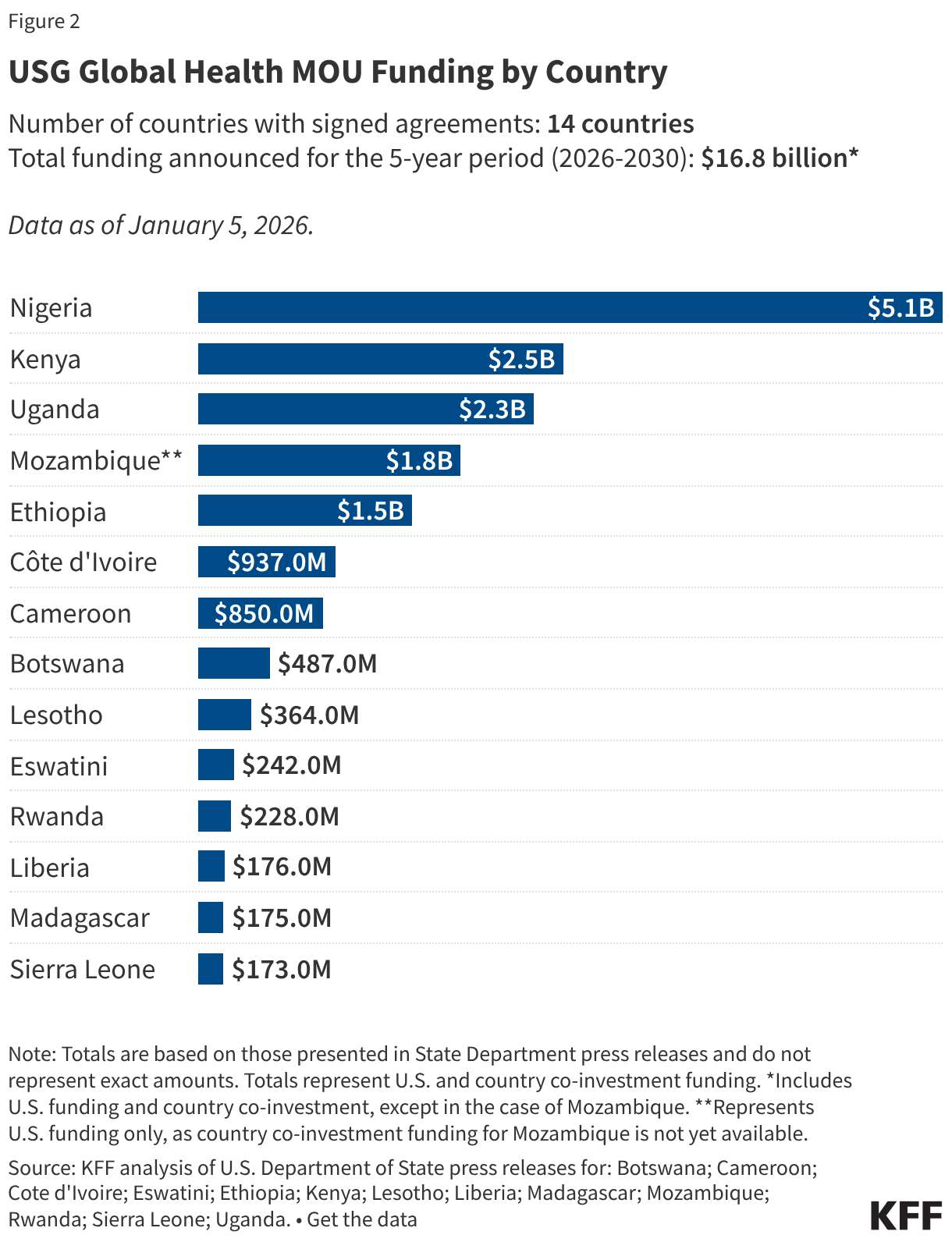
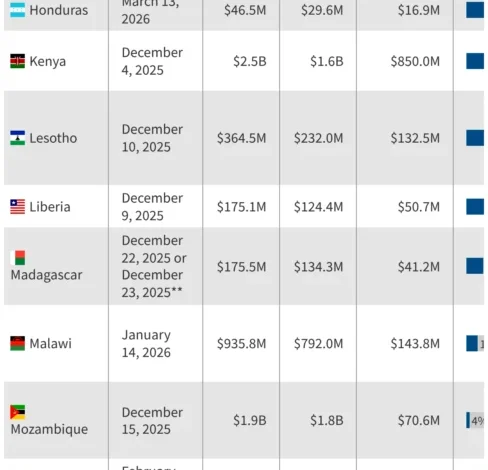
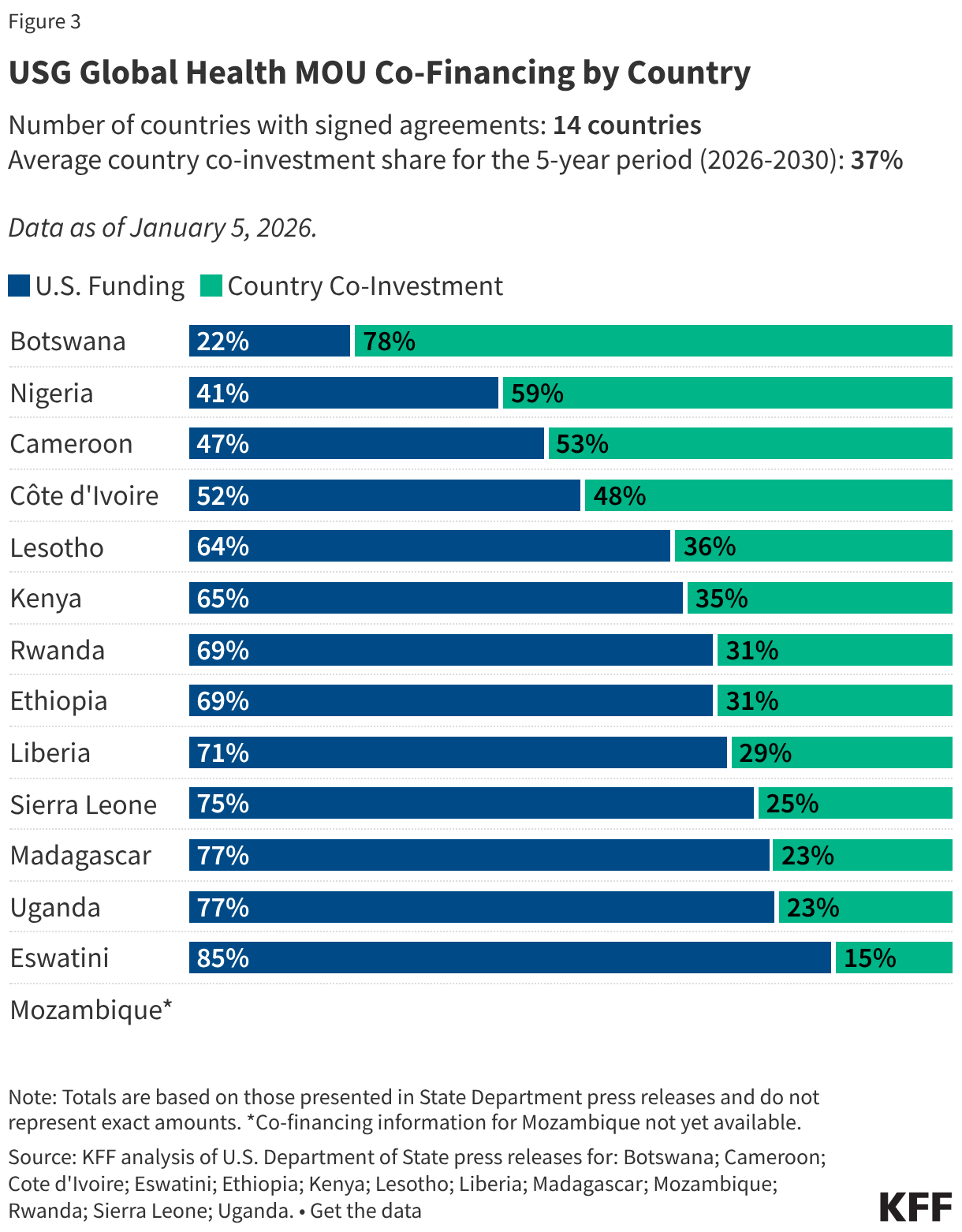
An analytical breakdown of the data compiled across the 36 signed agreements reveals a complex picture of fiscal readjustment. Total combined funding—comprising both U.S. commitments and partner country co-investments for the 2026–2030 window—stands at $26.7 billion. Of this total, the U.S. commitment accounts for $15.9 billion, while partner countries have collectively pledged $10.3 billion in domestic co-investments, translating to an overall co-investment share of approximately 39%.
However, the degree of national commitment varies dramatically across jurisdictions. Country co-investment shares span a remarkably wide range, from as low as 3% in some resource-constrained environments to as high as 79% in nations with more robust domestic economies. This wide variance underscores the individualized nature of the negotiations, reflecting the unique fiscal capacities, debt burdens, and domestic revenue-generation potential of each partner state.
When evaluated against historical funding levels—calculated using appropriated and planned allocations for fiscal years 2021 through 2023, alongside requested amounts for fiscal years 2024 and 2025 within the Global Health Programs (GHP) account—the trajectory of U.S. spending under these MOUs points downward. For the 36 countries with finalized agreements, proposed U.S. funding totals reflect an aggregate reduction of $8.1 billion, or 34%, when compared to their historical equivalents.
Data transparency also presents distinct analytical challenges. For instance, while some partner governments have clarified that their co-financing figures represent entirely new, incremental funding above their 2025 baseline health expenditures, others include a mix of existing and newly allocated domestic funds. Furthermore, unique reporting caveats apply to nations like Vietnam, where the U.S. announced a direct MOU contribution of $98.75 million, while Vietnamese national health expenditures are officially projected to grow by roughly $10.5 billion over the five-year period, rising from $23.3 billion to $33.8 billion.
Core Areas of Cooperation and Programmatic Focus
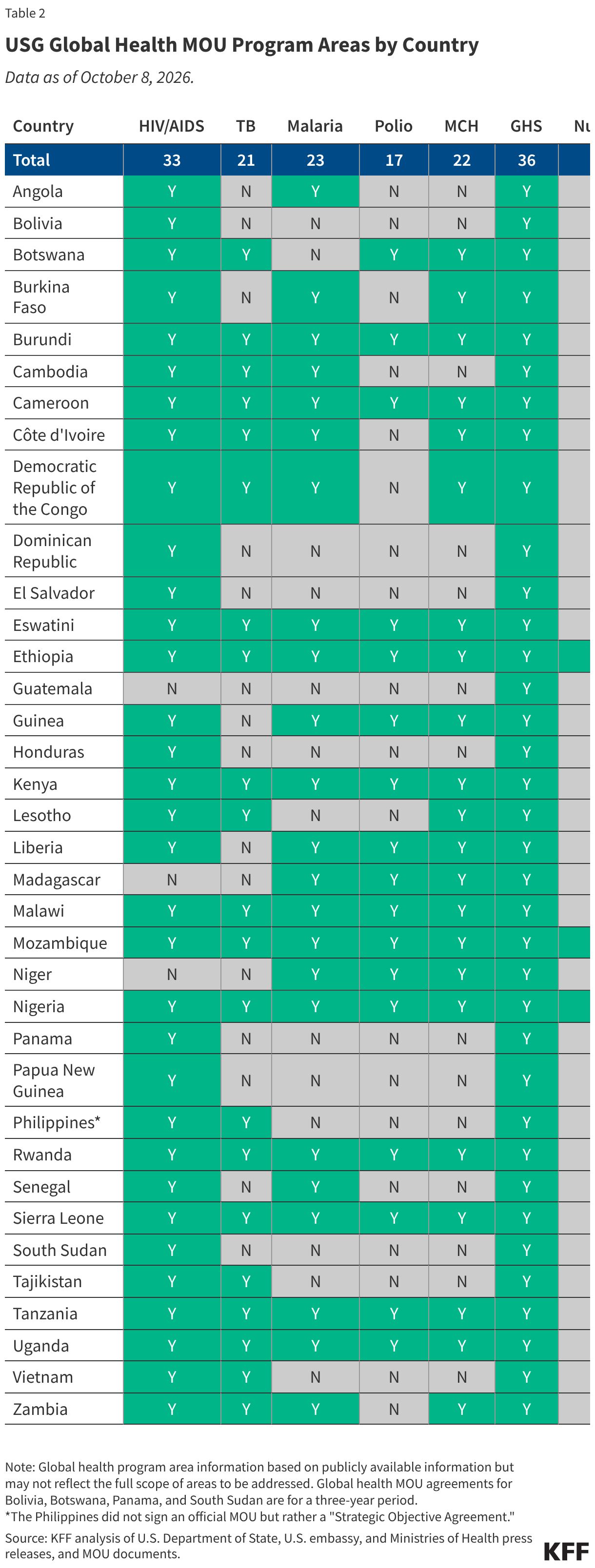
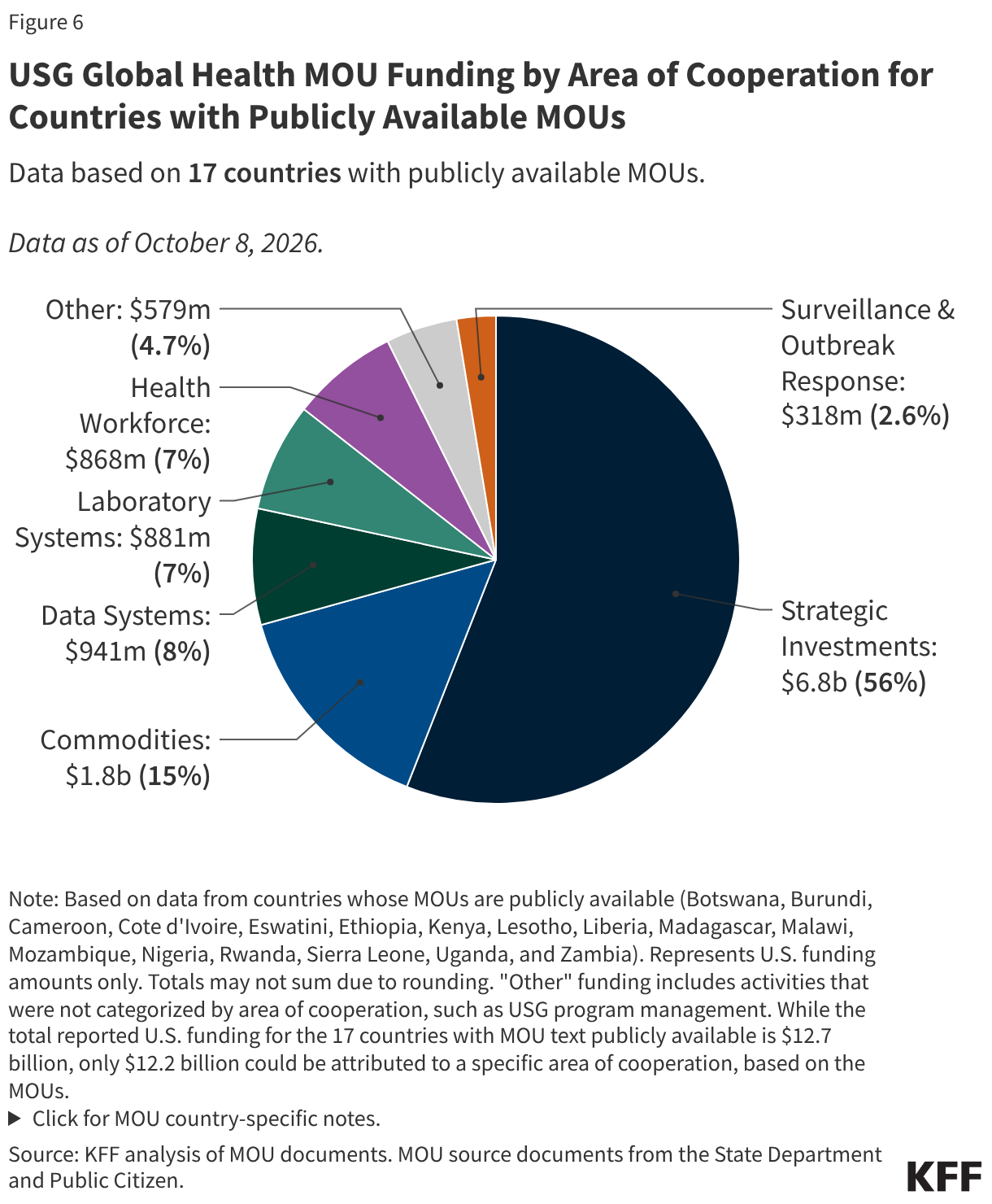
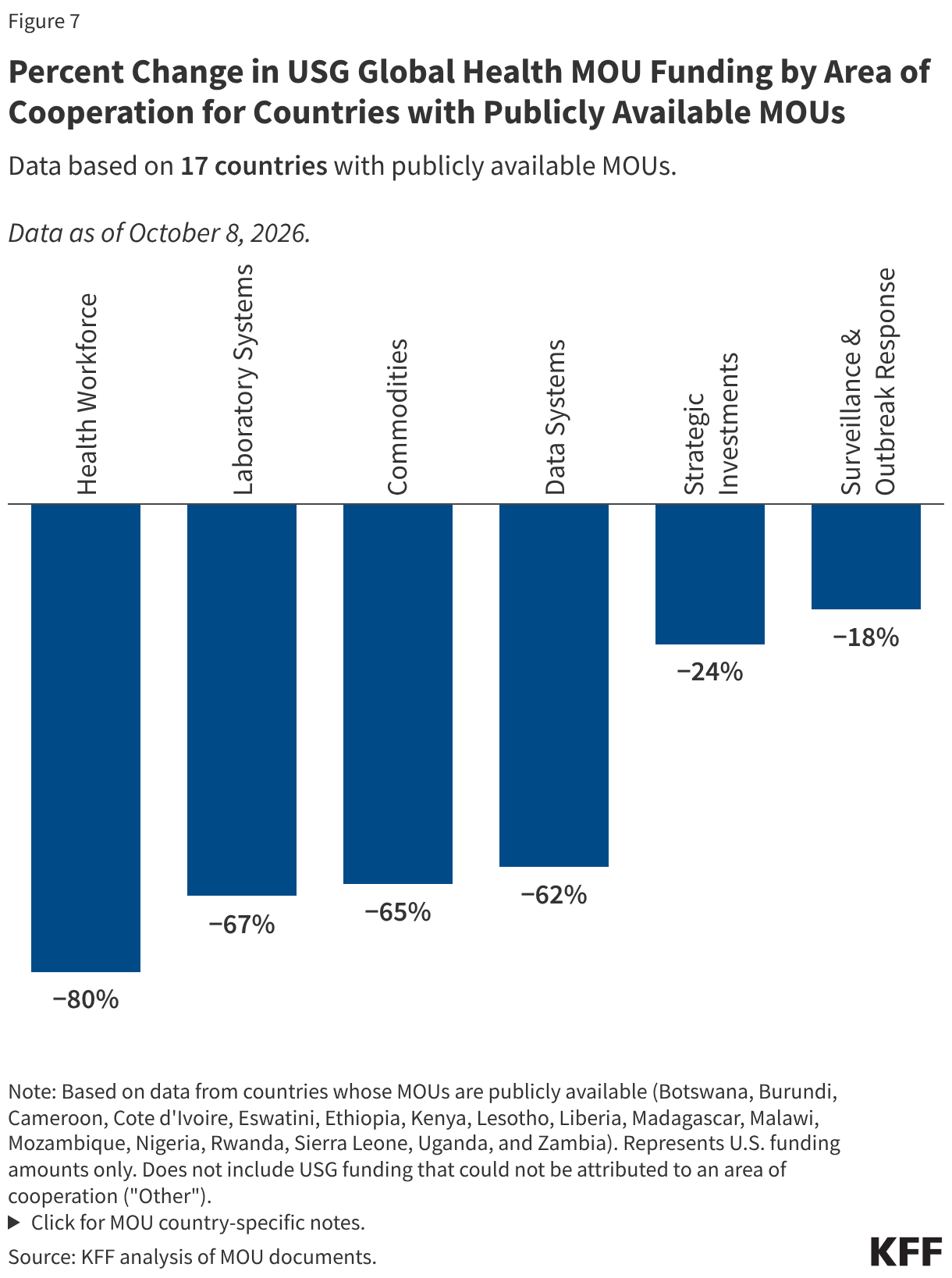
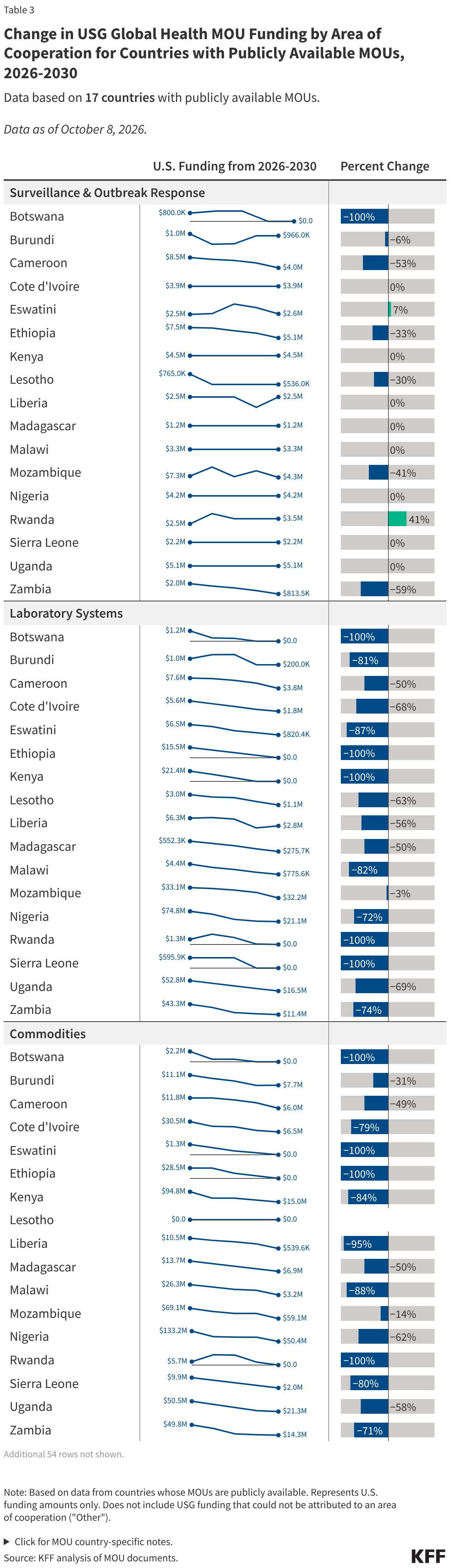
For countries where comprehensive MOU texts have been made publicly available, the agreements categorize cooperative activities into six primary areas: Surveillance and Outbreak Response, Laboratory Systems, Commodities, Health Workforce (focusing primarily on frontline healthcare workers), Data Systems, and Strategic Investments (encompassing technical assistance and strategic interventions).
- Surveillance and Outbreak Response: Emphasizing global health security, these provisions target early detection, rapid containment, and cross-border data sharing to mitigate emerging biological threats before they escalate into international crises.
- Laboratory Systems: Funding in this category consolidates diagnostic capabilities, covering both laboratory commodities and the specialized workforce required to operate high-level testing facilities.
- Commodities: This captures essential pharmaceutical supplies, medical devices, and health products, excluding specialized laboratory reagents and equipment categorized under lab systems.
- Health Workforce: Dedicated strictly to frontline healthcare providers, this funding stream aims to strengthen community-level clinical capacity, though certain countries like Mozambique and Uganda have presented integrated workforce figures that complicate the disaggregation of lab versus clinical personnel.
- Data Systems: Investments here focus on modernizing health management information systems, digitization, and ensuring reliable epidemiological data collection.
- Strategic Investments: Serving as the advisory and overarching managerial tier, this area incorporates technical assistance and administrative support.
Expenditures falling outside these core pillars—such as program management costs, specialized malaria surveillance initiatives in countries like Rwanda, and unclassified line items—are grouped under an "Other" category.
Official Responses and Diplomatic Reactions
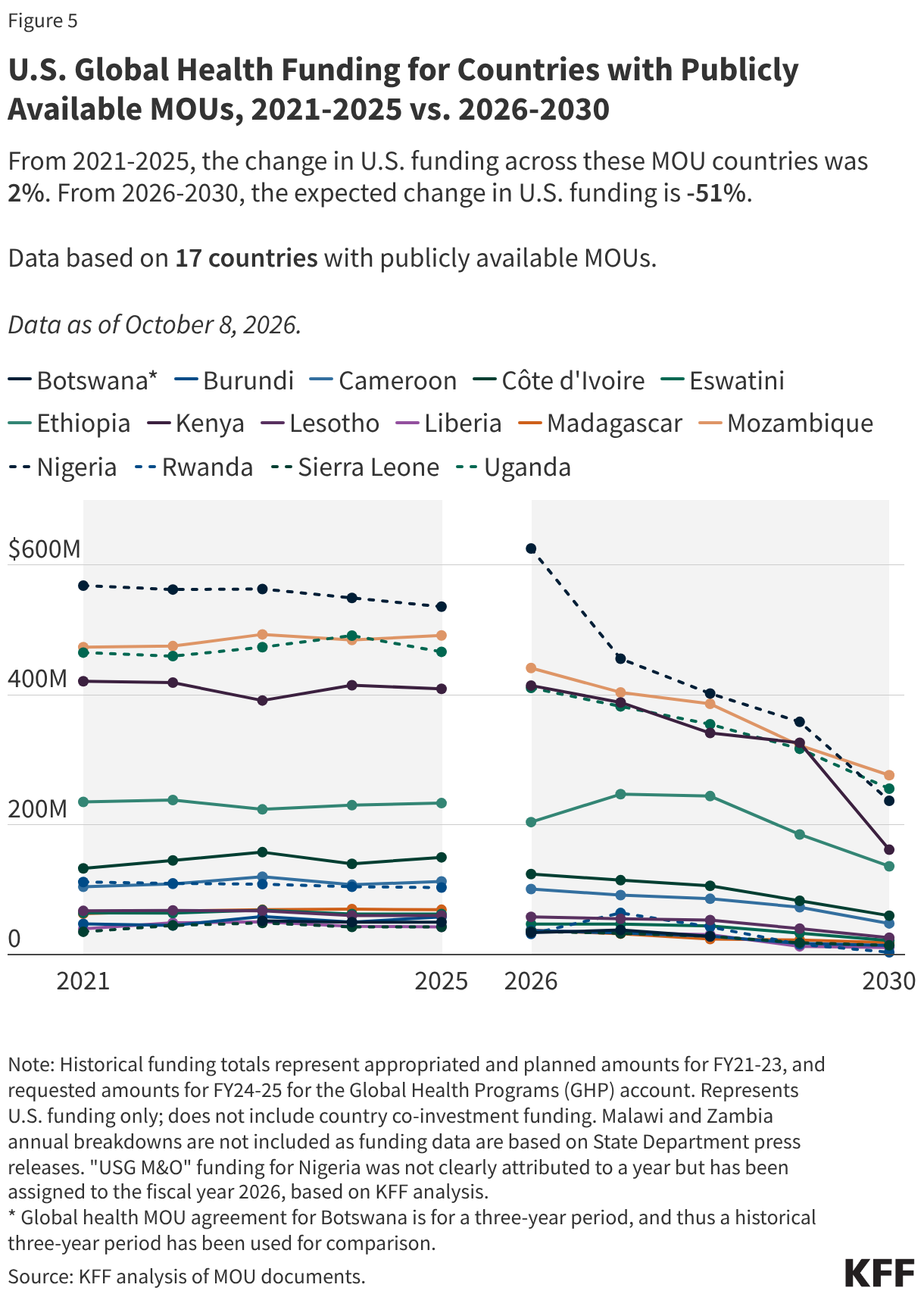
The rollout of the America First Global Health Strategy and its accompanying bilateral agreements has elicited a diverse array of responses from international relations experts, public health advocates, and foreign government officials.
Proponents of the strategy within the U.S. administration defend the framework as a necessary modernization of foreign assistance. Supporters argue that decades of unconditioned foreign aid created an unhealthy dependency that stifled local accountability. By tying U.S. support to mandatory domestic co-investment targets, the strategy aims to institutionalize public health as a core sovereign responsibility rather than a perpetual charity project funded by American taxpayers. From this perspective, a 34% reduction in direct U.S. funding is not a retreat from global health leadership, but rather a catalyst for sustainable, locally funded health systems capable of withstanding future economic and epidemiological shocks.
Conversely, global health advocates and international development organizations have expressed cautious concern regarding the sharp reduction in U.S. financial backing. Critics point out that many low- and middle-income countries face acute macroeconomic pressures, including heavy sovereign debt loads, inflationary headwinds, and competing domestic infrastructure demands. For these nations, rapidly scaling up domestic health budgets to offset multi-million-dollar U.S. funding cuts could prove challenging, potentially risking a temporary degradation of critical disease programs, maternal health services, and routine immunization campaigns during the transitional phase.
Implications for the Future of Global Health Architecture
As the implementation phase of the 36 bilateral agreements progresses through 2026, the international community is watching closely to evaluate the real-world efficacy of the co-investment model. The success or failure of these MOUs will likely serve as a blueprint for future U.S. foreign assistance policy.
If partner nations successfully absorb the financial transition, increase domestic health allocations, and fortify their domestic supply chains and surveillance networks, the strategy could redefine international development by proving that shared financial responsibility breeds resilient, self-sustaining health systems. However, if partner governments struggle to meet their co-financing targets amidst domestic fiscal constraints, the resulting funding gaps could expose vulnerabilities in global disease surveillance and patient care.
Ultimately, the America First Global Health Strategy represents a historic pivot in U.S. foreign policy—moving away from traditional donor-recipient dynamics toward a transactional, accountability-driven partnership model. The coming years will determine whether this framework successfully achieves its dual objectives of fostering local ownership while maintaining the robust health security standards required in an increasingly interconnected world.