

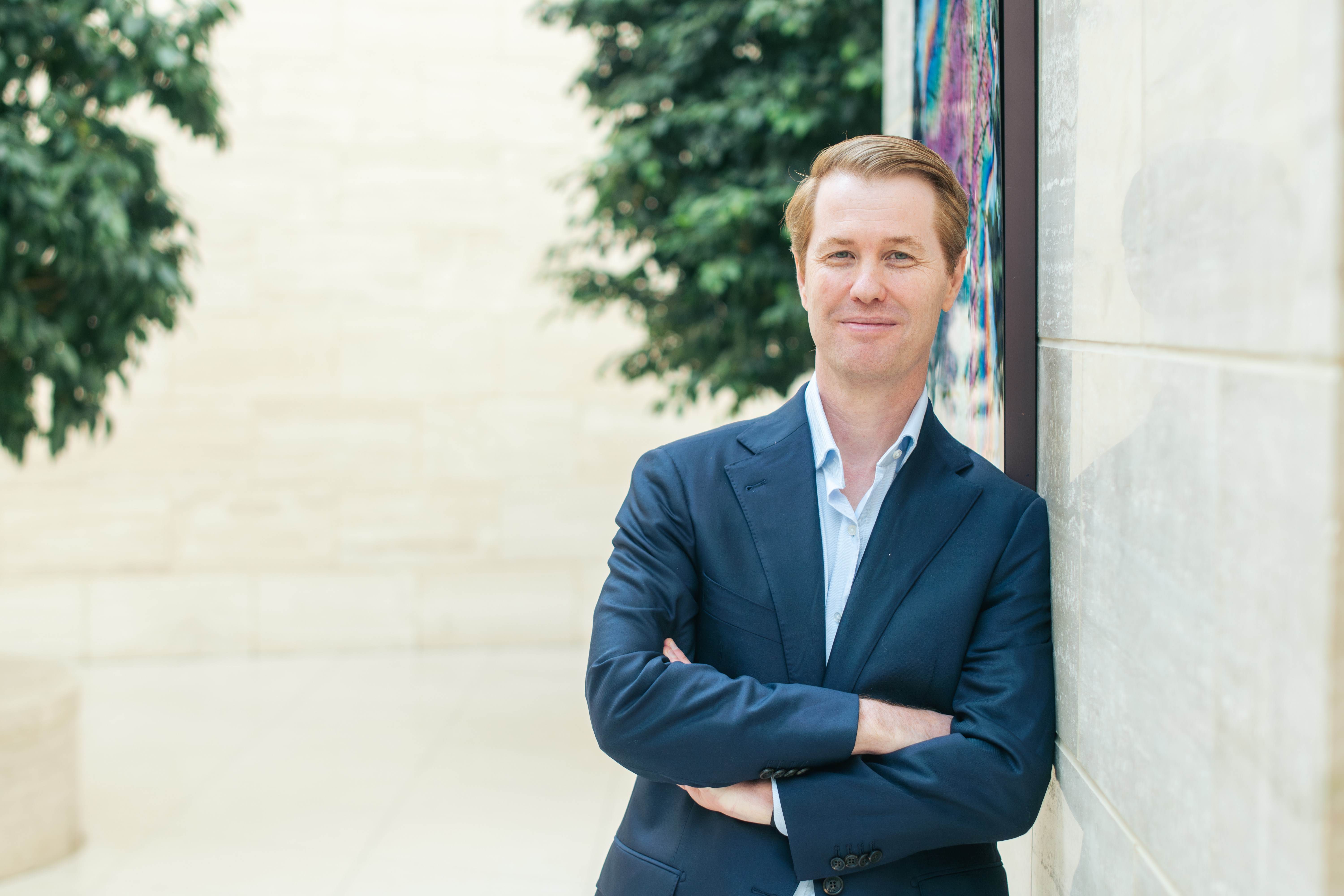
Nathan Price is not just a scientist; he is a futurist charting a course for a revolution in human health. His philosophy, articulated with unwavering conviction, is to operate "relentlessly future-oriented," always seeking the "next possibility" and preferring the "fast lane" of innovation over the slow, incremental pace of tradition. This dynamic approach has propelled him to a pivotal role at the Buck Institute, where, as Professor and Co-Director of the Center for Human Healthspan, he aims to fundamentally transform medicine from a reactive system of "sick care" into a proactive paradigm of wellness. His ambitious objective hinges on the strategic integration of artificial intelligence (AI) and advanced analytics to not only predict and prevent diseases but to extend the period of healthy human life – the healthspan.
Price’s arrival at the Buck Institute marks a significant acceleration in the institution’s pursuit of pioneering aging research. His vision aligns with a growing global recognition of the need to shift healthcare paradigms. The traditional model, largely focused on treating illness after it manifests, has proven increasingly unsustainable in the face of rising chronic disease burdens and aging populations. The World Health Organization, for instance, projects that by 2030, one in six people globally will be over the age of 60. This demographic shift underscores the urgency of developing strategies that promote not just longevity, but vitality throughout the lifespan.
The AI Revolution in Health: A Paradigm Shift
"AI and machine learning are undergoing exponential growth, one that is faster than when the internet exploded in the mid-to-late 90s," Price observes. This rapid, almost unprecedented, pace of technological advancement is precisely what he intends to harness. The Center for Human Healthspan is being meticulously positioned to capitalize on every surge in AI’s power, ensuring that these advancements directly fuel the mission of enhancing health and wellness. Price is confident that this strategic alignment will enable the Center to develop unique methodologies for capturing and leveraging AI’s full potential.
The implications of this approach are profound. By integrating AI, the Center aims to move beyond broad population-level interventions to highly personalized, predictive strategies. This could translate into early detection of predispositions to diseases like Alzheimer’s, cardiovascular conditions, or specific cancers, allowing for targeted interventions long before symptoms appear. Such a proactive model promises not only to improve individual quality of life but also to significantly reduce the economic and social burdens associated with chronic illness. The global economic impact of chronic diseases is staggering, with estimates suggesting they account for trillions of dollars in healthcare costs and lost productivity annually. Price’s work seeks to fundamentally alter this trajectory.
A Proven Track Record of Innovation
Nathan Price is exceptionally well-equipped for this formidable challenge. His academic and professional background is a testament to his interdisciplinary expertise and pioneering spirit. Specializing in systems biology, AI, and bioengineering, he has amassed a significant body of work, evidenced by over 200 scientific publications. His contributions have been recognized by prestigious bodies, including being named one of the "10 Emerging Leaders in Health and Medicine" by the National Academy of Medicine. Furthermore, he serves on the Board on Life Sciences of the National Academies of Sciences, Engineering, and Medicine, demonstrating his influence in shaping national scientific discourse.
A significant milestone in Price’s career was his co-authorship, alongside Buck Chief Innovation Officer and Distinguished Professor Lee Hood, of the seminal book The Age of Scientific Wellness. This work articulates a compelling vision for the future of medicine: one that is deeply personalized, inherently predictive, data-rich, and ultimately, "in your hands." The book lays the conceptual groundwork for the practical implementation of these ideals, and the Center for Human Healthspan is poised to be the crucible where this scientific wellness concept is forged into reality. The book’s publication marked a critical point in the discourse around the future of healthcare, setting a benchmark for ambitious research initiatives.
The Phenome Project: Unraveling the Secrets of Healthy Aging
The operational framework of the Center for Human Healthspan is designed to be comprehensive and groundbreaking. At its core lies the detailed profiling of the human phenome. The phenome encompasses the totality of an organism’s observable physical and biochemical traits, and crucially, how these traits evolve over time – a critical consideration in the context of aging. This in-depth phenotyping will integrate a vast array of data sources, including sophisticated molecular assays, clinical records, and the often-overlooked "social determinants of health" such as socioeconomic status, education, and access to resources. Additionally, digital measures of environmental exposures and individual behaviors will be incorporated, providing a holistic view of each individual’s health landscape.
This multi-modal data collection will result in the creation of a massive repository of biospecimens and associated data. This invaluable resource will serve as the bedrock for biomedical research, accelerating the discovery of biomarkers for both optimal wellness and the earliest signs of disease. The integration of these diverse data streams is a complex undertaking, requiring sophisticated computational infrastructure and advanced analytical techniques.
At the heart of this data-driven engine will be cutting-edge AI and integrative, predictive modeling. These computational pipelines are designed to unravel complex biological mechanisms underlying aging and disease, leading to the identification of novel therapeutic targets and predictive biomarkers. The ultimate goal is to translate these discoveries into tangible interventions: therapeutics will be designed and rigorously preclinically validated before progressing to human clinical trials and, eventually, into widespread clinical practice. This systematic, evidence-based approach ensures that the innovations emerging from the Center are not only scientifically sound but also clinically translatable and impactful.
Embracing the Frontier: A Philosophy of Boldness
Price’s enthusiasm for pushing scientific boundaries is palpable. "I just think the most fun thing in science is to jump into something that is going in a direction that is super important," he states. "If it works out, you know it’s important. And if there’s a bunch of people telling you, ‘I wouldn’t do that,’ that’s where I want to be, because then I’m not in a lane where I’m going to get run over a bunch and by the time we’re years down the road, we’ll be the best in the world at it. That’s what I like." This quote encapsulates a scientific ethos that thrives on challenge and embraces the inherent risks of groundbreaking research. It’s a philosophy that recognizes that true innovation often lies beyond the comfortable, well-trodden paths.
This bold approach is not without precedent in scientific history. Many transformative discoveries, from penicillin to the mapping of the human genome, were initially met with skepticism or faced significant technical hurdles. The willingness to confront these challenges head-on, fueled by a strong belief in the potential impact, is a hallmark of scientific progress. By positioning the Center at the forefront of emerging AI technologies and complex biological systems, Price is aiming to establish a world-leading hub for healthspan research.
Bridging Science and Society: Commercialization and Implementation
The ultimate success of the Center for Human Healthspan will be measured not only by its scientific breakthroughs but also by its ability to translate these discoveries into real-world value for society. This involves a robust strategy for commercialization and the seamless implementation of its findings and developed products. Price’s experience extends beyond the laboratory and into the practicalities of bringing innovations to market.
Prior to his role at the Buck Institute, Price served as the Chief Scientific Officer of Thorne, a company dedicated to healthy aging. This experience provided him with invaluable insights into the business aspects of scientific wellness, including product development, regulatory pathways, and market engagement. His earlier tenure as Professor and Associate Director at the Institute for Systems Biology, where he co-directed the Hood-Price Lab for Systems Biomedicine, further honed his skills in interdisciplinary research and collaborative innovation. He also held an Affiliate Faculty position at the University of Washington in bioengineering and computer science, reinforcing his deep understanding of the technological underpinnings of his work. Price earned his PhD in bioengineering from the University of California, San Diego, a testament to his rigorous academic training.
This blend of scientific acumen and business acumen is crucial for ensuring that the ambitious goals of the Center translate into tangible benefits for the public. The path from scientific discovery to widespread clinical adoption is often long and complex, requiring a strategic approach to intellectual property, partnerships, and market access. Price’s background suggests a comprehensive understanding of these critical elements.
The Buck Institute: A Catalyst for a Healthspan Revolution
Price describes the Buck Institute as "the world’s foremost institute of aging," a bold assertion that underscores his confidence in the institution’s potential. He envisions the Institute undergoing a "supernova" of growth, driven by a unique and powerful convergence of factors: cutting-edge basic science, emerging technologies, unprecedented data generation, and a newly established clinical research core. This synergistic combination, he believes, provides the ideal environment to achieve significant advancements in human healthspan and to fundamentally reorient the healthcare system towards a proactive wellness model.
The Buck Institute, founded in 1999, has long been a leader in aging research. Its commitment to understanding the fundamental biological processes of aging has laid a strong foundation for the ambitious initiatives now underway. The addition of Price and the establishment of the Center for Human Healthspan represent a strategic evolution, integrating advanced computational approaches and AI to accelerate discovery and translation. This strategic pivot positions the Buck at the vanguard of a new era in aging research, one where the focus is not just on extending life, but on extending the quality of those lives.
Societal Challenges and Collective Impact
The challenges addressed by the Center for Human Healthspan – extending healthspan, combating age-related diseases, and transforming healthcare – are undeniably immense societal issues. Price acknowledges this, stating, "All of those things are incredibly huge, big societal challenges that are much bigger than me, much bigger than one institution, but we can be a catalyst." This perspective highlights the understanding that while individual institutions and researchers play vital roles, systemic change requires collaboration and a broader societal effort.
He draws inspiration from the profound truth encapsulated in the quote: "Never underestimate the power of a small group of people to change the world. Indeed, nothing else ever has." This sentiment underscores the belief that focused, intelligent, and strategically aligned efforts can indeed catalyze significant transformations. Price is convinced that by operating with strategic vision, fostering robust partnerships, and leveraging the unique capabilities of the Buck Institute, his team has the opportunity to profoundly alter the trajectory of human aging and health. This forward-looking perspective, combined with a deep understanding of both the scientific and societal dimensions of his work, positions Nathan Price and the Center for Human Healthspan as powerful agents of change in the global pursuit of longer, healthier lives. The implications of their success extend far beyond the laboratory, promising a future where aging is not synonymous with decline, but with continued vitality and well-being.
Related posts: