
Dr. Sandra Lee, Known as "Dr. Pimple Popper," Shares Personal Insights into Managing Eczema

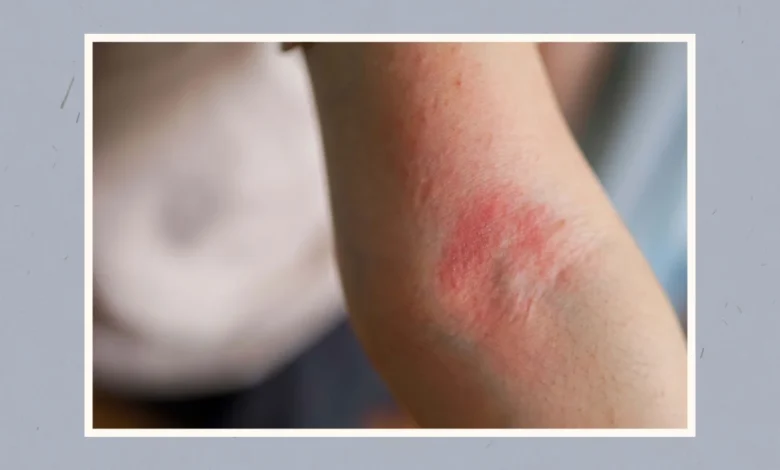
Board-certified dermatologist Sandra Lee, M.D., widely recognized as "Dr. Pimple Popper" for her popular online content showcasing dermatological procedures, has revealed her personal experience managing mild to moderate eczema, also known as atopic dermatitis (AD). While her professional career focuses on treating a wide spectrum of skin conditions for patients, Dr. Lee herself lives with this chronic inflammatory skin disease. This dual perspective as both a medical expert and a patient offers valuable insights into the daily challenges, triggers, and management strategies for individuals affected by eczema.
Eczema, particularly atopic dermatitis, is a prevalent condition affecting millions worldwide. In the United States alone, over 8 million individuals aged 12 and older are diagnosed with AD. This chronic condition is characterized by inflammatory skin reactions, including rashes, bumps, scaly or flaking skin, and intense itching and irritation. While often associated with childhood, with an estimated 3-4 million children between the ages of 2 and 11 affected, AD frequently persists into adulthood. Statistics indicate a higher prevalence in women, with approximately 8.9% of women experiencing the condition compared to 5.7% of men.
Dr. Lee’s personal journey with eczema provides a relatable and authoritative voice on the subject. Her understanding extends beyond clinical observation to the lived experience of managing flares, identifying personal triggers, and making informed treatment decisions in collaboration with healthcare providers.
Understanding and Identifying Eczema Triggers
A critical aspect of managing eczema involves recognizing and avoiding personal triggers, which can be highly individual and may evolve over time. Dr. Lee emphasizes her proactive approach to trigger avoidance. "I am diligent about avoiding trigger factors in my day-to-day life," she stated. "That includes steering clear of certain fabrics and environments that I know can exacerbate my symptoms. Over time, I’ve learned to manage those triggers more effectively."
Common triggers for eczema, affecting both children and adults, include environmental factors such as temperature fluctuations, and psychological stressors. However, adults may also encounter triggers related to their lifestyle, occupational exposures, and specific product formulations. Other widely recognized triggers include:
- Stress: Psychological stress is a well-documented contributor to eczema flare-ups.
- Temperature and Humidity: Extreme heat or cold, as well as dry or humid environments, can worsen symptoms.
- Skincare Products: Harsh soaps, detergents, fragranced lotions, and certain chemical ingredients can irritate sensitive skin.
- Fabrics: Rough materials like wool and certain synthetic fabrics such as polyester are often cited as irritants.
- Allergens: While not always a direct cause, exposure to allergens like pollen, dust mites, pet dander, and certain foods can trigger or exacerbate eczema in sensitive individuals.
- Infections: Bacterial or viral infections can lead to eczema flare-ups or complications.
Dr. Lee’s personal experience highlights the importance of paying close attention to these factors. Her ability to identify and mitigate her own triggers is a testament to the learning process inherent in managing a chronic condition.
Daily Management Strategies for Eczema
Living with eczema often necessitates the development of consistent routines and proactive strategies to minimize flare-ups and manage symptoms effectively. The unpredictable nature of eczema flares, coupled with the discomfort of itching and irritation, can significantly impact an individual’s quality of life.
Dr. Lee advocates for stress management techniques as a crucial component of daily eczema care. "Stress can contribute to flare-ups," she noted. "Incorporating relaxation techniques like meditation, journaling, and prioritizing sleep can be helpful." These practices not only contribute to overall well-being but can also have a direct positive impact on skin health by modulating the body’s stress response.
Furthermore, Dr. Lee recommends the use of a symptom diary, particularly for adults who have recently been diagnosed. Tracking daily activities, dietary intake, stress levels, and the products used on the skin can help individuals and their healthcare providers identify patterns and potential triggers. This data-driven approach can foster more informed conversations with a dermatologist and lead to more personalized treatment plans.
The chronic nature of eczema means that management is an ongoing process. For many, this involves a combination of lifestyle adjustments, environmental controls, and appropriate topical or systemic treatments. The goal is to maintain a stable skin barrier, reduce inflammation, and alleviate itching to improve comfort and prevent secondary infections.
The Crucial Role of Dermatologist Partnership
Collaborating closely with a dermatologist is paramount for effective eczema management. Dermatologists are equipped to provide accurate diagnoses, pinpoint individual triggers, and recommend tailored treatment options based on the severity and characteristics of a patient’s condition.
"They can help you understand what might be contributing to your eczema and recommend treatments that are appropriate for you," Dr. Lee explained. She strongly encourages patients to be active participants in their care by diligently documenting their symptoms and preparing questions for their appointments. "Establishing clear treatment goals and maintaining open communication allows for a more personalized approach," she added.
This partnership is essential because eczema can manifest differently in each person. What works for one individual may not be suitable for another. A dermatologist can guide patients through the array of available treatments, from over-the-counter emollients to prescription medications, ensuring that the chosen therapies align with the patient’s specific needs and medical history.
Exploring Advanced Treatment Options: OPZELURA
For her own management of eczema, Dr. Lee utilizes OPZELURA® (ruxolitinib) cream, a non-steroidal, prescription topical treatment applied twice daily. OPZELURA is an FDA-approved medication indicated for the short-term and non-continuous chronic treatment of mild to moderate eczema in individuals aged 2 years and older whose condition is not adequately controlled by topical prescription therapies, or when such therapies are not recommended.

The mechanism of action for OPZELURA involves inhibiting Janus kinase (JAK) enzymes, which play a role in the inflammatory pathways associated with eczema. By targeting these pathways, the cream aims to reduce inflammation, itching, and redness.
It is important to note that the use of OPZELURA in conjunction with therapeutic biologics, other JAK inhibitors, or potent immunosuppressants like azathioprine or cyclosporine is not advised. The safety and efficacy of OPZELURA in children under two years of age with atopic dermatitis have not been established.
Dr. Lee shared her personal experience with the medication: "Every now and then I get a flare in my armpits, and I prefer not to use topical steroids in that area," she said. "When I heard about OPZELURA, I was excited to try a non-steroidal topical treatment that could be used on its own. Using OPZELURA reduced my flare-ups, and I’ve noticed less itching and redness, which has been a relief." This firsthand account underscores the potential benefits of non-steroidal topical options for individuals seeking alternatives to corticosteroids.
Her personal experience with eczema has profoundly influenced her approach to patient care. "Having eczema myself has helped me relate to my patients and approach care with more empathy," she stated. This empathetic understanding guides her recommendations, and she extends the use of OPZELURA to appropriate patients with mild to moderate eczema.
The Broader Eczema Community and Support
Living with eczema as an adult is often described as a continuous process of learning and adaptation. Dr. Lee emphasizes that individuals do not have to navigate this journey alone. The eczema community offers a vital network of support, resources, and shared experiences. Organizations such as the National Eczema Association (NEA) provide extensive educational materials, practical advice, and opportunities for connection with others who understand the challenges of living with the condition.
For those seeking further information about OPZELURA and to hear additional patient perspectives, including Dr. Lee’s, a resource is available at MyMomentsOfClarity.com.
Important Safety Information and Indication for OPZELURA
OPZELURA is a prescription medication intended for topical application. It is approved for short-term and non-continuous chronic treatment of mild to moderate eczema (atopic dermatitis) in non-immunocompromised adults and children aged 2 years and older whose disease is not adequately controlled by topical prescription therapies or when such therapies are not recommended.
Serious Side Effects:
OPZELURA may cause serious side effects, including:
- Serious Infections: As OPZELURA contains ruxolitinib, a JAK inhibitor, it can suppress the immune system, increasing the risk of serious infections such as tuberculosis (TB), and bacterial, fungal, or viral infections that can spread throughout the body. Some patients have required hospitalization or have died from these infections. Serious lung infections have been reported. Patients should be monitored closely for signs and symptoms of TB. OPZELURA should not be used in individuals with active, serious infections. There is an increased risk of developing shingles (herpes zoster).
- Increased Risk of Death: An increased risk of death from any cause has been observed in people aged 50 and older with at least one cardiovascular risk factor taking oral JAK inhibitors.
- Cancer and Immune System Problems: OPZELURA may increase the risk of certain cancers, including lymphoma and lung cancer, particularly in current or past smokers. Skin cancers have also been reported. Regular skin checks by a healthcare provider are recommended. Limiting sun exposure, wearing protective clothing, and using broad-spectrum sunscreen are advised.
- Increased Risk of Major Cardiovascular Events: An increased risk of major cardiovascular events, such as heart attack, stroke, and death, has been observed in people aged 50 and older with at least one cardiovascular risk factor taking oral JAK inhibitors.
- Blood Clots: Blood clots in the veins of the legs (deep vein thrombosis, DVT) or lungs (pulmonary embolism, PE) can occur and may be life-threatening. These events have occurred more frequently in individuals aged 50 and older with at least one cardiovascular risk factor taking oral JAK inhibitors.
- Low Blood Cell Counts: OPZELURA can cause low platelet counts (thrombocytopenia), low red blood cell counts (anemia), and low white blood cell counts (neutropenia, lymphopenia, leukopenia). Blood tests may be performed to monitor cell counts, and treatment may be stopped if abnormalities are detected.
- Cholesterol Increases: Increases in cholesterol and triglycerides have been observed when ruxolitinib is taken orally.
Before starting OPZELURA, patients should inform their healthcare provider about all medical conditions, including any history of infections, cancer, heart disease, blood clots, or other conditions affecting their immune system.
Common Side Effects:
The most common side effects of OPZELURA in patients treated for atopic dermatitis include: common cold (nasopharyngitis), diarrhea, bronchitis, ear infection, increase in eosinophils or decrease in neutrophils, hives, inflamed hair pores (folliculitis), tonsillitis, runny nose (rhinorrhea), upper respiratory tract infection, COVID-19, fever, and pain, irritation, or itching at the application site.
Patients are advised to call their doctor for medical advice regarding side effects and to report adverse events to the FDA at 1-800-FDA-1088 or Incyte Corporation at 1-855-463-3463.
The Full Prescribing Information, including the Boxed Warning and Medication Guide for OPZELURA, is available for review.
OPZELURA, Incyte, and the Incyte logo are registered trademarks of Incyte Corporation.
© 2026, Incyte. MAT-OPZ-03402 02/26