Unraveling the Molecular Mystery: Researchers Pinpoint the Trigger for Rare Blood Clotting Syndrome Following Adenovirus Vaccines and Infections

Researchers, spearheaded by Flinders University and collaborating with an international consortium of scientists, have achieved a significant breakthrough in understanding the rare but serious blood clotting condition that has been observed following the administration of certain COVID-19 adenovirus-based vaccines and, in some instances, after natural adenovirus infections. This pivotal discovery, published in the prestigious New England Journal of Medicine, illuminates the precise molecular mechanism by which the immune system can mistakenly target its own blood components, leading to the formation of dangerous clots. The findings pave the way for the development of safer, next-generation adenovirus vector vaccines by identifying a specific viral protein that can be modified to eliminate this exceedingly rare adverse reaction.
The Immune System’s Perilous Misidentification
At the heart of this rare condition, known as vaccine-induced immune thrombocytopenia and thrombosis (VITT), lies a critical error in the immune system’s recognition processes. In a minuscule fraction of individuals, the body’s defense mechanisms erroneously perceive a protein present in adenoviruses – the viral vectors used in certain vaccines – as being similar to a human protein called platelet factor 4 (PF4). PF4 is a crucial component of blood platelets, playing a significant role in blood clotting and wound healing.
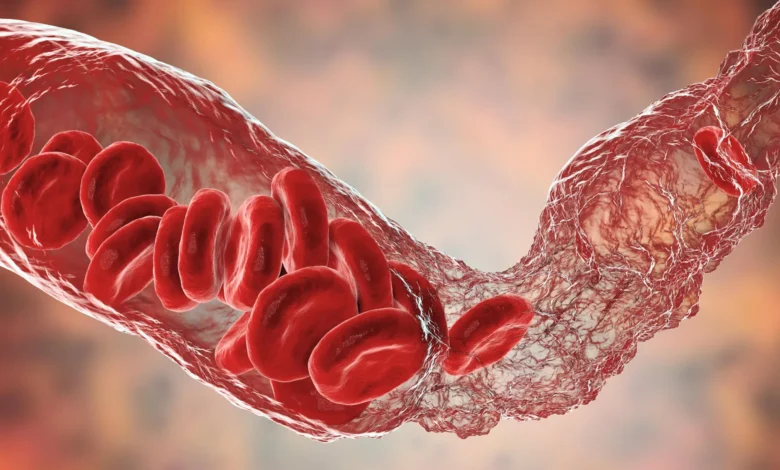
When this molecular mimicry occurs, the immune system, instead of targeting the virus, generates antibodies that bind to PF4. This binding event, however, does not neutralize the virus; instead, it triggers an inappropriate and amplified activation of blood platelets. These hyperactive platelets then aggregate, forming clots within blood vessels. While the incidence of VITT is exceptionally low, with estimates often cited in the range of a few cases per million doses of vaccine, the severity of the condition, which can include cerebral venous sinus thrombosis and other arterial or venous thromboses, has necessitated a thorough understanding of its underlying cause.
A Multi-Year Global Endeavor to Solve the VITT Puzzle
The journey to this groundbreaking molecular explanation has been a protracted and collaborative effort, spanning several years and involving leading research institutions across the globe. The initial identification of VITT as a distinct syndrome emerged in 2021, coinciding with the widespread rollout of adenovirus vector-based COVID-19 vaccines, such as the Oxford-AstraZeneca vaccine. Clinicians and researchers worldwide began observing a pattern of thrombotic events in individuals who had recently received these vaccines, often accompanied by a significant drop in platelet count (thrombocytopenia).
Early research efforts, including pivotal work led by Dr. Jing Jing Wang from Flinders University and Professor Tom Gordon, Head of Immunology at SA Pathology in South Australia, focused on characterizing the autoantibodies responsible for VITT. In 2022, these researchers successfully decoded the three-dimensional structure of the PF4 antibody involved in VITT. This crucial step not only provided a detailed understanding of how the antibody interacted with PF4 but also hinted at a potential genetic predisposition. Their subsequent investigations identified a specific antibody gene, IGLV3.21*02, as a genetic risk factor associated with an increased likelihood of developing VITT. This discovery facilitated the connection of cases across different countries and fostered a vital long-term research partnership with Professor Andreas Greinacher’s team at Greifswald University in Germany.
Bridging the Gap: From Vaccine Reactions to Natural Infections
A significant advancement in understanding the broader implications of this phenomenon came in 2023, when Professor Ted Warkentin from McMaster University in Canada reported a strikingly similar, and sometimes fatal, condition in patients who had experienced natural adenovirus infections, commonly known as the common cold. These patients also developed the same characteristic PF4-targeting autoantibodies, suggesting that the underlying immunological trigger was not exclusive to the vaccine platform but rather inherent to the adenovirus itself.
This observation led to a crucial follow-up study in 2024, a collaborative project involving Flinders University, Greifswald University, and McMaster University. This research confirmed that the antibodies generated in vaccine-related VITT cases and those arising from natural adenovirus infections were molecularly indistinguishable. This provided compelling evidence that the adenovirus, irrespective of whether it was administered as a vaccine or encountered naturally, was the source of the immune system’s misdirected attack. However, the precise molecular mechanism that initiated this cross-reactivity remained elusive.
The Breakthrough: Unmasking Molecular Mimicry
The latest study, published in the New England Journal of Medicine, has finally provided the missing piece of the puzzle. Through sophisticated molecular analysis, including the powerful technique of mass spectrometry sequencing, the research team was able to definitively identify molecular mimicry between a specific adenovirus vector protein, known as pVII, and the PF4 protein. This means that the pVII protein shares structural similarities with PF4, leading the immune system to mistakenly identify it as a foreign threat and mount an antibody response that cross-reacts with PF4.
"A novel aspect of the paper was our use of powerful mass spectrometry sequencing to identify molecular mimicry between the adenovirus vector protein and the PF4 culprit target," explained Dr. Jing Jing Wang. "This was the missing link that explains how a normal immune response can, in very rare cases, become harmful."
Professor Tom Gordon hailed the findings as the culmination of years of global research. "It has been a fascinating journey with an outstanding international team of collaborators to complete a trilogy of publications in the New England Journal of Medicine to solve the mystery of this new group of blood clotting disorders, and potentially translate our discoveries into safer vaccines," he stated.
Implications for Future Vaccine Development
The identification of the pVII protein as the molecular trigger has profound implications for the future of adenovirus-based vaccine development. Vaccine developers can now strategically modify or even remove this specific protein from the adenovirus vector. By altering the structure of pVII, it is anticipated that the immune system will no longer mistakenly recognize it as similar to PF4, thereby eliminating the risk of generating the harmful autoantibodies responsible for VITT.
"By modifying or removing this specific adenovirus protein, future vaccines can avoid this extremely rare reaction while continuing to provide strong protection against disease," Dr. Wang emphasized. This targeted approach offers a clear pathway to enhance vaccine safety without compromising their efficacy in generating robust immunity against infectious diseases.
Expert Reactions and Broader Impact
The scientific community has lauded this research as a major scientific milestone. Professor James McCluskey, an immunologist from the University of Melbourne and the Peter Doherty Institute, described the work as "a brilliant piece of molecular sleuthing, the culmination of a body of work that unravels the genetic and structural basis for how a normal immune response to a virus protein leads to pathogenic autoimmunity."
The ability to develop safer vaccines is particularly significant for regions where adenovirus-based vaccines play a crucial role in public health. These vaccines are often cost-effective and stable, making them valuable tools in combating infectious diseases, especially in resource-limited settings. The assurance of reduced risk for rare but severe side effects will undoubtedly bolster confidence in these vital public health interventions.
A Chronology of Discovery: Key Milestones in Understanding VITT
- 2021: The condition of vaccine-induced immune thrombocytopenia and thrombosis (VITT) is first identified and described in individuals following the administration of adenovirus vector-based COVID-19 vaccines.
- 2022: Researchers led by Flinders University and SA Pathology decode the structure of the PF4 antibody implicated in VITT and identify a genetic risk factor (IGLV3.21*02). This work establishes a foundation for international collaboration.
- 2023: Professor Ted Warkentin reports a similar syndrome caused by PF4 antibodies in patients with natural adenovirus infections, highlighting the broader role of the virus itself.
- 2024 (Early): A joint study by Flinders, Greifswald, and McMaster Universities confirms that antibodies from vaccine-related and infection-related cases are indistinguishable, pointing to the adenovirus as the common source.
- 2024 (Latest Publication): The breakthrough study identifies the specific adenovirus pVII protein and its molecular mimicry with PF4 as the direct trigger for VITT, published in the New England Journal of Medicine.
The Significance of Molecular Mimicry in Autoimmunity
The phenomenon of molecular mimicry, where a foreign antigen (like a viral protein) shares structural similarities with a self-antigen (like PF4), is a well-established mechanism in the development of autoimmune diseases. However, the precise identification of this mimicry in the context of adenovirus vectors and PF4 represents a significant advancement in understanding a newly recognized autoimmune disorder. This understanding not only benefits the development of safer vaccines but also enriches our broader knowledge of how the immune system can become misdirected.
The extensive data generated through advanced analytical techniques such as mass spectrometry has been instrumental in this discovery. This technology allows scientists to precisely identify and quantify proteins and peptides, providing the detailed molecular fingerprints needed to pinpoint subtle similarities between viral and human proteins. The investment in such sophisticated research tools has been crucial in moving beyond correlational observations to establish direct causal links.
Future Prospects and Public Health Impact
The direct implications of these findings are clear: a roadmap for creating more immunologically secure adenovirus-based vaccines. This could involve redesigning the pVII protein through genetic engineering to alter its shape and eliminate its resemblance to PF4, or exploring alternative viral proteins as vectors. The potential for enhanced vaccine safety, especially for widespread vaccination programs targeting diverse populations, is immense.
Moreover, this research underscores the importance of ongoing scientific investigation into the complex interplay between pathogens, the immune system, and vaccine technologies. The collaborative spirit demonstrated by the international research teams involved serves as a powerful example of how global scientific cooperation can address critical public health challenges. As these advancements translate into vaccine development, the goal is to ensure that individuals can continue to benefit from the protective power of vaccines with an even greater degree of confidence in their safety and efficacy. The journey from recognizing a rare side effect to understanding its intricate molecular underpinnings highlights the remarkable progress of modern medical research and its direct impact on global health.