Navigating the Multigenerational Imperative: Unexpected Parental Growth in the Sandwich Generation

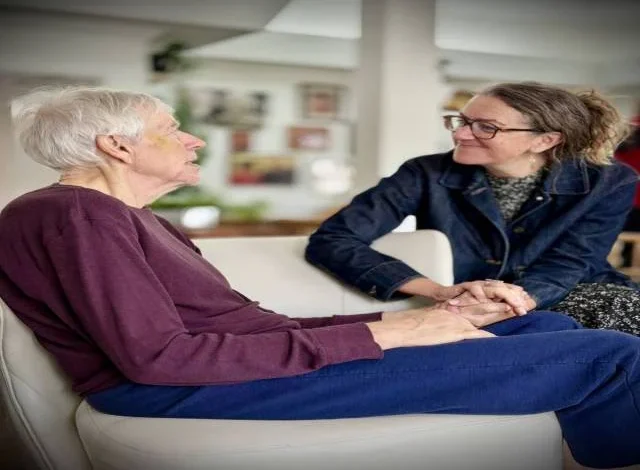
The concurrent responsibility of caring for aging parents and raising young children, a phenomenon increasingly dubbed the "sandwich generation," is often perceived as an overwhelming burden. However, emerging perspectives suggest that this unique caregiving dynamic can foster profound shifts in parental approaches, personal growth, and an enriched understanding of human development across the lifespan. While the practical demands are undeniable, the experience can unexpectedly refine parenting philosophies, cultivating patience, presence, and a deeper appreciation for life’s transitions.
The Expanding Landscape of Multigenerational Care
The term "sandwich generation" describes adults, typically in their 40s and 50s, who are simultaneously supporting their children and their aging parents. This demographic is expanding rapidly due to several converging societal trends. Advances in medicine have increased life expectancy, meaning more individuals are living into their 80s and 90s, often requiring significant care. Concurrently, many adults are having children later in life, and economic pressures mean young adults may rely on parental support for longer, creating an overlap where middle-aged adults find themselves at the nexus of multiple caregiving demands.
According to data from the Pew Research Center, nearly half (47%) of adults in their 40s and 50s have a parent aged 65 or older and are either raising a young child or financially supporting an adult child. This figure has steadily increased over the past few decades. By 2030, all members of the baby boomer generation will be over 65, further intensifying the demand for elder care and placing more individuals into this demanding caregiving role. The financial implications are substantial, with caregivers spending an average of $7,200 annually on out-of-pocket caregiving expenses, according to AARP. Beyond finances, the time commitment is immense, often leading to reduced work hours, career interruptions, and significant emotional strain.
Chronology of a Common Caregiving Journey
The journey for many in the sandwich generation often begins subtly. Initially, it might involve assisting aging parents with routine tasks like driving to appointments or managing finances. As parents age, particularly if cognitive decline or chronic health issues emerge, the level of care escalates. This period often coincides with children entering critical developmental stages, from elementary school to adolescence, requiring significant parental engagement. The decision to integrate aging parents into the family home, or to seek external care, marks a significant inflection point, driven by a complex interplay of emotional, financial, and logistical considerations. This dynamic creates a continuous loop of problem-solving and adaptation, demanding flexibility and resilience from caregivers.
Reframing Parental Engagement: The Power of Presence Over Prescription
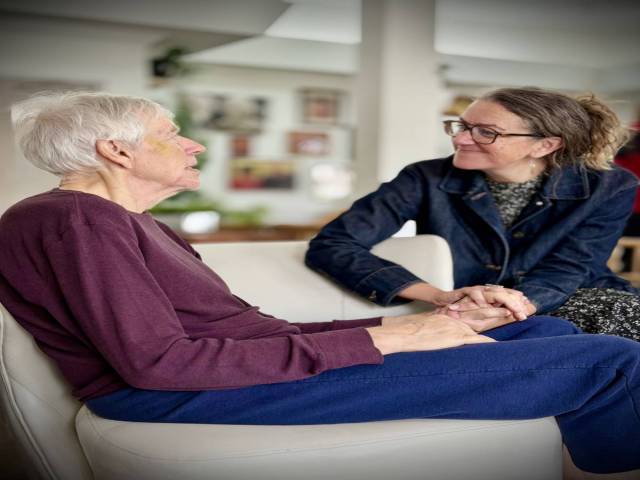
One of the most profound lessons gleaned from concurrent caregiving is a re-evaluation of communication and presence. In early parenting, there’s often an emphasis on verbal input, driven by theories suggesting high word counts are crucial for cognitive development. However, as one navigates the challenges of dementia care, where verbal communication diminishes, the value of non-verbal presence becomes paramount. Sitting quietly, sharing a sunset, or engaging in simple, wordless activities can forge deep connections.
This insight often translates back to parenting, particularly with older children or those with more internal temperaments. Forcing conversations or striving for an idealized level of verbal interaction can be counterproductive. Instead, engaging in shared activities—like creating art side-by-side, baking while listening to music, or simply co-existing in a peaceful space—cultivates a different, yet equally vital, form of connection. This "attuned presence" acknowledges the individual’s current state, whether a child or an elder, fostering emotional safety and connection without the pressure of constant verbal exchange. Psychologists specializing in intergenerational relationships often highlight that quality of interaction, rather than quantity of words, is a cornerstone of robust familial bonds. This shift can alleviate parental anxiety, moving away from a perfectionist mindset to one that values authentic, gentle engagement.
Cultivating Public Empathy: Redefining Societal Norms
Navigating public spaces with individuals who exhibit neurodivergent behaviors, whether a young child having a tantrum or an elder with dementia displaying unconventional actions, offers a powerful lesson in empathy and societal expectations. The original narrative highlights instances where an elder with dementia might spontaneously take an item without understanding transactional norms. Such situations often expose the tension between societal expectations of efficiency and "normal" conduct versus the reality of diverse human experiences.
The response from strangers in these moments can be highly instructive. Those who offer grace, understanding, and a willingness to "yes, and" the situation – embracing the unexpected rather than resisting it – often transform a potentially awkward or distressing encounter into one of unexpected delight or connection. This compassionate approach models a crucial life lesson for children: that true humanity lies in humility and kindness towards others, especially when their behavior deviates from the norm. It challenges the prevailing focus on efficiency and conformity, advocating for a broader, more inclusive understanding of public interaction. Sociologists and disability advocates consistently champion the importance of fostering inclusive environments that prioritize human dignity over rigid adherence to social codes, urging a shift from judgment to curiosity and compassion. Teaching children to be compassionate strangers is not merely about good manners; it’s about fostering a more tolerant and understanding society.
The Indispensability of Professional Support: Beyond the Myth of Failure

A common sentiment among family caregivers is the belief that they should be able to manage all caregiving needs independently. The decision to seek professional assistance, whether for elder care in a memory facility or for child care in a daycare or school setting, can be accompanied by feelings of guilt or a sense of failure. However, the complexity of conditions like advanced dementia, often termed the "black belt of caregiving" by neurologists like Bruce Miller, underscores the limitations of even the most dedicated family caregivers.
Professional caregivers bring specialized expertise, fresh perspectives, and an emotional distance that can be beneficial. They meet the individual "as they are now," unburdened by the grief and historical context that often accompany family care. This objective approach can lead to more effective and compassionate care strategies. The realization that needing professional help is not a personal failing but a recognition of the magnitude of the challenge is a critical insight. This principle extends to child-rearing; teachers, coaches, and daycare providers offer distinct skills, energy, and perspectives that complement parental efforts, enriching a child’s development. Embracing professional support for both generations is a testament to recognizing the limits of individual capacity and the value of a broader "village" in caregiving.
Grief as an Inevitable Companion: Navigating Life’s Transitions
Concurrent caregiving frequently places individuals in a unique emotional crucible, witnessing children "becoming themselves" as parents are "unbecoming themselves." This juxtaposition brings the inevitability of grief into sharp focus. The grief associated with the decline of an aging parent, marked by the loss of shared memories, conversations, and companionship, is profound and often anticipatory. This pre-emptive grieving allows for processing losses even while the individual is still present.
However, the experience also highlights the often-unacknowledged grief inherent in child development. The loss of a baby’s tiny hands, a toddler’s complete dependence, or the physical closeness of carrying a young child marks the passing of distinct life stages. While these transitions are generally viewed with excitement and hope, they are also accompanied by a bittersweet nostalgia for what once was. Understanding grief as a universal aspect of evolution, whether additive (as in child development) or subtractive (as in cognitive decline), allows for a more equanimous acceptance of life’s continuous changes. This perspective suggests that both trajectories, though seemingly opposite, are characterized by a blend of excitement and loss, demanding emotional agility from the caregiver.
Shared Awe: The Core of Intergenerational Connection
Perhaps the most uplifting insight derived from this dual caregiving role is the profound power of shared awe. Dementia can strip away layers of cynicism and preconceived notions, sometimes revealing a childlike wonder at the natural world. An elder captivated by a common tree or a vibrant sunset, asking "Who did this?" or "How did this get here?" can invite a fresh perspective. These moments, free from academic analysis or cynical dismissal, tap into a fundamental human capacity for mystery and appreciation.

These instances resonate deeply with the experience of raising young children. A toddler’s slow walk, pausing to meticulously examine every leaf, insect, or puddle, reflects a similar, unadulterated awe. As children grow, their nascent attempts to explain the world, even through imaginative or unconventional narratives, demonstrate an innate drive to understand and connect. These "awe moments," whether shared with an elder experiencing cognitive shifts or a child exploring new schemas, underscore the beauty of perceiving the world with fresh eyes. It’s a reminder that at the core of caregiving lies reverence for the evolving inner worlds of those we cherish. This ongoing process of change and discovery, embraced with openness rather than rigid expectations, transforms the challenging adventure of caregiving into a heart-bursting, co-created journey of mutual growth.
Broader Societal Implications and the Path Forward
The experiences of the sandwich generation offer critical insights for policymakers, community planners, and healthcare systems. The increasing prevalence of this caregiving model necessitates greater investment in accessible, affordable, and high-quality elder care services, including memory care facilities, in-home support, and respite care. Similarly, robust childcare infrastructure, including early childhood education and after-school programs, is essential to alleviate the burden on working families.
Beyond direct services, there is a growing need for societal recognition and support for caregivers. This includes flexible work arrangements, paid family leave, and educational resources that equip individuals with the skills and emotional resilience needed for dual caregiving. The lessons learned from the sandwich generation — particularly the emphasis on presence, empathy, professional collaboration, and acceptance of life’s transitions — can inform broader public health campaigns aimed at fostering more compassionate and age-inclusive communities. As demographics continue to shift, understanding and supporting these multigenerational caregivers will be paramount for the well-being of individuals, families, and society as a whole. The journey, while arduous, illuminates the profound interconnectedness of human life and the transformative potential inherent in caring for both ends of the generational spectrum.