New Research Unveils Sex-Specific Risks and Manifestations of Obesity, Paving the Way for Personalized Treatment

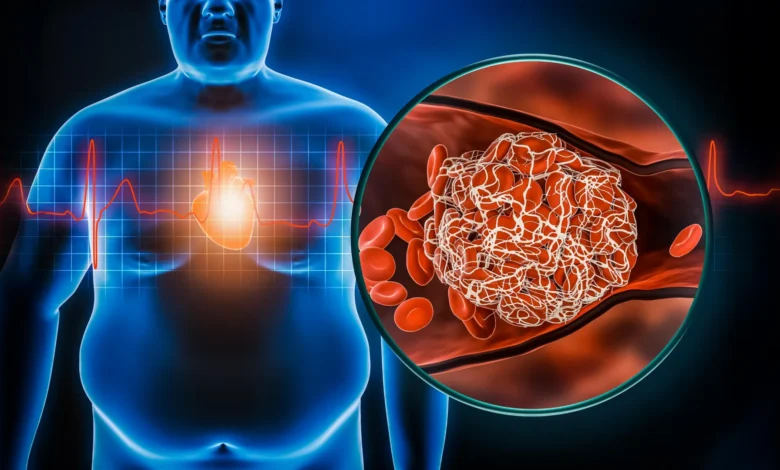
New findings presented at the European Congress on Obesity (ECO) in Istanbul, Turkey, from May 12-15, have illuminated significant sex-based differences in how obesity impacts cardiovascular health, metabolic function, and inflammatory responses. This groundbreaking research, conducted by a team from Dokuz Eylul University, offers crucial insights that could revolutionize the development of personalized treatment strategies for individuals living with obesity. The study’s implications are far-reaching, potentially enhancing diagnostic accuracy and therapeutic efficacy by acknowledging and addressing the distinct biological pathways influenced by sex.
The European Congress on Obesity: A Premier Forum for Advancing Weight Management Science
The European Congress on Obesity (ECO) is a pivotal annual event that convenes leading researchers, clinicians, policymakers, and industry professionals from around the globe. Organized by the European Association for the Study of Obesity (EASO), ECO serves as a vital platform for disseminating cutting-edge research, fostering collaboration, and shaping the future of obesity prevention and management. This year’s congress, held in the vibrant city of Istanbul, Turkey, underscored the growing complexity of obesity as a global health challenge and highlighted the urgent need for nuanced, evidence-based approaches. The event’s program typically features a wide array of scientific sessions, including oral presentations, poster displays, and keynote lectures, covering topics ranging from basic science and genetics to clinical interventions and public health policies. The presentations at ECO often represent the latest advancements in the field, providing a critical snapshot of current research trends and emerging breakthroughs. The findings from Dokuz Eylul University, presented within this prestigious scientific gathering, therefore, carry significant weight and are expected to spark further investigation and clinical adoption.
Unpacking the Distinct Faces of Obesity: A Tale of Two Sexes
The research from Dokuz Eylul University, led by Dr. Zeynep Pekel, meticulously detailed how obesity manifests differently in men and women, leading to distinct health risks. A core finding revealed that men grappling with obesity are more prone to accumulating visceral abdominal fat. This deeper layer of fat, surrounding vital internal organs, is a well-established harbinger of serious cardiovascular and metabolic complications, including heart disease, stroke, and type 2 diabetes. The study also observed higher levels of liver enzymes, such as alanine aminotransferase (ALT) and gamma-glutamyl transferase (GGT), in obese men, which can serve as indicators of potential liver damage or dysfunction.
In stark contrast, women with obesity exhibited a greater propensity for widespread systemic inflammation and elevated cholesterol levels, particularly high-density lipoprotein (HDL) or "bad" cholesterol. These factors significantly heighten their risk of developing cardiovascular disease and type 2 diabetes. This differentiation in fat distribution and metabolic markers underscores the profound influence of biological sex on the pathological progression of obesity.
"Our findings reveal intriguing differences in the way men and women respond to obesity," stated Dr. Zeynep Pekel, the lead author of the study from Dokuz Eylul University, Izmir, Turkey. "They show just how important gender-specific research is. Not only are sex differences a powerful player in the pathology and course of obesity, but our results indicate that such differences could be a stepping stone toward finding targeted, sex-based therapies to help in the management of people living with obesity."
A Global Health Crisis: The Pervasive Reach of Metabolic Syndrome
The research findings emerge against a backdrop of escalating global health concerns related to obesity and its metabolic sequelae. In 2023, an estimated 1.54 billion adults worldwide were living with metabolic syndrome, a cluster of conditions that significantly increase the risk of heart disease, stroke, and type 2 diabetes. This equates to approximately one in three women and one in four men. Metabolic syndrome is characterized by a constellation of risk factors, including abdominal obesity, high blood pressure, high blood sugar, and abnormal cholesterol or triglyceride levels.
Obesity itself is recognized as a complex chronic disease, not merely a cosmetic concern, that affects virtually every system in the body. Its impact extends beyond weight gain to intricate changes in metabolism and inflammation, with these alterations varying considerably among individuals. Biological sex is a critical determinant in numerous physiological processes, including where fat is preferentially stored, how the liver metabolizes nutrients, and the nuanced responses of the immune system. Despite this biological understanding, comprehensive comparative studies detailing these sex-based differences in individuals with obesity have historically been limited, hindering the development of sex-tailored clinical interventions.
The Study Design: A Deep Dive into Sex-Based Obesity Markers
To rigorously investigate these sex-based disparities, the Dokuz Eylul University research team analyzed data from a cohort of 886 women, with an average age of 45 years, and 248 men, with an average age of 41 years. These participants were all receiving treatment at the Obesity Clinic within the Department of Internal Medicine at Dokuz Eylul University Faculty of Medicine between 2024 and 2025. The study’s timeline reflects recent clinical data collection, positioning its findings at the forefront of current research.
The comprehensive evaluation of participants involved a multi-faceted approach:
- Anthropometric and Clinical Measurements: This included standard physical assessments such as height, weight, body mass index (BMI), and blood pressure.
- Biochemical Profiling: Extensive blood tests were conducted to assess cardiovascular risk factors and organ function. These included lipid profiles to measure total cholesterol, low-density lipoprotein (LDL or "bad" cholesterol), high-density lipoprotein (HDL or "good" cholesterol), and triglycerides. Fasting blood glucose levels were also measured to assess glycemic control.
- Organ Function Markers: Researchers examined liver function through ALT and GGT levels, and kidney function via creatinine levels.
- Inflammatory Biomarkers: A panel of inflammatory indicators was assessed, including C-reactive protein (CRP), erythrocyte sedimentation rate (ESR), white blood cell count, and platelet count.
This thorough methodology allowed for a detailed comparison of various health parameters between men and women with obesity, providing a robust foundation for identifying significant sex-specific differences.
Key Findings: Divergent Fat Distribution and Biomarker Signatures
The analysis of the collected data revealed several striking differences between the male and female participants:
- Body Composition and Cardiovascular Risk Factors: While men exhibited a slightly higher mean BMI (37.5 kg/m²) compared to women (36 kg/m²), their waist circumference was substantially larger (120 cm vs. 108 cm). Furthermore, men presented with higher systolic blood pressure (128 mmHg vs. 122 mmHg). These metrics, particularly elevated waist circumference and blood pressure, are independently associated with an increased risk of cardiovascular disease and type 2 diabetes.
- Liver Function and Metabolic Health: Men demonstrated significantly higher levels of liver enzymes (ALT and GGT), triglycerides, and creatinine. Elevated triglycerides are a hallmark of metabolic dysregulation and contribute to cardiovascular risk. Increased creatinine levels can indicate compromised kidney function, a common comorbidity in individuals with obesity and metabolic syndrome. These findings collectively suggest a greater predisposition to liver-related complications and metabolic disturbances in obese men.
- Lipid Profiles and Inflammatory Status: In contrast, women displayed higher levels of total cholesterol (215 mg/dL vs. 203 mg/dL) and LDL cholesterol (130 mg/dL vs. 123 mg/dL). Concurrently, women showed elevated levels of key inflammatory markers, including ESR, CRP, and platelet count. This pattern points towards a more pronounced inflammatory response in women with obesity, which is a critical driver of atherosclerosis and insulin resistance.
These distinct biomarker profiles offer a quantitative glimpse into the different biological pathways through which obesity exerts its detrimental effects on men and women.
The Hormonal and Biological Underpinnings of Sex Differences
Dr. Pekel elaborated on the likely biological mechanisms driving these observed differences. She pointed to the significant roles played by hormones, the immune system, and differential fat distribution. Hormones, particularly estrogen in women, are known to influence fat storage patterns and the body’s inflammatory responses. Women, under the influence of estrogen, tend to store more subcutaneous fat (beneath the skin), which is generally considered less metabolically harmful than visceral fat. However, estrogen also plays a role in modulating the immune system. Genetic factors, such as those linked to the X chromosome, may also contribute to women’s generally more active immune response and potentially higher levels of inflammatory markers observed in the study.
Conversely, men are more predisposed to accumulating visceral fat, which is metabolically active and strongly implicated in the development of insulin resistance, dyslipidemia, and cardiovascular disease. The higher levels of liver enzymes and triglycerides in men further support the notion that visceral fat accumulation significantly impacts hepatic metabolism and contributes to metabolic dysfunction.
"It’s still early days and these findings need to be confirmed in other patient groups, but they offer important insight into how obesity may affect men and women differently," Dr. Pekel emphasized. "These differences are likely influenced by biological factors such as hormones, immune responses, and fat distribution. Our next steps are to validate these findings in larger populations, better understand the biological processes behind these differences, and explore how these patterns relate to clinical risk."
Limitations and Future Directions: Towards Broader Applicability
The researchers acknowledged several limitations inherent in their study, which are crucial for interpreting the findings and guiding future research:
- Cross-Sectional Design: The study employed a cross-sectional design, meaning it captured data at a single point in time. This design prevents the establishment of cause-and-effect relationships. It is possible that confounding factors or reverse causation (where health conditions might influence the observed markers rather than vice versa) could be at play.
- Population Specificity: The majority of participants were of Turkish ethnicity. This demographic specificity means that the findings may not be universally generalizable to all ethnic and cultural groups, where genetic predispositions and lifestyle factors can vary significantly.
To address these limitations and solidify the clinical relevance of these discoveries, the research team plans to conduct larger, more diverse studies. Future research will aim to:
- Validate Findings: Replicate these results in broader and more heterogeneous populations to confirm their generalizability.
- Elucidate Biological Mechanisms: Delve deeper into the specific hormonal, immunological, and genetic pathways that underpin these sex differences in obesity.
- Establish Clinical Predictivity: Investigate how these sex-specific patterns of fat distribution and biomarker profiles correlate with actual clinical outcomes and long-term health risks.
Implications for Clinical Practice and Public Health
The implications of this research for clinical practice are substantial. Recognizing that obesity is not a monolithic condition but rather one that presents with distinct characteristics and risks in men and women, can lead to:
- Enhanced Diagnostics: Clinicians may be able to employ more targeted diagnostic assessments based on a patient’s sex, focusing on specific risk factors more prevalent in that group. For example, for men with obesity, a closer monitoring of liver function and triglycerides might be prioritized, while for women, a comprehensive lipid panel and inflammatory marker assessment could be more critical.
- Personalized Treatment Strategies: Treatment plans could be tailored to address the specific pathophysiological mechanisms driving obesity-related complications in each sex. This might involve differential approaches to pharmacotherapy, dietary recommendations, and exercise regimens. For instance, therapies aimed at reducing visceral fat accumulation might be more beneficial for men, while anti-inflammatory interventions could be particularly important for women.
- Improved Patient Education and Engagement: Understanding these sex-specific nuances can empower healthcare providers to educate patients more effectively about their individual risks and the rationale behind their treatment plans, potentially leading to better adherence and outcomes.
- Public Health Messaging: Public health campaigns aimed at obesity prevention and management can be refined to resonate with the specific concerns and biological realities faced by men and women.
The findings from the European Congress on Obesity serve as a powerful reminder that biological sex is a fundamental determinant of health and disease. By embracing sex-specific research, the medical community can move closer to achieving truly personalized and effective interventions for the millions affected by obesity worldwide. This research is a critical step in that direction, promising a future where obesity management is not a one-size-fits-all approach, but a nuanced, evidence-based strategy tailored to the unique biological makeup of each individual.