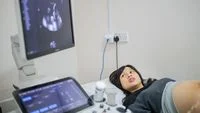
Julie Estelle Radiates Elegance in Latest Maternity Portraits Marking Second Pregnancy Journey

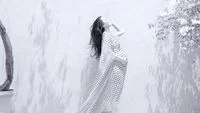
Indonesian actress Julie Estelle has once again captured public and media attention following the release of a series of professional maternity portraits shared via her official Instagram account. The images, which highlight her second pregnancy, showcase a refined aesthetic that has resonated with fans and industry observers alike. As Julie prepares to expand her family with her husband, David Tjiptobiantoro, these photographs serve as both a personal milestone and a public acknowledgement of this new chapter in her life.
The Aesthetic of the Maternity Shoot
The recent maternity session features the actress in an ensemble characterized by earth-toned garments, a stylistic choice that aligns with contemporary trends in maternity photography—emphasizing natural beauty and minimalist elegance. The compositions focus on the prominent baby bump, with styling that includes loose, flowing hair and understated makeup, reinforcing a look of sophisticated grace.
The professional quality of the imagery reflects a growing trend among public figures to document pregnancy through high-production-value sessions. By collaborating with professional photographers and stylists, individuals in the public eye are able to control the narrative of their personal milestones, presenting an image that is both curated and deeply personal. In the case of Julie Estelle, the reception to these photographs has been overwhelmingly positive, with the discourse focusing on her enduring elegance and the grace with which she balances her professional persona with her private life.
A Chronology of Milestones
Julie Estelle’s journey toward motherhood has been marked by a series of significant events that have been tracked by the public over the past several years. Following her marriage to David Tjiptobiantoro in 2021—a private and intimate ceremony held in the Maldives—the couple has been relatively guarded about their domestic life. Their first child, a daughter, was welcomed into the world in 2023, marking the beginning of their parenthood journey.
The announcement of her second pregnancy follows a period of professional stability for the actress, who has long been a fixture in the Indonesian film industry. Since her breakout role in the horror classic Kuntilanak (2006), Estelle has navigated a career spanning various genres, including action and drama. The transition into motherhood has not resulted in a withdrawal from public life; rather, it has shifted the focus of her media engagement toward her personal evolution, a transition that many fans have praised for its authenticity.
Public Reception and Social Media Engagement
The digital response to the maternity portraits has been significant. Within hours of the images being posted, the comment section of her Instagram profile became a focal point for audience engagement. Among the thousands of reactions, sentiments often highlighted her timeless appearance.
For instance, social media users drew comparisons between her current look and her debut performances in the mid-2000s. Comments such as "Truly stunning" and observations regarding her "ageless" quality underscore a broader cultural fascination with the longevity of public figures. From a sociological perspective, this type of engagement reflects the parasocial relationships often formed between audiences and long-standing celebrities, where the public feels a sense of familiarity and investment in the life stages of the figures they have watched grow up on screen.
The Industry Context: Pregnancy in the Public Eye
The practice of maternity shoots has evolved significantly over the last decade. Once considered a niche private activity, it has now become a standard component of celebrity lifestyle branding. For public figures like Julie Estelle, these shoots serve multiple functions: they provide a controlled environment to share news with the public, they offer content for their digital platforms, and they provide a professional record of a significant life event.
From an industry standpoint, the visual language used in these photos—earth tones, minimalist backdrops, and soft lighting—is designed to convey stability and maturity. This shift toward "quiet luxury" in pregnancy photography mirrors broader trends in fashion and lifestyle, where the emphasis is placed on quality and timelessness rather than fleeting trends. By choosing this aesthetic, Estelle aligns herself with a global standard of celebrity maternity documentation.
Sociological and Demographic Implications
While the news of a celebrity pregnancy may seem routine, it carries broader implications regarding the visibility of motherhood in the professional sphere. In Indonesia, where the entertainment industry is highly competitive, the ability to maintain a public profile while balancing family life is often scrutinized. Julie Estelle’s approach—which balances transparency regarding her pregnancy with a firm boundary around the details of her family life—represents a modern blueprint for public figures.
Furthermore, the public’s focus on her "ageless" appearance touches on deeper societal expectations regarding women in the entertainment industry. The praise directed at her for "not changing" since her early career reflects the high value placed on physical preservation in the public eye. However, the discourse also highlights a shift in appreciation, where fans are increasingly celebrating the transition from the "youthful starlet" phase to the "maternal" phase, viewing it as a positive and beautiful evolution of a public life.
Preparing for the New Arrival
As Julie Estelle and David Tjiptobiantoro prepare for the birth of their second child, the focus remains on the joy of the upcoming expansion of their family. While the couple has not disclosed the specific due date or the gender of the baby, the frequent updates on social media provide a steady stream of information that keeps their audience connected.
The logistics of such a life change for a public figure of Estelle’s stature are complex, involving considerations of privacy and the potential for increased media attention. However, by managing the narrative through her own platforms, Estelle maintains a level of agency that is becoming increasingly common among high-profile individuals. This strategy minimizes the reliance on speculative tabloid journalism and ensures that the information shared is accurate and reflective of the family’s wishes.
Conclusion: A Reflective Milestone
The release of these maternity photographs is more than just a social media trend; it is a documentation of a significant life transition for one of Indonesia’s most recognizable actresses. By blending professional photography with a personal narrative, Julie Estelle has successfully navigated the expectations of her audience while maintaining the integrity of her private life.
As she moves into the final stages of her pregnancy, the public’s continued interest in her journey remains a testament to her enduring popularity. Whether it is through her cinematic contributions or her personal milestones, Julie Estelle continues to be a figure of influence, demonstrating that the balance between a public career and a private family life is not only possible but can be navigated with poise, grace, and an eye for artistic presentation.
The anticipation surrounding the arrival of her second child serves as a reminder of the human connection between the audience and the star—a connection that, in this instance, is built on mutual admiration and the shared celebration of life’s most profound milestones. As the industry looks on, the focus remains on the well-being of the family and the quiet strength that Estelle continues to display as she embarks on this next chapter of motherhood.
Related posts: