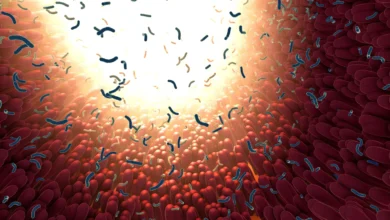
The human mouth, a complex ecosystem teeming with over 700 distinct bacterial species, harbors a delicate balance crucial for overall health. While most oral microbes coexist peacefully, a specific subset has been identified as the primary culprits behind periodontitis, a prevalent inflammatory disease of the gums that extends its damaging reach far beyond the oral cavity. Scientists at the Fraunhofer Institute for Cell Therapy and Immunology (IZI) have unveiled a groundbreaking discovery: a novel compound capable of selectively neutralizing the bacteria responsible for periodontitis, while meticulously preserving the beneficial microorganisms that constitute a healthy oral microbiome. This pioneering innovation has been successfully translated into a line of specialized oral care products by PerioTrap, a spin-off company born from this scientific endeavor.
The Silent Threat of Periodontitis: Beyond the Gums
Periodontitis, often stemming from untreated gingivitis, represents a significant public health concern. The initial stage, gingivitis, is characterized by inflammation of the gums, typically triggered by the accumulation of bacterial plaque, particularly along the gum line. If this inflammation is not addressed, it can escalate into chronic periodontitis. This advanced stage leads to the destruction of the supporting structures of the teeth, including the gums and the bone that anchors them, resulting in gum recession and, ultimately, tooth loss. The American Academy of Periodontology estimates that nearly half of all adults over the age of 30 in the United States suffer from some form of gum disease, with approximately 10% exhibiting severe periodontitis.
However, the ramifications of periodontitis are not confined to the mouth. Emerging scientific evidence strongly suggests a systemic link between periodontitis and a host of chronic diseases. When pathogenic bacteria from the oral cavity enter the bloodstream, they can trigger and exacerbate inflammatory processes throughout the body. Research has indicated potential associations between periodontitis and conditions such as diabetes, rheumatic diseases, rheumatoid arthritis, cardiovascular diseases (including heart disease and stroke), chronic inflammatory bowel diseases, and even neurodegenerative disorders like Alzheimer’s disease. This intricate connection underscores the critical importance of maintaining oral health not just for aesthetic reasons, but as a fundamental pillar of systemic well-being.
The Limitations of Conventional Oral Hygiene
Traditional approaches to managing oral bacteria, while offering some relief, often fall short by employing a "scorched earth" strategy. Mouthwashes containing alcohol and antiseptic solutions like chlorhexidine, while effective at killing a broad spectrum of bacteria, are indiscriminate in their action. They indiscriminately eliminate both harmful pathogens and the beneficial microbes essential for a balanced oral environment. This widespread disruption necessitates a lengthy and often precarious rebuilding process for the oral microbiome.
During this period of recovery, aggressive and opportunistic bacteria, such as Porphyromonas gingivalis – a key player in periodontitis – often regain dominance. These pathogens thrive in the inflamed environment created by gum disease and can quickly re-establish themselves before slower-growing beneficial bacteria can repopulate the oral cavity. This imbalance, known as dysbiosis, can create a vicious cycle, making the mouth more susceptible to recurring infections and the progression of periodontitis. The need for a more nuanced and targeted approach to oral hygiene has become increasingly apparent.
A Paradigm Shift: Precision Targeting of Periodontal Pathogens
The scientific breakthrough from Fraunhofer IZI marks a significant departure from conventional methods. Researchers meticulously identified a unique compound, scientifically named guanidinoethylbenzylamino imidazopyridine acetate, that exhibits remarkable specificity. Unlike broad-spectrum antimicrobials, this compound selectively targets and inhibits the growth of key periodontal pathogens, including Porphyromonas gingivalis, without disrupting the delicate equilibrium of the wider oral microbial community.
Stephan Schilling, Head of the Fraunhofer IZI branch for Molecular Drug Biochemistry and Therapy Development, elaborates on the compound’s modus operandi: "Rather than simply killing gingivitis pathogens, it inhibits their growth. They are unable to exert their toxic effects, so beneficial bacteria can occupy niches that would otherwise be inaccessible to them. In this way, the substance works in harmony with healthy bacteria to gently rebuild and stabilize the microbial balance in the mouth." This mechanism of action is revolutionary, moving beyond mere eradication to actively fostering a healthy oral environment.
From Laboratory Bench to Consumer Products: The PerioTrap Journey
The genesis of this innovative technology can be traced back to a collaborative EU-funded research project involving international partners. Recognizing the immense potential of the discovery, Periotrap Pharmaceuticals GmbH was established in Halle, Germany, in 2018. The company’s mission was clear: to bridge the gap between cutting-edge scientific research and accessible, everyday oral care solutions. This ambitious undertaking involved close collaboration between PerioTrap and the Fraunhofer institutes, specifically Fraunhofer IZI for biological and therapeutic development and the Fraunhofer Institute for Microstructure of Materials and Systems (IMWS) for materials science and product formulation.
The initial product to emerge from this partnership is a toothpaste specifically formulated to support the oral microbiome. Mirko Buchholz, one of PerioTrap’s founders, explains, "The product is designed to prevent periodontitis. Like conventional toothpaste, it also contains abrasives and fluoride to prevent tooth decay." This dual-action approach ensures that the toothpaste addresses not only the specific threat of periodontitis but also provides comprehensive oral hygiene benefits, including cavity prevention.
Navigating the Complexities of Product Development
The path from a laboratory compound to a marketable oral care product is fraught with challenges. The primary objective was to ensure that guanidinoethylbenzylamino imidazopyridine acetate could effectively inhibit harmful bacteria while remaining entirely safe for daily use. Rigorous testing was essential to confirm that the compound was non-toxic, did not readily enter the bloodstream, and crucially, did not cause undesirable side effects such as tooth discoloration.
To achieve this, Fraunhofer IZI researchers embarked on extensive biochemical and structural studies. These investigations were designed to elucidate the precise mechanism by which the substance interacts with bacterial cells and to optimize its efficacy and safety profile. "This allows us to gain a better understanding of how the substances work and determine the optimum composition of the toothpaste’s active ingredients," Schilling notes, highlighting the meticulous scientific process involved.
Rigorous Testing for Safety and Efficacy
Fraunhofer IMWS played a pivotal role in the product development lifecycle by conducting comprehensive evaluations of how various formulations interacted with the delicate tissues of teeth and gums. Utilizing state-of-the-art analytical techniques, including scanning electron microscopy (SEM) and advanced chemical analysis, researchers meticulously assessed the compatibility and performance of the toothpaste.
Andreas Kiesow, Group Manager for Characterization of Medical and Cosmetic Care Products at Fraunhofer IMWS, emphasizes the importance of these evaluations: "Scanning electron microscopy, chemical characterization, and quantitative measurements enable us to draw detailed conclusions about a substance’s compatibility and function. To put it simply: We ultimately find out whether the toothpaste works or not." This commitment to empirical validation ensures that the final product meets the highest standards of scientific integrity.
Upholding Quality and Envisioning Future Innovations
All development and testing phases adhered to stringent Good Laboratory Practice (GLP) standards. This adherence to international quality benchmarks is paramount for ensuring that the data generated is reliable, reproducible, and meets the exacting requirements of regulatory bodies. "Compliance with GLP guidelines was a key element of the project. We didn’t just develop a good toothpaste with a new ingredient: we developed a high-quality oral care product of medical-grade standard," Schilling asserts, underscoring the product’s elevated status.
The scientific journey does not end with the initial toothpaste. The PerioTrap team, in close partnership with Fraunhofer, is actively engaged in expanding the application of this groundbreaking technology. Beyond toothpaste, a specialized gel has been developed for use following professional dental cleanings. This gel is designed to further inhibit harmful bacteria, support the restoration of a healthy oral microbiome, and promote long-term gum health.
The pipeline for future products is robust, with plans for a mouthwash and other innovative oral care solutions. Furthermore, the potential applications extend beyond human health. Recognizing the similar underlying causes of gum disease in companion animals, researchers are exploring the adaptation of this technology for veterinary care, aiming to improve the oral health of dogs and cats. This forward-thinking approach suggests a broad impact for this precision microbiome modulation technology, promising a new era in oral hygiene and its profound connection to overall health.