Silent Dangers: How Chronic Everyday Stress and Hidden Inflammation Quietly Remodel the Human Heart


The human heart absorbs the pressures of modern existence not merely in abstract emotional terms, but through tangible, physical transformations that can quietly unfold over decades. A landmark investigation involving nearly half a million adults across the United Kingdom has revealed that chronic stress stemming from everyday life leaves a lasting, detrimental mark on cardiovascular health. Conducted by researchers at the Medical Research Council (MRC) Laboratory of Medical Sciences (LMS) and Imperial College London, this extensive study provides some of the clearest evidence yet linking psychological distress, socioeconomic hardship, and lifestyle factors to structural heart damage, significantly elevating the risk of stroke and myocardial infarction.
Published as the largest analysis of its kind, the research underscores how persistent, low-grade inflammation acts as a biological bridge connecting external life pressures to internal organ degradation. Millions of individuals may walk unaware of this silent physiological toll, accumulating damage years before any clinical symptoms of cardiovascular disease manifest. By combining vast genomic datasets, advanced cardiac imaging, and blood biomarker assessments, the scientific team has mapped out a complex pathway where societal environment, mental health, and biological resilience intersect.
The Genesis of the UK Biobank Study: Background and Methodology
To comprehend the scale and significance of these findings, one must examine the foundation upon which the research was built. The investigation utilized data drawn from the UK Biobank, a globally renowned biomedical database containing comprehensive health and genetic records from half a million volunteer participants. Initiated decades ago to track the determinants of major illnesses in middle- and older-aged populations, the biobank provided an unprecedented opportunity to study the long-term trajectories of cardiovascular health on a massive demographic scale.
The research team, spearheaded by Professor Declan O’Regan—British Heart Foundation Chair of Cardiovascular AI at Imperial College London and Head of the Computational Cardiac Imaging Group at the LMS—focused on measuring systemic inflammation. Rather than relying solely on acute inflammatory markers, the investigators assessed glycoprotein acetyls (GlycA), a robust blood biomarker that reflects chronic, long-term systemic inflammation. GlycA levels remain relatively stable over time, making them an ideal metric for capturing the persistent immune activation associated with chronic stress, poor diet, smoking, and socioeconomic adversity.
By cross-referencing these inflammatory markers with high-resolution cardiac magnetic resonance (CMR) imaging and detailed genetic profiles, the researchers could observe correlations that smaller studies could never reliably detect. They tracked how varying degrees of baseline inflammation mapped onto changes in cardiac architecture and subsequent clinical events over multi-year follow-up periods.
Quantifying the Risk: A 43 Percent Surge in Major Cardiac Events
The statistical outcomes of the study paint a sobering picture of the perils associated with chronic inflammation. When stratifying the participants by their GlycA levels, the researchers discovered a striking disparity in health outcomes between the most and least inflamed cohorts.
Individuals who fell into the top 20 percent for inflammation levels faced a 43 percent higher risk of experiencing a heart attack or stroke compared to those in the bottom 20 percent. Crucially, this elevated risk persisted even after researchers adjusted for traditional cardiovascular risk factors such as cholesterol levels, blood pressure, and age. Furthermore, this heightened vulnerability applied to individuals who had no prior history of diagnosed heart disease, indicating that chronic inflammation operates as an independent and insidious threat vector.
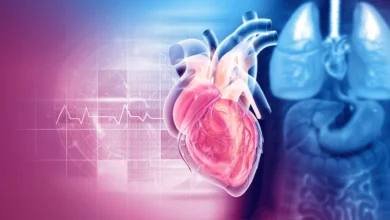
Beyond clinical endpoints like heart attacks and strokes, the imaging data revealed profound structural alterations within the hearts of chronically inflamed individuals. The physical remodeling process manifested as thickening of the heart walls, a reduction in the volume of the heart chambers, and impaired ventricular filling. These micro-structural changes compromise the heart’s pumping efficiency, setting the stage for heart failure long before the patient experiences shortness of breath, chest pain, or exercise intolerance.
The Intersecting Threads of Stress, Society, and Biology
One of the most profound revelations of the Imperial College and LMS study is the demonstration of how deeply social determinants of health become biologically embedded within human tissue. For generations, public health experts have recognized that poverty, chronic stress, occupational strain, and marginalized socioeconomic status correlate with poorer health outcomes. However, the exact physiological mechanisms translating social hardship into physical disease have often remained nebulous.
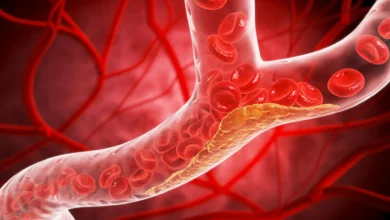
This study suggests that chronic inflammation serves as a primary biological transducer of societal stress. The immune system, designed to mount a short-term defense against pathogens and physical injury, becomes persistently activated when an individual faces unremitting psychological distress, financial insecurity, or adverse living conditions. Rather than shutting down once a threat passes, the immune system lingers in a mild state of arousal. Over years and decades, this continuous release of inflammatory cytokines erodes endothelial health, promotes plaque accumulation in arteries, and forces the myocardium to adapt structurally to an increasingly hostile internal environment.
Professor O’Regan highlighted the intricate web of influences during discussions of the findings. While lifestyle choices such as smoking, physical inactivity, and poor nutritional habits undeniably drive inflammation, the study revealed that genetic predisposition also plays a substantial role. Some individuals possess genetic architectures that render them naturally more resilient—or conversely, more susceptible—to the inflammatory cascades triggered by environmental and psychological stressors.
Despite these genetic and socioeconomic vulnerabilities, the researchers emphasized a message of cautious optimism: determinism does not rule the human cardiovascular system. Difficult life circumstances and genetic risks do not make heart disease inevitable; rather, they identify populations that stand to benefit most from targeted preventative interventions.
Implications for Clinical Practice and Future Therapeutics
The identification of specific inflammatory pathways in this study opens promising new avenues for pharmacological intervention. The analysis highlighted inflammatory proteins belonging to the interleukin-1 and tumor necrosis factor (TNF) families as prime suspects driving the observed cardiac damage.
Significantly, pharmaceutical development has already advanced in this arena. Several anti-inflammatory therapies targeting these specific protein families are currently undergoing clinical trials for various inflammatory and cardiovascular conditions. The prospect of utilizing anti-inflammatory medications to preemptively safeguard the heart—treating the immune system’s overactivation before clinical symptoms or acute events occur—represents a paradigm shift in preventative cardiology.
Moreover, the authors propose a practical clinical application derived from their work: routine blood tests measuring inflammatory markers like GlycA could be integrated with genetic risk scoring models. By synthesizing this data, healthcare providers could identify asymptomatic patients at elevated risk of silent cardiac remodeling long before conventional screenings detect abnormalities. This early identification would allow clinicians to deploy targeted lifestyle counseling, mental health support, and potentially future anti-inflammatory therapeutics to intercept disease progression.
Expert Perspectives and the Broader Public Health Response
The medical community has received the study with widespread interest, viewing it as a critical piece of the puzzle regarding cardiovascular disease etiology. Professor Bryan Williams, Chief Scientific and Medical Officer at the British Heart Foundation, elaborated on the dual nature of the human immune response in light of the new data.
"Inflammation is part of the body’s healing process, but there is also a darker side to it," Professor Williams noted. He emphasized that this large-scale research provides invaluable insights into how genetics and lifestyle factors—spanning smoking habits, psychological well-being, and socioeconomic standing—converge to trigger harmful immune activation. He reiterated the hope that anti-inflammatory medicines will soon mature into vital instruments for cardiovascular disease prevention, while stressing the continued necessity of public health initiatives designed to mitigate the root causes of chronic stress and poor health behaviors.
Public health analysts observing the study point out that addressing the crisis of chronic inflammation requires a two-pronged approach. On an individual level, patients are encouraged to mitigate modifiable risk factors through smoking cessation, weight management, regular physical activity, and stress-reduction strategies such as mindfulness and adequate sleep. On a systemic level, however, the findings reinforce the argument that healthcare policy must intersect with social policy. Because socioeconomic disadvantage and poor mental health are potent drivers of biological inflammation, reducing population-wide cardiovascular risk demands broader investments in economic equity, mental health infrastructure, and community well-being.
As research funding from institutions such as the Medical Research Council, the British Heart Foundation, and the NIHR Imperial Biomedical Research Centre continues to drive translational breakthroughs, the medical horizon grows clearer. The invisible wounds carved into the heart by the pressures of daily life are no longer entirely mysterious. Armed with advanced imaging, genomic insights, and a deeper appreciation for the mind-body connection, modern medicine is moving closer to an era where the silent progression of heart disease can be intercepted before it ever speaks its first clinical word.