Serotonin Signaling and Genetic Predisposition in the Progression of Degenerative Mitral Regurgitation and Heart Valve Disease

Research published between 2023 and 2026 has fundamentally altered the medical community’s understanding of how serotonin, a chemical messenger primarily associated with mood and digestion, interacts with the structural integrity of the human heart. While serotonin is widely recognized as a neurotransmitter that regulates sleep, appetite, and emotional stability, a series of multicenter investigations led by Columbia University’s Department of Surgery, in collaboration with the Children’s Hospital of Philadelphia (CHOP) and the University of Pennsylvania, has identified a critical link between serotonin transporter activity and the acceleration of heart valve disease. Specifically, the research highlights how reduced activity of the serotonin transporter (SERT) can exacerbate degenerative mitral regurgitation (DMR), a condition that affects millions of patients worldwide and often necessitates complex surgical intervention.
The Mechanics of the Mitral Valve and the Impact of DMR
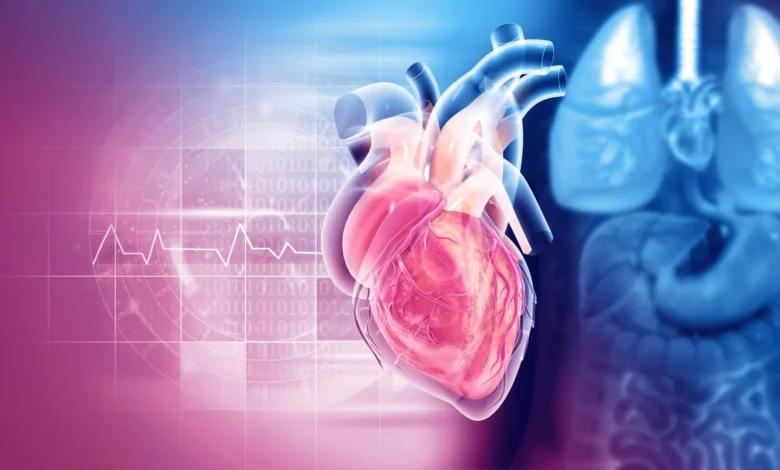
The mitral valve serves a vital, high-pressure function within the cardiovascular system. Positioned between the left atrium and the left ventricle, it acts as a sophisticated one-way gate. When the heart contracts, the valve must seal perfectly to ensure that oxygenated blood is propelled forward into the systemic circulation rather than leaking backward into the lungs. In patients with degenerative mitral regurgitation, this structural integrity fails. The valve’s leaflets—the thin flaps of tissue that form the seal—become thickened, stretched, or distorted.
As the valve loses its ability to close firmly, blood begins to flow in reverse (regurgitation), leading to increased pulmonary pressure and a decrease in the volume of oxygen-rich blood reaching the body’s tissues. The clinical consequences are progressive and severe. Initially, patients may remain asymptomatic, but as the heart struggles to compensate for the inefficiency, they often develop debilitating fatigue and shortness of breath. If left untreated, the chronic strain on the cardiac muscle can lead to irreversible damage, including atrial fibrillation and congestive heart failure. While pharmacological treatments can manage the symptoms of heart failure, no current medication can reverse the physical degradation of the mitral valve tissue itself.
The Serotonin Connection: Beyond Neurotransmission
Serotonin’s role in the body is mediated by the serotonin transporter (SERT), a protein responsible for the reuptake of the chemical into cells, effectively "turning off" the signal. This mechanism is the primary target of selective serotonin reuptake inhibitors (SSRIs), such as fluoxetine (Prozac) and sertraline (Zoloft), which are among the most frequently prescribed medications for depression and anxiety. By inhibiting SERT, these drugs allow serotonin to remain active for longer periods.
The research initiated in 2023 by Dr. Giovanni Ferrari of Columbia University and Dr. Robert J. Levy of CHOP sought to determine whether this inhibition of SERT, while beneficial for mood regulation, might have unintended consequences for heart valve tissue. Because heart valve cells possess serotonin receptors, researchers hypothesized that prolonged exposure to serotonin or a reduction in transporter efficiency could trigger structural changes in the valve’s cellular architecture.
A Chronology of Research: 2023 to 2026
The investigation into the serotonin-valve link has evolved through several critical stages, expanding from specific observations in mitral valves to a broader understanding of valvular fibrosis across the heart.
2023: The Foundational Mitral Valve Study
The initial multicenter study, published in Science Translational Medicine, utilized a massive dataset of over 9,000 patients who had undergone surgery for DMR. The researchers found a statistically significant association: patients who were taking SSRIs tended to require mitral valve surgery at a younger age than those who were not. To validate these observational findings, the team conducted experiments on transgenic mice lacking the SERT gene and on healthy mice treated with high doses of SSRIs. Both groups exhibited significant thickening of the mitral valves, providing biological evidence that low SERT activity contributes to valvular remodeling.
2024: Identifying the HTR2B Pathway
Building on the 2023 findings, subsequent research focused on the specific receptors involved in the damaging response. A 2024 study identified the HTR2B receptor as the primary driver of serotonin-induced fibrosis. This study demonstrated that when SERT activity is low, serotonin binds excessively to HTR2B receptors on valve cells, triggering a cascade that results in the overproduction of collagen. While collagen is necessary for tissue strength, an excess leads to the stiffening and deformation characteristic of degenerative disease.
2025: Expansion to Aortic Stenosis
In 2025, the research scope widened to include the aortic valve. A controlled study of 76 participants revealed that patients with severe aortic stenosis—a condition where the aortic valve becomes narrow and calcified—had significantly higher levels of serum serotonin compared to healthy controls. This suggested that the serotonin signaling pathway might be a universal factor in various types of valvular heart disease, not just mitral regurgitation.
2026: Experimental Therapeutics and Meta-Analysis
By early 2026, researchers began testing experimental compounds designed to block the HTR2B receptor. In mouse models of early-stage fibrosis, these compounds successfully preserved valve structure and maintained healthy blood flow. Simultaneously, a comprehensive meta-analysis of clinical studies involving SERT-modifying drugs reported an odds ratio of 2.76 for heart valve disease among users, further cementing the association between altered serotonin signaling and valvular pathology.
The Genetic Component: The 5-HTTLPR Variant
One of the most significant breakthroughs in this research is the identification of a genetic "vulnerability factor." The researchers examined the 5-HTTLPR region of the SERT gene, which regulates the abundance and activity of the transporter. They discovered that individuals carrying a "long-long" (L/L) genetic variant have naturally lower SERT activity in their heart valve cells.
In laboratory settings, cells from patients with this L/L variant reacted much more aggressively to serotonin exposure, producing excessive collagen even at lower concentrations of the messenger. These patients were also found to be more sensitive to the effects of SSRIs. This genetic clue suggests that for a subset of the population, the combination of a preexisting valve condition, a specific genetic makeup, and the use of certain medications could create a "perfect storm" that accelerates the need for cardiac surgery.
Clinical Implications and Personalized Medicine
The discovery of the serotonin-valve link opens the door to a more personalized approach to cardiology. Researchers have proposed that a simple DNA test, using a blood sample or mouth swab to identify the 5-HTTLPR variant, could help clinicians risk-stratify patients with early-stage DMR.
"Assessing patients with DMR for low SERT activity may help identify those who may need mitral valve surgery earlier," noted Dr. Ferrari. Such a strategy would allow for closer monitoring and timely intervention, potentially preventing the onset of congestive heart failure. Furthermore, for patients who require antidepressants but have been identified as having high valvular risk, doctors might eventually consider alternative classes of medication that do not interact with the serotonin transporter.
Important Caveats and Patient Safety
Despite the compelling nature of these findings, the research team and the broader medical community emphasize that these results should not cause alarm for the general population. Several critical distinctions remain:
- Healthy Valves Appear Resilient: The research indicates that a healthy mitral valve can likely withstand low SERT activity without deforming. The harmful effects were primarily observed in valves that had already begun the degenerative process.
- SSRIs Remain Essential: For many patients, SSRIs are life-saving medications for treating severe depression and anxiety. Patients are strongly advised not to discontinue or alter their medication based on these studies without consulting their prescribing physician.
- Observational Limits: While the association is strong, observational data from thousands of patients cannot definitively prove that SSRIs cause disease progression in humans; they only show a correlation that warrants further clinical investigation.
- Standard of Care: Current medical guidelines for heart valve disease still rely on echocardiography, symptom monitoring, and physical exams. Genetic testing for SERT activity is currently an experimental concept and has not yet been adopted into standard clinical practice.
Conclusion and Future Outlook
The research conducted between 2023 and 2026 has successfully bridged the gap between neurobiology and cardiovascular structural health. By identifying the role of serotonin and the SERT protein in valve remodeling, scientists have provided a biological explanation for why heart valve disease progresses at different rates in different patients.
The future of this field lies in the development of targeted therapies. The identification of the HTR2B receptor as a potential drug target offers hope for a pharmacological treatment that could slow or stop valve degeneration without affecting the brain’s serotonin levels. As the medical community moves toward a more "precision-based" model, the integration of genetic data and biochemical signaling pathways into cardiology will likely become a cornerstone of preventing heart failure and improving the long-term outcomes for patients with valvular disease. For now, the findings serve as a vital reminder of the interconnectedness of the body’s chemical systems and the importance of multidisciplinary research in solving complex medical puzzles.