Recommendations for influenza vaccine composition for the 2026-2027 northern hemisphere season

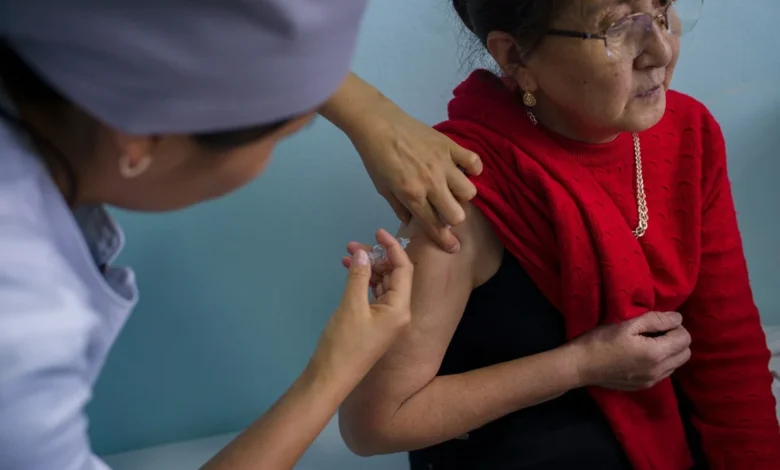
The World Health Organization (WHO) today announced its pivotal recommendations for the viral composition of influenza vaccines for the upcoming 2026-2027 northern hemisphere influenza season. This crucial announcement, made after an exhaustive four-day consultation, synthesizes the latest global influenza surveillance data, marking a significant step in the ongoing global effort to mitigate the impact of seasonal influenza. These recommendations are indispensable, serving as the definitive guide for national vaccine regulatory agencies and pharmaceutical companies worldwide, dictating the development, production, and licensing of vaccines that will offer optimal protection against the perpetually evolving influenza viruses.
The imperative for such regular updates stems directly from the intrinsic nature of influenza viruses, which are characterized by their remarkable and constant genetic mutation. This continuous antigenic drift necessitates a proactive and adaptive approach to vaccine formulation, ensuring that the vaccines administered are closely matched to the specific viral strains anticipated to circulate. Such precision is paramount in maximizing the efficacy of vaccination, thereby safeguarding populations from severe illness, hospitalization, and mortality associated with influenza. Without these timely adjustments, the effectiveness of influenza vaccines would wane significantly, leaving communities vulnerable to the annual resurgence of the virus.
The Global Surveillance Imperative: A Legacy of Vigilance
At the heart of these biannual recommendations lies the WHO Global Influenza Surveillance and Response System (GISRS), a monumental collaborative network that has served as the bedrock of global influenza surveillance since its inception in 1952. GISRS represents the longest-standing global platform for systematic disease surveillance, embodying a testament to sustained international scientific cooperation. Twice a year, once for each hemisphere, GISRS convenes leading experts from its vast network of Collaborating Centres and Essential Regulatory Laboratories. These highly specialized institutions, distributed strategically across the globe, are tasked with the continuous monitoring, isolation, and genetic sequencing of influenza viruses circulating within human and animal populations. Their meticulous work ensures that global health authorities possess a real-time understanding of viral evolution and geographical spread.
The data generated by GISRS and its myriad partners forms the raw material for these critical consultations. This encompasses a comprehensive array of epidemiological information detailing disease incidence and severity, virological characteristics including genetic sequences and antigenic profiles, and analyses of antiviral resistance, all meticulously reviewed and analyzed by an assembly of top virologists, epidemiologists, and public health specialists. Their collective expertise is channeled into forecasting the dominant influenza strains for the forthcoming season, a complex scientific endeavor that balances historical patterns with real-time viral evolution, leveraging advanced bioinformatics and predictive modeling. This rigorous process is essential for making informed decisions that will impact millions worldwide.
Dr. Tedros Adhanom Ghebreyesus, WHO Director-General, underscored the interconnectedness of global health in his statement regarding the recommendations. "Season after season, constantly evolving influenza viruses circulate globally, showing us how connected our world is. Shared risks require shared action," Dr. Tedros emphasized. He further lauded the foundational role of GISRS, stating, "WHO’s recommendations for influenza vaccine composition rest on the diligent, year-round work of the Global Influenza Surveillance and Response System (GISRS) and partners. Thanks to GISRS, next season’s vaccines have been updated to counter the latest strains of influenza viruses, in turn better protecting communities." This sentiment highlights not only the scientific rigor but also the profound humanitarian ethos driving these global health initiatives, emphasizing that public health security is a collective responsibility.
A Season Defined by Viral Evolution: The Rise of Subclade K
The 2025-2026 influenza season provided compelling evidence of the dynamic nature of influenza viruses, particularly with the emergence and rapid global dissemination of a notably distinct variant of the A(H3N2) virus. Classified as J.2.4.1, and often referred to as "subclade K," this novel strain made its appearance in August 2025. Its subsequent rapid spread across continents significantly impacted the influenza season, contributing to an earlier onset of activity in numerous countries and leading to higher-than-usual levels of reported cases. Throughout the season, subclade K emerged as the predominant influenza virus reported across various geographical regions, signaling a substantial antigenic shift within the A(H3N2) lineage and posing a significant challenge to existing vaccine effectiveness.
Influenza A viruses, including not only this new A(H3N2) variant but also other circulating strains of A(H3N2) and A(H1N1)pdm09, were overwhelmingly predominant during the period under review. The dominance of Influenza A viruses is a recurring theme in many seasons, often associated with more severe outcomes in certain demographic groups, particularly the elderly, young children, and those with underlying health conditions. In contrast, influenza B viruses were detected at significantly lower levels, with only sporadic cases of the B/Victoria lineage reported. Notably, the B/Yamagata lineage, once a common component of seasonal influenza, has not been recorded since March 2020, suggesting its potential disappearance from global circulation. This phenomenon, if sustained, could have implications for future vaccine formulations, potentially simplifying the quadrivalent vaccine composition, which currently targets two A strains and two B strains (one from each lineage). However, continued vigilance remains crucial, as viral resurgence cannot be entirely ruled out without further prolonged surveillance, given the unpredictable nature of influenza.
The rapid emergence and widespread circulation of subclade K underscore the constant evolutionary pressure on influenza viruses. Antigenic drift, a process of minor genetic mutations, allows the virus to evade existing immunity conferred by previous infections or vaccinations. When these drifts accumulate to a significant degree, as appears to have happened with subclade K, they can lead to reduced vaccine effectiveness if the vaccine strain is not updated accordingly. The GISRS network’s ability to detect, characterize, and track such changes in real-time is therefore paramount to public health preparedness. This early detection allows for the prompt adjustment of vaccine components, minimizing the lag between viral evolution and vaccine adaptation, a critical race against time in the field of vaccinology.
The Ever-Present Threat of Zoonotic Influenza
Beyond seasonal human influenza, the consultation also dedicated considerable attention to zoonotic influenza viruses – those circulating in animal populations that possess the potential to jump species barriers and infect humans. These animal-origin influenza viruses remain a profound and persistent concern for global health security due to their inherent potential to trigger pandemics. History is replete with examples of influenza pandemics originating from animal reservoirs, most notably the devastating 1918 Spanish Flu (H1N1), the 1957 Asian Flu (H2N2), the 1968 Hong Kong Flu (H3N2), and the more recent 2009 Swine Flu (H1N1pdm09). Each of these events reshaped global health and society, demonstrating the immense disruptive power of novel influenza strains.
Since the previous WHO consultation on zoonotic influenza on September 23, 2025, a total of 25 human infections with zoonotic influenza viruses were reported to the WHO from six different countries. The vast majority of these cases were directly linked to exposure to infected animals or to environments heavily contaminated with influenza viruses, such as poultry farms or live bird markets, underscoring the importance of biosecurity measures. Crucially, and reassuringly, no evidence of sustained human-to-human transmission was reported among these cases. While this lack of sustained transmission is a positive indicator, the sporadic nature of these spillover events serves as a stark reminder of the continuous interface between human and animal health, and the need for robust ‘One Health’ approaches to surveillance that integrate human, animal, and environmental health monitoring.
These biannual expert meetings include a detailed assessment of circulating zoonotic viruses, which goes beyond simply tracking human infections. It involves analyzing the genetic makeup and antigenic properties of these viruses in animal populations, assessing their potential for mammalian adaptation and transmissibility. A critical output of this process is the selection and recommendation of new Candidate Vaccine Viruses (CVVs). These CVVs are laboratory-engineered viral strains designed to match potential pandemic threats. They are maintained in readiness, allowing for the rapid manufacture of vaccines should a pandemic threat emerge from a specific zoonotic strain. At the latest meeting, experts specifically recommended the development of a new CVV for an A(H9N2) virus. A(H9N2) is a low pathogenic avian influenza virus that is endemic in poultry in many parts of Asia, Africa, and the Middle East, and has caused sporadic human infections, primarily in individuals with direct poultry contact. While human cases of A(H9N2) are typically mild, its widespread circulation in poultry and its ability to infect humans make it a candidate for close monitoring and pandemic preparedness. Similarly, other avian influenza strains like H5N1, which has caused more severe human disease and recently shown concerning mammalian adaptation in certain outbreaks, are also under constant scrutiny. The proactive development of CVVs for such viruses is a cornerstone of pandemic preparedness strategies, enabling a faster response time if a zoonotic virus gains the ability for efficient human-to-human transmission.
Crafting Tomorrow’s Protection: The Vaccine Recommendations
For vaccines intended for use in the 2026-2027 northern hemisphere influenza season, the WHO’s expert group provided specific recommendations for the composition of influenza vaccines, tailoring them to the anticipated circulating strains. These recommendations delineate the precise viral components for both traditional egg-based vaccines and the increasingly utilized cell culture-, recombinant protein-, or nucleic acid-based vaccines. The differentiation between these vaccine production platforms acknowledges the varying manufacturing processes and the potential for slight antigenic differences that can arise from adapting viruses to grow in different substrates. While the specific recommended strains were not detailed in the immediate public release, their selection is the culmination of the extensive data analysis and expert consensus achieved during the consultation. These include specific strains for the A(H1N1)pdm09, A(H3N2), and B (Victoria lineage) components for quadrivalent vaccines, which protect against two A strains and two B strains. For trivalent vaccines, which typically protect against one A(H1N1)pdm09, one A(H3N2), and one B strain, a specific B lineage component would also have been identified. These detailed specifications are then disseminated globally to allow manufacturers to begin the complex production process.
From Recommendation to Jab: The Vaccine Production Pipeline
The WHO’s recommendations are the critical first step in a complex and time-sensitive global vaccine production pipeline. Once these recommendations are issued, national regulatory bodies and pharmaceutical manufacturers embark on a rigorous process to develop and produce the updated vaccines. This involves several critical stages, each with its own scientific and logistical challenges:
- Seed Virus Production: Manufacturers acquire the recommended candidate vaccine viruses (CVVs) from WHO Collaborating Centres, which are then adapted for large-scale production.
- Large-Scale Production: Depending on the platform, this involves growing the virus in millions of fertilized chicken eggs (for egg-based vaccines) or in vast bioreactors containing cell cultures (for cell culture-based vaccines). Recombinant protein vaccines involve inserting genetic material into a host cell to produce the viral antigen in quantity. Nucleic acid (mRNA or DNA) vaccines involve synthesizing the genetic code for the viral antigen, bypassing the need for traditional viral culture.
- Purification and Inactivation: The viruses or antigens are harvested, purified to remove impurities, and then inactivated (for whole or split virus vaccines) to ensure they cannot cause disease.
- Formulation and Filling: The antigens are carefully formulated with adjuvants (if used, to boost immune response) and other components, then aseptically filled into billions of syringes or vials.
- Quality Control and Testing: Extensive quality control checks are performed at every stage, from raw materials to the final product, to ensure purity, potency, stability, and sterility.
- Regulatory Approval: National regulatory agencies (e.g., FDA in the US, EMA in Europe) rigorously review production data, conduct their own final lot release testing, and verify compliance with stringent manufacturing standards before vaccines can be distributed and administered to the public.
This entire process typically takes approximately 6-8 months from the moment of recommendation to vaccine availability, highlighting the urgency and precision required. Any delays in surveillance, recommendation, or manufacturing can jeopardize the timely availability of vaccines for the start of the influenza season, which typically begins in the autumn months in the Northern Hemisphere. The sheer scale of global influenza vaccine production, aiming to supply hundreds of millions of doses, represents a monumental logistical and scientific undertaking each year, relying on seamless international cooperation and advanced manufacturing capabilities.
Global Health Security: The Enduring Role of Influenza Vaccination
Seasonal influenza, often underestimated, remains a formidable global public health challenge. It is an acute respiratory infection prevalent across all parts of the world, responsible for an estimated one billion cases annually. Among these, between three and five million cases are classified as severe illnesses, leading to significant morbidity, prolonged hospital stays, and considerable strain on healthcare infrastructure. Furthermore, influenza is a leading cause of respiratory mortality, claiming an estimated 290,000 to 650,000 lives each year globally. These sobering figures underscore the substantial and persistent burden that influenza places on healthcare systems, economies, and individual well-being, far surpassing many other commonly recognized infectious diseases.
Vaccination remains the most effective primary prevention strategy against influenza. By aligning vaccine composition with circulating strains, the WHO’s recommendations directly contribute to reducing disease severity, preventing hospitalizations, and saving lives. The ongoing work of GISRS, coupled with the unwavering commitment of global health partners, is therefore not merely an academic exercise but a vital, life-saving public health service. The global nature of influenza transmission necessitates a coordinated global response, from continuous surveillance and accurate forecasting to efficient vaccine production and equitable distribution. Ensuring timely and affordable access to these updated vaccines, particularly in vulnerable populations and low-income countries where healthcare resources may be limited, remains a persistent challenge and a key area of focus for global health equity initiatives. As the world continues to grapple with the complexities of infectious diseases, exemplified by recent pandemics, the robust infrastructure and collaborative spirit demonstrated by the WHO and GISRS in combating influenza serve as a critical model for global health security and preparedness. The annual ritual of updating influenza vaccine recommendations is a silent testament to continuous scientific endeavor, international cooperation, and a shared commitment to protecting public health on a global scale against an ever-present and evolving threat.