Chile Achieves Historic Leprosy Elimination, Becomes First in Americas and Second Globally to Eradicate Ancient Disease

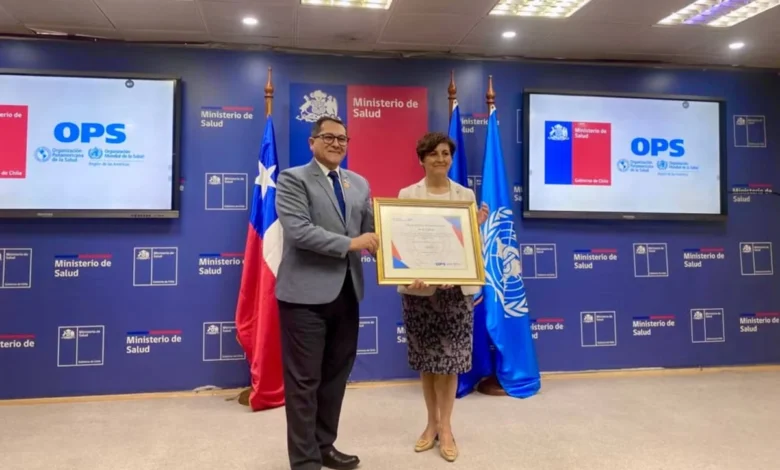
In a landmark public health achievement, Chile has been officially verified as having eliminated leprosy disease, marking a monumental victory against a condition that has plagued humanity for millennia. The World Health Organization (WHO), in conjunction with the Pan American Health Organization (PAHO), extended its profound congratulations to the South American nation, recognizing Chile as the first country in the Americas and only the second globally to reach this significant milestone. This verification is not merely an acknowledgment of the absence of local transmission but a testament to over three decades of unwavering public health commitment, robust surveillance, and a healthcare system that remained acutely vigilant even in the face of dwindling case numbers.
A Decades-Long Public Health Triumph: The Chilean Journey
The history of leprosy, also known as Hansen’s disease, in Chile stretches back to the late 19th century, with the earliest historical records indicating its presence on Rapa Nui, more commonly known as Easter Island. This remote Pacific island, renowned for its enigmatic moai statues, became the primary focus of leprosy management within the country. While sporadic introductions of the disease were noted on mainland Chile, these were largely contained, preventing widespread endemicity. The isolation of Rapa Nui, combined with dedicated treatment measures, proved crucial in controlling the disease’s spread. By the late 1990s, the last secondary cases on the island were successfully managed, heralding the beginning of a sustained period without local transmission.
For over three decades, Chile has reported no locally acquired cases of leprosy, with the last indigenous case detected in 1993. This prolonged absence of local transmission is the bedrock of the elimination verification. However, this achievement was not the result of complacency. Far from it, the disease was never relegated to the annals of history within Chile’s public health agenda. Instead, it remained a meticulously monitored notifiable condition, subject to mandatory reporting, integrated surveillance across all levels of the health system, and continuous clinical readiness. This proactive approach, even in a low-incidence setting, underscores the depth of Chile’s commitment to public health.
The Path to Elimination: A Rigorous Chronology
The journey to leprosy elimination in Chile is a narrative of sustained effort and strategic public health interventions, unfolding over several critical phases:
- Late 19th Century: Leprosy is historically recorded in Chile, primarily on Rapa Nui (Easter Island). Its presence necessitates early, albeit often rudimentary, containment strategies due to the island’s remote nature.
- Early to Mid-20th Century: Efforts to control the disease on Rapa Nui intensify. Isolation and treatment measures are implemented, reflecting the prevailing medical understanding of the time, aimed at preventing further spread.
- Late 1990s: The last secondary cases of leprosy on Rapa Nui are successfully managed. This marks a crucial turning point, effectively breaking the chain of local transmission on the island.
- 1993: The last locally acquired case of leprosy is detected on mainland Chile. This event triggers heightened vigilance and reinforces the commitment to preventing any further indigenous transmission.
- Post-1993 (Over Three Decades of Vigilance): Despite the absence of local cases, leprosy remains a notifiable condition within Chile’s public health framework. The health system maintains integrated surveillance, ensuring that any suspected cases are promptly investigated and managed. Continuous clinical readiness is a key strategy, ensuring healthcare professionals are equipped to diagnose and treat the disease, even if they rarely encounter it.
- 2012-2023: During this period, Chile reports a total of 47 cases nationwide. Crucially, none of these cases are locally acquired, meaning they originated from individuals who contracted the disease outside Chile. This data confirms the sustained absence of indigenous transmission.
- 2025: At the request of Chile’s Ministry of Health, PAHO and WHO convene an independent expert panel. This panel undertakes a comprehensive assessment, meticulously reviewing epidemiological data, scrutinizing surveillance mechanisms, evaluating case management protocols, and assessing the sustainability plans put in place by the Chilean government.
- Official Verification: The panel’s findings unequivocally confirm the sustained absence of local transmission. They also validate Chile’s robust capacity to detect and effectively respond to any future cases that might occur among the non-autochthonous population, thus ensuring the long-term sustainability of the elimination status. This official verification is then announced, marking Chile’s historic achievement.
Vigilance and Integration: Chile’s Public Health Model
Chile’s success is deeply rooted in its integrated and resilient public health model. The system ensures early detection and comprehensive care, forming a robust defense against infectious diseases. Primary care centers serve as the initial point of contact for any suspected cases, streamlining the referral process to specialized dermatology services for accurate diagnosis, effective treatment, and diligent follow-up. This tiered approach ensures that expertise is leveraged efficiently while maintaining broad accessibility.
Central to this model is the continuous professional development of clinicians. Healthcare professionals across Chile receive specialized training aligned with WHO’s "Towards zero leprosy" strategy. This training equips them with the knowledge and skills necessary for early intervention, disability prevention, and the provision of holistic care. Such care extends beyond medical treatment to include physiotherapy and rehabilitation services, ensuring that individuals affected by leprosy receive continuous support for both their acute medical needs and long-term health, promoting full recovery and social inclusion.
Moreover, Chile’s mixed public-private health system, characterized by strong regulatory oversight, plays a vital role in ensuring equitable access to healthcare. This robust framework ensures that all segments of the population, including migrants and other vulnerable groups, have access to necessary medical services, which is paramount in preventing the re-emergence of diseases like leprosy. The nation’s broader legal and social framework, which actively protects human rights, promotes inclusion, and prevents discrimination, further reinforces this commitment, ensuring that individuals affected by leprosy receive care free from stigma or exclusion.
International Collaboration and Multidrug Therapy (MDT)
The fight against leprosy is a global endeavor, and Chile’s achievement underscores the critical importance of international collaboration. Since 1995, PAHO, in close coordination with WHO, has been instrumental in ensuring uninterrupted access to multidrug therapy (MDT) for countries across the Americas, including Chile. This consistent supply of MDT has been a cornerstone of global leprosy elimination efforts.
The availability of MDT, provided free of charge, has been made possible through the invaluable support of philanthropic and pharmaceutical partners. The Nippon Foundation contributed significantly from 1995 to 2000, followed by Novartis, which has continued to provide MDT since 2000 through direct agreements with WHO. This reliable access to effective treatment, combined with well-organized national supply systems, has been essential not only for curing patients and preventing disability but, most importantly, for interrupting the transmission of the disease.
Beyond treatment, PAHO has actively supported Chile in aligning its surveillance systems with international standards. This included strengthening laboratory capacities and fostering the retention of crucial clinical expertise, particularly challenging in a low-incidence context where many health professionals might never encounter a leprosy case during their entire careers. This strategic support ensured that Chile maintained a high level of preparedness and diagnostic capability, even as the disease became increasingly rare.
Statements from Global and National Leaders
The significance of Chile’s accomplishment resonated deeply with global and national health leaders.
Dr. Tedros Adhanom Ghebreyesus, WHO Director-General, lauded the achievement, stating, “This landmark public health achievement is a powerful testament to what leadership, science, and solidarity can accomplish. Chile’s elimination of leprosy sends a clear message to the world: with sustained commitment, inclusive health services, integrated public health strategies, early detection and universal access to care, we can consign ancient diseases to history.” His words highlighted not only the medical victory but also the broader implications for global health equity and the potential to eradicate other long-standing scourges.
Echoing this sentiment, Dr. Jarbas Barbosa, PAHO Director, emphasized the replicable nature of Chile’s success. “Chile’s achievement demonstrates that eliminating leprosy is achievable and requires building strong systems that can detect, respond to, and provide comprehensive care for people affected by the disease, including those living with chronic disabilities,” he remarked. Dr. Barbosa further stressed the profound message this sends to the Region of the Americas: “Being the first country in the Americas to be confirmed as eliminating leprosy sends a powerful message to the Region – that diseases strongly linked to groups living in vulnerable conditions can be eliminated, contributing to interrupt the vicious circle between disease and poverty.” This underlines the socio-economic dimension of public health, where disease elimination can be a catalyst for broader societal upliftment.
Chile’s Minister of Health, Ximena Aguilera, expressed profound national pride: “This is very good news and a source of great pride for our country. Chile has received verification of the elimination of leprosy disease, becoming the first country in the Americas and the second globally to achieve this recognition.” Minister Aguilera attributed this milestone to decades of sustained public health efforts, encompassing prevention strategies, early diagnosis, effective treatment, continuous follow-up, and the unwavering commitment of health teams nationwide. She reaffirmed the nation’s ongoing responsibility to maintain active surveillance and ensure respectful, stigma-free care for all, demonstrating a forward-looking commitment to sustaining this achievement.
Broader Implications: A Blueprint for Neglected Tropical Diseases (NTDs)
Chile’s accomplishment transcends its national borders, serving as a powerful blueprint for other nations striving to eliminate neglected tropical diseases (NTDs). It vividly illustrates the transformative impact of sustained political will, robust cross-sector collaboration, and adaptive planning, particularly in settings where disease incidence is low but vigilance remains paramount.
This achievement aligns perfectly with PAHO’s ambitious Disease Elimination Initiative, which aims to eliminate leprosy and other communicable diseases and related conditions in the Americas by 2030. Leprosy, as one of 21 diverse conditions categorized as neglected tropical diseases, collectively affects an estimated one billion people globally. These diseases disproportionately burden impoverished communities in tropical areas, perpetuating cycles of poverty and poor health.
By successfully eliminating leprosy, Chile joins an elite group of nations making significant strides against NTDs. It is the sixty-first country globally and the sixth in the Americas—alongside Brazil, Colombia, Ecuador, Guatemala, and Mexico—to have eliminated at least one neglected tropical disease. Furthermore, Chile stands as only the second country in the world, after the Hashemite Kingdom of Jordan, to have achieved leprosy elimination. This progress is a beacon of hope for achieving the public health targets outlined in the WHO’s "Road map for neglected tropical diseases 2021–2030."
The core principles that underpinned Chile’s success – robust surveillance, universal access to treatment, community engagement, and a strong human rights framework – are highly transferable. They offer a tangible model for how other countries can tackle diseases deeply intertwined with social vulnerability, fostering healthier, more equitable societies.
Sustaining the Victory: The Post-Elimination Challenge
The verification of leprosy elimination is not the final chapter but rather a transition into a critical post-elimination phase. Aligned with WHO’s "Towards zero leprosy" strategy and PAHO’s Disease Elimination Initiative, Chile’s experience powerfully demonstrates that elimination is not merely defined by the absence of disease, but by the presence of a sustained, capable health system. This system must remain vigilant, ready to detect, respond to, and provide holistic care whenever a new case, whether imported or unforeseen, might appear.
To ensure the enduring nature of this achievement, the verification panel offered several key recommendations for Chile. These include continuing to report to WHO, maintaining highly sensitive surveillance mechanisms, and ensuring that clinical expertise is continually retained and updated for future sporadic cases, as well as for any cases acquired outside the country. The panel also recommended the formal designation of a national referral center for leprosy and the leveraging of WHO Academy’s online training resources for health workers and staff. These measures are designed to strengthen long-term capacity and preparedness, cementing Chile’s legacy as a nation that not only eliminated an ancient disease but also built an exemplary system to keep it at bay.
Understanding Leprosy (Hansen’s Disease)
Leprosy, also known as Hansen’s disease, is a chronic infectious disease caused by the bacterium Mycobacterium leprae. It primarily targets the skin, peripheral nerves, upper respiratory tract mucosa, and eyes. If left untreated, leprosy can lead to progressive and irreversible nerve damage, resulting in debilitating disabilities and severe social stigma. Historically, the visible deformities and lack of understanding surrounding the disease led to widespread discrimination and ostracization of affected individuals.
However, modern medicine has transformed the prognosis for leprosy. The disease is now fully curable with multidrug therapy (MDT), a combination of antibiotics. Early detection and prompt treatment with MDT are crucial for preventing complications, reversing the course of the disease, and, most importantly, interrupting transmission. Despite its curability, leprosy continues to persist as a neglected tropical disease in over 120 countries globally, with more than 200,000 new cases reported annually. This highlights the ongoing need for global efforts, sustained vigilance, and the replication of successful models like Chile’s to achieve the ambitious goal of a world free from leprosy.
Related posts: