
The Art of Welcoming New Life: A Comprehensive Guide to Crafting Meaningful Birth Announcement Messages for Families and Friends


The birth of a child stands as one of the most profound milestones in the human experience, marking a transformative transition for parents and extended family members alike. Beyond the immediate logistical preparations that accompany a new arrival, the emotional and social components—specifically the act of offering congratulations—play a vital role in strengthening community bonds and affirming the support network surrounding the new parents. As families navigate this significant life event, the challenge often lies in articulating sentiments that are both sincere and culturally appropriate. Providing a curated list of expressive, warm, and meaningful messages serves as a valuable resource for those seeking to convey their well-wishes effectively.
The Significance of Symbolic Gestures in Postpartum Support
Psychologists often emphasize the importance of social support during the postpartum period, a time characterized by significant physiological and emotional adjustments. The arrival of a newborn triggers a cascade of changes within the family unit, necessitating a shift in priorities and daily routines. In this context, birth announcements and the subsequent congratulatory messages from the inner circle act as an essential social buffer.
Data from child development researchers indicates that parents who receive proactive, positive communication from their social network during the first few months of an infant’s life report lower levels of stress and a higher sense of efficacy in their parenting roles. While a simple digital message or a handwritten card may seem modest, its impact on the psychological well-being of new parents is substantial. These gestures acknowledge the labor and dedication involved in the birthing process while affirming the child’s place within the community.
Navigating Etiquette and Personalization
When crafting a message for a birth announcement, the tone often fluctuates based on the relationship between the sender and the parents. Professionals in the etiquette industry suggest that while brevity is acceptable, personalization adds a layer of depth that standardized templates lack. Key variables to consider when drafting these messages include:
- Gender-Specific Nuances: While modern parenting trends increasingly favor gender-neutral approaches, many cultures still celebrate the arrival of a boy or girl with specific traditional blessings or well-wishes.
- Cultural and Religious Context: For families who prioritize faith, integrating spiritual blessings—such as those found in Islamic traditions—can provide a deeper sense of comfort and alignment with their values.
- Relationship Depth: A message sent to a sibling or best friend will naturally differ from a formal note sent to a colleague or acquaintance.
Curated Expressions for Newborn Boys
When welcoming a son, messages often focus on themes of strength, wisdom, and the excitement of the new adventure that lies ahead. The following categories provide a framework for expressions of support:
Supportive and Encouraging Sentiments:
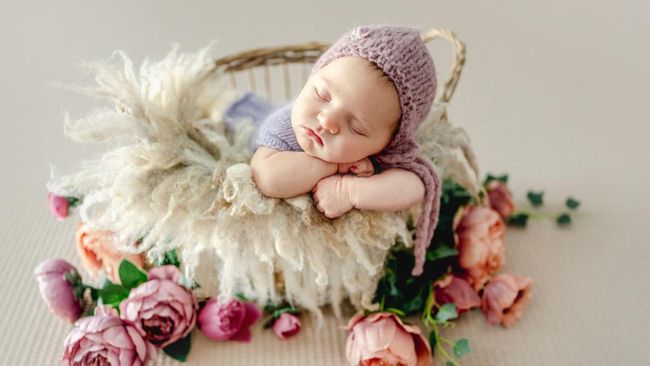
- "Congratulations on the arrival of your son; may he bring as much joy into your lives as you have brought to those around you."
- "The birth of a son marks the beginning of a beautiful, challenging, and rewarding journey. We are thrilled to watch your family grow."
- "Wishing you and your new prince a lifetime of health, laughter, and discovery."
- "Your son is fortunate to be born into such a loving and capable family. Congratulations on this new chapter."
- "May his growth be marked by curiosity and his path guided by wisdom."
Practical Offers of Support:
- "We are ready to assist in any way as you settle into this new routine. Please do not hesitate to reach out for help with errands or logistics."
- "Watching your family expand is a privilege. We look forward to seeing the wonderful man he will grow to be."
Celebrating the Arrival of Newborn Girls
The arrival of a daughter is frequently celebrated with themes of empowerment, beauty, and grace. Messages for newborn girls often emphasize the unique potential and the bright future envisioned for the child.
Empowerment-Focused Messages:
- "It takes a remarkable spirit to welcome a new life; congratulations on the birth of your daughter, who is sure to be as resilient as she is beautiful."
- "The world has become a more vibrant place with her arrival. May she grow up to be a beacon of strength and compassion."
- "We are overjoyed to welcome this little girl into our lives. May her future be filled with limitless possibilities."
Gentle and Heartfelt Sentiments:
- "She is a miracle, a small flower beginning to bloom. We wish you endless moments of peace and happiness in the years to come."
- "May her life be as sweet as the joy she has already brought to your home."
- "A daughter is a gift of grace. Congratulations on the beginning of a lifetime of precious memories."
Incorporating Spiritual and Traditional Blessings
For many families, incorporating faith-based well-wishes is a crucial part of the celebration. These messages often center on themes of protection, divine blessing, and the aspiration for the child to grow into a person of high moral character.
Reflections of Faith and Prosperity:
- "Barakallah on the birth of your child. May Allah protect him/her from harm and guide them toward a path of righteousness and success."
- "MasyaAllah, what a beautiful blessing. We pray that this child is granted a long, healthy life and becomes a source of pride for your family."
- "Alhamdulillah for this new life. May the guidance of the Almighty be a constant presence in your child’s development and upbringing."
- "We pray that your child is raised with the wisdom of the scriptures and the courage to live a life of integrity."
- "May this child be a manifestation of the mercy and blessings promised to those who raise their children with love and faith."
Analytical Perspectives on Modern Parenting and Communication
The evolution of birth announcements has shifted significantly over the last decade. With the rise of social media and instant messaging, the immediacy of these communications has changed the nature of support. A study by the Pew Research Center suggests that while digital communication facilitates quicker reactions, it can sometimes lack the intimacy of traditional cards.
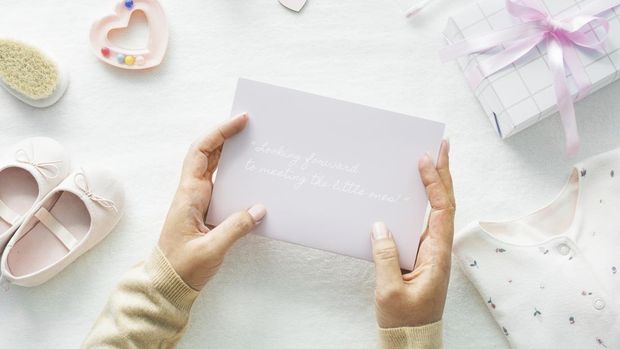
However, the "HaiBunda" community and similar parenting forums emphasize that the intent remains the primary factor. Whether a message is delivered via a personalized card or a thoughtful digital note, the core function is to signal inclusion and support.
The Role of Community Networks:
The creation of support groups, such as the HaiBunda Squad, represents a broader trend in parenting: the professionalization and communalization of child-rearing. By creating structured environments where parents can exchange advice, share resources, and offer emotional support, these communities help mitigate the isolation that can sometimes accompany new parenthood.
Implications for the Future
As the societal structure continues to shift toward smaller, more mobile family units, the role of friends and extended networks in providing support becomes increasingly critical. The act of writing a thoughtful card or sending a meaningful message is more than a social formality; it is a vital component of the infrastructure of care.
For those preparing to welcome a new life or those looking to support a family who has recently done so, the key is consistency and sincerity. By focusing on the unique attributes of the child and the specific journey of the parents, one can create a message that transcends the temporary nature of the event and becomes a lasting memory.
In conclusion, the arrival of a newborn is a catalyst for joy and reflection. Through careful consideration of words and the deliberate use of supportive language, individuals can play a meaningful part in the early life of a child, ensuring that parents feel valued and supported as they undertake one of life’s most significant responsibilities. Whether through a traditional blessing, a note of encouragement, or a simple expression of love, these words serve as the first building blocks of the community that will eventually help raise the next generation.