The year is 2026, and while significant strides have been made in social discourse, the topic of masturbation continues to linger in the shadows of societal taboo for many. However, a growing chorus of public figures, particularly prominent women in the entertainment industry, are actively challenging this silence. Their willingness to openly discuss self-pleasure is not merely a personal revelation; it represents a significant cultural shift towards destigmatizing a natural and healthy aspect of human sexuality. These celebrities are not just sharing personal anecdotes; they are contributing to a broader conversation that promotes sexual health, empowerment, and a more informed approach to intimacy.

The discourse surrounding masturbation has historically been fraught with moral judgments and misinformation, often rooted in religious doctrines or outdated psychological theories. For decades, it was associated with shame, guilt, and even perceived physical or mental ailments. However, contemporary scientific understanding and a more open societal dialogue have begun to dismantle these misconceptions. Research consistently highlights the physical and psychological benefits of masturbation, including stress reduction, improved sleep, enhanced body awareness, and a deeper understanding of one’s own sexual response.

A Growing Movement of Openness
The trend of celebrities speaking out about masturbation is not entirely new, but its momentum has undeniably accelerated in recent years. What was once a whisper in private conversations is now a more audible and impactful public declaration. These women, through their platforms, are providing validation and encouragement to millions who may feel isolated or ashamed by their own sexual practices.

The article’s original mention of "Happy Masturbation Month!" in May points to a growing recognition of this practice. While the exact origin of "National Masturbation Month" is somewhat informal and debated, its existence signifies an effort to dedicate time to discussing and normalizing self-pleasure. The historical context of such awareness campaigns often stems from the broader sexual liberation movements of the 20th century, which sought to challenge puritanical attitudes and promote open dialogue about sexuality.

Key Figures Leading the Charge
Several prominent women have been instrumental in bringing masturbation into mainstream conversation:

- Chelsea Handler: Known for her unfiltered humor and direct approach, Handler has openly discussed her personal preferences, famously stating she’d rather masturbate than meditate. Her candor serves to demystify the act, presenting it as a straightforward and enjoyable personal choice, akin to any other form of self-care.
- Jada Pinkett Smith: In a particularly impactful moment, Pinkett Smith discussed masturbation with both her mother, Adrienne Banfield-Norris, and her daughter, Willow Smith, on their show "Red Table Talk." This multi-generational conversation was groundbreaking, demonstrating that open communication about sexuality can occur within families and that self-pleasure is a topic that can be discussed with honesty and without judgment across different age groups. The show’s format, which encourages candid dialogue on sensitive topics, has provided a vital platform for such discussions.
- Billie Eilish: The Grammy-winning artist has also touched upon the topic of self-pleasure, often in the context of her music and public persona, which often explores themes of vulnerability and self-discovery. Her engagement, particularly with a younger audience, is crucial in shaping attitudes from an early age.
These are just a few examples, and the list continues to grow, encompassing a diverse range of artists, actresses, and public figures who are contributing to this evolving narrative.

The Health and Wellness Nexus
The normalization of masturbation is intrinsically linked to broader conversations about sexual health and wellness. Medical and psychological professionals widely acknowledge the benefits:

- Stress Relief: The release of endorphins during orgasm can act as a natural stress reliever, promoting relaxation and a sense of well-being. Studies have shown a correlation between regular masturbation and reduced levels of cortisol, the body’s primary stress hormone.
- Improved Sleep: For many, masturbation can facilitate better sleep by inducing a state of relaxation and helping to alleviate insomnia.
- Enhanced Body Awareness and Confidence: Understanding one’s own body and sexual responses through self-exploration can lead to increased self-confidence and a more fulfilling sexual experience, both solo and with a partner.
- Pain Management: Some research suggests that orgasms can trigger the release of pain-relieving chemicals, potentially offering relief from certain types of pain, such as menstrual cramps or headaches.
- Prostate Health (for men): While the focus of this article is on women, it’s worth noting that studies also suggest potential benefits for male prostate health through regular ejaculation.
The integration of masturbation into discussions of sexual health is a crucial step in promoting a holistic approach to well-being. It underscores that sexual pleasure and exploration are not solely about procreation or partnered intimacy but are integral components of individual health.

Broader Societal Implications
The impact of these celebrity endorsements extends far beyond individual conversations:

- De-stigmatization: By openly discussing masturbation, these public figures chip away at the shame and secrecy that have long surrounded it. This allows more individuals to feel comfortable with their own sexual exploration without fear of judgment.
- Empowerment: Encouraging self-pleasure is an act of empowerment, particularly for women, who have historically been conditioned to prioritize the sexual needs of others. It reinforces the idea that their own pleasure is valid and important.
- Improved Sexual Education: The candid conversations contribute to a more comprehensive and realistic form of sexual education. When public figures discuss topics like masturbation openly, it can encourage parents, educators, and young people to engage in more honest and informed dialogue.
- Positive Impact on Relationships: Counterintuitively for some, a healthy relationship with one’s own sexuality, including masturbation, can often lead to more fulfilling partnered sexual experiences. It allows individuals to better communicate their needs and desires to their partners.
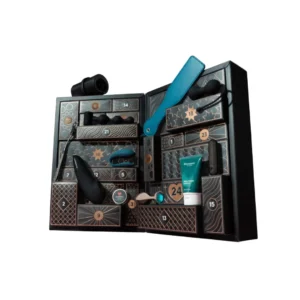
- Economic Impact: The increasing acceptance and normalization of masturbation have also had a tangible economic impact, driving innovation and growth in the sex-positive toy and accessory market. Brands are increasingly catering to a wider audience seeking high-quality, discreet, and empowering sexual wellness products.
A Look Back and Forward
It is important to note the historical context of this discussion. The article itself mentions that a version of this story originally appeared in 2016. This highlights the ongoing nature of this conversation and the sustained effort required to shift deeply ingrained societal norms. The progress made between 2016 and 2026 is a testament to the power of consistent dialogue and the influence of public figures willing to take a stand.

The journey towards complete destigmatization is ongoing. While progress has been significant, pockets of resistance and lingering societal discomfort remain. However, the continued bravery of individuals who share their experiences, coupled with growing scientific understanding and open media platforms, suggests a future where masturbation is viewed not as a taboo subject, but as a natural, healthy, and empowering aspect of human sexuality. The increased visibility and vocal advocacy from celebrities are pivotal in accelerating this positive evolution, fostering a culture that embraces pleasure, self-awareness, and sexual well-being for all.