
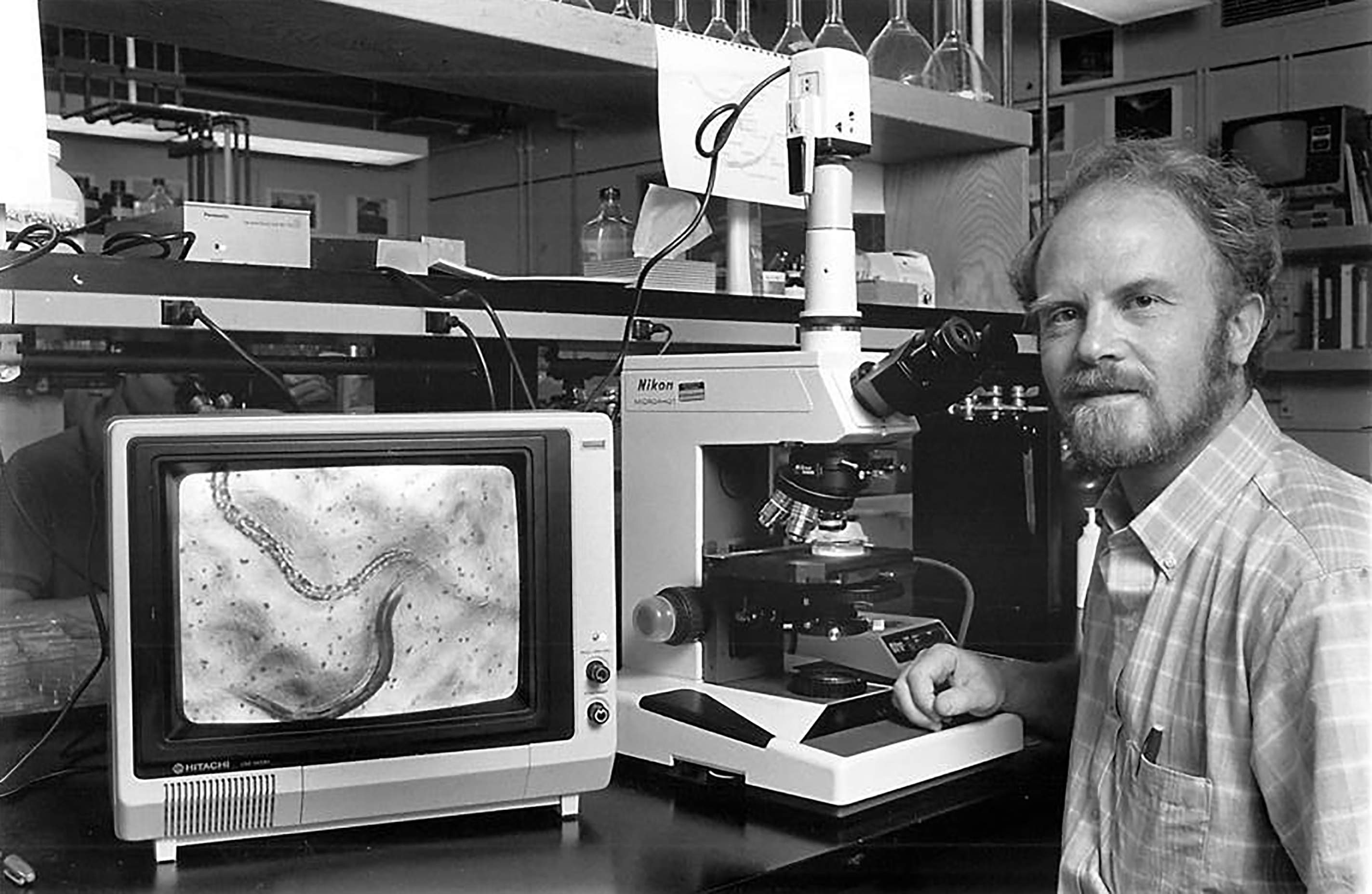
The scientific community mourns the recent passing of Thomas “Tom” E. Johnson, a titan whose groundbreaking research fundamentally reshaped our understanding of aging and laid the cornerstone for the modern field of geroscience. His pioneering work, conducted at a time when the manipulation of lifespan was considered an audacious, even impossible, pursuit, has irrevocably altered the trajectory of aging research, inspiring generations of scientists and paving the way for institutions like the Buck Institute. Johnson’s legacy is not merely one of scientific discovery, but of profound intellectual courage, challenging established paradigms and proving that aging, far from being an immutable biological fate, could be understood, studied, and potentially influenced.
A Paradigm Shift in Aging Research
In the mid-1980s, the biological study of aging was widely regarded as a complex and intractable problem. The prevailing scientific consensus viewed aging as a multifactorial process, intricately woven with the interplay of thousands of genes and a host of environmental influences, making it exceedingly difficult to isolate and investigate specific causal mechanisms. It was a "messy" area of biology, often relegated to the periphery of mainstream scientific inquiry. However, Tom Johnson, then at the University of Colorado in Boulder, harbored a different vision. He approached aging not as an unavoidable consequence of existence, but as a biological phenotype – a trait that could be studied with the same rigor and investigative tools applied to other biological phenomena.
Johnson’s groundbreaking work, disseminated through a series of pivotal publications, began to dismantle the prevailing skepticism. His initial research involved the selective breeding of nematode worms, Caenorhabditis elegans (C. elegans), a model organism renowned for its short lifespan and genetic tractability. Through meticulous selective breeding, Johnson demonstrated that it was possible to achieve significant increases in the longevity of these worms. This was a radical departure from the norm, suggesting that the genetic architecture of aging was not as impenetrable as previously believed.
Building upon this foundational discovery, and drawing inspiration from the prior work of Mike Klass on C. elegans genetics, Johnson’s subsequent research took an even more profound turn. In a series of three further publications, he provided compelling evidence that mutations in a single gene could be sufficient to extend the lifespan of these model organisms by an astonishing margin – exceeding 50%. This finding was not only unprecedented but, for many in the scientific establishment, difficult to accept. The idea that such a complex process as aging could be significantly influenced by altering just one gene challenged deeply entrenched beliefs and the established methodologies of the time.
The Genesis of Geroscience: Inspiring Future Leaders
Johnson’s audacious findings, while met with initial disbelief by some, resonated powerfully with a nascent group of researchers who recognized the profound implications of his work. Among these were Dr. Gordon Lithgow and Dr. Simon Melov, individuals who would later become instrumental figures in the establishment and scientific direction of the Buck Institute. Recognizing the transformative potential of Johnson’s research, both Lithgow and Melov made their way to the University of Colorado in Boulder to join his laboratory. This period marked the beginning of their distinguished careers in aging research, directly shaped by Johnson’s mentorship and groundbreaking discoveries.
Dr. Simon Melov vividly recalls the challenging landscape for aspiring aging researchers in the early 1990s. "As a young graduate student," Dr. Melov recounts, "I was actively searching for a laboratory where I could pursue my passion for understanding the biology of aging – the genes or mechanisms that ultimately limit lifespan and an explanation for why we grow old. At the time, many established academics I turned to for career advice believed that studying aging was ‘junk science,’ and warned me that I would be ‘throwing my life away’ if I went down that path."
This pervasive skepticism created a significant barrier for those drawn to the study of aging. Melov’s experience highlights the intellectual courage required to pursue research in a field that was not yet recognized for its scientific validity or potential impact.
A Personal Journey Fueled by Scientific Conviction
Dr. Melov’s narrative further illuminates the pivotal role of Tom Johnson’s laboratory in shaping the future of aging research. "While spending long hours reading journals in the library, I came across Tom’s lab," Dr. Melov continues. "It stood out as one of the few groups performing direct, mechanistic experiments on aging in model organisms. Tom’s approach – treating aging itself as a phenotype and using genetics to directly extend lifespan – immediately resonated with me."
The distinctiveness of Johnson’s approach lay in its focus on empirical evidence and genetic manipulation. Instead of pursuing broad, theoretical frameworks, Johnson’s lab was engaged in tangible experiments designed to identify the genetic underpinnings of longevity. This direct, mechanistic approach offered a clear path for investigation and was a stark contrast to the more diffuse understanding of aging prevalent at the time.
Even when faced with strong discouragement, Melov’s conviction in Johnson’s vision remained unwavering. "I even consulted a future Nobel Prize winner about the idea of joining Tom’s lab," Melov shares. "His advice was blunt: Tom was ‘crazy,’ and I should work on something respectable, like developmental biology. Like many young scientists given advice which seems contradictory to your central goal, it served as a stimulus. Instead of abandoning the idea, I wrote to Tom directly and asked whether he accepted postdoctoral fellows from overseas. I will always be grateful that he took the time to respond and ultimately offered me a position in his lab. That opportunity launched my career in the biology of aging."
This anecdote underscores Johnson’s receptiveness to unconventional talent and his willingness to embrace individuals who shared his passion, regardless of the prevailing scientific climate. His mentorship was not merely about directing research; it was about fostering a community of inquiry and providing opportunities for promising scientists to contribute to a burgeoning field.
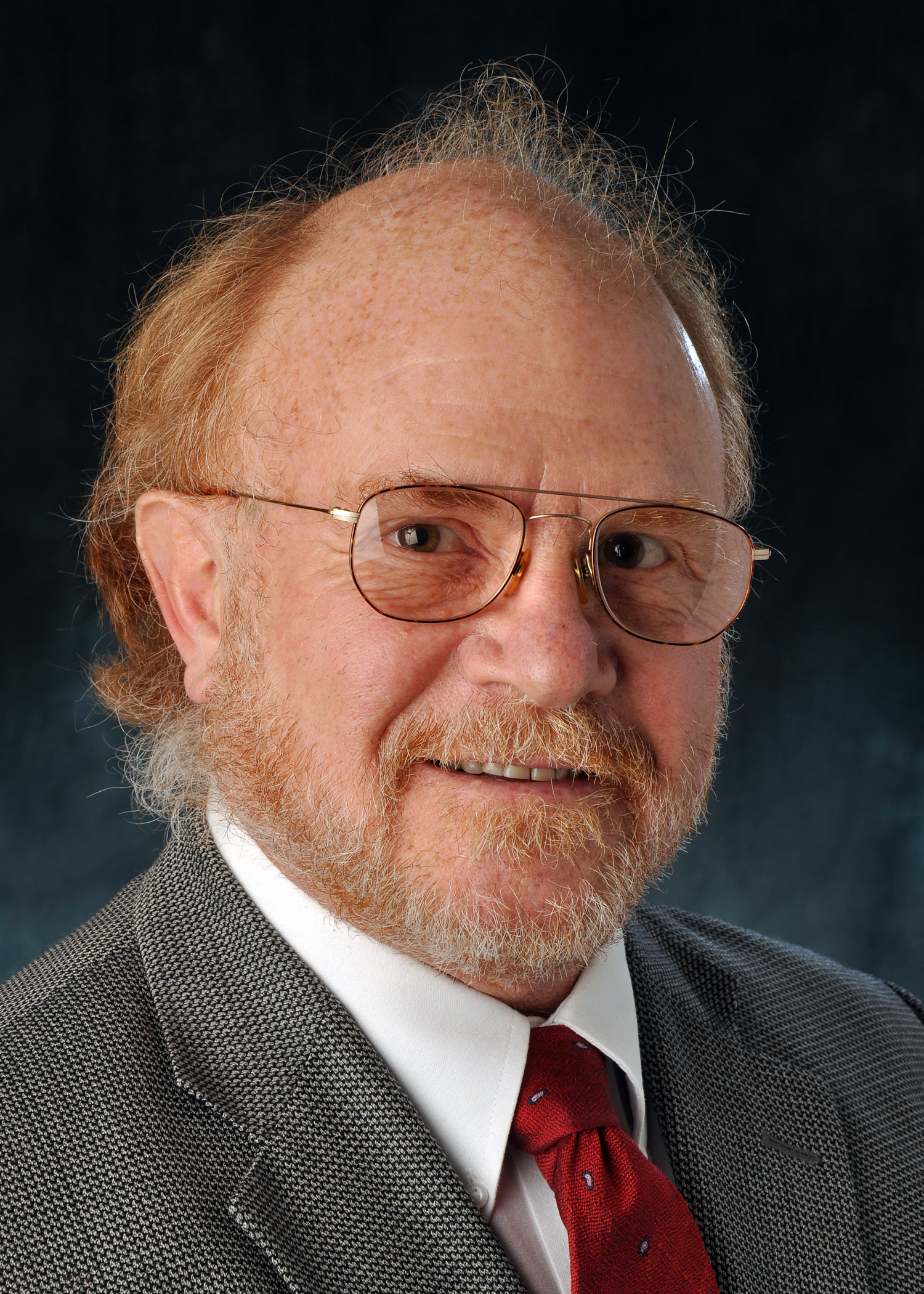
Melov reflects on the lasting impact of Johnson’s guidance: "Tom’s openness to new ideas and his commitment to careful, rigorous experimentation set an example that has shaped my scientific approach ever since. His mentorship helped start what has now been nearly forty years of research into the biology of aging – an extraordinary and rewarding journey." This testament highlights the profound and enduring influence Johnson had not only on individual careers but on the entire trajectory of aging research.
The Scientific and Societal Implications
The implications of Tom Johnson’s discoveries are vast and continue to unfold. His work provided the foundational evidence that aging is a biological process amenable to scientific intervention. This realization was a critical turning point, transforming aging from a passive observation into an active area of scientific inquiry. This shift catalyzed the development of "geroscience," a multidisciplinary field dedicated to understanding the biological mechanisms of aging and developing interventions to promote healthspan – the period of life spent in good health.
The Buck Institute, now a leading center for research on aging, owes a significant debt to Johnson’s pioneering efforts. Its intellectual framework and scientific direction are directly traceable to the foundational discoveries made in Johnson’s lab. The ability to extend lifespan by over 50% in a model organism through genetic manipulation opened up entirely new avenues of research, including the investigation of pathways such as insulin/IGF-1 signaling, TOR, and sirtuins, all of which have since been implicated in longevity across a wide range of species.
The evidence now unequivocally demonstrates that Tom Johnson’s lab made one of the most significant discoveries of the 20th century. It provided the empirical bedrock upon which the entire field of geroscience has been constructed. His work shifted the scientific paradigm, moving aging research from a descriptive discipline to an interventionist one. This transition has profound implications for public health, promising a future where interventions can not only extend lifespan but, more importantly, enhance the quality of those extended years by delaying or preventing age-related diseases.
A Legacy of Scientific Courage and Impact
Tom Johnson’s passing marks the end of an era, but his intellectual legacy will continue to inspire and guide the scientific community for decades to come. His willingness to challenge conventional wisdom, his commitment to rigorous scientific methodology, and his profound impact on the lives and careers of numerous scientists solidify his position as one of the most important figures in the history of aging research.
The ability to directly manipulate lifespan, once a mere speculative notion, became a tangible scientific reality thanks to Tom Johnson. His work has not only expanded our fundamental understanding of biology but has also ignited hope for a future where aging is a more graceful and healthy process for all. The ongoing efforts in geroscience, aimed at understanding and mitigating the cellular and molecular drivers of aging, are a direct continuation of the path blazed by Tom Johnson, a true visionary whose contributions will continue to resonate through scientific progress and societal well-being. His journey, from a researcher challenging the status quo to a celebrated pioneer, serves as a powerful testament to the impact of scientific curiosity, perseverance, and a willingness to explore the seemingly impossible.
Related posts: