Serotonin Signaling and Heart Valve Disease: Research Unveils How Chemical Messengers and Antidepressants May Influence Cardiac Remodeling

A multicenter investigation led by researchers at Columbia University’s Department of Surgery has uncovered evidence suggesting that serotonin, a chemical typically associated with mood and sleep, plays a significant role in the progression of heart valve disease. The study, published in Science Translational Medicine, found that reduced activity of the serotonin transporter (SERT) may accelerate damaging structural changes in the mitral valve, particularly in patients already affected by degenerative mitral regurgitation (DMR). This finding has sparked a multi-year wave of research, extending from 2023 into 2026, aimed at understanding how one of the world’s most commonly prescribed classes of medications—selective serotonin reuptake inhibitors (SSRIs)—might interact with cardiac health in vulnerable populations.
The initial 2023 study was a collaborative effort involving the Pediatric Heart Valve Center at Children’s Hospital of Philadelphia (CHOP), the University of Pennsylvania, and the Valley Hospital Heart Institute. Supported by the National Heart, Lung, and Blood Institute, the research was co-led by Giovanni Ferrari, PhD, of Columbia University, and Robert J. Levy, MD, of CHOP. Their work suggests that for a specific subset of patients with a genetic predisposition or pre-existing valve damage, the way the body processes serotonin could dictate the speed at which they require life-saving surgery.
The Critical Mechanics of the Mitral Valve
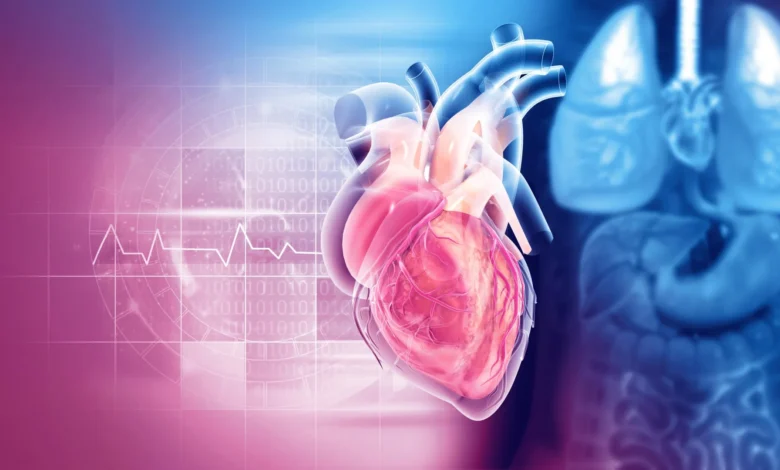
To understand the implications of this research, it is essential to recognize the vital role of the mitral valve. Located between the heart’s left atrium and left ventricle, the mitral valve acts as a sophisticated one-way gate. Its primary function is to ensure that oxygen-rich blood, returning from the lungs to the left atrium, flows into the left ventricle without leaking backward when the ventricle contracts to pump blood to the rest of the body.
Degenerative mitral regurgitation (DMR) is a condition where the valve’s flaps—or leaflets—become thickened, stretched, or distorted. This prevents a tight seal, leading to "regurgitation," where blood leaks back into the upper chamber. Over time, this backward flow increases pressure in the pulmonary veins and forces the heart to work significantly harder to maintain circulation. If left untreated, the resulting strain can lead to atrial fibrillation, a dangerous irregular heart rhythm, or congestive heart failure. While medications can manage symptoms like fatigue and shortness of breath, they cannot stop or reverse the physical deterioration of the valve tissue. Currently, the only definitive treatment for severe DMR is surgical repair or replacement.
Serotonin Beyond the Brain
While serotonin is most famous as a neurotransmitter that regulates mood, anxiety, and happiness, the vast majority of the body’s serotonin is actually found in the gut and the blood. It is a versatile messenger involved in digestion, bone health, wound healing, and blood clotting.
The communication between serotonin and the body’s cells is mediated by receptors on the cell surface and a specific protein known as the serotonin transporter (SERT). SERT is responsible for "reuptake"—the process of carrying serotonin back into the cell to terminate a signal and recycle the chemical. SSRIs, such as fluoxetine (Prozac) and sertraline (Zoloft), work by inhibiting this transporter, thereby increasing the amount of serotonin available outside the cells. While this is often beneficial for treating depression and anxiety, the Columbia-led research team questioned whether reducing SERT activity in the heart might have unintended consequences for valve tissue.
Investigating the Link: 9,000 Patients and Mouse Models
The research team employed a comprehensive approach, combining clinical data analysis with laboratory experiments. They reviewed the medical records of more than 9,000 patients who had undergone surgery for DMR. The results were striking: patients who were taking SSRIs at the time of their diagnosis tended to require surgery at a younger age than those who were not.
"Studying the data of these patients, we found that taking SSRIs was associated with severe mitral regurgitation that needed to be treated with surgery at a younger age than for patients not taking SSRIs," explained Giovanni Ferrari, scientific director of the Cardiothoracic Research Program at Columbia.
To determine if this was a causal relationship or merely a correlation, the researchers turned to animal models and human tissue biopsies. They studied transgenic mice engineered to lack the SERT gene. These mice developed significantly thicker mitral valves compared to their healthy counterparts. Furthermore, when normal mice were treated with high doses of SSRIs, they also exhibited structural remodeling of the valve tissue. These findings provided biological evidence that low SERT activity directly contributes to the thickening and deformation of heart valves.
The Genetic Component: The 5-HTTLPR Variant
A pivotal discovery in the 2023 study was the role of a specific genetic region called 5-HTTLPR, which controls the activity level of the serotonin transporter. The researchers identified a "long" variant of this gene that is associated with lower SERT activity.
Patients who inherited two copies of this "long" variant (the "long-long" genotype) were found to undergo mitral valve surgery more frequently. Laboratory tests on cells taken from these patients showed that their valve tissue was hypersensitive to serotonin. When exposed to the chemical, these cells produced excessive amounts of collagen. While collagen is necessary for tissue strength, an overabundance leads to stiff, fibrous valves that cannot close properly.
Crucially, the study found that cells with the "long-long" variant were particularly sensitive to the effects of fluoxetine. This suggests a "triple threat" scenario: a patient with an already degenerating valve, who possesses the "long-long" genetic variant, and who takes an SSRI, may face a significantly accelerated path toward heart failure.
Chronology of Expanding Evidence (2024–2026)
Following the 2023 publication, the scientific community moved rapidly to explore whether these findings applied to other parts of the heart.
- 2024: The HTR2B Connection. A study published in early 2024 focused on the specific receptors that serotonin binds to in the heart. Researchers identified the HTR2B receptor as the primary driver of fibrotic changes. In mouse models with deficient SERT activity, the HTR2B receptor became overactive, leading to fibrosis not only in the valves but also in the left ventricular heart muscle.
- 2025: Evidence in Aortic Stenosis. Research shifted to the aortic valve, which controls blood flow out of the heart into the aorta. A study of 76 participants found that patients with severe aortic stenosis—a narrowing of the valve—had significantly higher serum levels of serotonin compared to healthy controls. This suggested that serotonin’s impact was not limited to the mitral valve but was a broader factor in valvular heart disease.
- 2026: Experimental Drug Targets and Meta-Analysis. In February 2026, a study using an experimental compound designed to block the HTR2B receptor showed promise in mice. By blocking this specific receptor, researchers were able to preserve valve structure and prevent the early stages of fibrosis. Simultaneously, a massive systematic review and meta-analysis of clinical studies reported that drugs modifying SERT activity were associated with a nearly threefold increase in the odds of developing heart valve disease (odds ratio of 2.76).
Implications for Clinical Practice and Precision Medicine
The accumulation of data since 2023 has led to a call for a more personalized approach to cardiology and mental health. The researchers proposed that a simple DNA test, using a blood sample or mouth swab to identify the 5-HTTLPR "long-long" variant, could help guide treatment.
"Assessing patients with DMR for low SERT activity may help identify patients who may need mitral valve surgery earlier," said Ferrari. "Promptly fixing a mitral valve that is very leaky would protect the heart and could prevent congestive heart failure."
However, this transition to genetic testing in cardiology is not yet standard. Current medical guidelines from organizations like the American Heart Association (AHA) continue to rely on traditional imaging (echocardiograms) and symptom reporting. Clinical trials are still needed to prove that changing a patient’s antidepressant or increasing monitoring based on a genetic test actually improves long-term outcomes.
A Balanced Perspective for Patients
It is vital to note that the researchers are not advocating for a blanket rejection of SSRIs. These medications remain a cornerstone of treatment for clinical depression and anxiety, conditions that carry their own significant health risks.
The 2023 study found that healthy mitral valves—those with no prior signs of degeneration—were largely unaffected by low SERT activity or SSRI use. The risk appears to be concentrated in patients whose valves have already begun to change shape or leak. Ferrari emphasized that "a healthy mitral valve can probably stand low SERT activity without deforming."
Furthermore, patients should never discontinue or alter their antidepressant regimen without consulting their physician. The psychological impact of untreated depression can have severe secondary effects on cardiovascular health, including increased blood pressure and heart rate.
Conclusion: Toward a New Frontier in Valvular Care
The research spanning 2023 to 2026 has transformed serotonin from a "brain chemical" into a key player in cardiovascular pathology. While the link between serotonin and heart valves was first glimpsed decades ago (notably in "Fen-Phen" diet pill complications), this new body of work provides a precise molecular and genetic roadmap of how the process occurs in common heart disease.
The future of this research lies in two areas: the validation of HTR2B blockers as a potential new class of heart medication and the integration of genetic screening for patients with early-stage valve disease. By identifying those most at risk of rapid progression, doctors may finally be able to move from reactive surgery to proactive, precision-based management of the heart’s most critical gates. For now, the findings serve as a compelling reminder of the intricate, often unexpected connections between the chemistry of the mind and the mechanics of the heart.