The landscape of Korean entertainment is constantly evolving, with new talents emerging and capturing the hearts of global audiences. Among these rising stars, Kim Jae Won has rapidly carved out a significant niche, particularly within the romantic and mystery genres of K-dramas. His compelling performances, often imbued with a nuanced depth, have positioned him as a noteworthy actor to watch. This article delves into Kim Jae Won’s burgeoning career, exploring his educational background, his swift ascent in the industry, and a comprehensive overview of his notable drama roles that have contributed to his growing acclaim.
Kim Jae Won, a 25-year-old actor, possesses a foundation in the arts that significantly informs his acting prowess. His commitment to honing his craft is further evidenced by his ongoing pursuit of an Acting degree at Chung-Ang University, a prestigious institution renowned for its performing arts programs. This academic rigor, combined with natural talent, has undoubtedly contributed to the consistent success of his drama projects, drawing viewers into the intricate narratives he helps bring to life.
His professional journey began in 2018 as a model, a role that likely honed his stage presence and ability to convey emotion through visual storytelling. Within three years, by 2021, Kim Jae Won transitioned into the demanding world of acting. Despite being a relatively new entrant to the competitive Korean entertainment industry, his progress has been remarkably swift and impactful. This rapid advancement suggests a strong work ethic, a keen understanding of character development, and an innate ability to connect with audiences.
A significant early milestone in his acting career was landing a leading role in the web drama Love From Home. This pivotal project not only showcased his potential but also served as a springboard for subsequent opportunities. The success of Love From Home paved the way for his involvement in other prominent Korean dramas, including the highly anticipated Yumi’s Cells Season 3. To date, Kim Jae Won has shared the screen with a constellation of talented actors and actresses across nine distinct and highly-regarded Korean drama productions, solidifying his presence and versatility.
A Chronological Journey Through Kim Jae Won’s Drama Portfolio
The following sections provide an in-depth look at each of Kim Jae Won’s drama appearances, offering insights into their storylines and his contributions to their success.

1. Love From Home (2021)
Love From Home is a poignant drama that emerged during the global pandemic, reflecting the realities of a world heavily reliant on digital communication. The narrative centers on a Filipino English teacher who operates an online classroom from her home. Her life takes an interesting turn when she gains a new student from South Korea. This student exhibits a profound interest in the Philippines, encompassing its language, culture, and daily life. The structured environment of online lessons gradually evolves into a more personal exchange, as both teacher and student begin to share not only academic knowledge but also updates on their lives, aspirations, and emotions. Despite the physical distance and differing time zones, a warm and deep emotional connection blossoms between them, highlighting the power of human connection in overcoming geographical barriers. This web drama marked Kim Jae Won’s significant debut in a leading role, setting a positive trajectory for his acting career.
2. Romanced (2021)
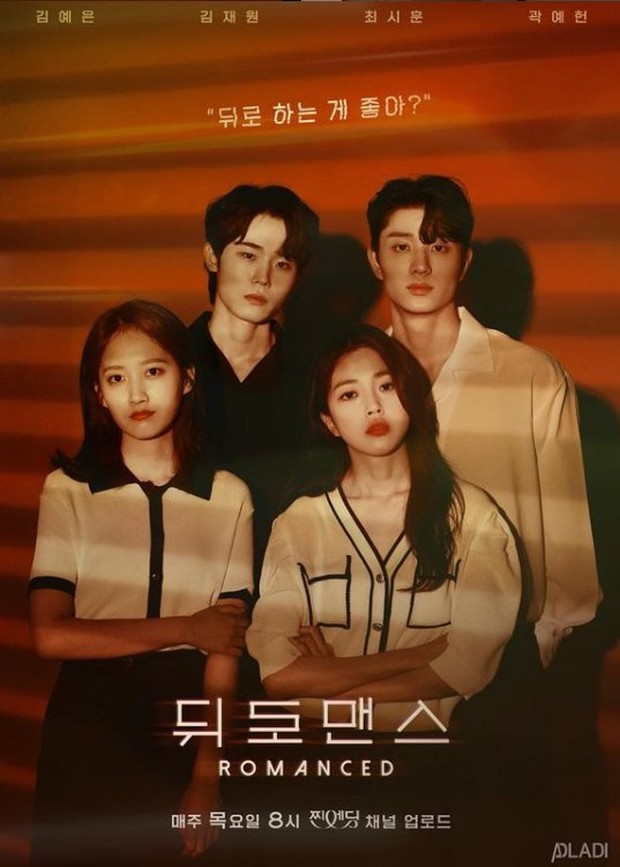
Set against the backdrop of the theater world, Romanced is a drama that intricately weaves a tale of love shrouded in mystery and secrets. The plot is initiated by a staged act of revenge, orchestrated by two enigmatic individuals who maintain their anonymity. On stage, they embody characters locked in intense conflict and emotional turmoil. However, their relationship extends far beyond the confines of the performance, developing into a deep bond that gradually becomes complex. As the narrative progresses, the lines between acting and reality begin to blur, leading to the gradual unveiling of their hidden secrets. These revelations, in turn, trigger new conflicts, intensely testing the trust, emotions, and initial intentions that shaped their clandestine affair. The drama explores the blurred boundaries between performance and personal life, and how deeply intertwined relationships can become when layered with secrets.
3. Dream Maker (2022)
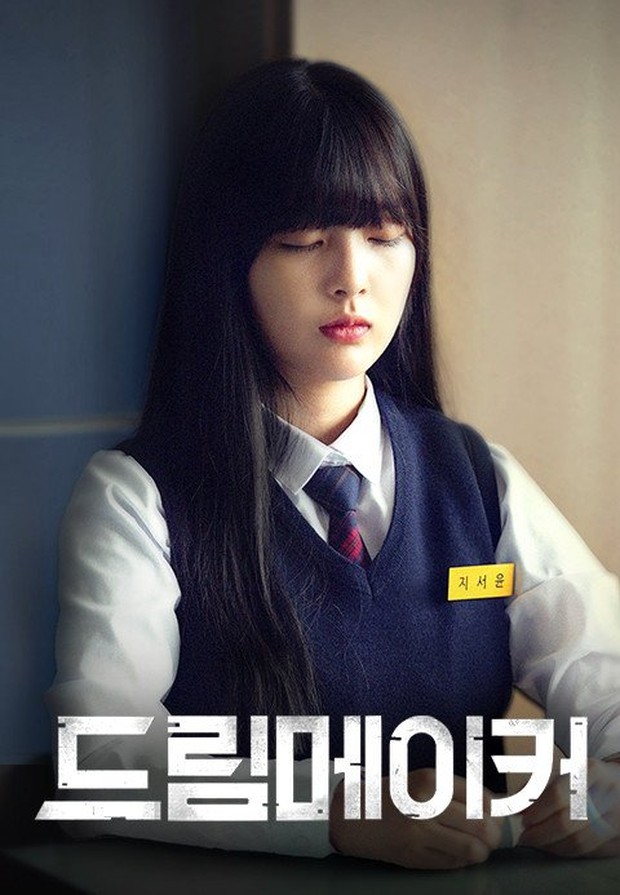
Dream Maker stands out in Kim Jae Won’s filmography as his sole venture into the science fiction genre. This drama delves into profound themes of dreams, human ambition, and the ethical implications of advanced technology. The central protagonist becomes involved in the development of cutting-edge technology designed to manipulate or actualize dreams into reality. This groundbreaking innovation, however, proves to be a catalyst for complex and convoluted conflicts. Many voices rise in opposition to this technology, citing the potential unforeseen consequences of forcibly manifesting dreams. Ultimately, the protagonist is thrust into a significant dilemma, forced to confront the reality that the dreams he strives to achieve might necessitate sacrifices from the lives of those around him. The drama offers a thought-provoking exploration of the human desire to achieve dreams and the ethical tightrope walk associated with technological advancements that can alter reality.
4. Fall for You (2022)
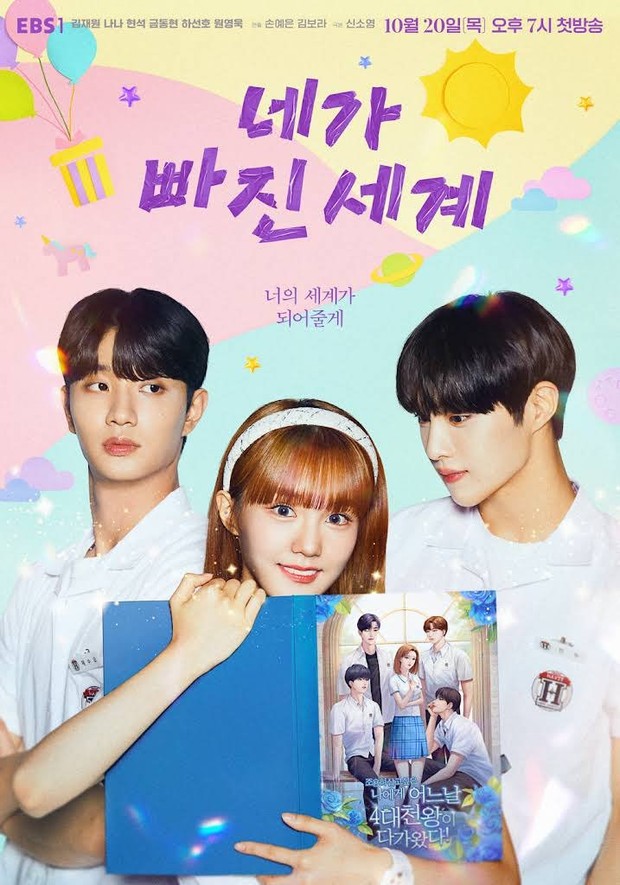
In Fall for You, Kim Jae Won portrays Yoo Jae Bi, an idol navigating the intense scrutiny of public life. Alongside her burgeoning popularity, she grapples with immense pressure, including a relentless barrage of malicious comments and criticism. Emotionally exhausted, Yoo Jae Bi finds solace and an escape in reading romance novels. Through these fictional narratives, she begins to rediscover and understand her own feelings, the concept of love, and the essence of life, aspects that had been overlooked due to her demanding career. The experiences derived from the novels contribute to her personal growth, transforming her into a more appreciative individual who cherishes life, love, and affection. This drama highlights the importance of self-discovery and finding balance amidst the pressures of fame.
5. Stealer: The Treasure Keeper (2023)
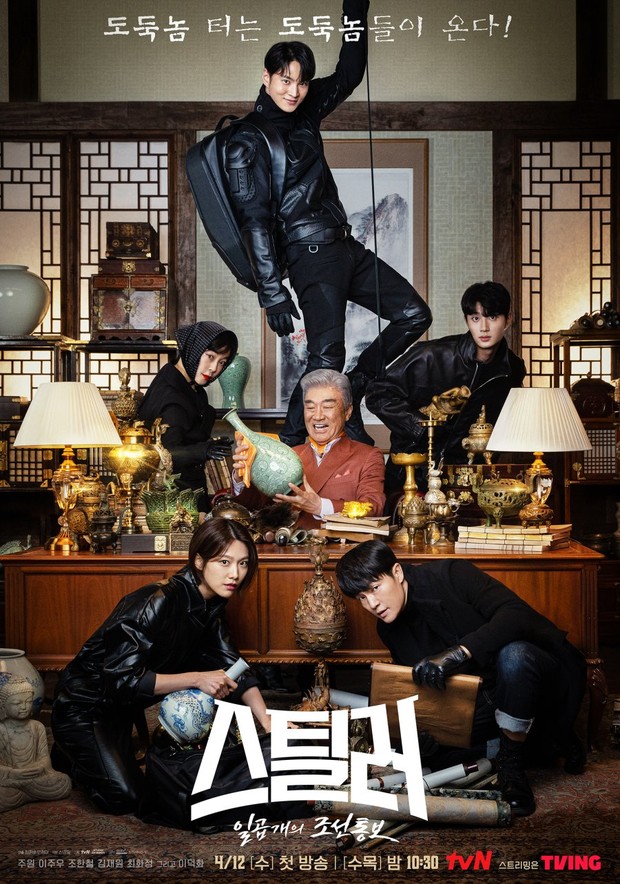
Stealer: The Treasure Keeper presents Kim Jae Won in a dual role, portraying Hwang Dae Myung, who secretly operates as a mysterious thief alongside his clandestine group known as "Skunk." By day, Dae Myung is a civil servant, but by night, he and his team aggressively target illegal collectors and syndicates involved in the illicit trade of Korean historical artifacts. Dae Myung becomes an integral part of a covert unit called the "Karma Team," dedicated to the illegal recovery of lost cultural assets. Their mission escalates in danger when they encounter a ruthless criminal organization with its sights set on immensely valuable historical treasures. The situation is further complicated by a police investigation into a series of thefts. Dae Myung finds himself in a precarious position, forced to maintain his hidden identity while grappling with the moral complexities of operating between the law and the pursuit of justice. The drama offers an action-packed narrative with a strong emphasis on cultural preservation and the moral ambiguities of vigilantism.
6. Hierarchy (2024)
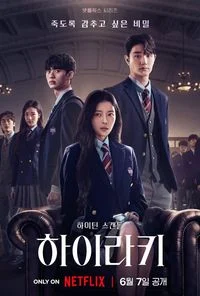
Hierarchy, released in 2024, is a drama that plunges into the elite world of Jooshin High School, an exclusive private institution where students from conglomerate families wield absolute power. Jung Jae I, a student at this prestigious school, harbors a significant secret. He is not only from a chaebol family but is also considered the most revered student within the school’s rigid hierarchy. The carefully controlled school environment begins to unravel with the arrival of a transfer student named Kang Ha, admitted through a scholarship program. Unbeknownst to others, Kang Ha carries his own profound secrets and a motive for revenge tied to his twin sibling’s experiences at the school. Kang Ha’s presence ultimately exposes a series of dark secrets, affairs, and instances of violence that have been concealed by the school’s elite students, including those closely guarded by Jung Jae I. The series explores themes of power, privilege, secrets, and the quest for justice within an exclusive social stratum.
7. The Tale of Lady Ok (2024)
Set in the historical Joseon era, The Tale of Lady Ok introduces Ok Tae Yeong, also known as Lady Ok, a legal expert renowned for her impeccable persona. Lady Ok is depicted as exceptionally intelligent, possessing a strong work ethic, and exhibiting athleticism. She is known for her unwavering willingness to assist others, even in challenging circumstances. However, beneath this façade of perfection lies a deeply guarded secret: her name, her husband, and her social standing are all fabricated. She has meticulously maintained this deception, even from those who hold her in high regard. Her life takes a significant turn when she encounters Cheon Seung Wi, a traveling storyteller who roams the country reciting novels to people. Their chance meeting blossoms into love at first sight, initiating a beautiful journey of romance. The drama offers a compelling blend of historical setting, mystery, and a developing love story, exploring themes of identity and deception.
8. Yumi’s Cells Season 3 (2026)
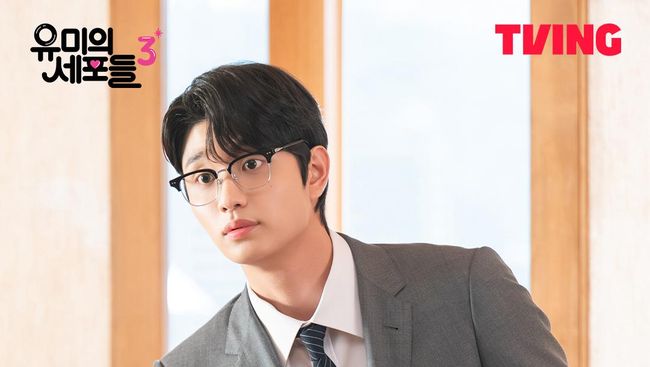
Yumi’s Cells Season 3 is Kim Jae Won’s most recent and currently airing drama. Building upon the engaging narratives of its preceding seasons, the third installment continues to captivate audiences, with Kim Jae Won’s portrayal of Kim Yumi’s husband garnering significant attention from fans. This season chronicles Kim Yumi’s successful evolution from a conventional office worker to a celebrated romantic novelist. Amidst her personal and professional journey, Yumi encounters Shin Sun Rok, a producer at her workplace. Their burgeoning relationship revitalizes Yumi’s "cells," which had been relatively dormant following the emotional setbacks of previous seasons. The quiet demeanor of Shin Sun Rok unexpectedly captures Yumi’s affection, leading her to contemplate marriage. The drama, known for its unique depiction of a protagonist’s internal world through animated cells, continues to explore the complexities of relationships and personal growth.
Supporting Data and Industry Context
The rapid ascent of actors like Kim Jae Won is reflective of broader trends within the K-drama industry. The global demand for Korean content, fueled by streaming platforms like Netflix, Viki, and others, has created a fertile ground for emerging talent. Data from Statista indicates a consistent year-over-year growth in the global streaming market for Korean content, with projections showing continued expansion. This increasing demand necessitates a robust pipeline of actors capable of portraying diverse characters and engaging international audiences.
Kim Jae Won’s educational background at Chung-Ang University aligns with a growing emphasis on formal training among aspiring actors in South Korea. Universities with strong drama departments often cultivate a disciplined approach to acting, equipping students with theoretical knowledge and practical skills essential for navigating the industry. This commitment to education, as seen in Kim Jae Won’s case, often translates into a more profound understanding of character motivation and emotional range, which are crucial for delivering memorable performances.
Analysis and Implications
Kim Jae Won’s career trajectory exemplifies the potential for rapid advancement in the contemporary K-drama landscape. His ability to transition from modeling to acting and quickly secure leading roles suggests a potent combination of talent, marketability, and strategic career choices. The diversity of his roles, spanning from contemporary romance and mystery to historical dramas and science fiction, indicates a willingness to explore different genres and challenge himself as an actor.
The success of Love From Home as a web drama also underscores the evolving nature of content distribution. Web dramas, often produced with more flexible budgets and targeting specific online demographics, have become a crucial testing ground for new actors and narratives. Their accessibility on various digital platforms allows for wider reach and quicker audience feedback, potentially accelerating an actor’s rise to prominence.
Furthermore, his inclusion in a high-profile series like Yumi’s Cells Season 3 signifies his growing recognition and the trust placed in him by established production houses and broadcasting networks. The success of Yumi’s Cells franchise, which has garnered a significant international following, provides a substantial platform for any actor involved, further cementing their position in the industry.
As Kim Jae Won continues to take on new projects, his career is likely to be closely watched by industry observers and fans alike. His consistent performance and diverse role selection suggest a promising future, with the potential to become one of the leading figures in the next generation of Korean drama stars. The continued global appetite for K-dramas ensures that actors like Kim Jae Won, who possess both talent and a compelling presence, will have ample opportunities to shine on the international stage. His journey serves as an inspiring narrative of dedication, artistic development, and the impactful possibilities within the dynamic world of Korean entertainment.