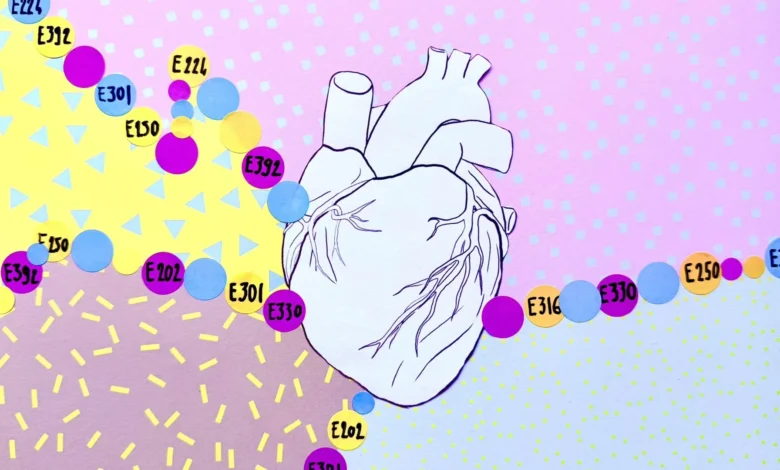
The findings, which emerge from one of the most comprehensive nutritional studies to date, cast a critical eye on the chemical additives that serve as the backbone of the modern global food supply chain. By analyzing the long-term health outcomes of over 112,000 individuals, the study, led by the French National Institute for Health and Medical Research (INSERM) and the Nutritional Epidemiology Research Team at the Université Sorbonne Paris Nord, provides the first substantial human-based evidence linking specific preservative categories to chronic cardiovascular dysfunction.
The Ubiquity of Additives in the Modern Diet
Preservatives have long been heralded as a miracle of modern food science. By inhibiting the proliferation of pathogens like Clostridium botulinum and preventing the oxidative rancidity that renders fats unpalatable, these compounds have allowed for a globalized food system where shelf-stable products can be transported across continents and stored for months. However, the convenience of the modern diet may come at a hidden physiological cost.
The researchers, led by Dr. Mathilde Touvier and PhD candidate Anaïs Hasenbähler, emphasize that while experimental studies on animals have previously hinted at the potential toxicity of specific additives, human data has remained conspicuously sparse. The NutriNet-Santé project, an ongoing, massive-scale cohort study, provided the perfect mechanism to bridge this gap. Participants in the study provided rigorous, repeated 24-hour dietary records over several years, allowing the research team to create a granular map of individual exposure to a spectrum of additives, ranging from common antioxidants to non-antioxidant antimicrobial agents.
A Longitudinal Investigation: Methodology and Scope
The research spanned an average follow-up period of seven to eight years, a timeframe sufficient to observe the development of chronic conditions like hypertension, heart attack, stroke, and angina. The study’s methodology was intentionally robust; by requiring participants to log their consumption in three-day windows every six months, the researchers bypassed the pitfalls of memory-based dietary surveys, which often suffer from recall bias.
The data revealed a staggering reality: 99.5% of the 112,395 volunteers were exposed to at least one food preservative within the first two years of the study. This near-universal consumption highlights the difficulty of avoiding these substances in a food landscape dominated by ultra-processed products. The researchers categorized these additives into two primary groups based on their function: antioxidants, which prevent chemical degradation and browning, and non-antioxidants, which primarily prevent microbial spoilage.
Quantifying the Risk: Statistical Associations
The results of the analysis suggest a linear, dose-dependent relationship between high intake of specific additives and adverse health outcomes. Participants in the highest quintile of non-antioxidant preservative consumption faced a 29% increased risk of developing hypertension compared to their counterparts in the lowest quintile. Furthermore, this group exhibited a 16% higher risk of experiencing major cardiovascular events, including stroke and angina.
Antioxidant preservatives were not without their own risks. High intake of these substances—which include compounds often perceived as harmless, such as citric acid—was associated with a 22% higher risk of hypertension. The study isolated 17 specific additives that were most frequently consumed by the cohort, identifying eight that bore the strongest correlation to elevated blood pressure:
- Potassium sorbate (E202)
- Potassium metabisulphite (E224)
- Sodium nitrite (E250)
- Ascorbic acid (E300)
- Sodium ascorbate (E301)
- Sodium erythorbate (E316)
- Citric acid (E330)
- Extracts of rosemary (E392)
Of these, ascorbic acid (E300) was uniquely linked to a higher risk of broader cardiovascular disease, warranting further investigation into its systemic effects when consumed in high, processed-food concentrations.
Biological Mechanisms: Why Additives May Cause Harm
The research team suggests several biological pathways through which these additives might affect human health. A leading hypothesis involves the induction of oxidative stress. When the body is bombarded with certain chemicals, the production of reactive oxygen species can exceed the capacity of endogenous antioxidants to neutralize them. This state of oxidative stress is a known precursor to endothelial dysfunction, the stiffening of arteries, and the systemic inflammation that drives cardiovascular disease.
Furthermore, the potential impact on the pancreas remains a significant area of concern. Because the pancreas is a vital hub for metabolic regulation and insulin production, any chronic, low-level disruption caused by food additives could have cascading effects on blood sugar regulation and lipid metabolism. The researchers are now shifting their focus toward the gut microbiota—the complex ecosystem of bacteria in the digestive tract. Emerging evidence suggests that certain additives may alter the composition of the gut microbiome, which in turn influences immune response and cardiovascular health.
Implications for Regulatory Oversight and Public Health
The publication of this study in the European Heart Journal has sparked a necessary conversation regarding the current regulatory frameworks governing food safety. Authorities such as the European Food Safety Authority (EFSA) and the U.S. Food and Drug Administration (FDA) typically assess the safety of food additives on an individual basis, often focusing on acute toxicity or mutagenicity. However, this study underscores the necessity of evaluating the cumulative, long-term impact of a "cocktail" of additives consumed daily over decades.
Dr. Touvier has been vocal about the need for a re-evaluation of current guidelines. While she acknowledges that the study is observational—and therefore cannot definitively prove causation—the strength of the statistical association and the consistency of the findings with experimental data present a compelling case for policy change. "These results suggest we need a re-evaluation of the risks and benefits of these food additives by the authorities in charge," Dr. Touvier noted. "In the meantime, these findings support existing recommendations to favor non-processed and minimally processed foods."
The Challenges of Modern Dietary Habits
For the average consumer, the implications are both practical and daunting. In a market where ultra-processed foods are often the most affordable and accessible options, reducing exposure to preservatives requires a significant lifestyle shift. Public health advocates argue that the burden should not fall solely on the consumer. Instead, they suggest that labeling should become more transparent, and that food manufacturers should be incentivized to reformulate products to reduce their reliance on synthetic additives.
Critics of the study, and some industry representatives, might argue that the associations found are confounded by other lifestyle factors, such as socioeconomic status or general dietary patterns (e.g., higher intake of sodium or lower intake of fiber). However, the researchers noted that they adjusted their models for a wide array of potential confounders, including age, sex, BMI, smoking status, physical activity, and total energy intake, as well as the consumption of other nutrients like sodium, saturated fats, and sugar. Even after these adjustments, the correlation between preservative intake and cardiovascular risk remained statistically significant.
Future Research and Scientific Direction
The scientific community is now looking toward the next phase of this research. With the NutriNet-Santé project continuing to collect data, the researchers intend to delve deeper into the interplay between additives and systemic inflammation. By analyzing blood markers of inflammation alongside dietary logs, the team hopes to confirm whether the observed risks are indeed mediated by the physiological processes hypothesized in their current paper.
Furthermore, the focus on the gut microbiome represents the cutting edge of nutritional epidemiology. As we learn more about the "gut-heart axis," the potential for food additives to disrupt beneficial microbial communities could provide a definitive explanation for the rise in non-communicable diseases.
Conclusion: A Call for Precautionary Action
The findings from this study represent a potential paradigm shift in how we understand the relationship between food technology and human health. While preservatives have undoubtedly played a role in reducing foodborne illness and waste, their long-term impact on the cardiovascular system can no longer be ignored.
For healthcare professionals, the message is clear: when counseling patients on heart health, the conversation must extend beyond just caloric and sodium intake to include the quality and processing level of the food consumed. Until more conclusive data is available, the precautionary principle—favoring fresh, whole foods over those with long, unrecognizable ingredient lists—remains the most effective strategy for mitigating risk. As regulatory bodies begin to review these findings, the hope is that public health policy will evolve to ensure that the longevity of our food supply does not come at the expense of our own.