Faces of Discovery: Vineeta Tanwar Translates Aging Biology into Real-World Clinical Studies

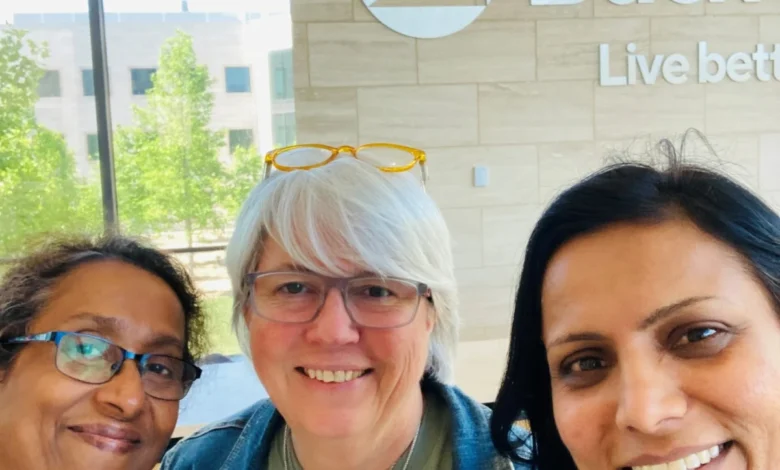
The Buck Institute, a world-renowned leader in aging research, is consistently at the forefront of scientific discovery, a mission driven by the dedication and expertise of its scientists. In its monthly "Faces of Discovery" series, the Buck Blog shines a spotlight on the researchers unraveling the intricate mysteries of aging and pioneering innovative strategies to enhance human healthspan and longevity. This month, the series features Vineeta Tanwar, a scientist whose journey has taken her from the bustling academic centers of New Delhi and Nashville to the research hub of Columbus, Ohio, and now to Novato, California, where she is translating complex aging biology into tangible clinical applications.
Tanwar’s academic trajectory is marked by a deep commitment to understanding fundamental biological processes. After obtaining her PhD from the All India Institute of Medical Sciences (AIIMS) in New Delhi, a prestigious institution renowned for its rigorous medical and scientific training, she pursued postdoctoral research at Vanderbilt University. There, her work focused on the transformative potential of stem cells, specifically their differentiation into functional cardiac cells. This area of research, aiming to regenerate damaged heart tissue, holds immense promise for treating cardiovascular diseases, a leading cause of mortality globally. The ability to coax stem cells into becoming beating heart cells, a process that continues to captivate researchers, formed a significant part of her early scientific exploration.

Her scientific inquiry then led her to The Ohio State University, where her research interests broadened to encompass the impact of environmental factors on human health. Tanwar delved into how air pollution and other environmental exposures can influence the health of the heart and lungs. This investigation into external stressors and their long-term physiological consequences is critical, given the increasing evidence linking environmental quality to chronic disease prevalence. Understanding these connections is vital for public health initiatives and policy-making aimed at mitigating the detrimental effects of environmental degradation on human well-being.
Now at the Buck Institute, Tanwar is channeling her diverse research experiences into a singular, impactful mission: translating the fundamental principles of aging biology into practical, real-world clinical studies. Her driving philosophy is that aging is not merely an inevitable decline but a dynamic process that can be measured, understood, and potentially influenced for the better. This paradigm shift from viewing aging as a passive event to an active biological process that can be modulated is a cornerstone of modern gerontology. Tanwar’s work embodies this forward-thinking approach, seeking to intervene in the aging process itself rather than solely treating age-related diseases after they manifest.
The Genesis of Curiosity: A Lifelong Fascination with the World
Tanwar’s initial spark for science was ignited by an innate curiosity about her surroundings and the intricate ways in which environmental changes shape human life and the aging process. The fundamental questions of "why" and "how" were intrinsic to her thinking long before she formally embarked on a scientific career. It was during her high school years that her engagement with science transformed her perspective. She discovered that her inherent curiosity could be systematically channeled, rigorously tested, and ultimately transformed into meaningful discoveries. This realization resonated deeply with her, aligning with the sentiment expressed by physicist and comedian Tim Minchin, who described science as "simply the word we use to describe a method of organizing our curiosity."

This foundational principle continues to be the driving force behind Tanwar’s motivation. What propels her forward today is the opportunity to apply this organized curiosity to pressing real-world health challenges. Her ultimate goal is to bridge the gap between cutting-edge scientific discoveries and practical insights that can tangibly improve people’s daily lives. This translational approach is crucial for ensuring that scientific advancements do not remain confined to laboratories but translate into meaningful benefits for the broader population.
Unraveling Glycation Stress: The GRACE Study and Its Significance
At the heart of Vineeta Tanwar’s current research endeavors lies the GRACE study, an acronym for Glycation Reduction and Aging, a Clinical Evaluation. This pivotal clinical trial is specifically designed to investigate the effects of glycation stress in postmenopausal women. This demographic is often characterized by a spectrum of metabolic, hormonal, and functional shifts, including hot flashes, weight gain, and joint stiffness. Despite these common and often distressing changes, there remains a surprising paucity of targeted treatment options for women navigating this significant life transition.
The GRACE study zeroes in on glycation stress, a process Tanwar aptly describes as akin to "caramelization inside the body." This process, driven by heat and sugar, leads to the formation of sticky, cross-linked proteins that can stiffen tissues, including blood vessels and skin, thereby increasing the risk of various age-related diseases. Instead of focusing on mitigating a single symptom, the GRACE study adopts a holistic approach. It seeks to determine whether reducing this underlying glycation stress can foster healthier aging throughout the postmenopausal period. Tanwar articulates a clear measure of success for the study: "If we’re able to meaningfully improve even one or two aspects of health, whether metabolic balance, physical function, or quality of life, I would consider that a real success!" This statement underscores a pragmatic and patient-centered view of research outcomes.

The implications of the GRACE study are substantial. By targeting a fundamental molecular mechanism of aging that affects multiple physiological systems, the research holds the potential to offer a novel therapeutic avenue for a large and often underserved population. The findings could pave the way for interventions that not only alleviate specific menopausal symptoms but also contribute to long-term health and well-being by mitigating the cumulative damage associated with glycation.
A Landmark Experiment: Launching the GRACE Trial
One of the most significant milestones in Tanwar’s scientific career has been the successful launch of the GRACE trial, her inaugural clinical study. This undertaking represents the culmination of years of foundational preclinical research, meticulously translated into a rigorously designed human trial. The choice to focus on postmenopausal women is particularly noteworthy. This group occupies a unique position in the aging spectrum – neither fully elderly nor young – yet they are undergoing profound biological transformations.
Tanwar highlights a critical gap in current medical research: "There are surprisingly few clinical trials designed specifically for women at this stage of life, despite their heightened vulnerability to metabolic and aging-related changes." Designing and operationalizing a study within this population has been an immense learning experience, revealing the intricate complexities involved in translating basic aging biology into a clinical setting. Beyond traditional metabolic indicators, the GRACE trial is also evaluating innovative, non-invasive measures of aging. These include assessments of retinal aging, which can serve as a proxy for vascular and overall health, and functional performance metrics that gauge physical capabilities and independence.
This research is poised to make a dual contribution. Firstly, it will significantly advance our understanding of the aging process as it specifically affects women. Secondly, and perhaps more importantly, it is laying the groundwork for future clinical trials that aim to treat aging itself as a modifiable biological process. This represents a fundamental shift in how we approach age-related health, moving from a disease-centric model to an aging-centric model that seeks to promote healthspan proactively.
Explaining Aging Research to a Grandmother: The Essence of Tanwar’s Work
When asked to explain her research to a curious grandmother who may not have revisited biology since high school, Tanwar offers a clear and relatable analogy. She explains, "As we age, especially after menopause, our bodies handle sugar and energy less efficiently, which slowly damages tissues over time." She emphasizes that this phase of life is a critical juncture where subtle biological shifts can have significant long-term health consequences.
Her research, she clarifies, is focused on identifying "gentle, safe ways to reduce that damage before it turns into serious health problems." The core idea is to foster a smoother aging process overall, rather than treating individual diseases as they arise. This approach aligns with the growing scientific consensus that aging itself is a biological process that can be targeted for therapeutic intervention. For Tanwar, the most profound motivation stems from the knowledge that even incremental improvements can yield substantial benefits in how individuals feel and function as they age. The ultimate aspiration, she states, is "not just to live longer, but to stay healthier and more independent as we grow older." This encapsulates the essence of the "healthspan" concept – extending not just years of life, but years of healthy, active life.
The Future of Aging Research: Personalized, Preventive, and Equitable
Looking ahead, Tanwar expresses immense optimism about the trajectory of aging research. She is particularly excited by the field’s rapid evolution towards personalized and preventive care strategies. The advent of sophisticated biomarkers, wearable technology, and advanced systems biology approaches is revolutionizing our ability to measure and understand the aging process in ways that were unimaginable just a few years ago.
A significant development that fills her with hope is the increasing recognition that women’s aging biology warrants dedicated and focused study. Tanwar advocates for moving beyond research models that have historically been extrapolated from male-dominant data. She stresses the importance of understanding the unique biological changes women experience, particularly during pivotal life stages like menopause, where rapid biological shifts profoundly influence daily functioning and overall quality of life.
Within the next decade, Tanwar envisions aging science becoming increasingly integrated into routine healthcare practices. This integration, she believes, will empower individuals, especially women, to intervene earlier, more precisely, and more equitably in their aging process. This proactive and personalized approach promises to redefine what it means to age, shifting the focus from managing decline to cultivating sustained vitality and well-being. The Buck Institute’s commitment to this vision, exemplified by the work of scientists like Vineeta Tanwar, positions it at the vanguard of a new era in human health, where the goal is not simply to extend lifespan, but to enrich it with health, independence, and joy.
Related posts: