This seemingly innocuous comment, uttered by my friend Anna, a highly competent law professional known for her critical thinking and ability to cut through superficial arguments, underscored a pervasive challenge in modern health and wellness. Anna, despite her intellectual prowess, found herself ensnared in common traps that bypass even the sharpest minds. She had been vocal about her long-standing goal to lose approximately 15 pounds and expressed profound frustration over feeling "stuck" in achieving it. Her new BPA-free tupperware, she explained, was an avenue she was exploring, inspired by readings on how microplastics in food containers might disrupt hormones and contribute to weight gain.
My immediate reaction was one of mild skepticism, particularly in light of her recent admissions: struggles with gym consistency, frequent reliance on takeout, and a habit of sacrificing essential sleep for late-night "doom scrolling." When probed about more fundamental actions like consistent workouts or home-cooked meals, Anna’s response was telling: "Yeah, but I’ve tried that a thousand times. If it were that simple, it would have worked already."
Anna’s predicament is far from unique. It illustrates a widespread societal tendency to ignore or delay hard-but-worthwhile habit changes in favor of an ultra-specific, often niche, "magic bullet" promising transformative results. This phenomenon sees individuals investing hours researching the "ultimate" workout program rather than simply executing a basic routine they already know. It manifests as waiting for an elusive moment of heightened inspiration, motivation, or reduced busyness before embarking on a health journey.
The allure of such distractions is powerful. Purchasing new gear or a popular supplement creates a tangible sense of progress, even if it’s superficial. Consuming endless YouTube videos or articles about potential changes provides an illusion of productivity. And postponing action until the "right time" offers psychological comfort. Yet, despite these comforting illusions, no actual change occurs until real, consistent action is taken. Humans are adept at devising clever, often subtle, strategies to circumvent the basic, unsexy, and sometimes difficult actions that truly drive progress. This article delves into the underlying reasons for this widespread behavioral pattern and explores practical, compassionate approaches to fostering impactful, sustainable change.
The Foundational Pillars of Health: Often Overlooked
The bedrock of good health is built upon a surprisingly straightforward set of habits. These fundamental practices are universally acknowledged by public health organizations and medical professionals, yet their consistent application remains a significant challenge for the majority of the population.
1. Regular Physical Activity: Aiming for at least 30 minutes of moderate-to-vigorous exercise most days of the week, incorporating a mix of aerobic and resistance training, is crucial. The U.S. Department of Health and Human Services’ Physical Activity Guidelines for Americans recommends at least 150 minutes of moderate-intensity aerobic activity or 75 minutes of vigorous-intensity aerobic activity per week, alongside muscle-strengthening activities on two or more days. Despite these clear guidelines, only about 23% of adults meet both aerobic and muscle-strengthening guidelines, according to the Centers for Disease Control and Prevention (CDC).
2. Nutrient-Dense Diet: Prioritizing mostly nutritious, minimally-processed foods is paramount. A general guideline suggests that if 80 percent of one’s diet comprises whole or minimally-processed foods, significant health benefits can be accrued. This pragmatic approach acknowledges that "perfection" is neither necessary nor sustainable, allowing for occasional treats as part of an overall healthy eating pattern. However, data from the USDA’s Economic Research Service indicates that Americans’ diets still fall short of dietary recommendations, with significant underconsumption of fruits, vegetables, and whole grains.
3. Adequate Protein Intake: Consuming sufficient protein supports muscle mass, aids in appetite regulation, and is vital for body recomposition goals. A common recommendation ranges from 1.2 to 2.2 grams of protein per kilogram of body weight, often translating to four to six palm-sized portions of lean protein daily for most individuals. This macronutrient is essential for satiety and metabolic health, yet many diets, particularly those high in processed foods, often lack optimal protein distribution throughout the day.
4. Prioritizing Quality Sleep: Aiming for seven to eight hours of quality sleep per night is not merely a recommendation but a biological imperative. While factors influencing sleep quality can be complex, establishing a consistent sleep schedule and a wind-down routine before bed can significantly improve outcomes. Chronic sleep deprivation is linked to a myriad of health issues, including increased risk of obesity, diabetes, cardiovascular disease, and impaired cognitive function. The CDC reports that over a third of adults in the U.S. typically get less than the recommended amount of sleep.
5. Moderation or Avoidance of Harmful Substances: Reducing or avoiding excessive consumption of alcohol, drugs, and cigarettes is a non-negotiable aspect of long-term health. While often perceived as restrictive, these choices have profound impacts on nearly every bodily system, from cardiovascular health to cancer risk.
Beyond these five, other critical, though often less quantifiable, factors include fostering positive social relationships and effective stress management. However, even the basic five are rarely met concurrently by a large segment of the population. Strikingly, studies, such as one cited by the original article and supported by various public health analyses, indicate that only a small fraction—around six percent—of Americans consistently perform all five of these fundamental health behaviors. This implies that nearly 94 percent of the population struggles with the very basics, highlighting a significant public health challenge. These foundational behaviors, if consistently applied, are powerful drivers for achieving diverse goals, from weight management and enhanced athletic performance to increased longevity and overall well-being. The critical question then becomes: why is there such a profound struggle to enact them?
The Psychology of Resistance: Understanding Ambivalence
The journey toward change is rarely a straight path; it is often characterized by an internal push-and-pull, a phenomenon known as ambivalence. This describes the mixed feelings experienced when contemplating a significant shift, such as waking earlier for a less stressful morning or reducing screen time. It manifests as "I want this, and at the same time, that" – desiring healthier eating while also craving unrestricted access to favorite treats.
Closely related is resistance to change, where the internal conflict is "I want this, and at the same time, not." An individual might wish to reduce mindless phone usage but dread the anxiety that arises when left alone with their thoughts. These contradictory emotions can be frustrating and seem illogical, yet ambivalence and resistance are fundamental and normal components of the change process. Rather than signaling that a desired change is misguided, strong feelings of ambivalence and resistance often indicate that the change holds significant personal importance. In this sense, it serves as a powerful signal that the individual cares deeply about the potential transformation.
Common Barriers to Fundamental Health Habits
The widespread struggle to implement basic health habits can be attributed to several deeply ingrained psychological and societal barriers.
Barrier #1: Ambition Overload – The Trap of Grand Plans
Many individuals, when faced with dissatisfaction regarding their current health, tend to devise overly ambitious plans. A common scenario involves declaring a complete overhaul starting "next Monday": an hour of daily exercise, "clean eating" at every meal, and eight hours of sleep every night. This is often initiated by someone who currently lacks a regular exercise routine, dislikes vegetables, and routinely stays up past midnight.
The inherent flaw in this approach lies in its unrealistic scope. Such elaborate plans rarely integrate seamlessly into already busy, complex lives. Cognitive biases play a significant role here; humans frequently overestimate their future availability of time, energy, attention, and motivation. The immediate comfort derived from crafting an idealistic future plan can provide temporary relief, deferring the actual challenge to a "future self."

When these grand plans inevitably falter, individuals often resort to self-blame, attributing failure to personal shortcomings like lack of "willpower" or "discipline." This perpetuates a narrative of struggling with consistency, creating a self-fulfilling prophecy. Research in behavioral psychology consistently shows that incremental, manageable changes are far more sustainable than radical overhauls, as they build self-efficacy and reduce the cognitive load associated with new behaviors.
Barrier #2: The "Hardcore Only" Fallacy – Dismissing Simplicity
A prevalent belief, often fueled by marketing in the health and fitness industry, is that only intense, "industry-secret," or "cutting-edge" strategies yield results. The logic follows: "If getting healthy simply involved eating well, sleeping enough, and exercising moderately, everyone would already be healthy." This dismisses the profound efficacy of basic behaviors because they are widely known.
However, as highlighted earlier, the reality is that a vast majority (around 94%) of Americans are not consistently performing these most basic health behaviors. The challenge isn’t a lack of knowledge, but a lack of consistent application. If more advanced behaviors like precise macronutrient tracking, specialized supplementation, or highly specific workout protocols were added, the percentage of adherence would shrink even further.
The attraction to novel, complex, or "magical" solutions stems from their inherent intrigue and the promise of a "new outcome" or a "new us." Simple behaviors, such as eating more vegetables, can seem boring, especially if past attempts felt underwhelming. However, the pursuit of "hardcore" or "cutting-edge" methods often leads to unsustainable, inaccessible, or unproven strategies. These approaches frequently consume significant time, effort, and financial resources without a proportional return on investment, effectively distracting individuals from the consistent, simple actions that truly work. The wellness industry, valued at trillions globally, thrives on this constant pursuit of novelty, often overshadowing the fundamental truths of health.
Barrier #3: The Illusion of Perfection – Striving for the Unattainable
Another pervasive myth in health and fitness is the necessity of "perfection" to achieve and maintain optimal health. This often conjures images of an individual solely consuming organic salads and chia seeds, capable of running marathons, and waking at 5 AM for meditation and journaling.
The truth is, perfection is not only unnecessary but also an illusion. Human beings, even those in exceptional health, are susceptible to illness, minor ailments, digestive issues, the need for corrective lenses, periods of low energy, and simply bad days. No one is immune to the vagaries of life. Accepting this vulnerability can be uncomfortable, making the belief in a "perfect" routine or supplement that guarantees immunity from human suffering far more appealing.
Ironically, to achieve a realistic "best self," one must accommodate the "worst self"—the part that prefers binge-watching television over exercise or indulging in unhealthy snacks when stressed. Life is inherently unpredictable: work demands intensify, family challenges arise, or seasonal festivities encourage dietary deviations. These obstacles make sustained perfection impossible. Letting go of the illusion of a perpetually energetic, motivated, and ideal self, and instead supporting the needs of one’s real, imperfect self, is crucial for long-term success. This shift involves cultivating self-compassion and understanding that consistent effort, even if imperfect, yields far greater results than cycles of striving for perfection followed by complete abandonment.
Strategic Approaches to Sustainable Change
Recognizing these barriers is the first step; the next involves implementing effective, realistic strategies for action.
1. Defining Your "Why": The Motivational Core
Before embarking on any change, a deep exploration of underlying motivations is essential. This involves asking probing questions: "Why do I truly want this change?" "What are the deeper values or aspirations connected to this goal?" "What are the long-term consequences of not taking action?" Tools like "The 5 Whys" exercise can help uncover these deeper drivers. By understanding the profound "why," individuals can tap into a more sustainable source of intrinsic motivation, propelling them forward even when challenges arise. This intrinsic motivation is scientifically proven to be more powerful and enduring than external motivators like aesthetic goals or societal pressure.
2. Prioritizing Impactful Actions: The 80/20 Rule in Health
The principle of "doing all the things, but not all at once" is critical. Effective change necessitates focusing on actions that are realistic, impactful, and adaptable. This means identifying the essentials related to one’s goal, typically encompassing movement, nutrition, and recovery practices. Applying the Pareto Principle (80/20 rule) suggests that 80% of desired results often come from 20% of the efforts. In health, this means identifying high-leverage activities that offer the greatest return. For instance, consistently preparing simple, healthy meals at home might yield more significant results than meticulously tracking every micronutrient. Resources like a "Skills, Practices, and Daily Actions Cheat Sheet" can guide individuals in selecting specific, actionable steps within broader domains (e.g., choosing "eat to satisfied" within the "eat well intuitively" skill under "nutrition"). This structured approach helps prevent ambition overload and ensures focus on truly effective behaviors.
3. The Spectrum of Effort: From "Floor" to "Ceiling"
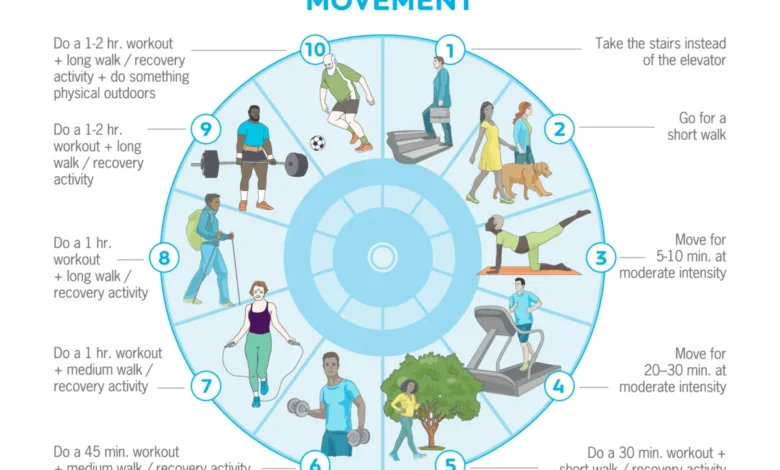
A paradigm shift from an "on" or "off" approach to health habits to a "dial" system is transformative. This involves defining a "pathetic goal" or a "floor"—the absolute minimum action one can commit to, even on their worst day. This could be five minutes of walking, ten push-ups, one extra portion of vegetables, or three conscious deep breaths before a meal. Nothing is too small as long as it constitutes something. Simultaneously, defining a "ceiling"—the maximum effort one can realistically sustain on their best day—provides a comprehensive range. This might be an hour of intense gym work, two hours of meal prep, or a 45-minute guided meditation.
This "floor-to-ceiling" approach creates a flexible range of actions that adapt to life’s unpredictable fluctuations. When life is smooth, the "dial" can be turned up. When stress or demands are high, it can be turned down to the "floor" level. The crucial insight is that even "floor" efforts "count." Doing the bare minimum is not failure; it is success within the context of a messy, real life. This concept fosters consistency by removing the all-or-nothing mindset that often leads to complete abandonment when ideal conditions are not met. The "dial" ensures continuity, building momentum and habit resilience over time.
4. Designing a Supportive Environment: Nudging Towards Health
The environment plays a profound, often underestimated, role in shaping behavior. Health professionals, whose lives are often structured around healthy habits, may overlook how their "ecosystem" facilitates their choices. As behavioral science indicates, access is a primary influencer of behavior. People living near affordable grocers tend to eat better; those far from gyms exercise less.
While not everyone can change their neighborhood, individuals can exert significant control over their immediate environments. The "kitchen makeover" is a prime example: healthy foods are washed, prepped, and prominently displayed in the fridge, while less supportive items are removed or relegated to less accessible locations. This leverages principles of "choice architecture" and "nudges," making desired actions the path of least resistance. Evaluating one’s environment through questions like: "What makes it easier to act on my goals?" "What makes it harder?" and "How can I remove obstacles or add supports?" allows for strategic environmental redesign. Investing energy in building an ecosystem that subtly encourages desired behaviors on the front end can lead to greater long-term payoffs with less effort.
Embracing "C+ Effort": The Path to Long-Term Success
For many, particularly those with perfectionistic tendencies, the concept of "C+ effort" can be jarring. However, this philosophy is central to overcoming the common barriers to health and well-being. It acknowledges and works with inherent human imperfection rather than fighting against it. Expecting perfection almost invariably leads to cycles of intense effort followed by burnout and failure.
Adopting an attitude of compassion and acceptance towards one’s human self—a self that is often trying its hardest amidst life’s complexities—allows for working with vulnerabilities rather than constantly battling them. There will be periods of achieving "A" grades in fitness, which is commendable. However, the goal is not to aim for C+, but to accept it as a valid, successful outcome when life necessitates dialing down effort. Viewing minimal effort as continued success, rather than failure, is crucial for long-term consistency.
Living a healthy, meaningful life is a continuous endeavor of striving for one’s best while embracing flexibility, acknowledging mistakes, and navigating through challenging days or seasons. The surprising truth is that "good enough," consistently applied, proves infinitely more effective and sustainable than intermittent bursts of "perfect" effort. In the long run, consistent imperfection is the true hallmark of resilient health.