Experimental Drug IC7Fc Demonstrates Significant Potential in Reducing Atherosclerosis and Cardiovascular Risk in Preclinical Trials


A groundbreaking international study has revealed that the experimental drug IC7Fc, originally developed to treat type 2 diabetes and obesity, possesses potent cardioprotective properties that could revolutionize the management of heart disease. The research, published in the prestigious journal Science Advances, indicates that the drug significantly lowers cholesterol levels and mitigates arterial inflammation, addressing the two primary drivers of atherosclerosis. Led by researchers from the Leiden University Medical Centre (LUMC) in the Netherlands and the Monash Institute of Pharmaceutical Sciences (MIPS) in Australia, the study marks a pivotal shift in how scientists view the utility of cytokine-based therapies for metabolic and cardiovascular health.
The findings arrive at a critical juncture in global health. Cardiovascular disease (CVD) remains the leading cause of death worldwide, claiming an estimated 17.9 million lives annually. While current standard-of-care treatments, such as statins and blood pressure medications, have significantly reduced mortality, a substantial "residual risk" remains for many patients. This risk is often driven by chronic inflammation and persistent lipid imbalances that existing therapies do not fully address. The discovery that IC7Fc can target both of these pathways simultaneously offers a promising new avenue for clinical intervention.
The Evolution of IC7Fc: A Scientific Chronology
The development of IC7Fc is the result of over a decade of intensive research into gp130 receptor signaling. The gp130 receptor is a transmembrane protein that serves as a crucial signaling transducer for several cytokines, most notably Interleukin-6 (IL-6) and Ciliary Neurotrophic Factor (CNTF).
In the early 2010s, researchers identified that while IL-6 is often associated with pro-inflammatory responses, it also plays a vital role in metabolic regulation, particularly during exercise. However, using IL-6 directly as a therapeutic agent was deemed too risky due to its potential to trigger systemic inflammation. To circumvent this, Professor Mark Febbraio and his team at Monash University engineered a "designer cytokine" known as IC7Fc. This molecule was designed to mimic the beneficial metabolic effects of IL-6 and CNTF—such as improved glucose clearance and fat oxidation—while avoiding the inflammatory signaling pathways that lead to tissue damage.
By 2019, preclinical trials had established IC7Fc as a powerful tool for treating type 2 diabetes. Studies showed that the drug improved insulin sensitivity and promoted weight loss in obese animal models. The latest research, spearheaded by the collaboration between Leiden and Monash, expands this scope significantly, shifting the focus from glucose management to the prevention of arterial plaque buildup, the fundamental cause of heart attacks and strokes.
Preclinical Data: Targeting the Mechanics of Atherosclerosis
The study utilized specialized mouse models, specifically APOE*3-Leiden.CETP mice. Unlike standard laboratory mice, this strain possesses a lipid metabolism profile that closely resembles that of humans, making them highly susceptible to diet-induced atherosclerosis and high cholesterol.
Over the course of the study, the mice were treated with IC7Fc to observe its impact on vascular health. The data revealed several significant outcomes:
- Reduction in Blood Fats: IC7Fc treatment led to a marked decrease in triglycerides and non-HDL cholesterol (often referred to as "bad" cholesterol).
- Plaque Stabilization: Beyond merely lowering lipid levels, the drug reduced the size and severity of fatty plaques within the aorta.
- Inflammatory Suppression: The researchers observed a decrease in the recruitment of inflammatory cells, such as macrophages, to the arterial walls. This is critical because inflammation is what often causes stable plaques to rupture, leading to acute cardiac events.
A particularly noteworthy finding was the drug’s differential impact based on the metabolic state of the subject. In previous studies involving obese mice, IC7Fc significantly reduced appetite and promoted fat loss. However, in the current study involving lean mice that were genetically predisposed to high cholesterol, the drug provided cardiovascular protection without altering food intake or body weight. This suggests that the cardioprotective benefits of IC7Fc are independent of its weight-loss properties, potentially making it a viable treatment for lean individuals suffering from chronic heart disease or genetic hypercholesterolemia.
Perspectives from the Research Leadership
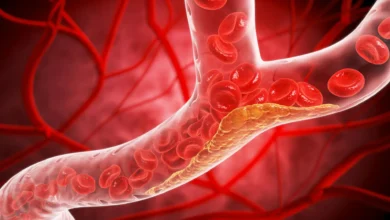
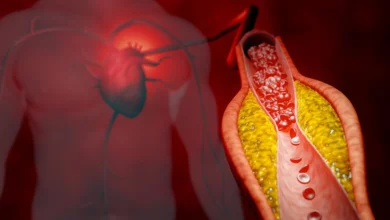
Professor Mark Febbraio, a lead author and a central figure in the drug’s long-term development at the Monash Institute of Pharmaceutical Sciences, emphasized the multifaceted nature of the drug. "Our earlier studies showed IC7Fc could help manage type 2 diabetes, a metabolic disease. This new research shows it can also reduce atherosclerosis, meaning it slows the ‘clogging’ of the arteries, where fatty deposits build up and restrict blood flow to the heart," Febbraio stated.
He further noted the limitations of current medical approaches, highlighting the necessity for innovation. "Heart disease remains the world’s biggest killer, driven largely by atherosclerosis. Even with common treatments that lower blood pressure and cholesterol, many people are still at risk, showing there’s more work to do."
Collaborators from the Leiden University Medical Centre added that the drug’s ability to target the gp130 receptor allows it to "reprogram" how the body handles lipids and inflammatory signals. By stabilizing the vascular environment, IC7Fc acts as a dual-action agent that addresses both the structural (plaque) and systemic (inflammation) components of heart disease.
Addressing the "Twin Epidemics" of Obesity and Heart Disease
The potential for IC7Fc to serve as a "dual-benefit" therapy is perhaps its most compelling attribute. Modern medicine is increasingly grappling with the "twin epidemics" of obesity and cardiovascular disease, which are intrinsically linked. Many patients who suffer from one condition are at high risk for the other.
Currently, the pharmaceutical landscape is dominated by GLP-1 receptor agonists, such as semaglutide, which have shown remarkable success in weight loss and some cardiovascular risk reduction. However, IC7Fc operates via a different biological pathway—the gp130 receptor—which may provide an alternative or complementary option for patients who do not respond well to existing therapies or who require more direct intervention against arterial inflammation.
"These results suggest IC7Fc could offer a dual benefit—helping reduce obesity in some, while protecting the heart in others," Professor Febbraio explained. "It’s an exciting step towards a treatment that targets both metabolic and cardiovascular disease."
Analysis of Implications and Future Challenges
The implications of this study extend beyond the laboratory. If IC7Fc successfully transitions to human clinical trials, it could represent a new class of "metabolic-immunotherapy." This approach recognizes that metabolic health and immune function are not separate silos but are deeply interconnected.
However, the path to clinical approval remains rigorous. While the results in mice are promising, human biology presents complexities that preclinical models cannot always capture. Future trials will need to focus on several key areas:
- Safety and Dosage: Determining the optimal dose that provides cardiovascular benefits without over-suppressing necessary immune responses.
- Long-term Efficacy: Assessing whether the reduction in plaque buildup translates to a measurable decrease in heart attacks and strokes in human populations over several years.
- Manufacturing: As a complex fusion protein, IC7Fc requires sophisticated manufacturing processes to ensure stability and consistency for large-scale distribution.
The scientific community is also looking closely at how IC7Fc might be integrated into existing treatment regimens. It is unlikely to replace statins; rather, it would likely be used as an adjunctive therapy for high-risk patients who have reached their "statin ceiling" but still exhibit high levels of systemic inflammation (measured by biomarkers like C-reactive protein).
Conclusion: A New Frontier in Preventive Cardiology
The study led by Leiden and Monash Universities provides a robust foundation for the next phase of IC7Fc’s development. By demonstrating that the drug can effectively "de-clog" arteries and soothe vascular inflammation, the research team has opened a door to a more comprehensive method of heart disease prevention.
As the global medical community continues to seek solutions for the rising tide of metabolic disorders, the versatility of IC7Fc stands out. Whether it is utilized primarily for its weight-loss capabilities in the obese or its plaque-stabilizing effects in the lean, the drug represents a sophisticated evolution in cytokine therapy. The transition from preclinical success to human application will be the next major hurdle, but the current data suggests that IC7Fc could eventually become a cornerstone in the fight against the world’s most persistent silent killer: atherosclerosis.