Researchers at UC San Diego Uncover Novel Biological Pathway and Potential Rapid-Track Therapy for High Cholesterol

Heart disease remains the foremost cause of mortality on a global scale, claiming millions of lives annually and continuing to place an immense burden on modern healthcare systems. Despite decades of pharmacological innovation and the widespread availability of advanced therapeutic interventions—ranging from traditional statins to newer monoclonal antibodies—millions of patients still struggle to maintain safe levels of low-density lipoprotein (LDL) cholesterol, commonly referred to as "bad" cholesterol. Furthermore, a significant subset of the patient population experiences debilitating side effects, such as severe myalgia and liver enzyme elevations, which render existing medications difficult or impossible to take. This therapeutic gap has left clinicians searching for alternative mechanisms to manage dyslipidemia effectively.
Addressing this critical clinical need, researchers at the University of California San Diego School of Medicine have now identified a previously unknown biological pathway that illuminates how diets chronically high in cholesterol progressively impair the body’s natural capacity to clear harmful LDL particles from the bloodstream. Published in the prestigious journal Nature, these findings not only solve a long-standing physiological mystery regarding dietary cholesterol processing but also point toward an unexpected and potentially fast-tracked pharmaceutical solution: an experimental drug that has already cleared initial human safety trials for an entirely different indication.
Unraveling the Liver’s Cholesterol-Clearing Mechanism
To understand the magnitude of the UC San Diego team’s discovery, one must examine the foundational role that the liver plays in lipid homeostasis. The human liver acts as the body’s primary metabolic processing plant for cholesterol, continually filtering blood to extract excess lipids so they can be metabolized, secreted into bile, and eventually eliminated from the body.
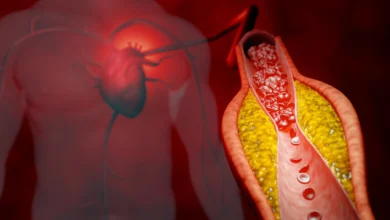
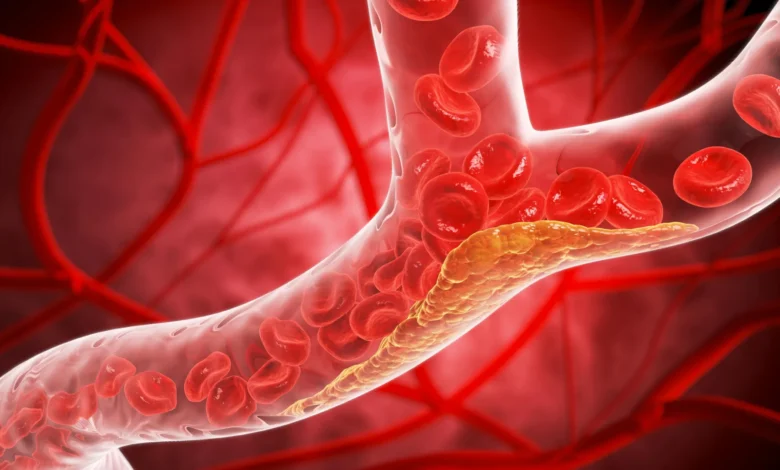
At the microscopic level, liver cells achieve this filtration through specialized transmembrane structures known as LDL receptors. These receptors operate analogously to cellular docking stations, capturing circulating LDL cholesterol particles from the bloodstream and internalizing them for degradation. The sheer density of these receptors on the surface of hepatocytes directly dictates how efficiently the body can clear bad cholesterol. When receptor numbers are high, blood cholesterol levels drop; conversely, when receptor numbers plummet, circulating LDL accumulates, paving the way for atherosclerotic plaque buildup, arterial narrowing, and, ultimately, cardiovascular events such as myocardial infarctions and strokes.
Widely prescribed lipid-lowering drugs, most notably statins, exert their therapeutic benefits precisely by manipulating this receptor dynamic. Statins inhibit HMG-CoA reductase, an enzyme crucial for endogenous cholesterol synthesis in the liver. This inhibition triggers a compensatory upregulation of LDL receptors on liver cells, enhancing the clearance of circulating cholesterol. Similarly, PCSK9 inhibitors prevent the degradation of LDL receptors, keeping them active on the cell surface for longer periods. However, because these established treatments share overlapping or related pathways, patients who fail to tolerate them or fail to reach target lipid goals are frequently left with few viable alternatives.
The Hidden Pathway: From Dietary Fat to Receptor Destruction
For decades, endocrinologists and metabolic researchers have observed a paradoxical physiological response: individuals consuming diets persistently rich in cholesterol experience a blunting of the liver’s clearance capacity. Until now, the precise molecular cascade driving this downregulation remained elusive.
Using a rigorous combination of murine models and human cellular assays, the UC San Diego research team mapped out a completely novel biochemical route. The process is initiated by a protein designated as Ral, which senior author Dr. Alan Saltiel, professor of medicine at UC San Diego and director of the UC San Diego/UCLA Diabetes Research Center, had previously investigated in the context of adipose (fat) tissue biology.
The researchers discovered that the ingestion of high levels of dietary cholesterol abnormally activates the Ral protein. This activation sets off a destructive intracellular domino effect that ultimately targets and diminishes the population of LDL receptors on hepatocytes. As Ral activity remains persistently elevated due to continuous dietary cholesterol exposure, fewer receptors are available at the cell surface, severely hampering the liver’s ability to pull bad cholesterol out of the bloodstream.
Delving deeper into this newly mapped mechanism, the investigators isolated another crucial component: an enzyme known as cathepsin A (CTSA). This specific enzyme acts as a primary driver within the pathway responsible for the depletion of LDL receptors. To test the functional relevance of this discovery, the research team administered a small molecule inhibitor specifically designed to block CTSA in animal models. The experimental intervention yielded striking results: LDL receptors were successfully stabilized against degradation, and circulating levels of harmful LDL cholesterol dropped dramatically in mice.
This discovery is particularly significant because the newly defined Ral-CTSA pathway operates entirely independently of the pathways targeted by statins, ezetimibe, or PCSK9 inhibitors. By introducing an orthogonal mechanism for lowering lipids, this research establishes a foundational framework for treating patient populations who exhibit resistance or adverse reactions to current standard-of-care medications.
Chronology of Discovery and the Path to Translation
The journey from initial observation to the identification of a viable therapeutic candidate spans years of meticulous investigative work across multiple academic institutions. The chronology of this scientific breakthrough underscores the complex, collaborative nature of modern biomedical research:
- Prior Investigations: Dr. Alan Saltiel and his research group initially characterize the behavior of the Ral protein within fat tissues, establishing a baseline understanding of its signaling properties.
- Hypothesis Formulation: Recognizing parallels in metabolic dysregulation, the team investigates whether dietary cholesterol intake directly impacts hepatic clearance through novel protein signaling cascades.
- Experimental Mapping: Utilizing advanced murine models and human cellular cultures throughout 2022 and 2023, the researchers successfully identify the Ral-CTSA axis as the direct driver of LDL receptor degradation in response to high-cholesterol diets.
- Pharmacological Intervention: The team applies a targeted small molecule inhibitor against cathepsin A (CTSA) in subjects, observing rapid receptor stabilization and significant reductions in circulating LDL cholesterol.
- Publication and Peer Review: The comprehensive findings are submitted to and subsequently published in the journal Nature, drawing immediate attention from the global cardiovascular research community.
- Repurposing Phase: Recognizing that a CTSA inhibitor has already undergone early-stage human trials, researchers pivot toward planning translational clinical evaluations to test the compound’s efficacy in human lipid management.
An Existing Pharmaceutical Candidate Accelerates the Timeline
Ordinarily, translating a novel biological target into a clinically viable pharmaceutical is a notoriously arduous, expensive, and protracted endeavor. Discovering a pathway is merely the first hurdle; researchers typically must spend a decade or more designing, synthesizing, and screening candidate compounds to find a molecule that is both potent and non-toxic in humans.
In this rare instance, however, translational acceleration may be within reach. Prior to the UC San Diego team’s mechanistic discovery, a pharmaceutical compound specifically designed to inhibit cathepsin A (CTSA) had already been formulated and developed by commercial entities. Initially, this experimental medication was investigated as a potential therapeutic candidate for the treatment of heart failure. Although that specific clinical development program was ultimately discontinued for strategic and portfolio-driven reasons rather than safety failures, the drug had already progressed through a Phase 1 clinical trial.
During its Phase 1 evaluation, the compound underwent rigorous safety testing in human subjects. This prior clinical exposure provides an unprecedented advantage for the UC San Diego researchers. Rather than initiating drug discovery and preliminary toxicity screening from the ground up, the existing CTSA inhibitor could potentially bypass years of early-stage preclinical roadblocks.
Investigators are now laying the groundwork to advance the compound directly into Phase 2 clinical trials, where its specific efficacy in lowering blood cholesterol levels in humans can be formally evaluated. While researchers exercise cautious optimism—noting that the drug has not yet been proven to reduce cholesterol in human patients—the existence of pre-existing human safety data drastically compresses the conventional timeline required to bring a novel therapeutic candidate from the academic bench to the clinical bedside.
Broader Implications for Global Cardiology
Cardiovascular disease continues to account for approximately one-third of all deaths globally, according to data compiled by the World Health Organization (WHO). Despite aggressive public health campaigns emphasizing diet, exercise, and pharmacological prevention, dyslipidemia remains stubbornly prevalent, exacerbated by genetic predispositions, aging populations, and modern dietary patterns.
The identification of the Ral-CTSA pathway offers more than just a new biochemical footnote; it represents a paradigm shift in how clinicians may approach refractory hypercholesterolemia. Patients who experience statin intolerance—often characterized by debilitating muscle aches that occur in up to 10 to 20 percent of treated individuals—frequently find themselves with sub-optimal cholesterol management, exposing them to elevated long-term cardiovascular risks.
Furthermore, combination therapy is becoming increasingly standard in modern cardiology, mirroring approaches long utilized in oncology and hypertension management. Just as oncologists combine drugs with distinct mechanisms of action to overcome tumor resistance, cardiologists increasingly rely on multi-target regimens to drive LDL cholesterol down to aggressively low targets, particularly in secondary prevention settings where patients have already suffered a cardiac event.
Because the CTSA inhibitor operates independently of HMG-CoA reductase and PCSK9, it could theoretically be co-administered alongside existing therapies without compounding overlapping toxicities or receptor competitions. This combinatorial potential could allow clinicians to achieve profound lipid-lowering effects at lower individual doses, minimizing side effects while maximizing cardioprotection.
As the research team at UC San Diego prepares for the next phases of translation, the scientific and medical communities are closely monitoring developments. While substantial work remains to transition the compound from an experimental heart failure candidate to an approved lipid-lowering therapy, the convergence of fundamental molecular discovery and pre-existing human safety data offers a rare glimmer of accelerated hope for millions of patients fighting to control their cholesterol.