Puerto Rico Declares Emergency, Imposes 48-Hour Water Rationing as Drought Worsens.

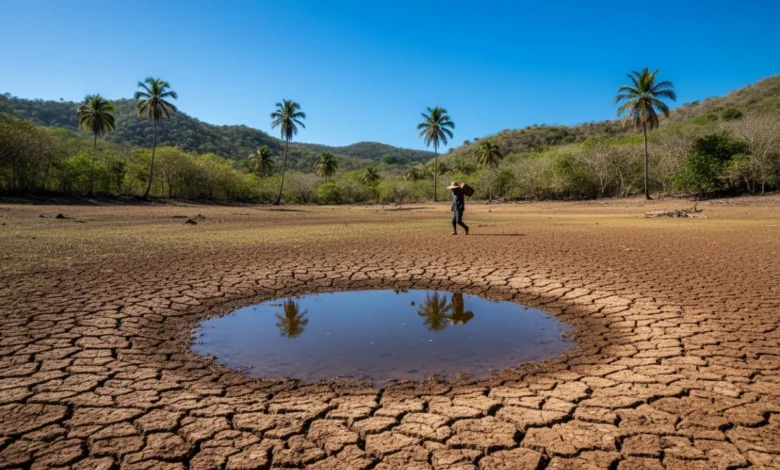
Governor Jenniffer González officially declared a state of emergency on Thursday as a deepening drought across the archipelago forced the government to implement drastic water conservation measures. Effective Friday, thousands of residents in the northeast region of the island will transition to a 48-hour water rationing schedule, a move officials describe as necessary to prevent a total collapse of the supply system. The declaration follows months of escalating water scarcity and growing public frustration over a utility infrastructure that many experts claim is being pushed to its breaking point by both environmental factors and systemic neglect.
The rationing program, managed by the Puerto Rico Water and Sewer Authority (PRASA), will initially focus on the municipalities of Canóvanas and Rio Grande. Luis González, the executive president of PRASA, informed the public that the current "intermittent" service model was no longer sustainable given the lack of significant rainfall in the catchment areas feeding the island’s reservoirs. Under the new protocol, affected communities will experience alternating 48-hour windows of service and shut-offs. While the initial measures are localized, officials warned that if the dry spell continues through the peak of the summer heat, the rationing could soon expand to include the San Juan metropolitan area and other densely populated regions.
The Severity of the Current Drought
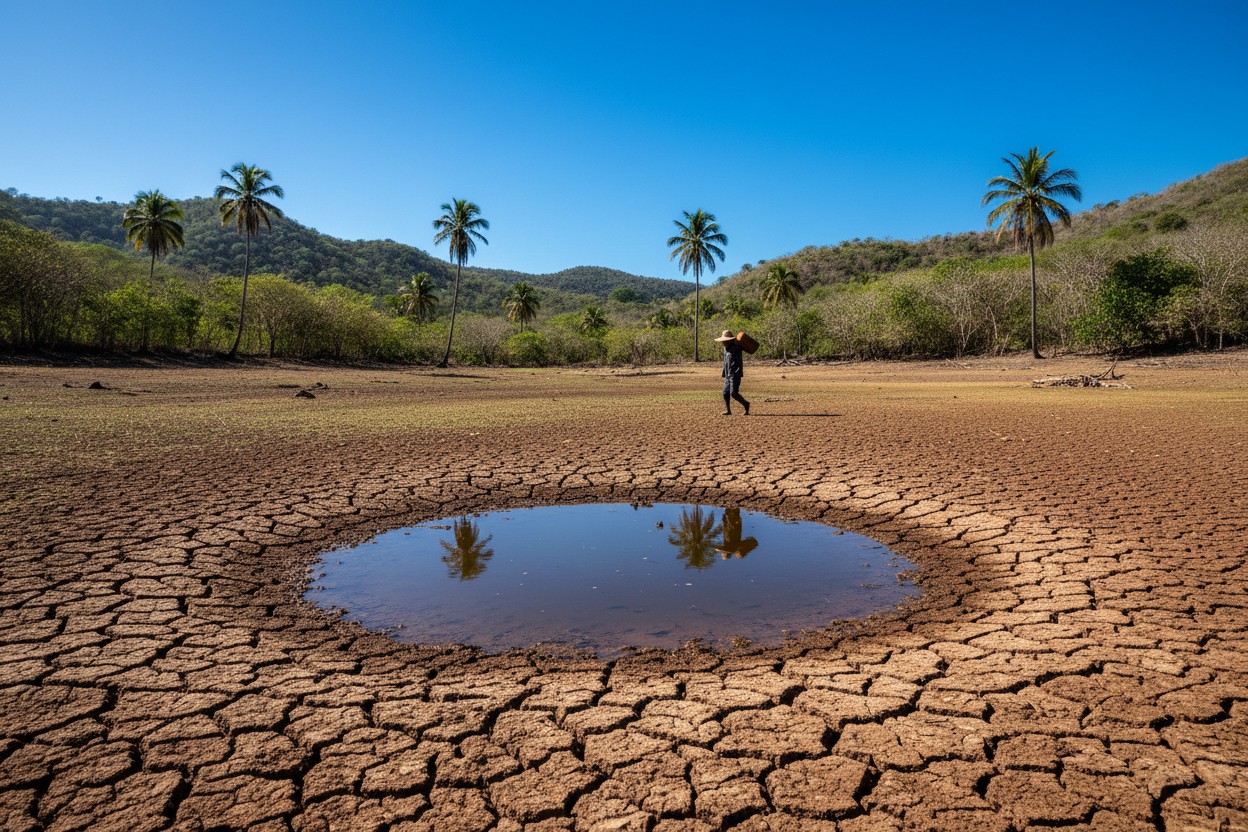
The decision to declare an emergency comes as the U.S. Drought Monitor released data showing a rapid deterioration of moisture levels across the territory. As of this week, approximately 14% of Puerto Rico is classified as being under "severe drought," while an additional 59% is experiencing "moderate drought." This represents a staggering increase from late June, when only 18% of the island was categorized under moderate drought conditions.
The human impact of this environmental shift is vast. Out of Puerto Rico’s total population of 3.2 million, an estimated 2.3 million people are currently living in regions directly affected by drought conditions. Climatologists point to a combination of rising global temperatures and a lack of tropical wave activity—which usually provides the bulk of the island’s summer precipitation—as the primary drivers. This localized crisis mirrors a broader global phenomenon often referred to by environmental scientists as "the great drying." Current global assessments indicate that 75% of the world’s population now resides in nations grappling with diminishing freshwater supplies, a trend that is exacerbating political and social instability in vulnerable regions.
A Chronology of Growing Instability
The current crisis did not emerge in a vacuum. The timeline of Puerto Rico’s water instability stretches back years, but it has accelerated sharply in recent months:
- 2016: Puerto Rico endured one of its most severe droughts in history, where approximately 400,000 customers were placed on a schedule that allowed water access only every third day. This period remains a traumatic benchmark for residents.
- May 2024: Significant water outages began affecting San Juan and surrounding areas. These outages occurred before the current drought was officially recognized, leading to accusations of mismanagement.
- Late May 2024: The Mayor of San Juan filed a lawsuit against the Puerto Rico Water and Sewer Authority, alleging that the utility failed to provide consistent service and was untransparent regarding the causes of frequent "dry taps."
- June 2024: Nearly 40,000 customers in various regions lost water service entirely due to mechanical failures and infrastructure collapses unrelated to rainfall levels. This prompted Governor González to activate the National Guard to distribute water via tankers (oasis) to affected communities.
- July 2024: The U.S. Drought Monitor confirmed the rapid expansion of severe drought conditions, leading to the current declaration of a state of emergency and the 48-hour rationing mandate.
Chronic Infrastructure Issues and Management Failures
While the drought is the immediate catalyst for the rationing, Governor González acknowledged that the island’s water crisis is deeply rooted in decades of underinvestment. The infrastructure of the Puerto Rico Water and Sewer Authority has long been criticized for its inefficiency. Estimates suggest that nearly 50% of the water treated by PRASA is lost before it ever reaches a consumer’s tap, leaking out of aging, cracked pipes or being lost to unauthorized connections.
The situation in Puerto Rico is a microcosm of a larger crisis across the United States. Recent industrial analyses have noted that chronic underinvestment has left water infrastructure outdated and on the verge of collapse in many American jurisdictions. In Puerto Rico, however, the problem is compounded by the island’s fiscal challenges and the lingering damage from previous hurricanes, such as Maria and Fiona, which devastated the power grid and, by extension, the pumping stations required to move water across the mountainous terrain.
The lack of maintenance has also raised concerns about the long-term health of the population. In the seminal book "The Water We Drink," researchers highlight that regulatory standards for water quality were originally established with primary focuses like cancer prevention and the mitigation of long-term toxic exposure. When systems are constantly being shut down and restarted—as happens during rationing—the risk of bacterial contamination and sediment buildup increases, potentially undermining the health standards that the system was designed to protect.
Legislative and Public Backlash
The imposition of rationing has ignited a firestorm of political criticism. Many residents and lawmakers argue that the government is using the drought as a "scapegoat" to mask the failure to modernize the utility. Representative Domingo J. Torres has been a vocal critic of PRASA’s leadership, stating that the current situation is the result of a management style that "improvises" rather than plans.
"What’s happening with the Puerto Rico Water and Sewer Authority cannot be attributed solely to the drought," Torres said in a recent legislative session. "What we’re seeing is a management that reacts only when the crisis is already upon us, and that has failed to present a clear plan to guarantee access to drinking water. The people cannot be expected to pay rising utility rates for a service that is increasingly unavailable."
Public protests have broken out in several municipalities, with citizens blocking roads and demanding that the National Guard be deployed not just for water distribution, but for emergency repairs. For many families, 48 hours without water means the inability to cook, maintain hygiene, or run small businesses, further straining an economy already struggling with high inflation and energy costs.
Implications and Future Outlook
The implications of the current water emergency extend beyond domestic convenience. The agricultural sector in the southern and eastern plains is bracing for significant crop losses, as irrigation becomes restricted. Furthermore, the tourism industry—a vital pillar of the Puerto Rican economy—could face reputational damage if visitors find themselves in hotels or regions subject to water shut-offs.
From a policy perspective, the state of emergency allows the Governor to bypass certain bureaucratic hurdles to fast-track funding for infrastructure repairs and the acquisition of emergency equipment. However, experts warn that these are short-term "band-aids" for a systemic problem. Without a massive overhaul of the island’s reservoirs—many of which are filled with silt, reducing their storage capacity—and a complete replacement of the leaking distribution network, Puerto Rico will remain at the mercy of every dry season.
The current situation also highlights the growing intersection between climate change and public health. As "the great drying" continues to affect the Caribbean basin, the frequency of these emergencies is expected to increase. The challenge for Puerto Rico’s leadership will be to move beyond reactive emergency declarations and toward a resilient, climate-adapted water management strategy.
For now, the residents of Canóvanas and Rio Grande prepare for a difficult Friday. As the taps run dry, the island watches the skies, hoping for the tropical rains that have so far eluded the territory, while simultaneously demanding accountability from the institutions tasked with managing their most basic need. The coming weeks will be a critical test of the government’s ability to manage a resource that is becoming increasingly scarce in a warming world.